
What details should be paid attention to when the gas detector is calibrated?
Publication Date:2025/03/10 As an indispensable monitoring tool in the field of industrial safety production and environmental protection, the accuracy of the gas detector is directly related to the accuracy and reliability of the monitoring data. However, the accuracy calibration process does not simply connect the gas detector to the standard gas and read the value, but requires attention to multiple details to ensure the accuracy and validity of the calibration results. So do you know what details need to be paid attention to when gas detector performs accuracy calibration? The following is a brief introduction by yiyuntian electronics:

The following details should be noted when calibrating the accuracy of the gas detector:
1. calibration environment and conditions
(1) Keep the environment stable:
The gas detector shall be calibrated to ensure that the environmental conditions such as temperature, humidity, air pressure and wind speed are relatively stable, so as to avoid the drastic changes of these factors from affecting the calibration results.
(2) Clean the environment:
Select a laboratory or office environment with good air quality to calibrate the gas detector to prevent dust, oil and other pollutants from interfering with the calibration results.
2. Calibration Equipment and Gases
(1) Select the appropriate standard gas:
According to the type of gas detected by the gas detector, select the standard gas with the corresponding concentration for calibration. The concentration of standard gas should be accurate and reliable, and meet the requirements of relevant standards or codes.
(2) Standard gas flow control:
The flow rate of standard gas shall be strictly implemented in accordance with the requirements of the gas detector instructions. Too large or too small flow rate will affect the detection results and cause measurement errors.
(3) Use the correct standard mask:
The standard gas mask of the gas detector itself should be selected. An unreasonable standard gas mask may cause unstable or inaccurate values.
3. calibration operations and procedures
(1) Warm-up and self-test:
Before calibration, make sure that the gas detector has been warmed up and completed the self-test procedure to ensure that the instrument is in good working condition.
(2) Enter calibration mode:
Follow the gas detector instructions, enter calibration mode, and perform zero calibration and concentration calibration as prompted.
(3) Observe the alarm signal:
When calibrating the alarm point of the gas detector, observe the sound and light alarm signals at the same time to ensure the normal alarm function.
Checks and Records After 4. Calibration
(1) Check the calibration results:
After the gas detector is calibrated, check to ensure that the calibration results meet the requirements. If necessary, re-calibrate.
(2) Record calibration data:
Record the data, results and calibration date of the gas detector calibration process in the calibration record sheet for subsequent reference.
In summary, we can see that when the gas detector performs accuracy calibration, it is necessary to pay attention to the calibration environment and conditions, calibration equipment and gas, calibration operations and steps, and inspection and records after calibration.Attention to these details will help to ensure the accuracy and reliability of the calibration results, improve the accuracy and stability of the gas detector, so as to better ensure the smooth progress of industrial safety production and environmental protection.
Related information
-
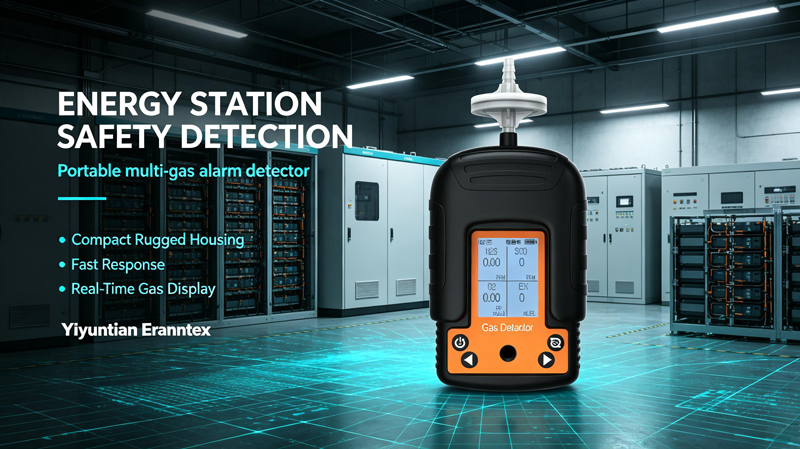
How to Calibrate a Portable four-in-one Gas Detectors?
Portable four-in-one gas detectors are core protective equipment in the industrial safety field. However, sensors can experience z...
2026-09-18 -
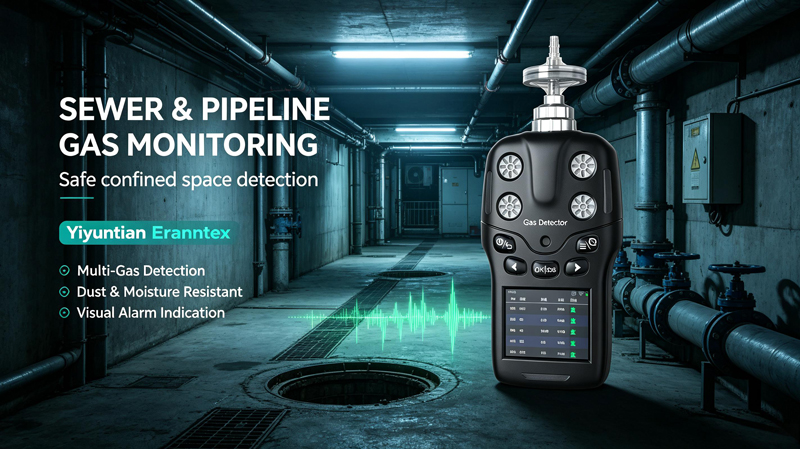
What are the application scenarios for portable four-in-one gas detectors?
Portable four-in-one gas detectors typically monitor oxygen (O₂), flammable gas (LEL), carbon monoxide (CO), and hydrogen sulfide...
2026-09-16 -
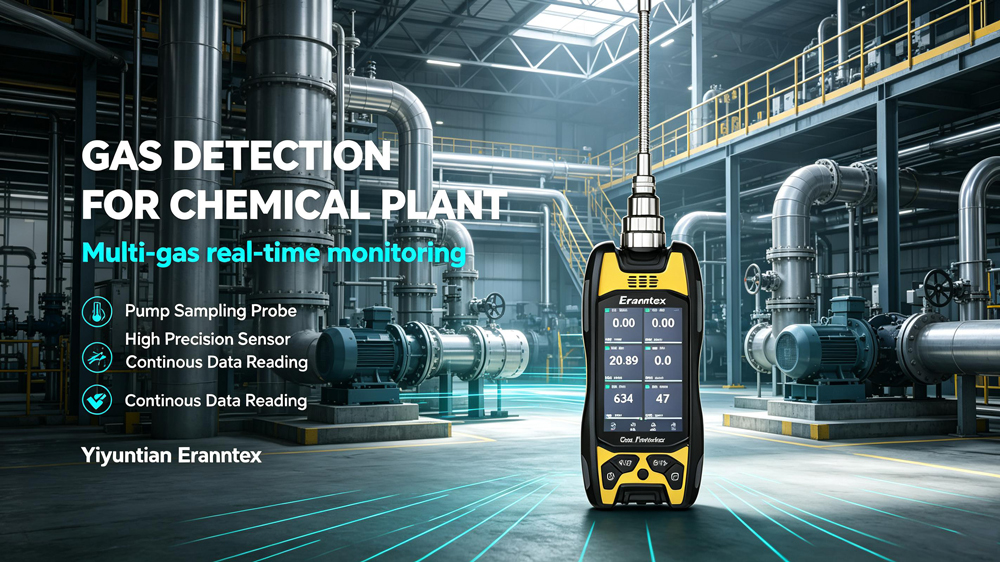
Portable four-in-one Gas Detectors User Manual
The portable four-in-one gas detectors is a core piece of personal protective equipment (PPE) for ensuring the safety of personnel...
2026-09-14 -

Calibration Specifications for Ammonia gas Detectors
Calibration of ammonia gas detectors is a core step in ensuring their measurement accuracy and alarm reliability. However, ammonia...
2026-09-11 -
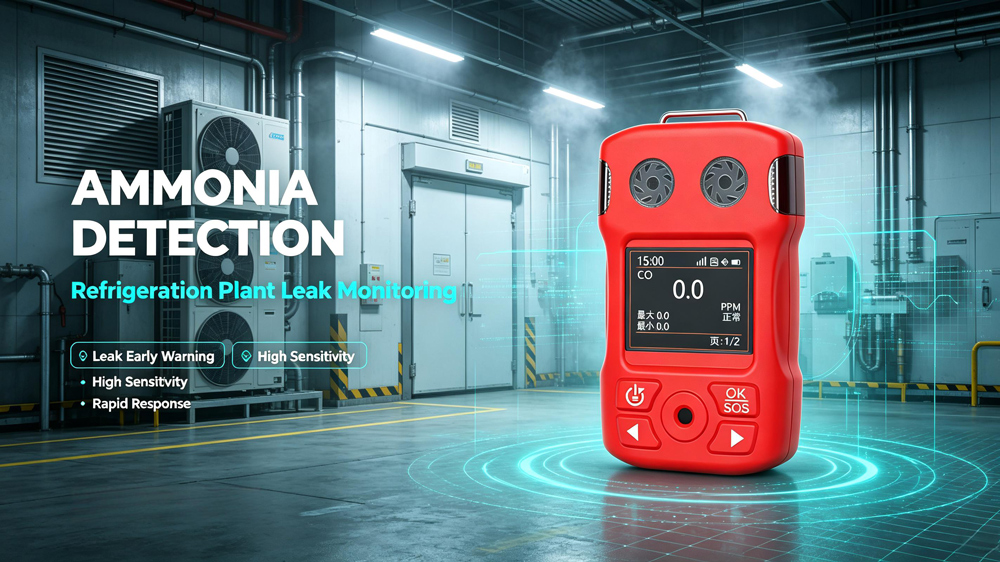
What is the appropriate installation height for an ammonia gas detectors?
Ammonia (NH₃) has a relative density of only 0.59, much lighter than air. This means that in the event of a leak, the gas will qu...
2026-09-09
 info@eranntexgas.com sale1@eranntexgas.com


 15914124845