
The alarm point of combustible gas detector is improperly set, how should it be adjusted?
Publication Date:2025/03/20I believe everyone knows that as an important equipment in the field of industrial safety, the accuracy of the alarm point setting is directly related to the safety protection level of the production site. However, in practical applications, due to improper operation, changes in environmental factors or aging of equipment, the alarm point may be improperly set, resulting in the combustible gas detector can not timely and accurately issue an alarm, thereby increasing safety risks. Therefore, reasonable adjustment of the alarm point setting of the combustible gas detector is an important part of ensuring industrial safety. Then you know Combustible Gas Detector The alarm point is not set properly. How should I adjust it? The following is a brief introduction by yiyuntian electronics:

when the alarm point of combustible gas detector is not set properly, it should be adjusted according to the following steps:
1. to confirm the cause of the improper alarm point setting
(1) Check the current alarm point settings:
Review the current alarm point settings of the combustible gas detector to see if they are consistent with the actual working environment and safety standards.
(2) Analyze false or missed alarms:
If the combustible gas detector gives frequent false alarms, the alarm point may be set too low; If there are frequent missed alarms, the alarm point may be set too high.
(3) Consider environmental factors:
Evaluate the range of combustible gas concentration in the working environment and whether there are other factors that may affect the accuracy of the combustible gas detector, such as temperature, humidity, and interference gases.
2. Adjusting Alarm Point Settings
Read the instruction manual of the combustible gas detector carefully to understand the specific method and steps of setting the alarm point.
(2) Enter the settings interface:
Enter the setting interface of the combustible gas detector according to the instructions, and find the relevant options for setting the alarm point.
(3) Adjust the alarm point:
Adjust the value of the alarm point reasonably according to the actual working environment and safety standards. Generally speaking, the alarm point of the combustible gas detector should be set below the safety threshold of the combustible gas concentration to ensure that the alarm can be issued in time before the occurrence of dangerous situations.
(4) Save settings:
After adjusting the combustible gas detector, save the settings and exit the setting interface.
3. validation adjustment effect
Verify the combustible gas detector with a known concentration of standard gas to ensure that it can accurately measure and trigger an alarm.
(2) Observe the alarm response:
Observe the response of the combustible gas detector to the combustible gas concentration under the adjusted alarm point setting to ensure that it can give an alarm in time under the dangerous concentration.
(3) Record and evaluate:
Record the data during the verification process and evaluate whether the adjusted alarm point settings meet the actual working requirements and safety standards of the combustible gas detector.
4. Notes
(1) to avoid misoperation:
When adjusting the alarm point setting, ensure that the operation is correct to avoid misoperation and cause the combustible gas detector to fail to work normally.
(2) Periodic calibration:
The combustible gas detector should be calibrated regularly to ensure the accuracy of its measurement and the accuracy of the alarm point setting.
(3) Professional training:
Operators should receive professional training to understand the working principle, operation method and precautions of the combustible gas detector to improve its use and maintenance level.
To sum up, we can see that when the combustible gas detector alarm point is not set properly, it should be adjusted by confirming the reason, adjusting the setting, verifying the effect and other steps.Only in this way can the accuracy and reliability of the combustible gas detector be significantly improved, so as to provide a more solid technical guarantee for industrial safety production.
Related information
-
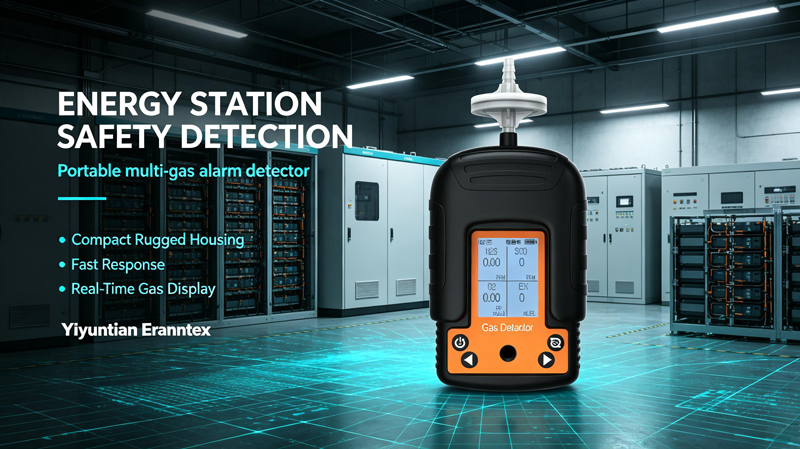
How to Calibrate a Portable four-in-one Gas Detectors?
Portable four-in-one gas detectors are core protective equipment in the industrial safety field. However, sensors can experience z...
2026-09-18 -
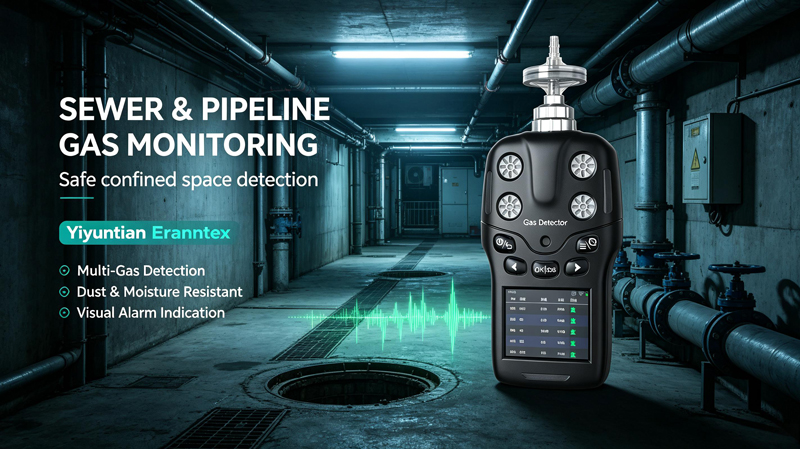
What are the application scenarios for portable four-in-one gas detectors?
Portable four-in-one gas detectors typically monitor oxygen (O₂), flammable gas (LEL), carbon monoxide (CO), and hydrogen sulfide...
2026-09-16 -
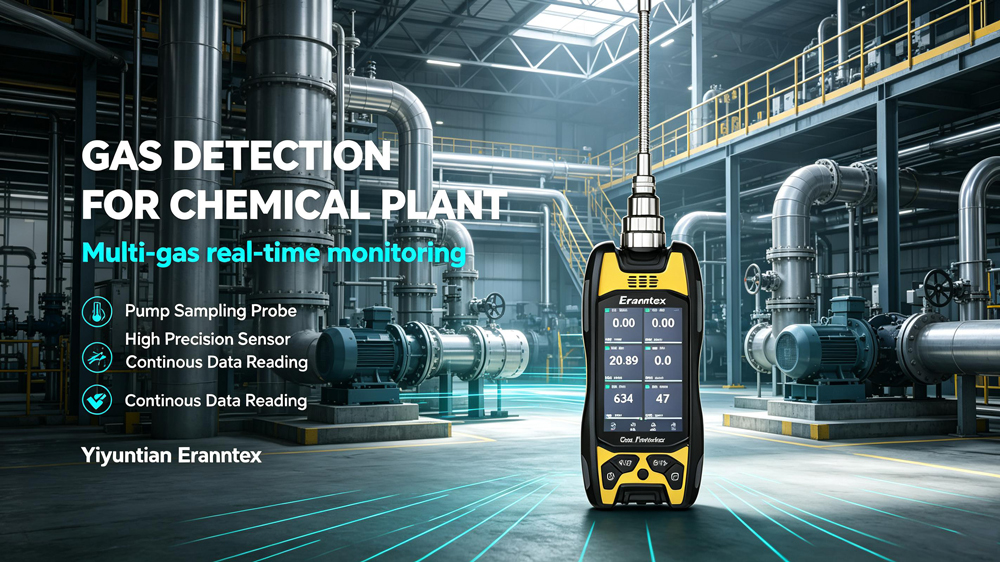
Portable four-in-one Gas Detectors User Manual
The portable four-in-one gas detectors is a core piece of personal protective equipment (PPE) for ensuring the safety of personnel...
2026-09-14 -

Calibration Specifications for Ammonia gas Detectors
Calibration of ammonia gas detectors is a core step in ensuring their measurement accuracy and alarm reliability. However, ammonia...
2026-09-11 -
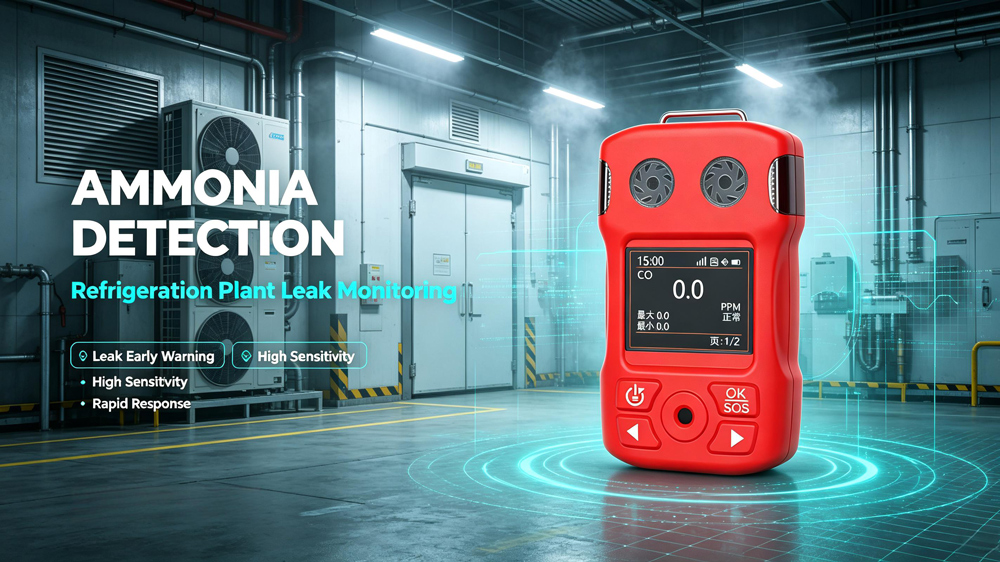
What is the appropriate installation height for an ammonia gas detectors?
Ammonia (NH₃) has a relative density of only 0.59, much lighter than air. This means that in the event of a leak, the gas will qu...
2026-09-09
 info@eranntexgas.com sale1@eranntexgas.com


 15914124845