
What problems are easily overlooked during the use of combustible gas detectors?
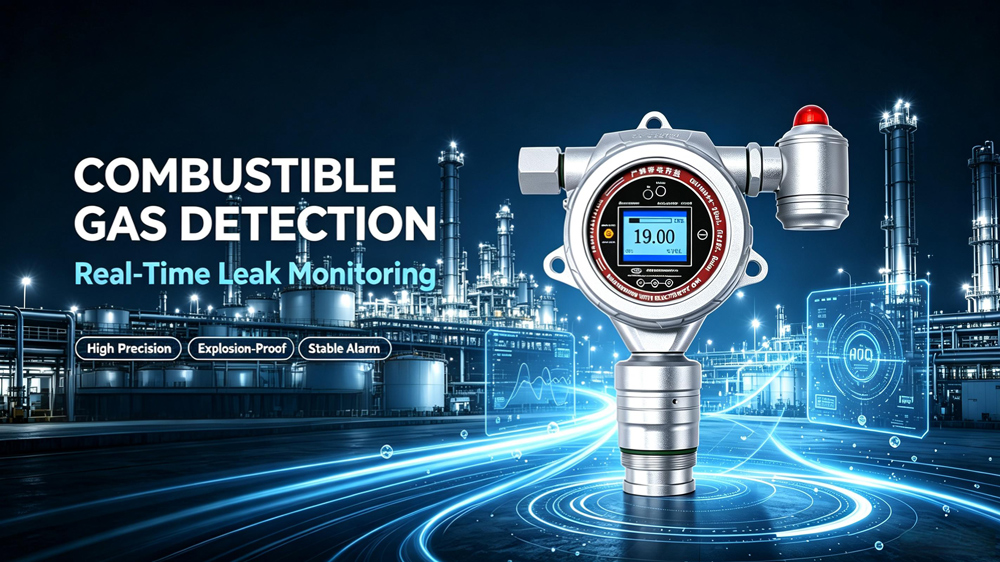
Publication Date:2025/04/23When we detect combustible gas, we need to use a combustible gas detector. Combustible gas detector is compatible with various control alarms, PLC, DCS and other control systems, and can realize remote monitoring, remote control, remote alarm, computer data storage, analysis and other functions. So combustible gas detector what problems are easy to ignore during use? Let's take a look at it with Yiyun Tian Xiaobian!

The problems that are easily overlooked during the use of the combustible gas detector mainly include the following aspects:
1. environmental factors on test results
1. Oxygen concentration: using the combustible gas detector in an atmospheric environment with insufficient oxygen may cause the combustible gas to show lower than the actual concentration; on the contrary, using in an environment with sufficient oxygen, the combustible gas reading may be higher than the actual concentration.This point is often ignored by the user, thus affecting the accurate judgment of the gas concentration.
2. The influence of silicone compounds: water vapor or other impurities in silicone compounds may affect the normal operation of the combustible gas detector, resulting in its reading amount lower than the actual gas concentration. If the instrument has been used in a water vapor environment of silicone compounds, it is necessary to recalibrate the instrument before the next use to ensure the accuracy of the measurement.
Calibration and Maintenance of 2. Instruments
2. Insufficient maintenance: Cleaning and maintenance of the instrument are essential to maintain its performance.However, users may ignore the regular cleaning of the instrument housing, sensor air inlet and other parts, resulting in the accumulation of dust, oil and other stains, affecting the heat dissipation performance and detection sensitivity of the instrument.
3. Code of Practice and Precautions
1, improper operation: when using a combustible gas detector, you need to follow certain operating specifications. However, the user may cause damage to the instrument or inaccurate test results due to unfamiliar or improper operation of the instrument . For example, severe vibration of the instrument, long-term placement in a strong organic solvent odor environment, etc. may damage the sensitive parts of the instrument.
2. Ignore the alarm signal: When the combustible gas detector sends out an alarm signal, it means that the detected combustible gas concentration has exceeded the preset safety range. However, users may not pay enough attention to the alarm signal or fail to take timely measures, which may lead to potential safety risks.
4. Battery and Charging Issues
2. Charging safety: During the charging process, it is necessary to ensure the safety of the charging environment.However, the user may replace the instrument battery or charge the battery where there is a risk of explosion, thereby increasing the risk of fire or explosion.
In general, the problems that are easy to be ignored during the use of combustible gas detectors involve many aspects, including the influence of environmental factors on the test results, the calibration and maintenance of the instrument, the operation specifications and precautions, and the battery and charging problems. In order to ensure the accuracy and reliability of the instrument, users need to strengthen the attention and management of these issues.
Related information
-
How to Calibrate a Portable four-in-one Gas Detectors?
Portable four-in-one gas detectors are core protective equipment in the industrial safety field. However, sensors can experience z...
2026-09-18 -
What are the application scenarios for portable four-in-one gas detectors?
Portable four-in-one gas detectors typically monitor oxygen (O₂), flammable gas (LEL), carbon monoxide (CO), and hydrogen sulfide...
2026-09-16 -
Portable four-in-one Gas Detectors User Manual
The portable four-in-one gas detectors is a core piece of personal protective equipment (PPE) for ensuring the safety of personnel...
2026-09-14 -

Calibration Specifications for Ammonia gas Detectors
Calibration of ammonia gas detectors is a core step in ensuring their measurement accuracy and alarm reliability. However, ammonia...
2026-09-11 -
What is the appropriate installation height for an ammonia gas detectors?
Ammonia (NH₃) has a relative density of only 0.59, much lighter than air. This means that in the event of a leak, the gas will qu...
2026-09-09
 info@eranntexgas.com sale1@eranntexgas.com


 15914124845