
What common problems may be encountered during the calibration of oxygen detectors?
Publication Date:2025/05/16As an important tool for monitoring the oxygen concentration in the environment, the oxygen detector has high-definition liquid crystal display and functions such as sound and light alarm prompts, which can ensure that the oxygen content is detected in a harsh working environment and prompt the operator to prevent it in time. Its accuracy and reliability are essential to ensure personnel safety and production safety. However, during the calibration of the oxygen detector , some common problems may be encountered. If these problems are not solved in time, they will directly affect the accuracy of the test results. Do you know what common problems may be encountered during the calibration of the oxygen detector? The following is an introduction by Yiyuntian Electronics:
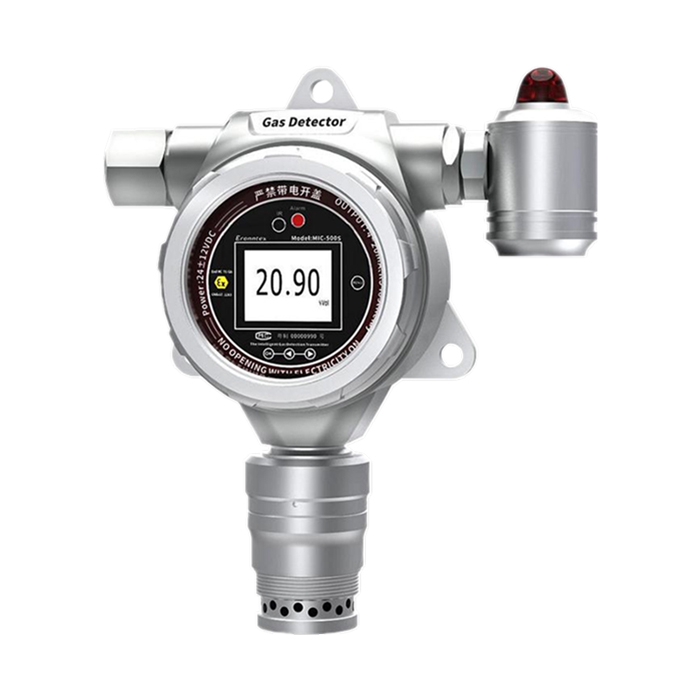
1. calibration environment unstable
Problem performance:
During the calibration process, the temperature, humidity, air pressure and other conditions of the calibration environment change dramatically, resulting in inaccurate calibration results.
:
Select a relatively stable temperature and humidity calibration environment with good ventilation. Before calibration, use instruments such as temperature and humidity meter to monitor the calibration environment to ensure that the environmental conditions meet the calibration requirements. If possible, use special equipment such as a calibration box to create a stable calibration environment.
2. standard gas improper selection
Problem:
The standard gas concentration used is inaccurate or outdated, resulting in large deviations in calibration results.
:
Select a standard gas that meets national or industry standards and has accurate concentrations. Before use, check the expiration date and concentration label of the standard gas to ensure that the gas is within the expiration date and the concentration is accurate. For the standard gas that has not been used for a long time, the concentration should be verified again or replaced with new gas.
3. gas flow improperly controlled
The gas flow into the oxygen detector is too large or too small, resulting in unstable calibration results.
:
Strictly follow the instructions of the oxygen detector to control the flow of the incoming gas. The gas flow is monitored and adjusted in real time using instruments such as flow meters. In the calibration process, keep the stability of the gas flow, to avoid the big and small.
4. tester failure or aging
Problem:
The sensor of the oxygen detector is aging, the circuit is damaged or the battery is exhausted, which causes the calibration to fail or the result is inaccurate.
:
Regularly maintain and maintain the oxygen detector and check the working status of the sensor, circuit and battery. If the detector is found to be faulty or aging, contact professionals for maintenance or replacement. Prior to calibration, perform a full check of the tester to ensure that it is in proper working condition.
5. calibration procedures are not standardized
Problem:
The calibration procedure was not performed according to the instructions, resulting in inaccurate calibration results or failure to complete calibration.
:
Read the instructions of the oxygen detector carefully for calibration procedures and requirements. Follow the instructions and perform the calibration step by step to ensure that each step is correct. During the calibration process, pay attention to the display and alarm signal of the detector to ensure the smooth progress of the calibration process.
6. data is improperly recorded and stored
> problem performance:
Incomplete or inaccurate calibration data records make subsequent analysis and comparison difficult.
:
In the calibration process, record the calibration steps, calibration results, calibration date and other information in detail. Use a special log book or spreadsheet to save calibration data to ensure data integrity and accuracy. Regularly organize and analyze calibration data in order to find and solve problems in time.
To sum up, we can see that there are many problems that may be encountered during the calibration of the oxygen detector. However, as long as we operate strictly in accordance with the requirements of the instructions, select the appropriate calibration environment and standard gas, and control the gas flow, regular maintenance and maintenance of the detector and standardized recording of calibration data can effectively avoid these problems.
Related information
-
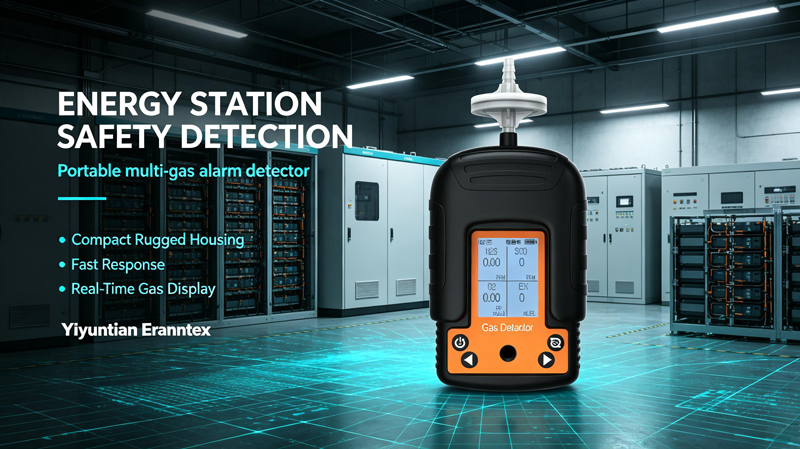
How to Calibrate a Portable four-in-one Gas Detectors?
Portable four-in-one gas detectors are core protective equipment in the industrial safety field. However, sensors can experience z...
2026-09-18 -
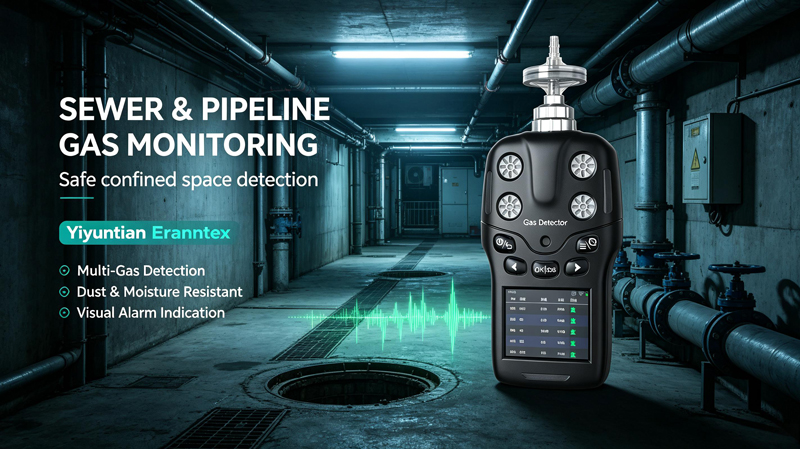
What are the application scenarios for portable four-in-one gas detectors?
Portable four-in-one gas detectors typically monitor oxygen (O₂), flammable gas (LEL), carbon monoxide (CO), and hydrogen sulfide...
2026-09-16 -
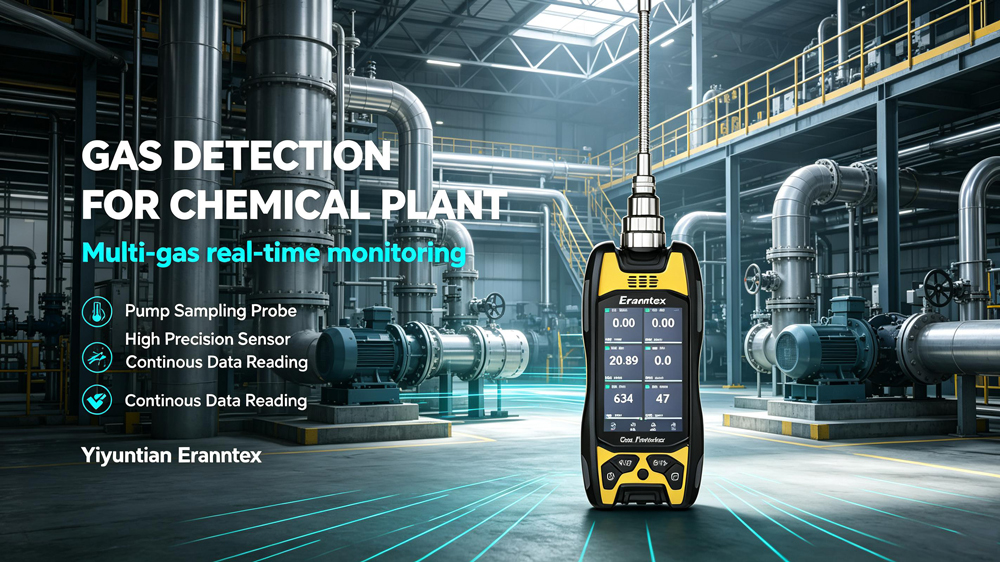
Portable four-in-one Gas Detectors User Manual
The portable four-in-one gas detectors is a core piece of personal protective equipment (PPE) for ensuring the safety of personnel...
2026-09-14 -

Calibration Specifications for Ammonia gas Detectors
Calibration of ammonia gas detectors is a core step in ensuring their measurement accuracy and alarm reliability. However, ammonia...
2026-09-11 -
What is the appropriate installation height for an ammonia gas detectors?
Ammonia (NH₃) has a relative density of only 0.59, much lighter than air. This means that in the event of a leak, the gas will qu...
2026-09-09
 info@eranntexgas.com sale1@eranntexgas.com


 15914124845