
5 Benefits of Using 4-in-1 Detectors
Publication Date:2025/08/25In industrial production, emergency response, construction sites, and even domestic environments, gas leaks or abnormal concentrations may trigger fatal risks such as fires, explosions, or poisoning. The four-in-one detector, with its ‘multifunctional in one unit’ capability, has become a core safety assurance tool for users worldwide. Below are its five key advantages, analysed in conjunction with international application scenarios and technological trends.
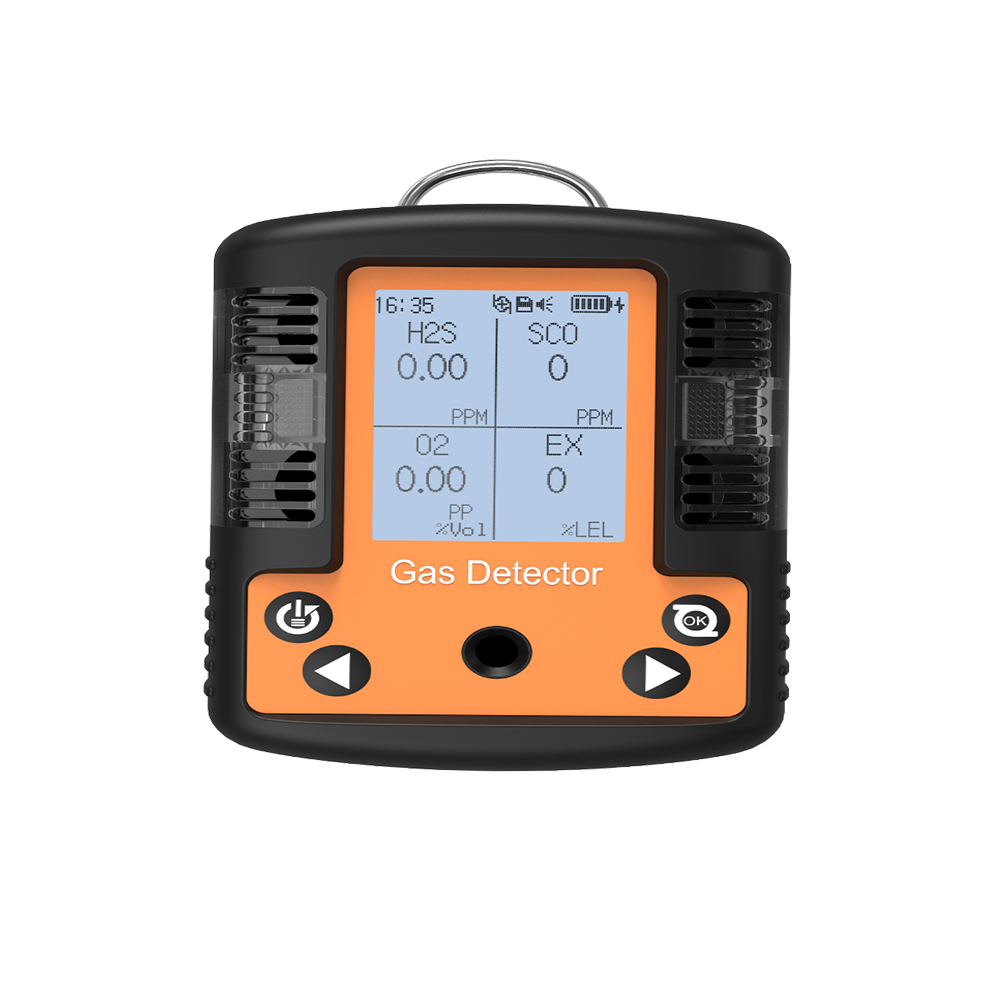
1. Simultaneous Multi-Gas Detection: Dual Enhancement of Efficiency and Accuracy
Traditional gas detection requires multiple devices to monitor oxygen (O₂), combustible gases (e.g., methane), carbon monoxide (CO), and hydrogen sulphide (H₂S) separately. The quadruple detector, however, integrates electrochemical and catalytic combustion sensors to simultaneously detect all four gas concentrations with an accuracy of ±3% F.S. and a response time reduced to 15-30 seconds.
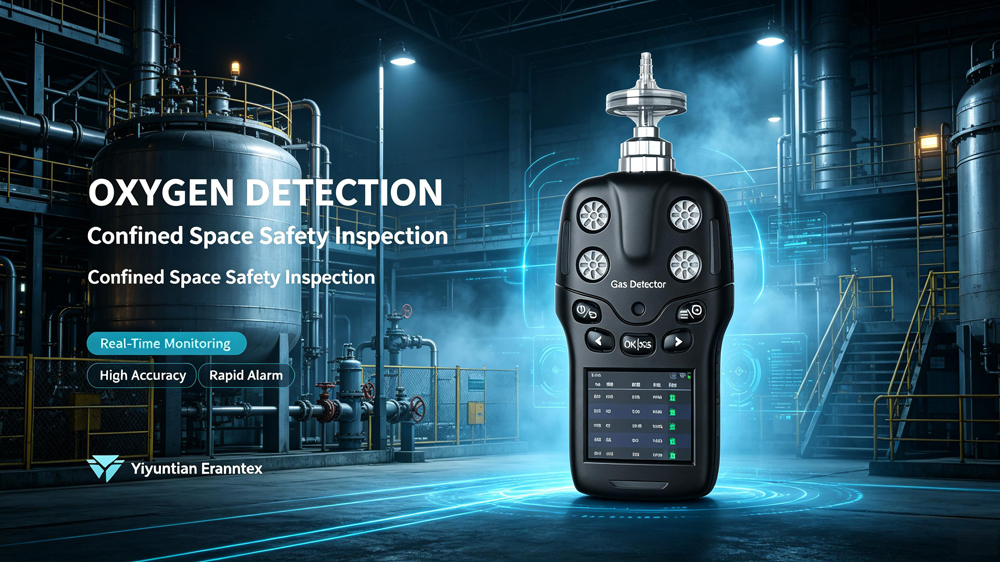
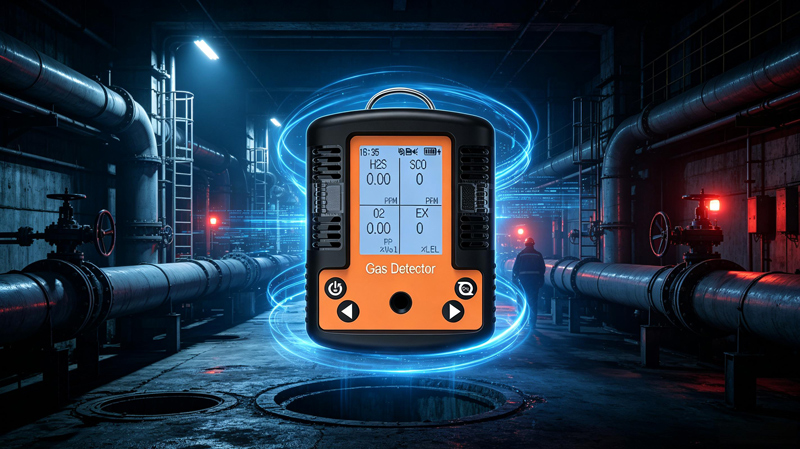
Taking the petrochemical industry as an example, personnel inspecting storage tank areas must simultaneously monitor combustible gas leakage risks, oxygen levels (to prevent hypoxia), and toxic gas concentrations. The quadruple detector acquires all data in a single operation, eliminating response delays caused by sequential testing. Industry reports indicate that quadruple devices enhance inspection efficiency by 60% while reducing the probability of safety incidents arising from missed detections.
II. Real-time Alerts and Intelligent Interlocking: From Passive Monitoring to Proactive Defence
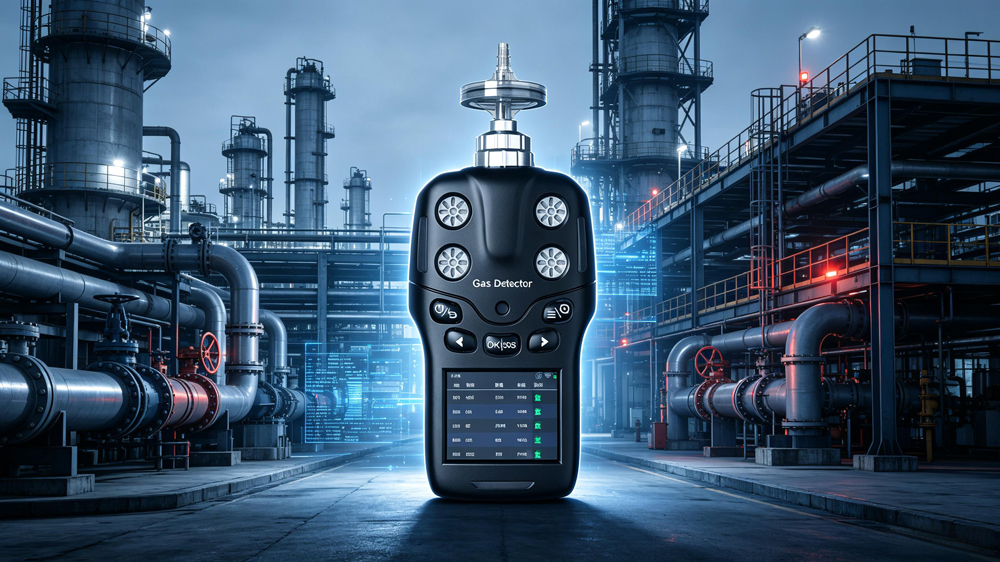
The quadruple detector features a three-tier audible, visual, and vibratory alarm system. Upon exceeding preset gas concentration thresholds, it immediately triggers a 90-decibel alarm, high-frequency flashing lights, and vibratory feedback, ensuring detection even in noisy industrial environments or emergencies. Certain premium models (such as the SGA-606 series) additionally support wireless transmission, enabling real-time data uploads to monitoring platforms and triggering automated responses such as activating ventilation systems or cutting off gas supplies.
In mining operations, methane accumulation and oxygen depletion pose common hazards. The quadruple detector allows presetting two alarm levels: a yellow warning at 1% LEL methane concentration, and a red alert at 5% LEL triggering ventilation equipment. This tiered warning mechanism secures critical time for personnel evacuation and emergency response.
III. Portability and Durability: Design Philosophy for Extreme Environments
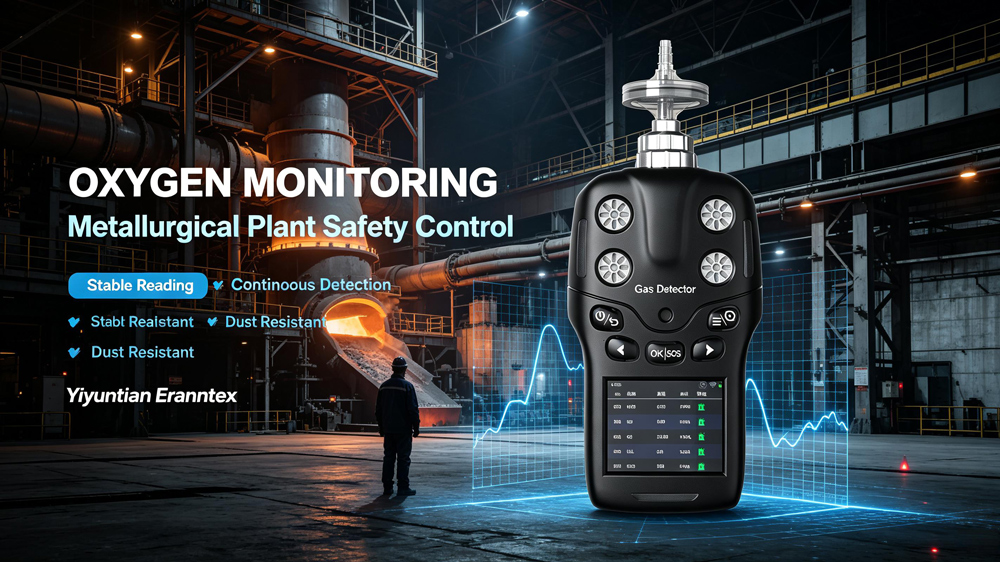
International safety standards (e.g., ATEX, IECEx) mandate that detectors undergo explosion-proof certification (Ex iaⅡCT4) and IP65 protection rating testing to ensure stable operation in flammable, explosive, high-temperature, high-humidity, or dusty environments. The quadruple detector features a high-strength engineering plastic casing with shock-resistant sheathing, weighing merely 220 grams. It can be easily clipped onto workwear pockets or hard hats and operates across a broad temperature range of -40°C to 70°C.
During Arctic oil and gas field development projects, detectors must operate continuously in -30°C temperatures and high-wind conditions. Its low-temperature battery technology and heated sensor design guarantee reliability under extreme conditions. Furthermore, select models feature replaceable sensor modules, allowing users to flexibly adjust detection gas combinations (e.g., switching to chlorine or ammonia) based on operational requirements, thereby reducing operational costs.
IV. Data Traceability and Compliance Management: Meeting Global Safety Regulations
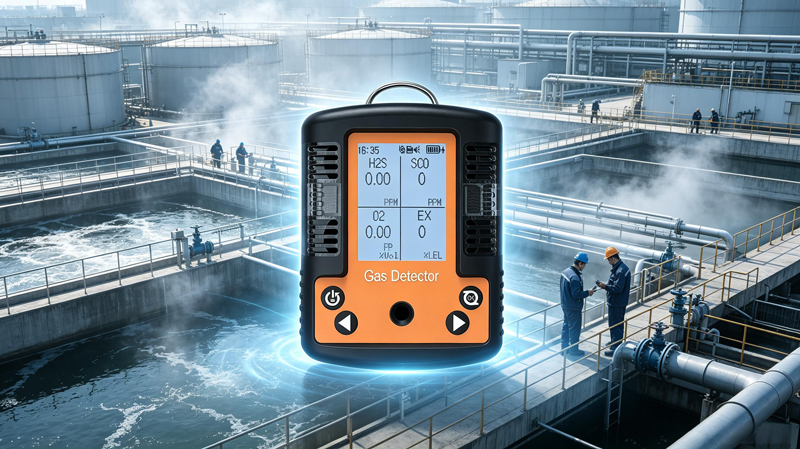
The quadruple detector incorporates a large-capacity memory capable of storing 100,000 sets of detection data. This data can be exported via USB or Bluetooth to PC software for generating trend charts. This functionality proves particularly crucial for chemical plants, sewage treatment facilities, and other settings requiring periodic submission of safety audit reports.
Taking the EU's ATEX Equipment Directive as an example, enterprises must retain gas detection records for at least ten years for verification purposes. The quadruple detector's data traceability function not only streamlines compliance processes but also enables the identification of potential leak sources through historical data analysis (e.g., methane concentration fluctuations during specific time periods), providing a basis for equipment maintenance and process optimisation.
V. Full Lifecycle Cost Optimisation: Cost-Effectiveness from Procurement to Maintenance
Compared to purchasing four single-gas detectors, the initial cost of a quad-gas device can be reduced by 40%-60%, eliminating the need for separate chargers and calibration equipment for different gases. Sensor lifespans typically reach 2-3 years, with some models (such as oxygen sensors using solid-state electrolytes) offering extended longevity, further reducing replacement frequency.
In the construction sector, contractors must equip each site with gas detection apparatus. The versatility of four-in-one detectors enables cross-project deployment, preventing resource wastage from idle equipment. Market research indicates the global portable four-in-one detector market is projected to grow from US$1.2 billion in 2024 to US$1.8 billion by 2030, representing a compound annual growth rate of 7.2%, underscoring its economic viability and market recognition.
Conclusion: The Universal Language of Safety Technology
From Houston refineries to Norwegian offshore drilling platforms, from German underground pipeline maintenance to Indian chemical park inspections, quadruple detectors are reshaping global safety monitoring systems through standardised, intelligent solutions. Their core value lies not only in leading technical specifications but also in reducing safety management complexity and cost barriers through the ‘one device for all scenarios’ design philosophy. With the convergence of IoT and AI technologies, the next generation of quadruple detectors will incorporate self-diagnostic and predictive maintenance capabilities, continuously safeguarding humanity's frontiers of exploration and production.
Related information
-
How to Calibrate a Portable four-in-one Gas Detectors?
Portable four-in-one gas detectors are core protective equipment in the industrial safety field. However, sensors can experience z...
2026-09-18 -
What are the application scenarios for portable four-in-one gas detectors?
Portable four-in-one gas detectors typically monitor oxygen (O₂), flammable gas (LEL), carbon monoxide (CO), and hydrogen sulfide...
2026-09-16 -
Portable four-in-one Gas Detectors User Manual
The portable four-in-one gas detectors is a core piece of personal protective equipment (PPE) for ensuring the safety of personnel...
2026-09-14 -

Calibration Specifications for Ammonia gas Detectors
Calibration of ammonia gas detectors is a core step in ensuring their measurement accuracy and alarm reliability. However, ammonia...
2026-09-11 -
What is the appropriate installation height for an ammonia gas detectors?
Ammonia (NH₃) has a relative density of only 0.59, much lighter than air. This means that in the event of a leak, the gas will qu...
2026-09-09
 info@eranntexgas.com sale1@eranntexgas.com


 15914124845