
How to Choose the Best 4-in-1 Detectors
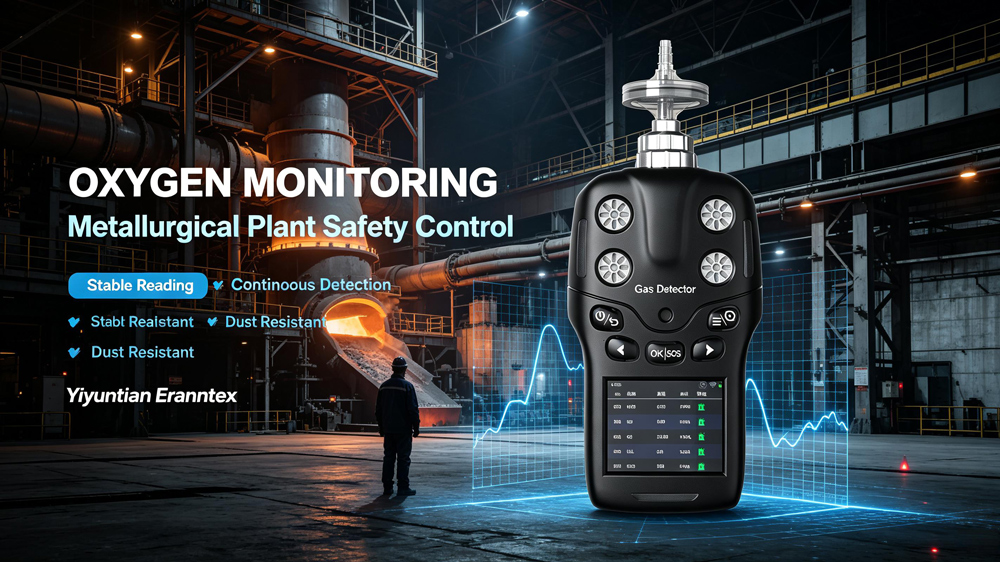
Publication Date:2025/09/22In industrial safety, environmental monitoring, or emergency rescue scenarios, the four-in-one gas detectors has become a core piece of equipment for safeguarding lives. This portable instrument, capable of simultaneously detecting combustible gases, oxygen, carbon monoxide, and hydrogen sulphide, is widely deployed in European and American mines, Middle Eastern petrochemical complexes, and Southeast Asian tunnel projects. Below, Eranntex's editorial team provides a scientific purchasing guide for global users, examining three dimensions: technical compatibility, scenario requirements, and brand service.
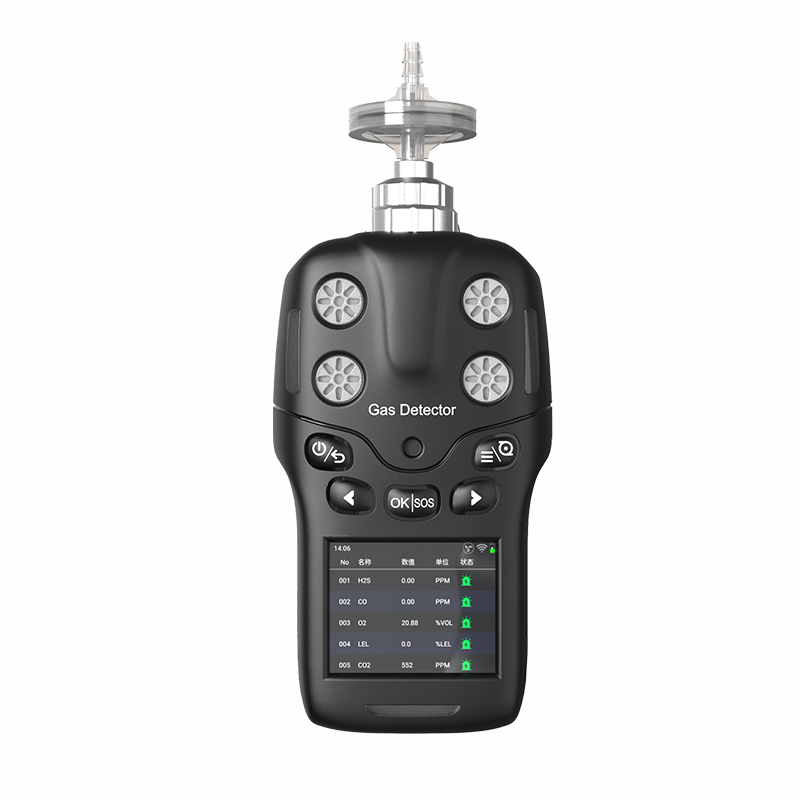
I. Precisely Matching Detection Needs: Technical Parameters Determine Safety
1. Sensor Types and Cross-Interference
Different gas sensors exhibit cross-sensitivity. For instance, catalytic combustion sensors may generate false alarms for hydrogen, while electrochemical sensors are prone to failure in high-temperature environments. Data from German TÜV-certified laboratories indicates that photoelectrochemical sensors demonstrate 40% greater interference resistance in methane detection compared to traditional catalytic combustion sensors. The US NIOSH standard explicitly mandates the use of non-catalytic combustion sensors in environments containing silicon compounds.
2. Detection Accuracy and Response Time
The chemical industry must meet OSHA's ±2% F.S. accuracy requirement, while mine rescue scenarios prioritise response times ≤15 seconds. Utilising ultraviolet short-path absorption cell technology, methane detection accuracy is enhanced to ±1% F.S. with response times reduced to 8 seconds. This technology has passed extreme environment testing by Petrobras.
3. Explosion-Proof Certification and Protection Rating
ATEX (EU), IECEx (International), and CSA (North America) certifications serve as market access credentials. Holding all three certifications alongside an IP68 protection rating enables withstanding -40°C temperatures and 1-metre water immersion, delivering outstanding performance in Alaska oilfields and North Sea drilling platforms.
II. Scenario-Based Solutions: From Laboratories to Extreme Environments
1. Open-space inspections
Lightweight equipment is essential for scenarios like tunnel construction and warehousing logistics. Featuring dual vibration/audible-visual alarms, it enabled 24-hour continuous monitoring during Hanoi Metro construction in Vietnam. While its diffusion sampling design conserves energy, external pump modules are required for confined spaces.
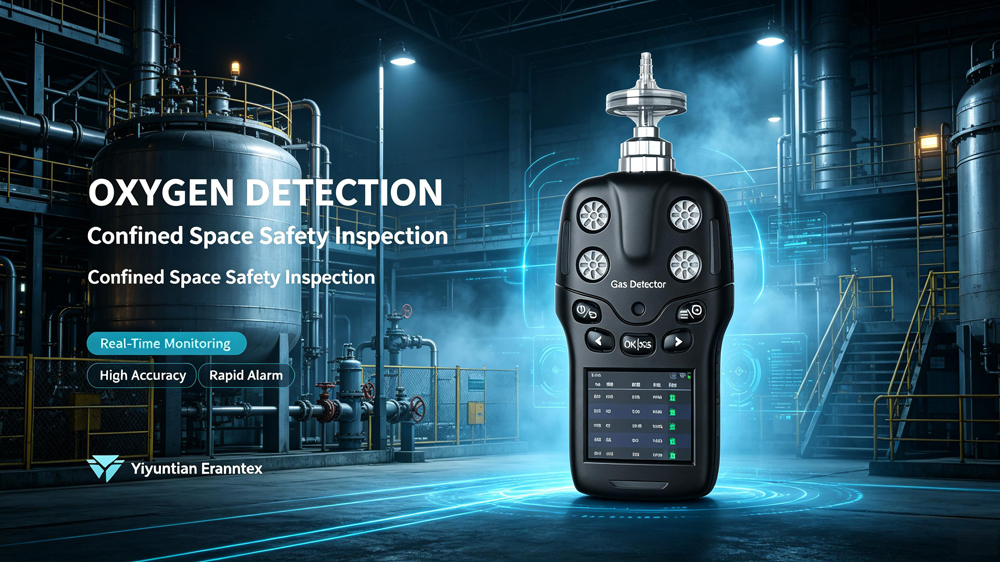
2. Confined space operations
Gas displacement testing is mandatory prior to entering storage tanks. Its dual-sensor redundancy design achieves a false alarm rate below 0.5% in coal mines, though its 450g weight limits mobile inspection efficiency. While pump-assisted accessories add RMB 2,000 to the cost, they enable sampling from distances up to 15 metres.
3. Adaptability to Extreme Environments
Saudi Aramco requires stable operation at 55°C. Special encapsulation technology maintains the X4 model's ±1.5% F.S. accuracy in Kuwaiti oilfields. Anti-condensation sensors developed for high-humidity environments reduced failure rates by 60% in Malaysian palm oil processing plants.
From refineries to construction sites, the core rationale for selecting quadruple detectors remains consistent: finding the optimal solution balancing safety thresholds, operational scenarios, and budgetary constraints. Users are advised to prioritise participation in on-site testing provided by manufacturers, verifying equipment performance under actual working conditions rather than relying solely on laboratory data. After all, in decisions concerning life safety, real-world validation always carries greater weight than specification sheets.
Related information
-
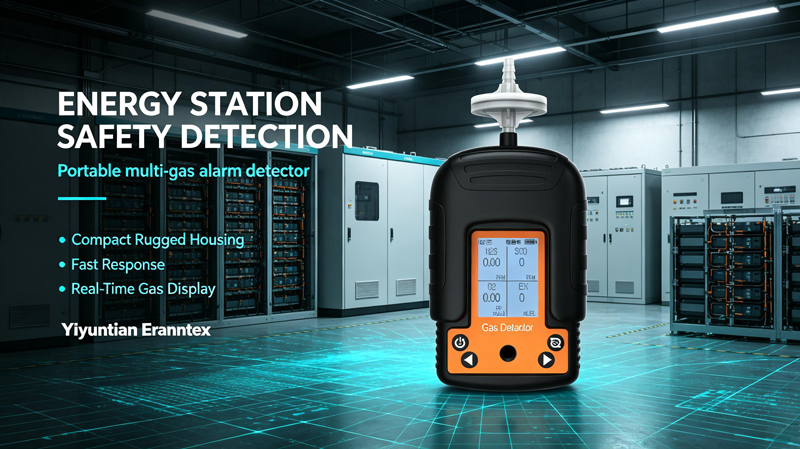
How to Calibrate a Portable four-in-one Gas Detectors?
Portable four-in-one gas detectors are core protective equipment in the industrial safety field. However, sensors can experience z...
2026-09-18 -
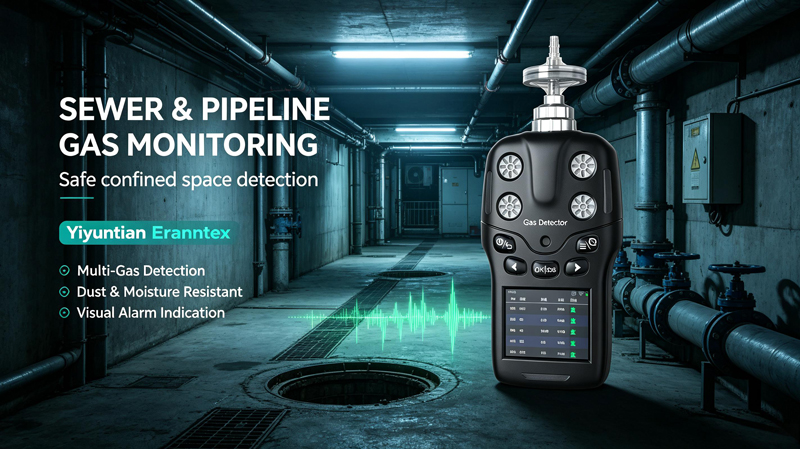
What are the application scenarios for portable four-in-one gas detectors?
Portable four-in-one gas detectors typically monitor oxygen (O₂), flammable gas (LEL), carbon monoxide (CO), and hydrogen sulfide...
2026-09-16 -
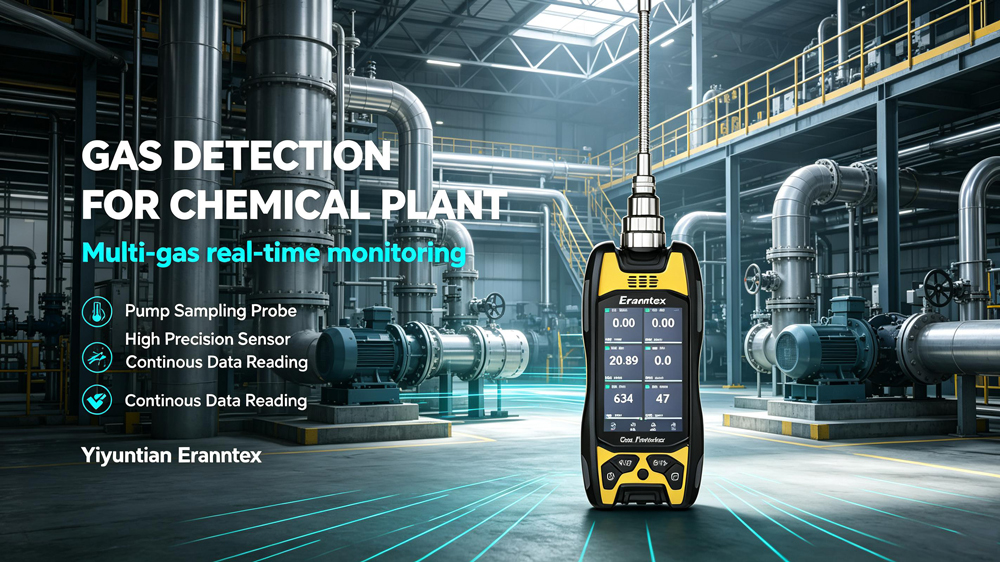
Portable four-in-one Gas Detectors User Manual
The portable four-in-one gas detectors is a core piece of personal protective equipment (PPE) for ensuring the safety of personnel...
2026-09-14 -

Calibration Specifications for Ammonia gas Detectors
Calibration of ammonia gas detectors is a core step in ensuring their measurement accuracy and alarm reliability. However, ammonia...
2026-09-11 -
What is the appropriate installation height for an ammonia gas detectors?
Ammonia (NH₃) has a relative density of only 0.59, much lighter than air. This means that in the event of a leak, the gas will qu...
2026-09-09
 info@eranntexgas.com sale1@eranntexgas.com


 15914124845