
Four-in-One Detectors Operating Procedures
Publication Date:2025/12/08The Four-in-One Detectors is a portable safety device integrating multiple gas detection functions, capable of simultaneously and accurately measuring concentrations of oxygen (O₂), combustible gases (e.g., methane CH₄), carbon monoxide (CO), and hydrogen sulfide (H₂S). It is widely used in petrochemicals, mining, firefighting and rescue operations, wastewater treatment, and numerous other fields, providing reliable gas concentration data for personnel in complex hazardous environments to ensure life safety.
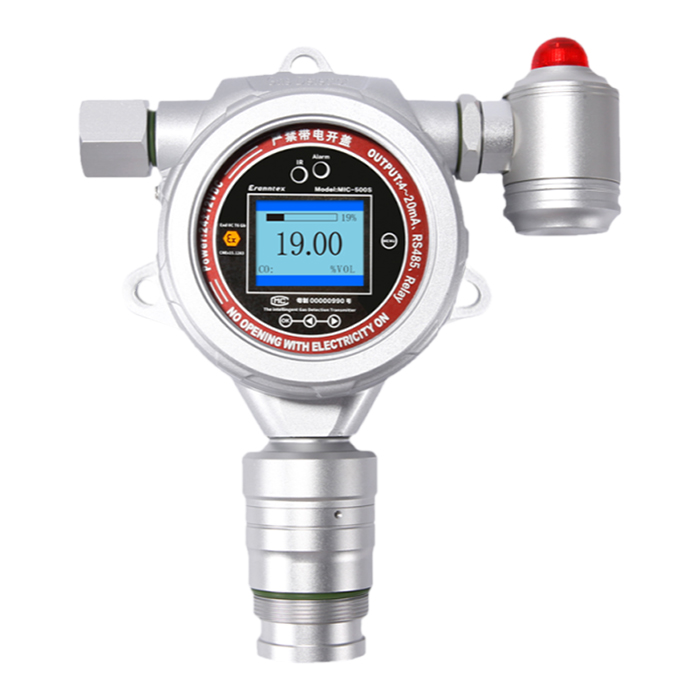
I. Pre-Operation Preparation
Visual Inspection
Before each use, thoroughly inspect the detector's exterior. Check the casing for visible damage, cracks, or deformation, which could compromise the device's sealing and protective properties. Simultaneously, examine the display for scratches or damage to ensure clear presentation of detection data. Also verify button responsiveness and normal device operation.
Battery Check
Press the power button to observe startup. If startup is difficult or the display shows a low battery warning, replace the battery promptly. This device uses rechargeable batteries. Charge using the dedicated charger, ensuring a secure connection between the charger and device. Charge in a dry, well-ventilated environment, avoiding high temperatures or humidity. A full charge enables extended continuous operation, though actual duration varies based on usage conditions and detection frequency.
Sensor Inspection
The sensor is the core component of the Four-in-One Detectors, directly impacting the accuracy of detection results. Inspect the sensor's air inlet for blockages. If foreign matter is present, gently clean it using a clean, soft cloth. Simultaneously, examine the sensor's exterior for stains, corrosion, or other issues. Contact professional maintenance personnel for replacement if severe problems are found.
Calibration Preparation
Regular calibration is essential to ensure the accuracy of detection data. Before calibration, prepare standard gases with concentrations matching the device specifications. Ensure the calibration environment is well-ventilated and free from interfering gases.
II. Operating Procedures
Power-On and Warm-Up
Press and hold the power button for 3–5 seconds to start the device. The display will illuminate. After startup, the device enters a warm-up phase, typically lasting 1–2 minutes. Do not perform any operations during warm-up; allow the device to stabilize.
Mode Selection
The device offers multiple detection modes, such as real-time detection mode and data logging mode. Switch to the desired mode using the buttons based on your needs. In real-time detection mode, the device continuously displays the current concentration of the detected gas. Data logging mode automatically records detection data for subsequent analysis.
Gas Detection
Position the Four-in-One Detectors inlet near the target area to ensure unobstructed gas flow to the sensor. Keep the device steady, avoid shaking, and wait for the gas concentration reading on the display to stabilize. If combustible or toxic gas concentrations exceed safety thresholds, the device will trigger audible and visual alarms. Immediately evacuate the area and implement appropriate safety measures.
Data Viewing and Recording
During real-time detection, monitor data on the display at any time. When using data logging mode, transfer recorded data to a computer or storage device via the device's export interface after detection concludes for detailed analysis and archiving.
III. Post-Operation Maintenance
Cleaning the Device
After completing detection tasks, wipe the device housing with a clean, soft cloth to remove dust and stains. For sensor air inlets, gently blow compressed air to ensure no residual gases or impurities remain.
Storage Requirements
Store the device in a dry, well-ventilated environment free from corrosive gases, avoiding direct sunlight and high temperatures. Additionally, place the device in its dedicated carrying case to prevent impact and damage.
Regular Calibration and Maintenance
Perform regular calibration and maintenance according to the equipment manual. A comprehensive calibration is generally recommended every 3 to 6 months. In harsh operating environments, shorten the calibration interval. If the equipment malfunctions or exhibits abnormalities, do not attempt disassembly or repair yourself. Contact professional maintenance personnel promptly.
Related information
-
How to Calibrate a Portable four-in-one Gas Detectors?
Portable four-in-one gas detectors are core protective equipment in the industrial safety field. However, sensors can experience z...
2026-09-18 -
What are the application scenarios for portable four-in-one gas detectors?
Portable four-in-one gas detectors typically monitor oxygen (O₂), flammable gas (LEL), carbon monoxide (CO), and hydrogen sulfide...
2026-09-16 -

Portable four-in-one Gas Detectors User Manual
The portable four-in-one gas detectors is a core piece of personal protective equipment (PPE) for ensuring the safety of personnel...
2026-09-14 -

Calibration Specifications for Ammonia gas Detectors
Calibration of ammonia gas detectors is a core step in ensuring their measurement accuracy and alarm reliability. However, ammonia...
2026-09-11 -
What is the appropriate installation height for an ammonia gas detectors?
Ammonia (NH₃) has a relative density of only 0.59, much lighter than air. This means that in the event of a leak, the gas will qu...
2026-09-09



 info@eranntexgas.com sale1@eranntexgas.com


 15914124845