
What are the methods to improve the sensitivity of the oxygen detector?
Publication Date:2025/03/26As an indispensable key equipment in modern industrial safety monitoring and production process, the sensitivity of the oxygen detector is directly related to the accuracy and reliability of the test results. Therefore, in order to ensure that the oxygen detector can accurately and timely reflect the oxygen concentration in the environment, and better protect the production safety and personnel health, it is particularly important to improve the sensitivity of the oxygen detector. Do you know how to improve the sensitivity of oxygen detector ? The following is a brief introduction by yiyuntian electronics:

The methods to improve the sensitivity of oxygen detector mainly include the following aspects:
1. Select the Right Sensor
(1) Type selection:
According to the detection requirements of the oxygen detector, select the sensor type suitable for detecting oxygen concentration, such as electrochemical sensor, thermal magnetic sensor, etc.Different types of sensors have differences in sensitivity, response time, stability, etc., and need to be considered when selecting.
(2) Brand and Quality:
Select sensors from well-known brands and reliable quality. These sensors usually have higher sensitivity and better stability, and can provide more accurate detection results for the detection of oxygen detectors.
2. Optimized Environment
Ensure that the ambient temperature and humidity of the oxygen detector are within the working range of the sensor. Extreme or unstable environmental conditions may affect the performance of the sensor, resulting in reduced sensitivity.
(2) Avoid interference:
Place the oxygen detector away from electromagnetic interference sources and chemical substances to reduce the interference of external factors on the performance of the sensor.
3. Regular Calibration and Maintenance
(1) Calibration:
Regularly calibrate the oxygen detector to ensure the accuracy of its measurements. During the calibration process, the standard gas should be used for calibration and the manufacturer's guidelines should be followed.
(2) Maintain:
Clean and maintain the oxygen detector regularly, including cleaning the sensor, checking the connection points, etc. This helps to extend the life of the oxygen detector and maintain its sensitivity.
4. proper handling and storage
(1) Correct operation:
Follow the manufacturer's instructions and operate the oxygen tester correctly. Avoid damage to the instrument or reduced sensitivity due to incorrect operation.
(2) Appropriate storage:
When not in use, store the oxygen detector in a dry, ventilated, non-corrosive atmosphere. Avoid prolonged exposure to extreme temperature conditions, so as not to affect the performance of the sensor.
5. with advanced technology
With the continuous development of science and technology, sensor technology is constantly updated.The use of advanced sensor technology, such as nano-material sensors, smart sensors, etc., can significantly improve the sensitivity of the oxygen detector.
(2) Introduce intelligent algorithms:
By introducing intelligent algorithms to process and analyze sensor data, the sensitivity and accuracy of the oxygen detector can be further improved.
In summary, we can see that improving the sensitivity of the oxygen detector requires a number of aspects, including selecting the right sensor, optimizing the use environment, regular calibration and maintenance, correct operation and storage, and the use of advanced technology. Through the implementation of these measures, not only can improve the accuracy and reliability of the oxygen detector, but also extend its service life and reduce maintenance costs. In the future, with the continuous advancement of science and technology and the continuous development of sensor technology, we have reason to believe that the sensitivity of the oxygen detector will be further improved, providing a more powerful guarantee for industrial safety and personnel health.
Related information
-
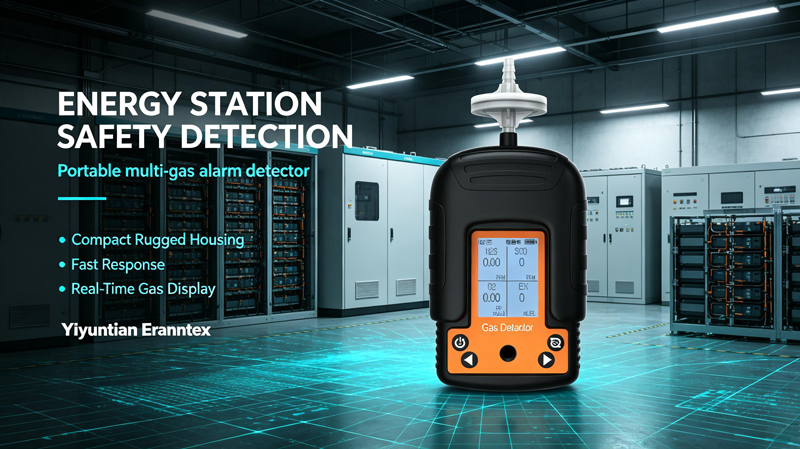
How to Calibrate a Portable four-in-one Gas Detectors?
Portable four-in-one gas detectors are core protective equipment in the industrial safety field. However, sensors can experience z...
2026-09-18 -
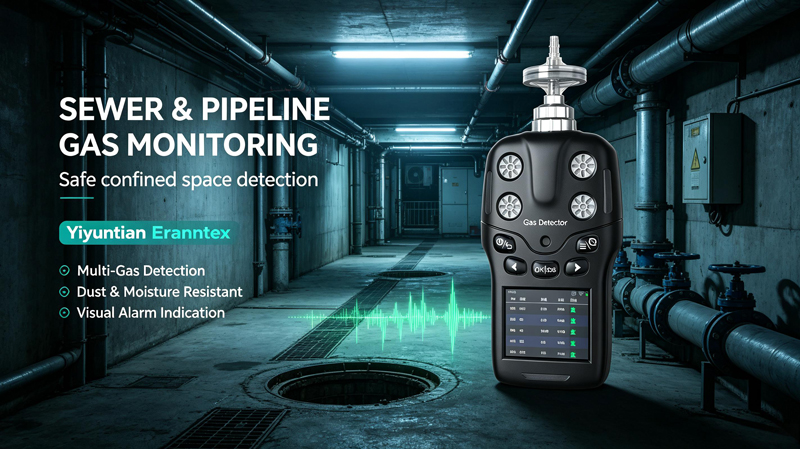
What are the application scenarios for portable four-in-one gas detectors?
Portable four-in-one gas detectors typically monitor oxygen (O₂), flammable gas (LEL), carbon monoxide (CO), and hydrogen sulfide...
2026-09-16 -
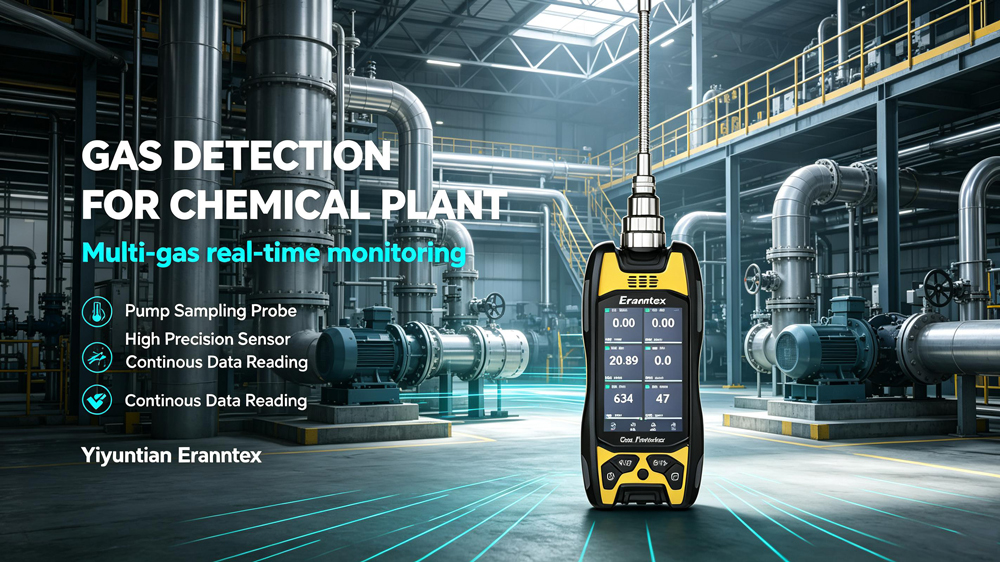
Portable four-in-one Gas Detectors User Manual
The portable four-in-one gas detectors is a core piece of personal protective equipment (PPE) for ensuring the safety of personnel...
2026-09-14 -

Calibration Specifications for Ammonia gas Detectors
Calibration of ammonia gas detectors is a core step in ensuring their measurement accuracy and alarm reliability. However, ammonia...
2026-09-11 -
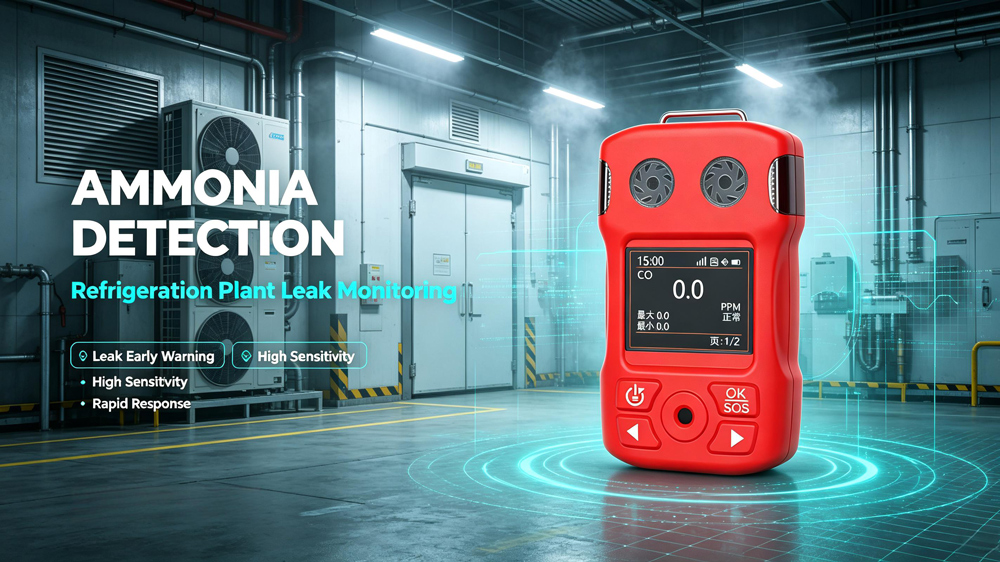
What is the appropriate installation height for an ammonia gas detectors?
Ammonia (NH₃) has a relative density of only 0.59, much lighter than air. This means that in the event of a leak, the gas will qu...
2026-09-09

 info@eranntexgas.com sale1@eranntexgas.com


 15914124845