
How to effectively improve the measurement accuracy of oxygen detector?
Publication Date:2025/03/28Oxygen detector as the core equipment in the field of modern industry, environmental monitoring and medical treatment, the importance of its measurement accuracy is self-evident. These 1 key parameters are not only directly related to the authenticity and reliability of the obtained data, but also the key to measure the level of production safety, the effectiveness of environmental protection and the quality of medical treatment. Do you know how to effectively improve the measurement accuracy of oxygen detector ? The following is a brief introduction by yiyuntian electronics:

Effectively improve the measurement accuracy of the oxygen detector, you can start from the following aspects:
1. high-performance sensors
br>
(1) Adaptability selection:
Select the appropriate sensor according to the type of gas detected (oxygen in this case).Different sensors have different detection accuracy for different gases, so it is very important to choose a sensor dedicated to the oxygen detector.
(2) Quality considerations:
The oxygen detector should choose a sensor with reliable quality and stable performance. High-performance sensors usually have the characteristics of high sensitivity, good selectivity and strong stability, and can provide more accurate measurement results.
2. Optimized Environment
Ensure that the ambient temperature and humidity of the oxygen detector are within the working range of the sensor.Generally, the working environment temperature range of the oxygen detector is between -20 ℃ and 55 ℃, and the humidity range is between 10% and 95% RH (no condensation). The influence of temperature and humidity on the measurement results can be reduced by the method of temperature and humidity compensation.
(2) Gas pressure management:
Ensure that the gas pressure of the oxygen detector is within the appropriate range, usually between 86 and 106kPa. Under different pressure, the concentration of oxygen changes, so it should be calibrated according to the corresponding pressure range.
(3) Avoid interference:
Place the oxygen detector away from electromagnetic interference sources and chemical substances to reduce the interference of external factors on the performance of the sensor.
3. Regular Calibration and Maintenance
(1) Periodic calibration:
Regularly calibrate the oxygen detector to ensure the accuracy of its measurements. During the calibration process, the standard gas should be used for calibration and the manufacturer's guidelines should be followed.If the calibration is still inaccurate, you may need to adjust the calibration parameters or seek professional help.
(2) Routine maintenance:
Clean and maintain the oxygen detector regularly, including cleaning the sensor, checking the connection points, etc. This helps to extend the life of the oxygen detector and maintain its measurement accuracy.
4. proper handling and storage
(1) Correct operation:
Follow the manufacturer's instructions and operate the oxygen tester correctly. Avoid situations where incorrect operation causes damage to the instrument or inaccurate measurements.
(2) Appropriate storage:
When not in use, store the oxygen detector in a dry, ventilated, non-corrosive atmosphere. Avoid prolonged exposure to extreme temperature conditions, so as not to affect the performance of the sensor.
5. Training and Personnel Management
Systematic training and education of operators to familiarize them with the working principles, operating methods and maintenance requirements of the oxygen detector.Through practical operation and case analysis, the operator's ability to judge and analyze the test results is improved.
(2) Personnel management:
Establish comprehensive operating procedures and safety specifications to ensure that the oxygen detector operators can follow the correct operating procedures and safety standards when using the instrument.
In summary, we can see that improving the measurement accuracy of the oxygen detector is a system engineering, it is necessary to take comprehensive measures from the aspects of sensor selection, use environment optimization, regular calibration and maintenance, correct operation and storage, training and personnel management. Through the implementation of these measures, not only can significantly improve the measurement accuracy of the oxygen detector, but also extend its service life, reduce maintenance costs, and provide more accurate and reliable data support for industrial safety, environmental monitoring and medical treatment.
Related information
-
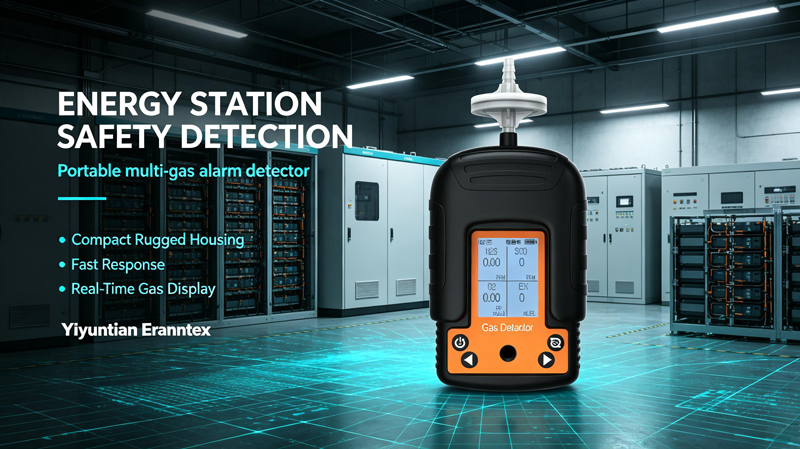
How to Calibrate a Portable four-in-one Gas Detectors?
Portable four-in-one gas detectors are core protective equipment in the industrial safety field. However, sensors can experience z...
2026-09-18 -
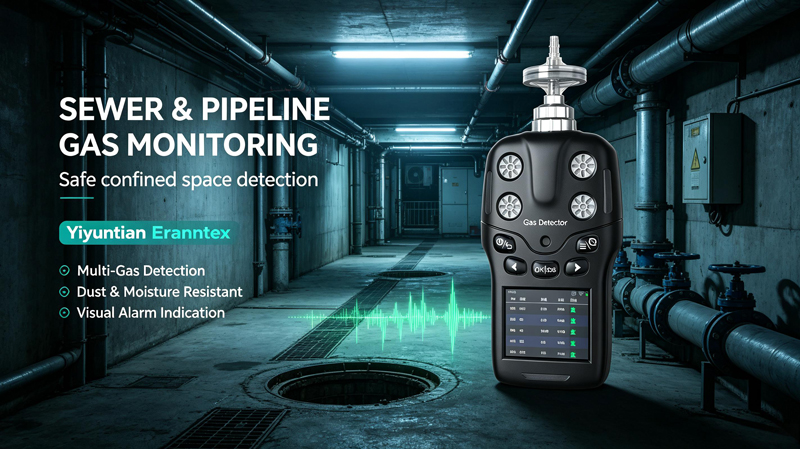
What are the application scenarios for portable four-in-one gas detectors?
Portable four-in-one gas detectors typically monitor oxygen (O₂), flammable gas (LEL), carbon monoxide (CO), and hydrogen sulfide...
2026-09-16 -
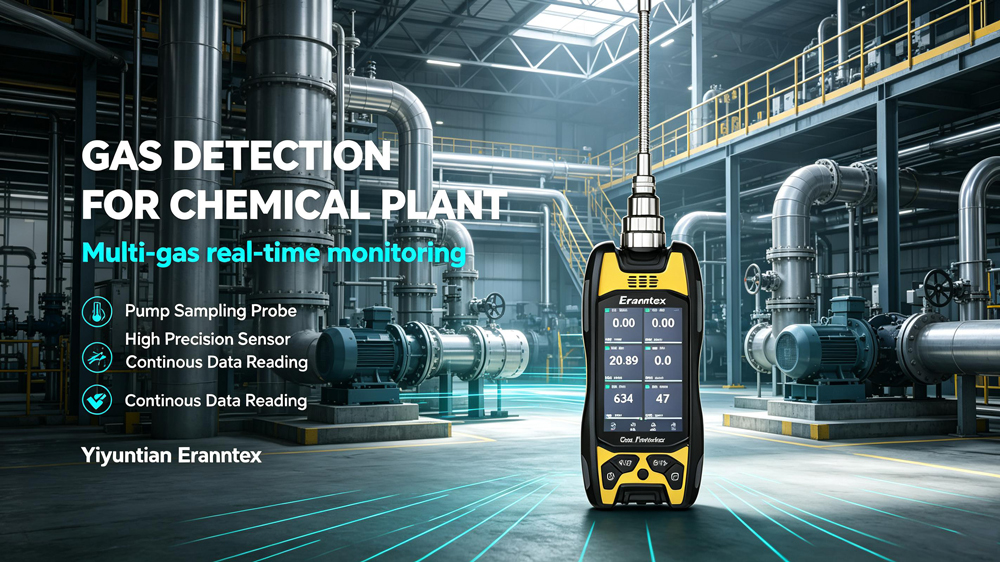
Portable four-in-one Gas Detectors User Manual
The portable four-in-one gas detectors is a core piece of personal protective equipment (PPE) for ensuring the safety of personnel...
2026-09-14 -

Calibration Specifications for Ammonia gas Detectors
Calibration of ammonia gas detectors is a core step in ensuring their measurement accuracy and alarm reliability. However, ammonia...
2026-09-11 -
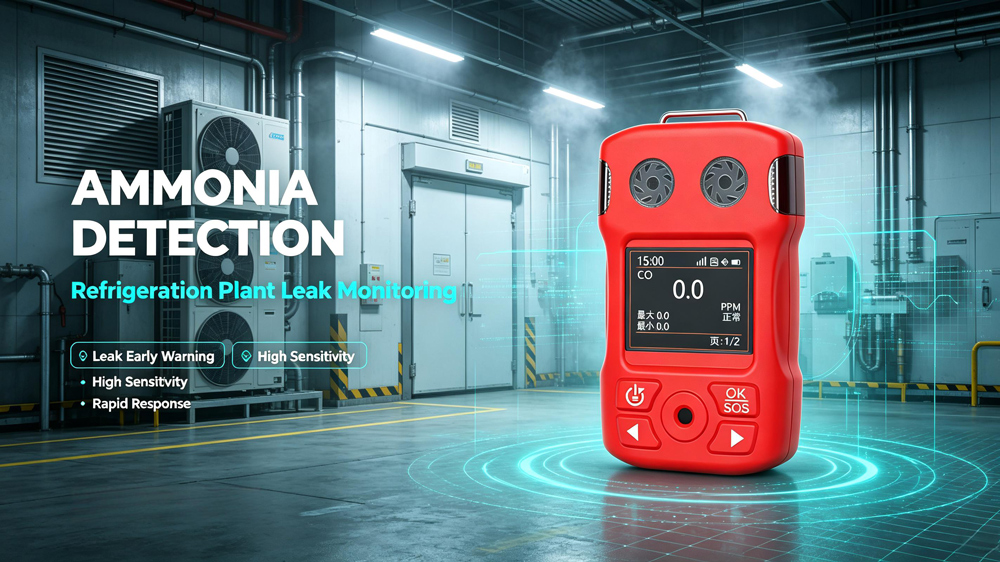
What is the appropriate installation height for an ammonia gas detectors?
Ammonia (NH₃) has a relative density of only 0.59, much lighter than air. This means that in the event of a leak, the gas will qu...
2026-09-09
 info@eranntexgas.com sale1@eranntexgas.com


 15914124845