
What Types of Gases Can Combustible Gas Detectors Detect?
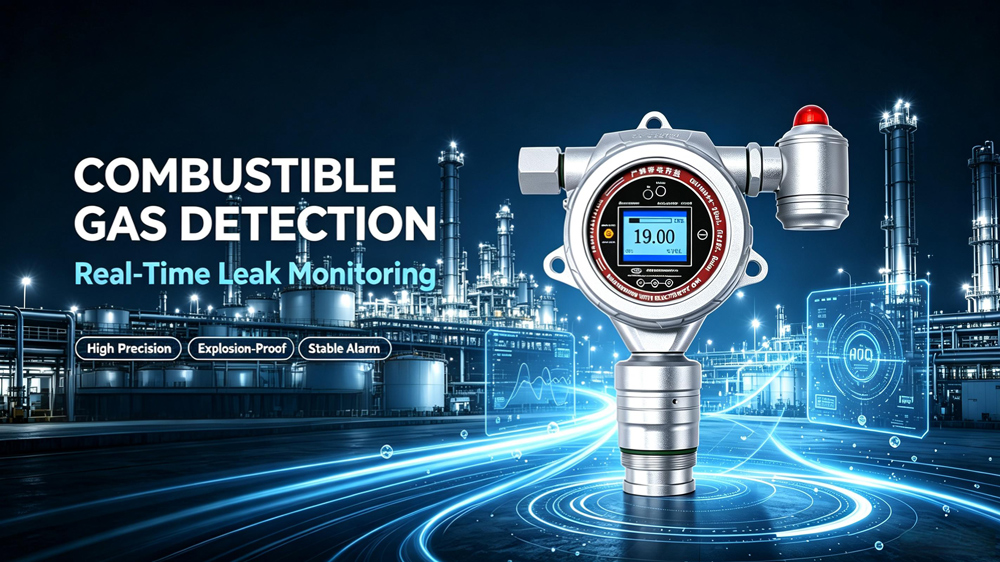
Publication Date:2025/10/13In today's globalized industrial and living environments, combustible gas detectors play an indispensable role as critical safety equipment. For professionals across numerous industries and the general public, understanding the types of gases these detectors can detect is a vital prerequisite for ensuring workplace and personal safety. Below, the yiyuntian Eranntex editorial team provides a detailed overview.
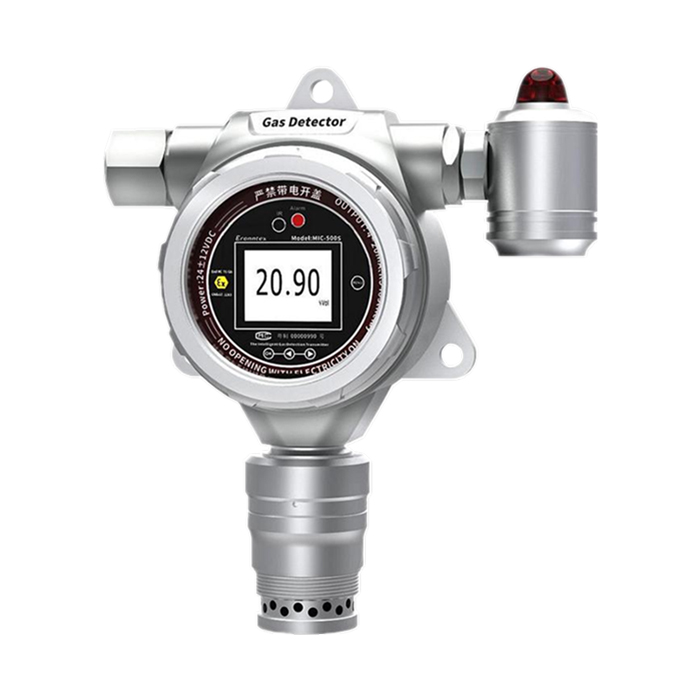
Common Hydrocarbon Gases
Hydrocarbon gases are among the primary targets for combustible gas detectors. Take methane (CH₄) as an example—the main component of natural gas, it is widely used in home heating, cooking, and industrial power generation. In coal mining, methane accumulation poses a significant safety hazard. Once concentrations reach explosive limits, exposure to open flames can trigger violent explosions, resulting in severe casualties and property damage. Flammable gas detectors can precisely measure methane levels in the air. When concentrations exceed preset safety thresholds, they promptly trigger alarms, alerting personnel to take measures such as ventilation or evacuation.
Propane (C₃H₈) and butane (C₄H₁₀) are also common hydrocarbon flammable gases. Propane is frequently used in outdoor barbecues, industrial cutting, and welding applications, while butane is commonly found in lighter fuel and portable heating devices. If leaks of these gases go undetected and unaddressed, they can readily trigger fires or explosions. Equipped with highly sensitive sensors, combustible gas detectors swiftly detect minute changes in propane and butane levels in the environment, providing reliable safety assurance for users.
Common Industrial Combustible Gases
In industrial production, numerous specific combustible gases require strict monitoring. Hydrogen (H₂), as a clean energy source, finds extensive applications in chemical, electronics, and metallurgical industries. However, hydrogen possesses an extremely low lower explosive limit (LEL), capable of triggering explosions even at low concentrations in air. Therefore, installing combustible gas detectors is an essential safety measure in facilities involving hydrogen production, storage, and use. These detectors monitor hydrogen concentrations in real time, ensuring production processes remain within safe limits.
While carbon monoxide (CO) is not a typical hydrocarbon combustible gas, it possesses flammability and is generated in numerous industrial processes. For instance, significant CO emissions occur during incomplete coal combustion and steel smelting. Colorless and odorless, inhaling carbon monoxide causes poisoning and can be life-threatening in severe cases. Combustible gas detectors not only identify the flammability risk of CO but also, when paired with specialized CO sensors, provide precise concentration measurements and timely alerts to protect personnel safety.
Combustible Gases in Special Environments
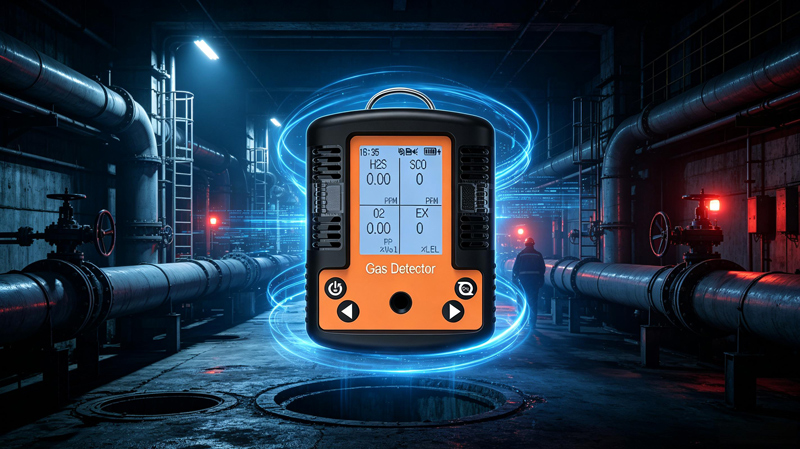
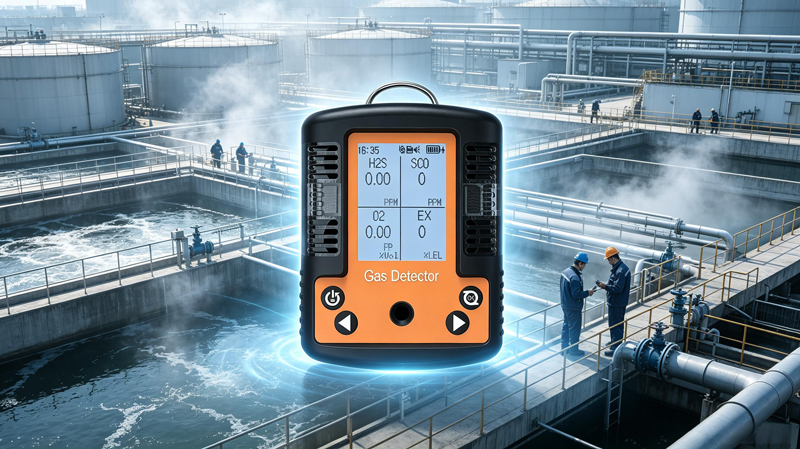
Certain unique combustible gases require detection in specific environments. For instance, facilities like sewage treatment plants and landfills generate toxic combustible gases such as hydrogen sulfide (H₂S). Hydrogen sulfide emits a pungent rotten-egg odor and poses significant hazards to the respiratory tract and nervous system. Combustible gas detectors can withstand these harsh environments, accurately measuring hydrogen sulfide concentrations to prevent poisoning and explosion incidents caused by gas leaks.
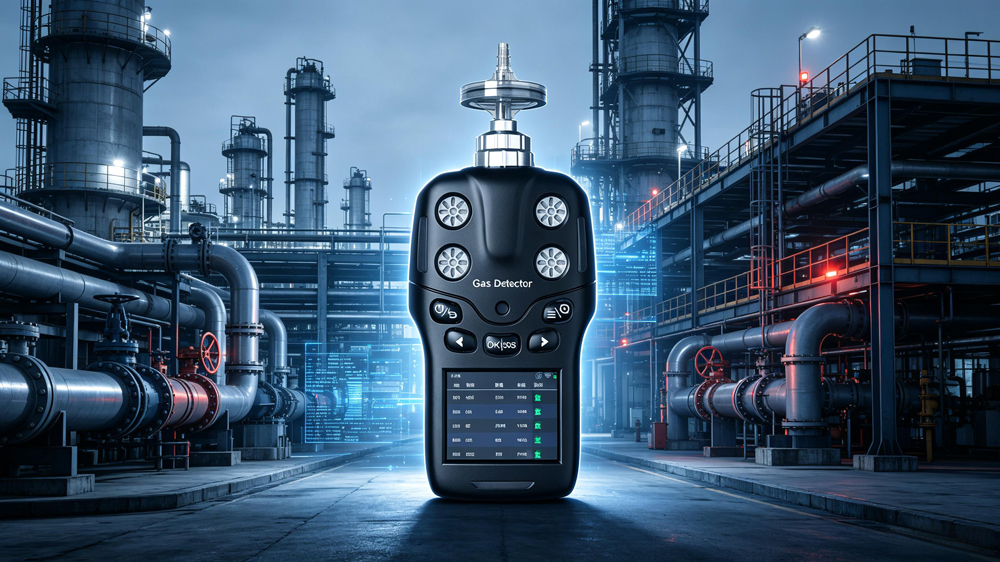
Furthermore, in the petrochemical industry, olefin gases like ethylene (C₂H₄) and propylene (C₃H₆) are common combustible gases. Leaks during production, transportation, or storage of these gases pose serious safety hazards. Combustible gas detectors, equipped with advanced detection technology, can effectively monitor these olefin gases, ensuring the safe and stable operation of petrochemical production.
In summary, combustible gas detectors can detect a wide range of gas types, covering common hydrocarbon gases, industrial combustible gases, and gases in special environments. Whether in homes, factories, or other locations, the proper selection and use of combustible gas detectors, along with timely detection and handling of gas leaks, are crucial for safeguarding lives and property. With continuous technological advancements, the performance of combustible gas detectors will continue to improve, providing people with more reliable safety assurance.
Related information
-
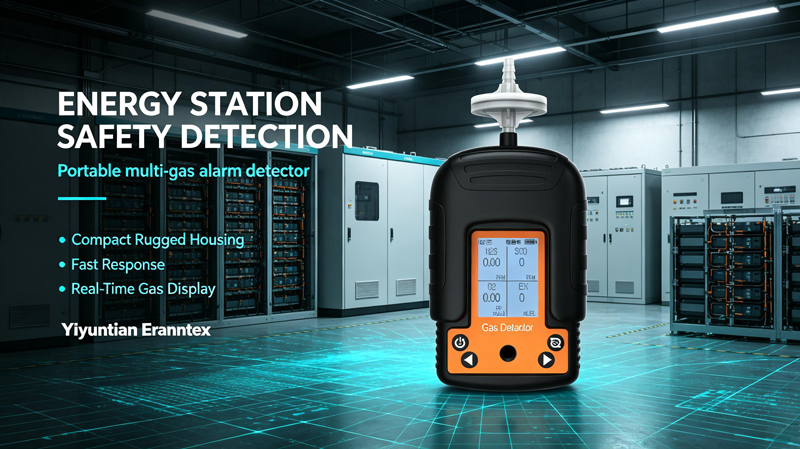
How to Calibrate a Portable four-in-one Gas Detectors?
Portable four-in-one gas detectors are core protective equipment in the industrial safety field. However, sensors can experience z...
2026-09-18 -
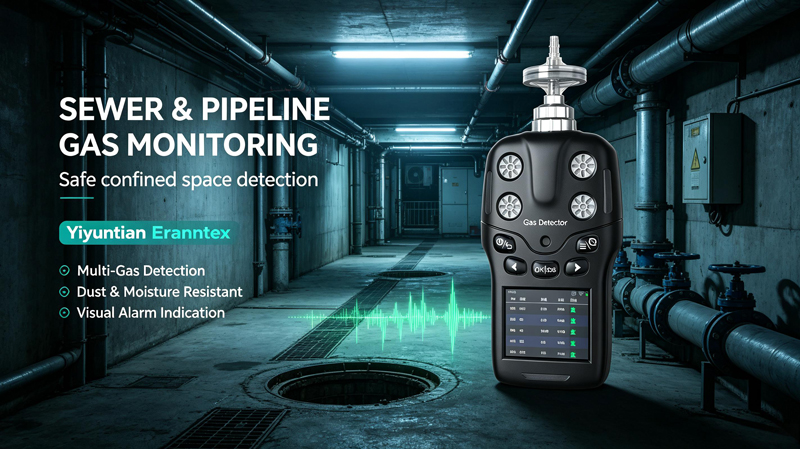
What are the application scenarios for portable four-in-one gas detectors?
Portable four-in-one gas detectors typically monitor oxygen (O₂), flammable gas (LEL), carbon monoxide (CO), and hydrogen sulfide...
2026-09-16 -
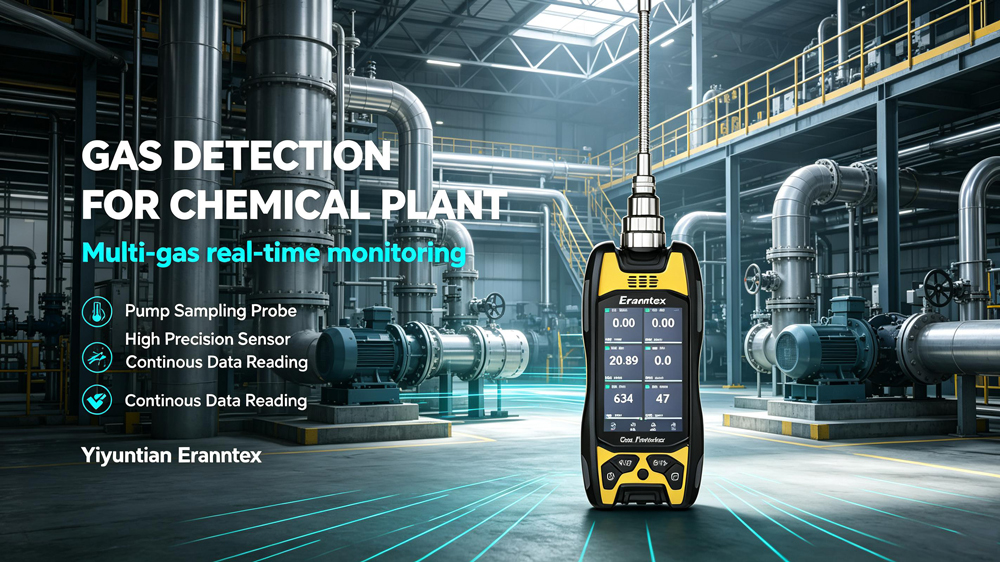
Portable four-in-one Gas Detectors User Manual
The portable four-in-one gas detectors is a core piece of personal protective equipment (PPE) for ensuring the safety of personnel...
2026-09-14 -

Calibration Specifications for Ammonia gas Detectors
Calibration of ammonia gas detectors is a core step in ensuring their measurement accuracy and alarm reliability. However, ammonia...
2026-09-11 -
What is the appropriate installation height for an ammonia gas detectors?
Ammonia (NH₃) has a relative density of only 0.59, much lighter than air. This means that in the event of a leak, the gas will qu...
2026-09-09
 info@eranntexgas.com sale1@eranntexgas.com


 15914124845