
The Importance of Combustible Gas Detectors in Safety
Publication Date:2025/10/14In today's world of accelerating industrialization and increasingly diverse living environments, safety remains a core element that cannot be overlooked across all sectors. As a critical safety device, combustible gas detectors play an irreplaceable role in safeguarding lives and property, with their importance highlighted at multiple levels. Below, the yiyuntian Eranntex editorial team summarizes the significance of combustible gas detectors in safety.
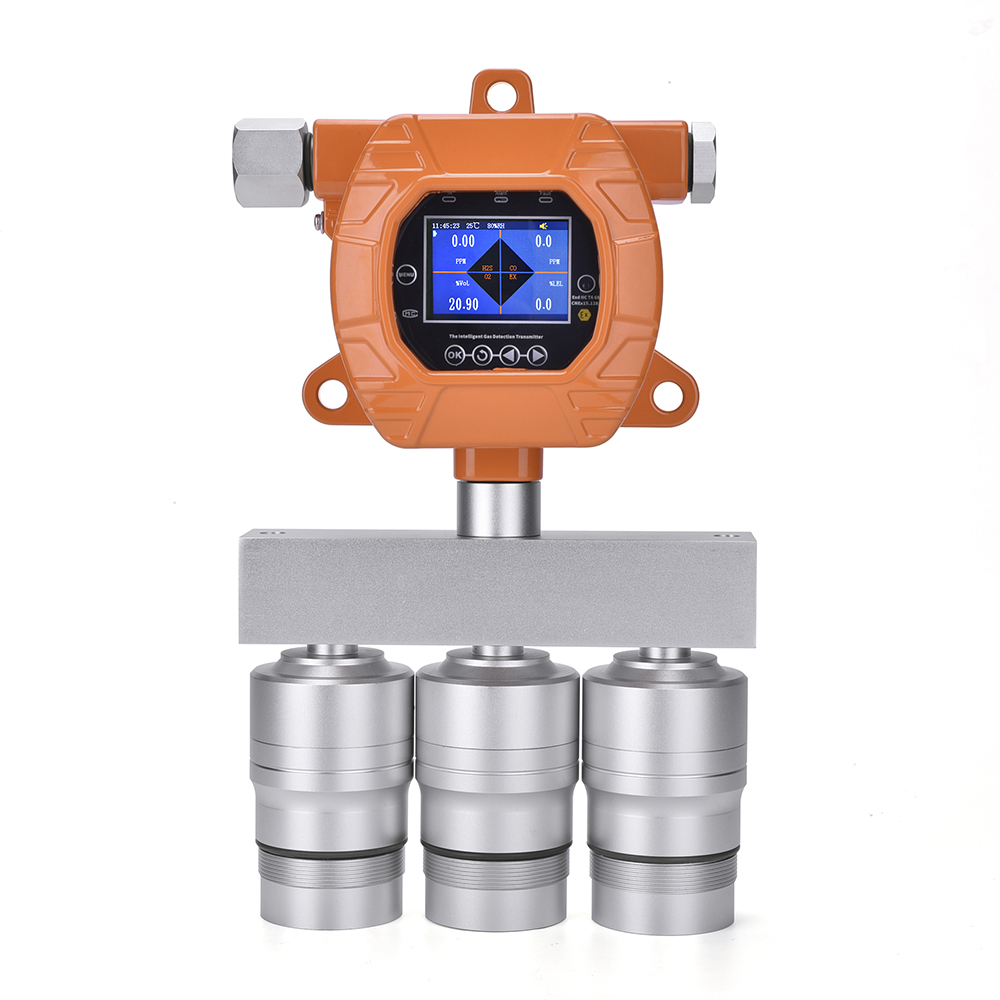
Guardians of Safety in Industrial Production
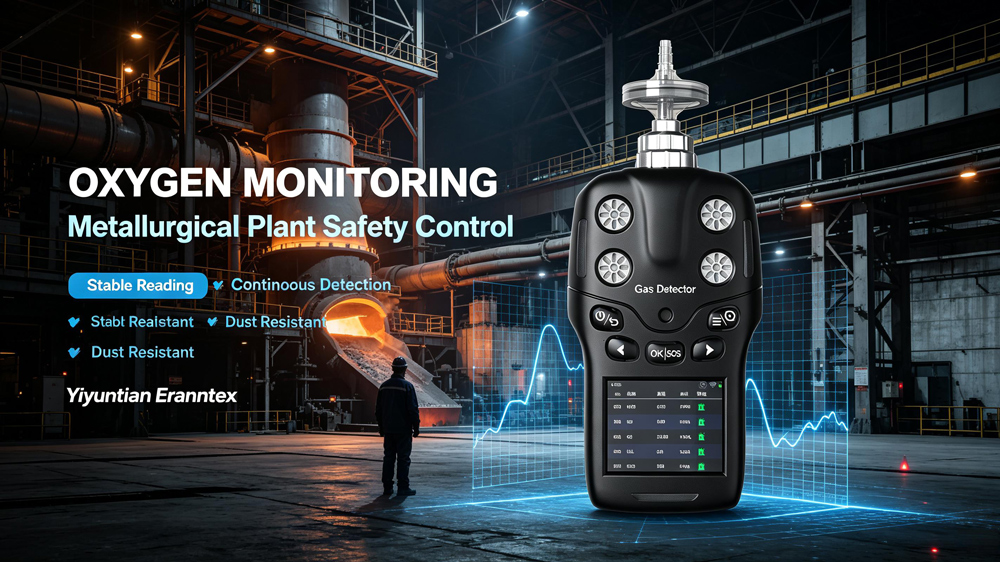
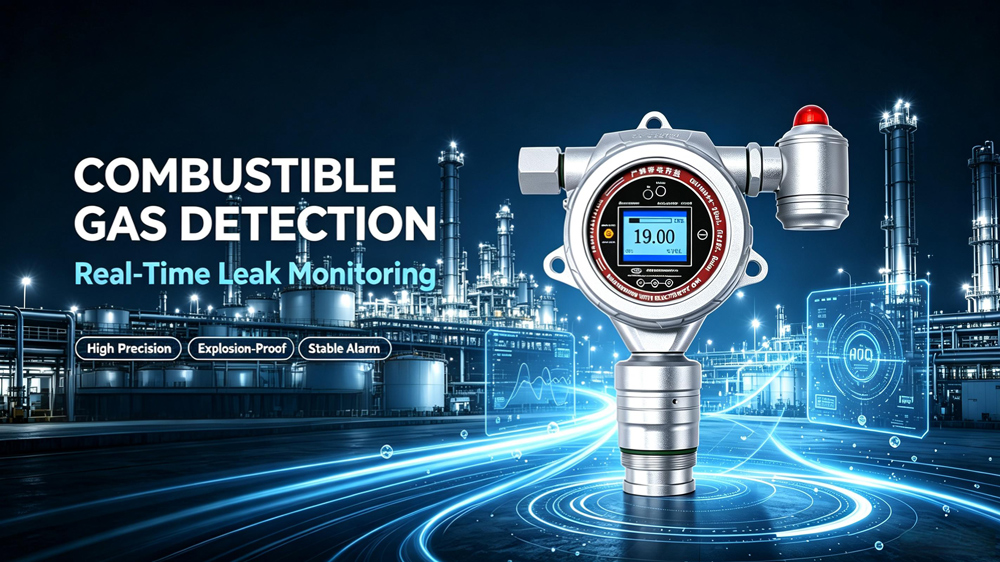
Industrial settings are high-frequency locations for the use and generation of combustible gases, spanning numerous sectors including petrochemicals, coal mining, and metal smelting. Take the petrochemical industry as an example: during refining and chemical production processes, large quantities of flammable and explosive gases like methane, ethylene, and propane are used and generated. Should these gases leak and mix with air to reach a certain concentration range, encountering an ignition source could trigger violent explosions and fires, causing devastating destruction.
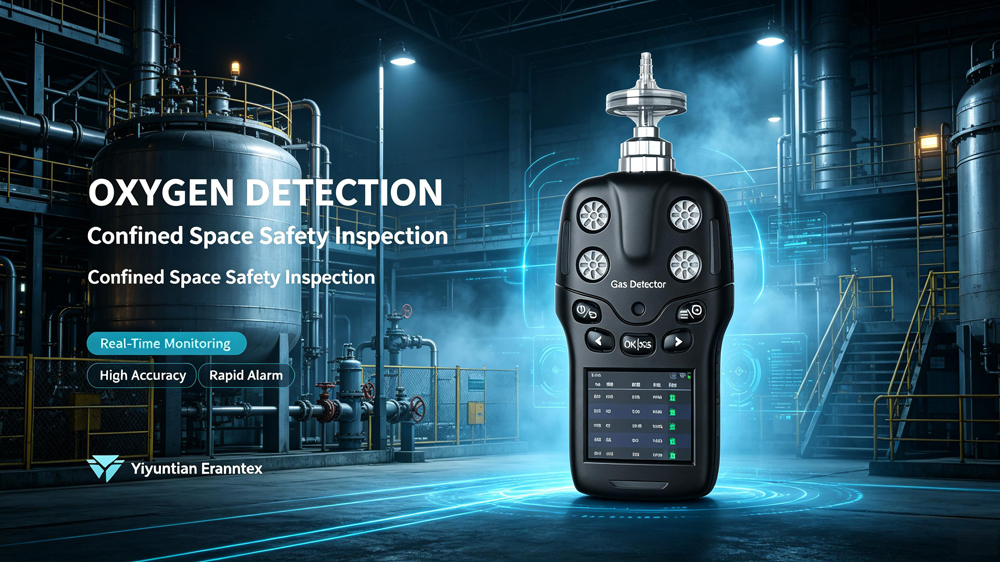
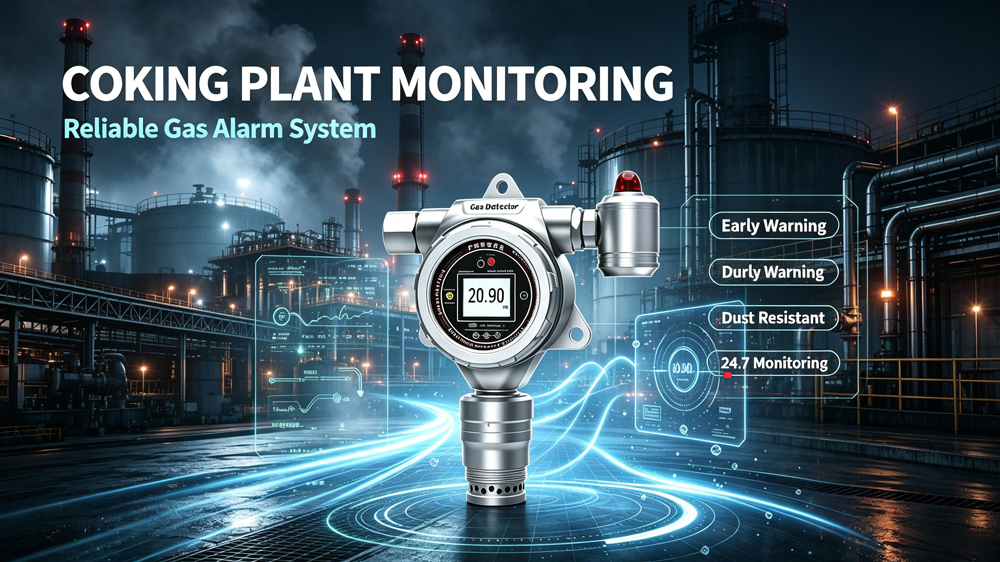
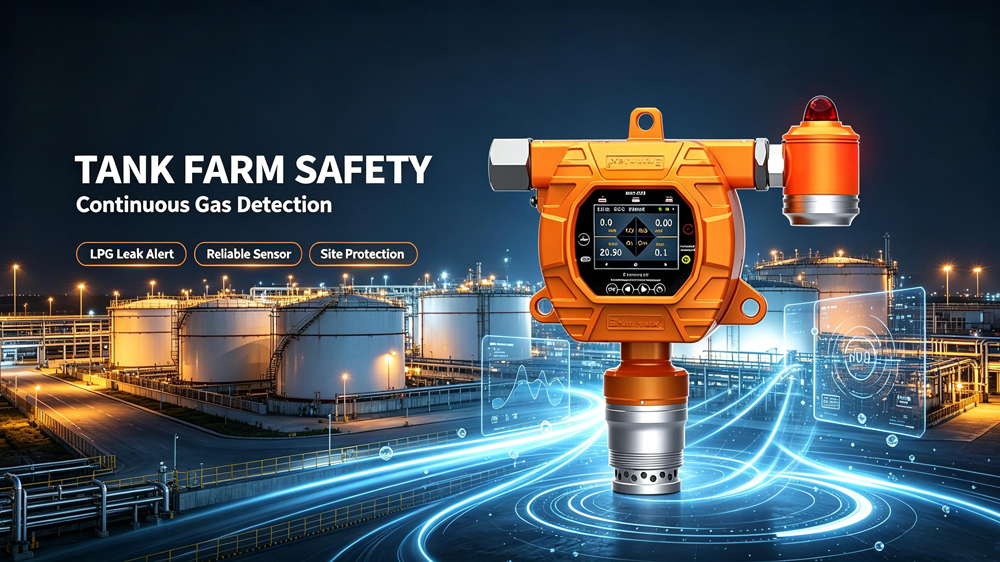
Flammable gas detectors serve as the “safety guardians” of industrial production, providing real-time, precise monitoring of combustible gas concentrations in the environment. When gas levels approach or reach hazardous thresholds, the detectors immediately trigger alarms, alerting personnel to take emergency measures such as halting operations, shutting off gas sources, and enhancing ventilation. This effectively prevents explosions and fire incidents. For instance, after installing an advanced combustible gas detection system, a large refinery successfully preempted multiple potential gas leak incidents. This prevented possible casualties and substantial property damage while ensuring continuous and stable production.
Safety Assurance in Commercial Premises
Commercial spaces like restaurants, hotels, and shopping malls frequently use combustible gases—natural gas for cooking, liquefied petroleum gas for heating, and so on. These densely populated areas face catastrophic consequences if a combustible gas leak triggers an accident.
In restaurants, frequent use of gas stoves combined with aging or poorly sealed pipelines increases leakage risks. Detectors installed in critical areas like kitchens continuously monitor gas concentrations. Upon detecting anomalies, they immediately trigger audible and visual alarms, prompting staff and patrons to evacuate. Simultaneously, detectors can integrate with automatic shut-off devices. Upon detecting danger, these systems automatically close gas valves to halt further leakage, buying critical time for evacuation and rescue efforts. A well-known restaurant chain, after implementing combustible gas detectors, has repeatedly detected and addressed gas leaks promptly, preventing potential fires and explosions while safeguarding the lives of customers and staff.
Environmental Protection and Sustainable Development
Flammable gas leaks not only pose safety risks but also cause environmental pollution. Certain gases like methane are potent greenhouse gases with a global warming potential exceeding that of carbon dioxide. Significant methane releases into the atmosphere exacerbate global warming.
The application of combustible gas detectors helps reduce such leaks, thereby minimizing negative environmental impacts. By promptly detecting and addressing leaks, greenhouse gas emissions can be reduced, promoting environmental protection and sustainable development. Many countries and regions have recognized this, enacting relevant regulations and standards requiring the installation of combustible gas detectors in locations prone to gas leaks to achieve dual goals of safety and environmental protection.
Flammable gas detectors hold irreplaceable importance across industrial production, commercial facilities, residential settings, and environmental protection. As critical equipment for ensuring safety, preventing accidents, and safeguarding the environment, they deserve our utmost attention and widespread adoption.
Related information
-
How to Calibrate a Portable four-in-one Gas Detectors?
Portable four-in-one gas detectors are core protective equipment in the industrial safety field. However, sensors can experience z...
2026-09-18 -
What are the application scenarios for portable four-in-one gas detectors?
Portable four-in-one gas detectors typically monitor oxygen (O₂), flammable gas (LEL), carbon monoxide (CO), and hydrogen sulfide...
2026-09-16 -
Portable four-in-one Gas Detectors User Manual
The portable four-in-one gas detectors is a core piece of personal protective equipment (PPE) for ensuring the safety of personnel...
2026-09-14 -

Calibration Specifications for Ammonia gas Detectors
Calibration of ammonia gas detectors is a core step in ensuring their measurement accuracy and alarm reliability. However, ammonia...
2026-09-11 -
What is the appropriate installation height for an ammonia gas detectors?
Ammonia (NH₃) has a relative density of only 0.59, much lighter than air. This means that in the event of a leak, the gas will qu...
2026-09-09
 info@eranntexgas.com sale1@eranntexgas.com


 15914124845