
How to Calibrate Your Combustible Gas Detectors for Accuracy
Publication Date:2025/10/15In industrial safety, environmental monitoring, and numerous scenarios involving combustible gas usage, combustible gas detectors serve as critical equipment for safeguarding lives and property. Their accuracy directly determines the ability to promptly identify potential hazards and prevent severe accidents such as explosions and fires. Therefore, regular and proper calibration of combustible gas detectors is paramount. Below, the Yiyuntian Eranntex team will detail the methods and steps for calibrating combustible gas detectors to ensure accuracy.
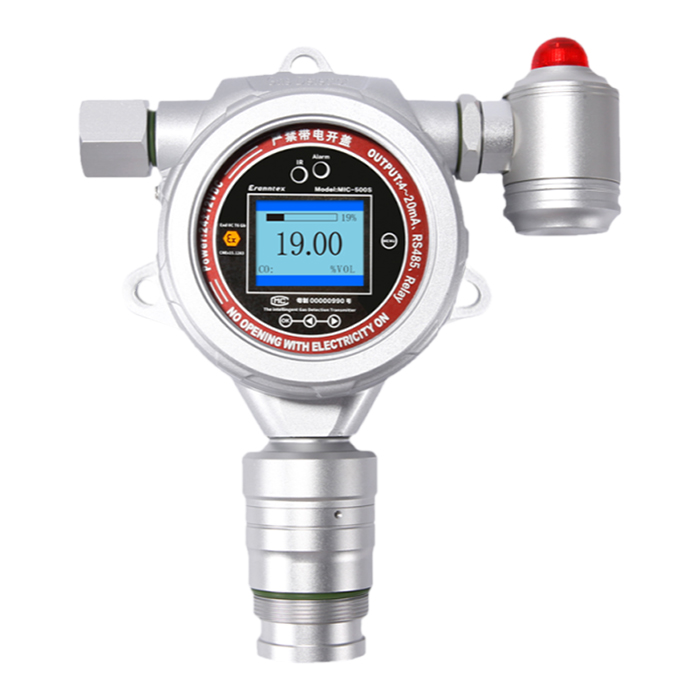
I. Preliminary Preparation
1. Understand Device Specifications
Before calibration, thoroughly review the gas detector's user manual. Different models and brands may vary in calibration procedures, gas requirements, and operational details. Identify the device's measurement range—the minimum and maximum detectable concentrations of combustible gases—as this is critical for selecting appropriate calibration gases. Additionally, determine whether the device supports manual or automatic calibration to prepare accordingly.
2. Prepare Calibration Gas
Select standard calibration gas matching the gas type detected by the instrument. For example, if the detector primarily monitors methane, prepare methane standard gas with a known concentration. The calibration gas concentration must be accurate and reliable. Typically, choose a concentration close to the midpoint of the detector's measurement range to more effectively evaluate and adjust the detector's accuracy. Additionally, ensure the calibration gas is within its expiration date and stored under specified conditions to maintain concentration stability.
3. Prepare Calibration Tools
Prepare the appropriate tools based on the device's calibration method. For manual calibration, a flow meter may be required to control the flow rate of calibration gas entering the detector, ensuring stable flow that meets device specifications. Additionally, prepare hoses, connectors, and other accessories for linking the calibration gas to the detector. Ensure all connections are secure to prevent gas leaks that could compromise calibration results.
II. Calibration Steps
1. Zero Calibration
Place the combustible gas detector in clean air, ensuring no combustible gases or other interfering substances are present. Follow the device manual's operating steps to enter zero calibration mode. Typically, this may require long-pressing a specific button or navigating through menu options. During zero calibration, the detector measures the current ambient gas concentration and records it as the zero reference point. Wait for the calibration completion prompt; this process may take several minutes. The purpose of zero calibration is to eliminate environmental factors affecting measurement results, ensuring the detector displays zero when no combustible gas is present.
2. Span Calibration
Connect the calibration gas to the detector. Open the calibration gas valve and use a flow meter to control the gas entering the detector at a steady flow rate. The flow rate must be strictly set according to the device manual, typically ranging from several hundred milliliters to several liters per minute. Once the detector displays a stable gas concentration reading, compare it with the actual concentration of the calibration gas. If the reading deviates from the actual concentration, span calibration adjustment is required. Utilize the device's calibration function to input the actual concentration value of the calibration gas. The detector will automatically adjust its internal parameters to align the measurement result with the actual concentration.
3. Post-Calibration Verification and Documentation
1. Verifying Calibration Results
After calibration, verification is required to ensure accuracy. Test with another standard gas of known concentration to observe whether the detector's measurement results are precise. If verification results meet requirements, calibration is successful; if deviations persist, recalibration may be necessary.
2. Recording Calibration Information
Maintain detailed records for each calibration, including the date, calibration gas concentration, calibration results, and operator information. These records are crucial for tracking detector performance changes, determining the next calibration schedule, and conducting traceability investigations in case of safety incidents. Store records securely for easy access.
Regular calibration of combustible gas detectors is essential for ensuring their reliable operation. Through rigorous preparation, standardized calibration procedures, and subsequent verification and documentation, detectors can consistently provide accurate gas concentration readings, safeguarding workplace and living environment safety.
Related information
-
How to Calibrate a Portable four-in-one Gas Detectors?
Portable four-in-one gas detectors are core protective equipment in the industrial safety field. However, sensors can experience z...
2026-09-18 -
What are the application scenarios for portable four-in-one gas detectors?
Portable four-in-one gas detectors typically monitor oxygen (O₂), flammable gas (LEL), carbon monoxide (CO), and hydrogen sulfide...
2026-09-16 -
Portable four-in-one Gas Detectors User Manual
The portable four-in-one gas detectors is a core piece of personal protective equipment (PPE) for ensuring the safety of personnel...
2026-09-14 -

Calibration Specifications for Ammonia gas Detectors
Calibration of ammonia gas detectors is a core step in ensuring their measurement accuracy and alarm reliability. However, ammonia...
2026-09-11 -
What is the appropriate installation height for an ammonia gas detectors?
Ammonia (NH₃) has a relative density of only 0.59, much lighter than air. This means that in the event of a leak, the gas will qu...
2026-09-09
 info@eranntexgas.com sale1@eranntexgas.com


 15914124845