
Combustible Gas Detectors: Your First Line of Defense
Publication Date:2025/10/31In today's society, whether in cosy domestic settings, bustling industrial environments, or challenging outdoor work zones, combustible gas leaks pose an invisible threat akin to a ticking time bomb, constantly endangering lives and property. Combustible gas detectors serve as our first robust line of defence against this latent peril.
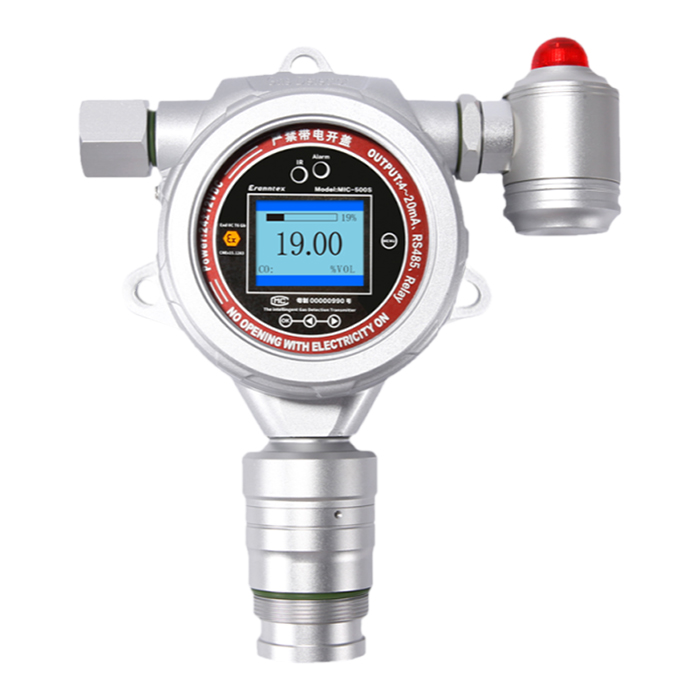
The Invisible Guardian in the Home
For most households, safety forms the bedrock of a contented life. The kitchen, as the primary area for gas usage, is a high-risk zone for combustible gas leaks. Imagine this scenario: whilst you are busily preparing dinner, a minor leak occurs in a gas pipe due to ageing or accidental impact. As gas is colourless and odourless, detecting it promptly proves extremely difficult. This is precisely where the combustible gas detector plays a crucial role.
Like an unwavering guardian, it monitors the concentration of combustible gases in the air around the clock. Should it detect gas levels exceeding safe thresholds, the detector immediately emits a piercing alarm. Some advanced models can also send real-time alerts via mobile applications, ensuring you are notified of the danger instantly—whether you are in any corner of your home or even away. You can swiftly take action—such as shutting off gas valves and opening windows for ventilation—to prevent further accumulation that could trigger explosions or fires. This safeguards your family from harm, preserving the warmth and tranquillity of your home.
The Safety Guardian in Industrial Settings
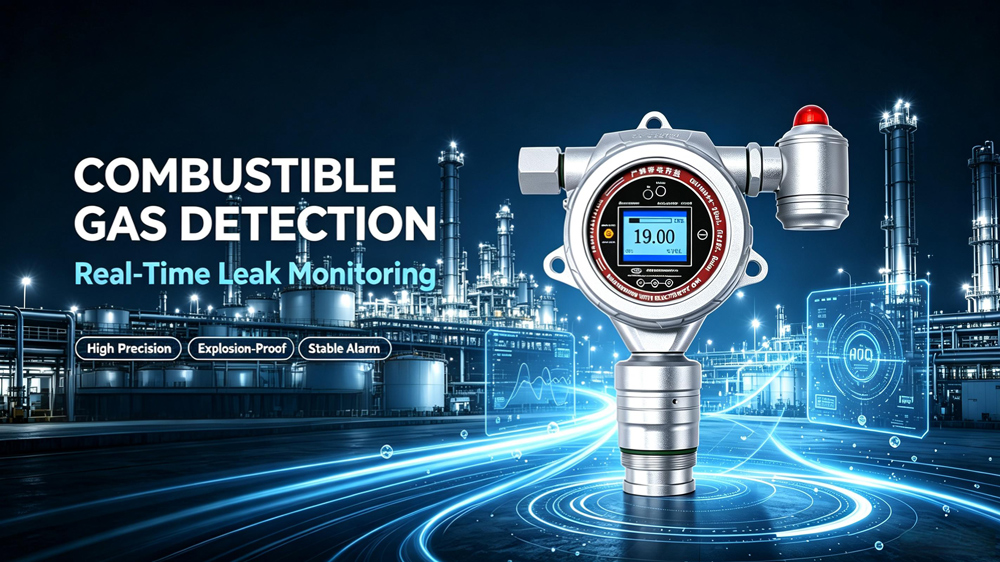
In industrial production, combustible gas detectors are indispensable safety equipment. Numerous sectors—including petrochemicals, natural gas extraction, and coating operations—involve the extensive use and storage of flammable and explosive gases. Should a combustible gas leak occur in these settings, the consequences would be catastrophic, potentially triggering large-scale explosions and fires that could result in severe casualties and substantial economic losses.
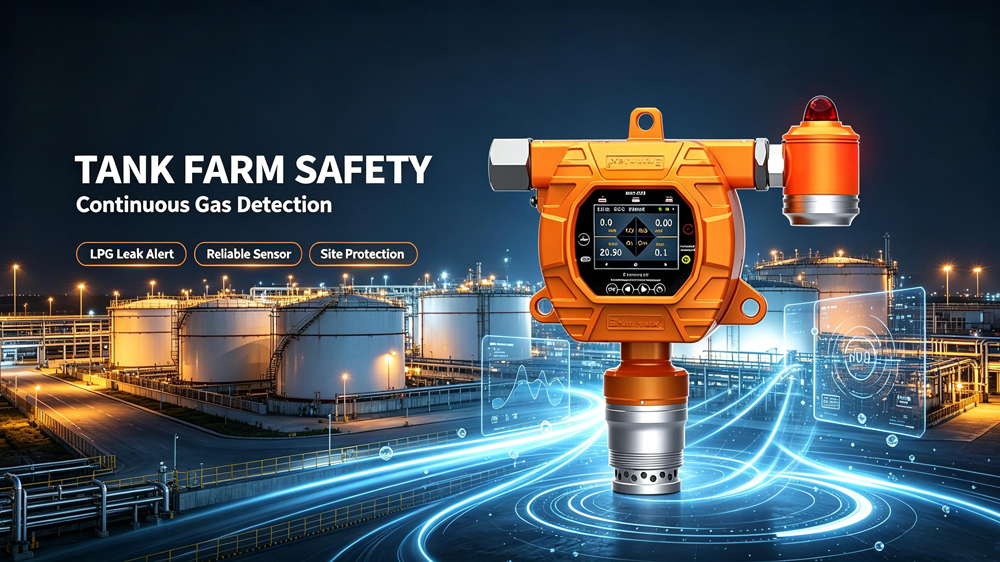
Take petrochemical enterprises as an example: their production processes generate and store various combustible gases, such as methane, ethane, and hydrogen. Detectors are installed at critical locations including storage tank areas, pipeline valves, and production workshops. They continuously monitor gas concentrations and transmit data to central control rooms. Upon detecting abnormal levels, the system automatically triggers alarms while initiating emergency protocols—such as isolating gas sources and activating fire suppression systems. These detectors serve as vigilant sentinels, maintaining round-the-clock vigilance to safeguard industrial safety and ensure uninterrupted operations.
Safety Assurance for Outdoor Operations
For certain outdoor tasks, such as field exploration, gas pipeline installation and maintenance, the working environment is complex and variable, presenting a relatively high risk of combustible gas leaks. In these scenarios, portable combustible gas detectors become indispensable tools for personnel.
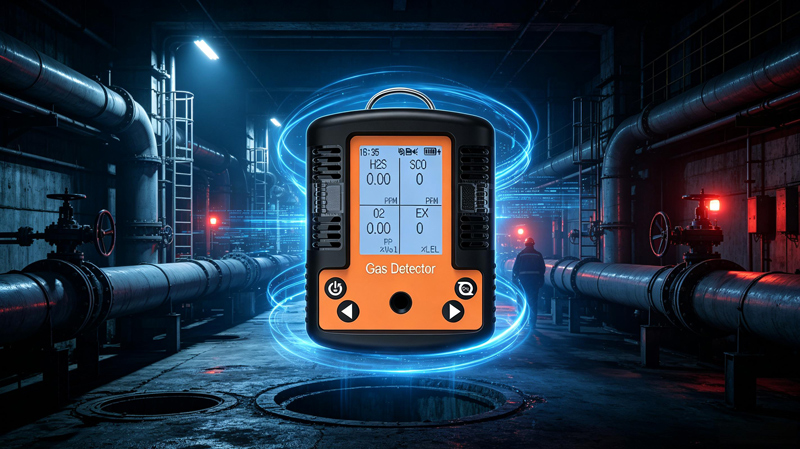
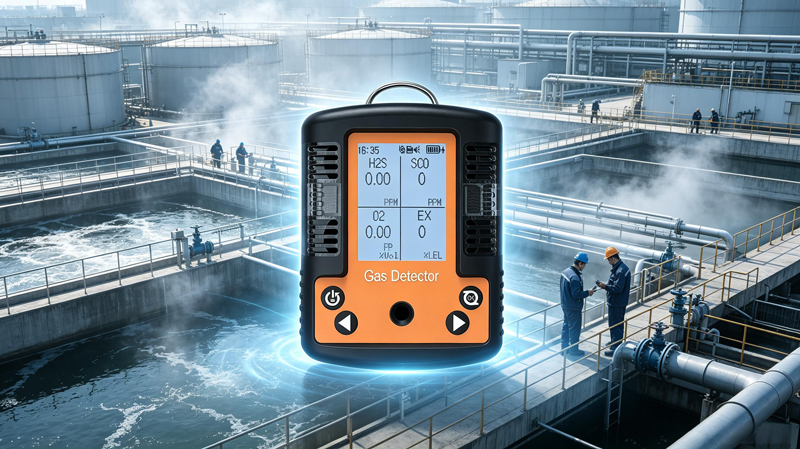
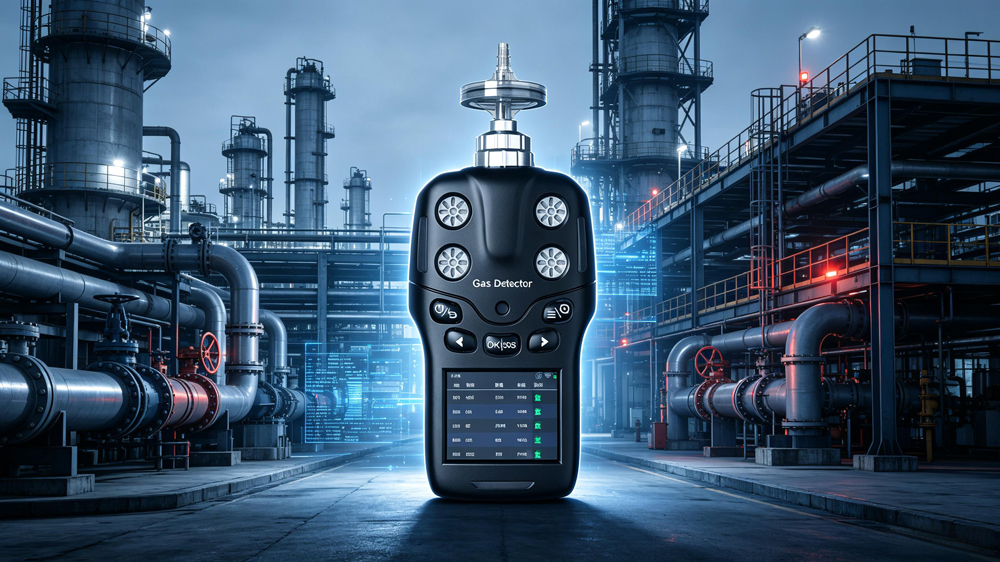
Operators can carry detectors with them, continuously monitoring ambient gas concentrations during tasks. Should an alarm sound, personnel can immediately halt operations, evacuate to safe zones, and implement appropriate countermeasures. For instance, at gas pipeline construction sites, detectors alerting to leaks near pipelines enable swift leak localisation and repairs, preventing accidents and safeguarding personnel and teams.
Proper Selection and Maintenance
To ensure combustible gas detectors fulfil their safety role effectively, correct selection and regular maintenance are paramount. When choosing a detector, select the appropriate type and sensitivity based on the characteristics and requirements of the usage location. For instance, domestic use may opt for detectors that are simple to operate and reasonably priced; industrial settings require products with high precision, reliability, and explosion-proof capabilities.
Concurrently, detectors must undergo regular calibration and testing to guarantee measurement accuracy and alarm functionality. Professional calibration is generally recommended every six months to one year. Additionally, installation locations should be carefully considered, avoiding poorly ventilated, damp areas or sites with strong electromagnetic interference to prevent operational disruption.
Flammable gas detectors serve as indispensable safety companions in our daily lives, silently safeguarding our homes, workplaces, and outdoor activities. Let us recognise their importance, employ them correctly, and maintain them diligently to fortify this vital first line of defence.
Related information
-
How to Calibrate a Portable four-in-one Gas Detectors?
Portable four-in-one gas detectors are core protective equipment in the industrial safety field. However, sensors can experience z...
2026-09-18 -
What are the application scenarios for portable four-in-one gas detectors?
Portable four-in-one gas detectors typically monitor oxygen (O₂), flammable gas (LEL), carbon monoxide (CO), and hydrogen sulfide...
2026-09-16 -
Portable four-in-one Gas Detectors User Manual
The portable four-in-one gas detectors is a core piece of personal protective equipment (PPE) for ensuring the safety of personnel...
2026-09-14 -

Calibration Specifications for Ammonia gas Detectors
Calibration of ammonia gas detectors is a core step in ensuring their measurement accuracy and alarm reliability. However, ammonia...
2026-09-11 -
What is the appropriate installation height for an ammonia gas detectors?
Ammonia (NH₃) has a relative density of only 0.59, much lighter than air. This means that in the event of a leak, the gas will qu...
2026-09-09
 info@eranntexgas.com sale1@eranntexgas.com


 15914124845