
How Do You Know If Your Combustible Gas Detectors Is Malfunctioning?
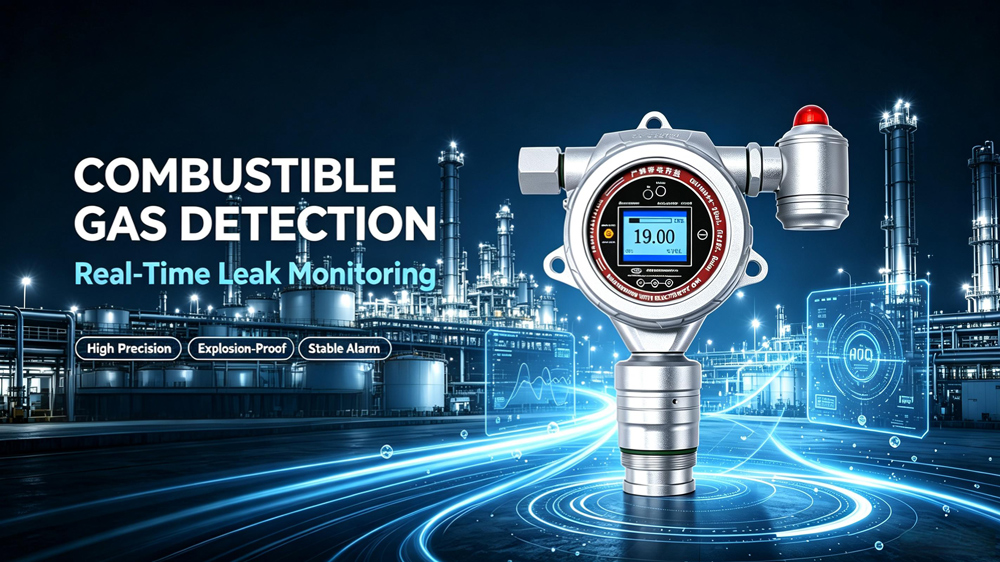
Publication Date:2025/11/03In numerous households, industrial premises, and commercial areas, combustible gas detectors serve as vital safety equipment. They promptly detect potential gas leaks, preventing serious incidents such as fires and explosions. However, like other electronic devices, these detectors may malfunction. Understanding how to determine if they are functioning correctly is crucial for safeguarding lives and property. Below, Yiyuntian Eranntex outlines key considerations.
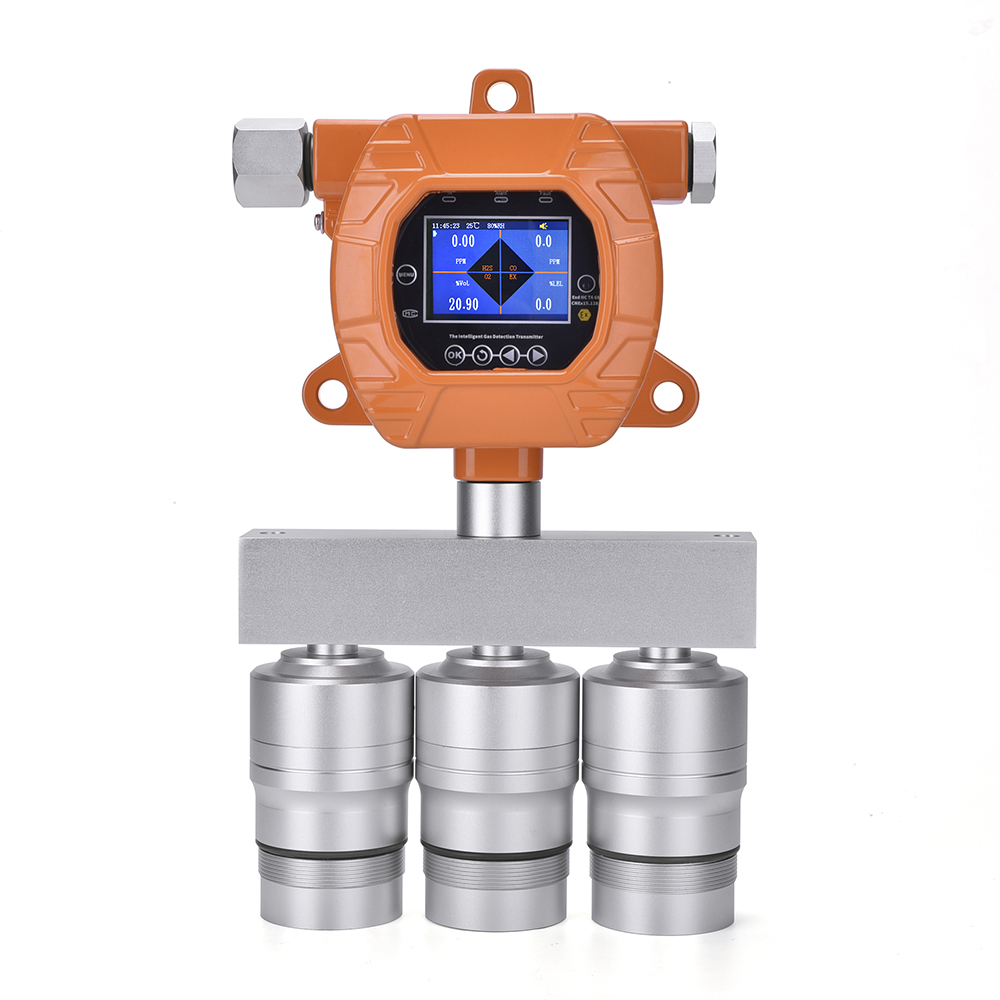
Observing Indicator Light Status
Most combustible gas detectors are equipped with indicator lights that visually reflect the device's operational status. Under normal circumstances, the power indicator light remains steadily illuminated, indicating the detector is powered and operational. If this light fails to illuminate, it likely indicates a power supply issue. Possible causes include a loose power plug, faulty socket, or damage to the detector's internal power module. In such cases, first inspect the plug and socket to ensure a secure connection. If the problem persists, professional assistance may be required for power module inspection or replacement.
Additionally, some detectors feature a fault indicator light. When this light illuminates or flashes, it typically signifies an internal malfunction. This could stem from sensor ageing or damage, or issues with the circuit board. Should the fault indicator light exhibit abnormal behaviour, refrain from disassembling the detector yourself to avoid causing further damage or safety hazards. Contact the manufacturer or a professional repair service promptly.
Listening for Alarm Sounds
When a combustible gas detector detects concentrations exceeding safe thresholds, it emits a loud audible alarm. If functioning correctly, the detector should promptly sound the alarm when exposed to simulated test gases mimicking a leak. Failure to hear the alarm during testing may indicate a fault in the sound output component, such as a damaged speaker. Alternatively, the detector's sensitivity setting may be too low to detect gas leaks promptly. Consult the detector's user manual to learn how to adjust sensitivity settings. If no alarm sounds after adjustment, further inspection of the detector's internal circuitry is required, or contact a professional repair technician.
Checking Sensor Performance
The sensor is the core component of a combustible gas detector, and its performance directly impacts the detector's accuracy. Over time, the sensor may become affected by dust, grime, or other contaminants, leading to reduced sensitivity. Regular cleaning of the sensor is an important step in maintaining its performance. Gently wipe the sensor surface with a soft, dry cloth to remove dust and grime. However, take care not to use any chemical cleaning agents, as these may damage the sensor.
Additionally, professional gas detection equipment can be employed to calibrate and test the detector's sensor. Expose the detector to a known concentration of combustible gas and observe whether the displayed concentration value is accurate. If the displayed value deviates significantly from the actual concentration, it indicates the sensor may have failed and requires replacement.
Note the device's service life
Like all electronic equipment, combustible gas detectors have a finite lifespan. Generally, most detectors have a service life of approximately 5 to 10 years. Beyond this period, detector performance may gradually decline, and the incidence of faults increases. Even if the detector appears to be functioning correctly, it is advisable to replace the equipment regularly in accordance with the manufacturer's recommendations to ensure it remains in a reliable state of safety protection.
In summary, determining whether a combustible gas detector has malfunctioned requires a comprehensive assessment of multiple factors. By observing indicator lights, listening for alarm sounds, checking sensor performance, and paying attention to the device's service life, issues with the detector can be identified promptly. Appropriate measures for repair or replacement can then be taken, thereby providing reliable safety assurance for our daily lives and work.
Related information
-
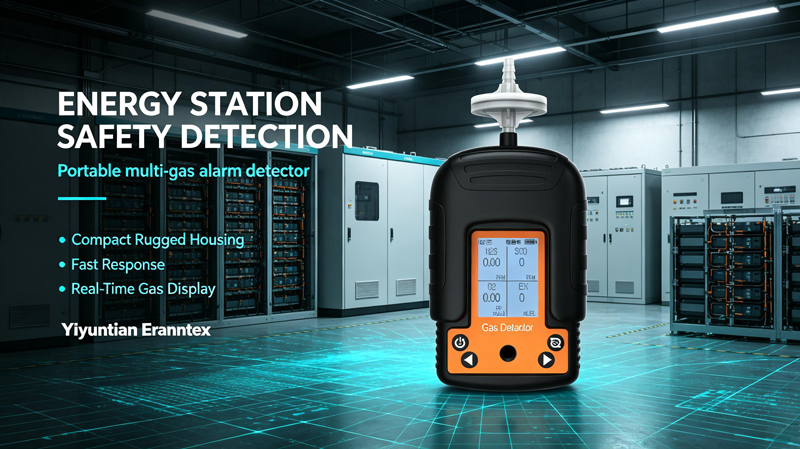
How to Calibrate a Portable four-in-one Gas Detectors?
Portable four-in-one gas detectors are core protective equipment in the industrial safety field. However, sensors can experience z...
2026-09-18 -
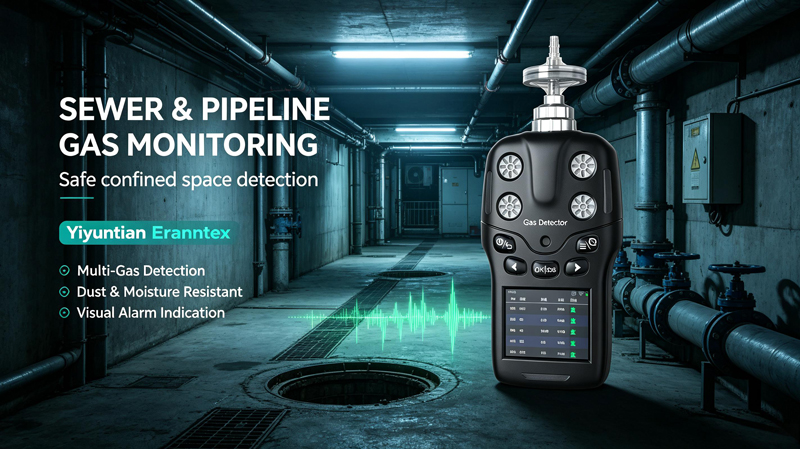
What are the application scenarios for portable four-in-one gas detectors?
Portable four-in-one gas detectors typically monitor oxygen (O₂), flammable gas (LEL), carbon monoxide (CO), and hydrogen sulfide...
2026-09-16 -
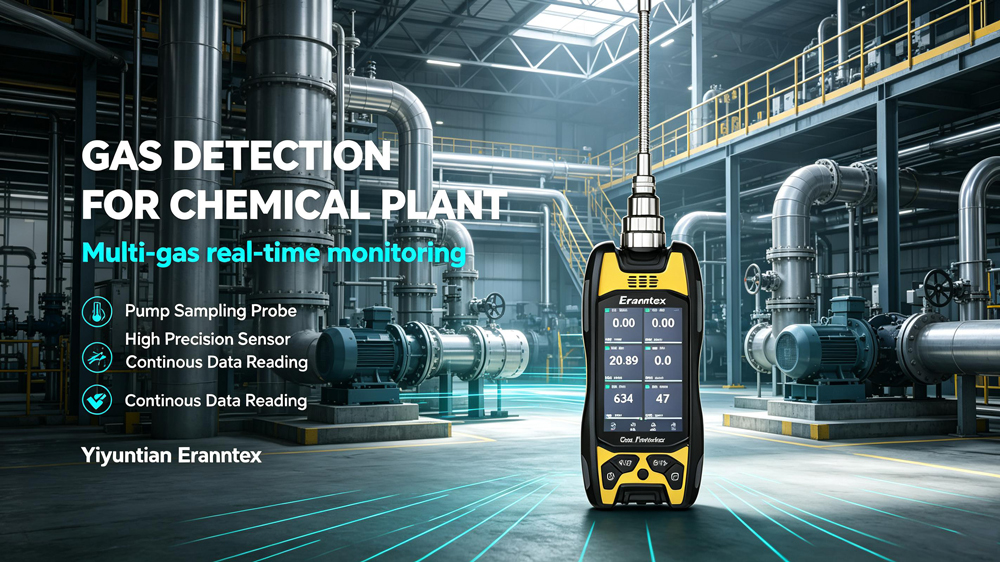
Portable four-in-one Gas Detectors User Manual
The portable four-in-one gas detectors is a core piece of personal protective equipment (PPE) for ensuring the safety of personnel...
2026-09-14 -

Calibration Specifications for Ammonia gas Detectors
Calibration of ammonia gas detectors is a core step in ensuring their measurement accuracy and alarm reliability. However, ammonia...
2026-09-11 -
What is the appropriate installation height for an ammonia gas detectors?
Ammonia (NH₃) has a relative density of only 0.59, much lighter than air. This means that in the event of a leak, the gas will qu...
2026-09-09
 info@eranntexgas.com sale1@eranntexgas.com


 15914124845