
Laboratory nitrous oxide monitoring protocol
I. Solution Background:
A chemical research institute needs to monitor the concentration of nitrous oxide (N₂O) in its experimental environment in real time for research purposes. Experimental background conditions are as follows:
Background gas: Air (no other special gases interfering)
Ambient humidity: 80%RH (relative humidity)
Detection target: Nitrous oxide (N₂O) concentration
Detection range: 100–12000 ppm (covering the complete range of concentration fluctuations during the experiment)
Detection method: Real-time online detection during the experiment
Due to the high humidity environment and the need for real-time monitoring over a wide concentration range, a suitable detection principle and equipment configuration must be selected to ensure data accuracy, equipment stability, and long-term reliability.
II. Parameter Requirements:
Detected Gas: Nitrous Oxide (N₂O)
Detection Range: 0–12000 ppm (covering the full range of 100–12000 ppm)
Detection Method: Real-time online detection
Response Time: Fast response, meeting real-time monitoring needs
Environmental Adaptability: Stable operation in high humidity environments up to 80%RH
III. Solution:
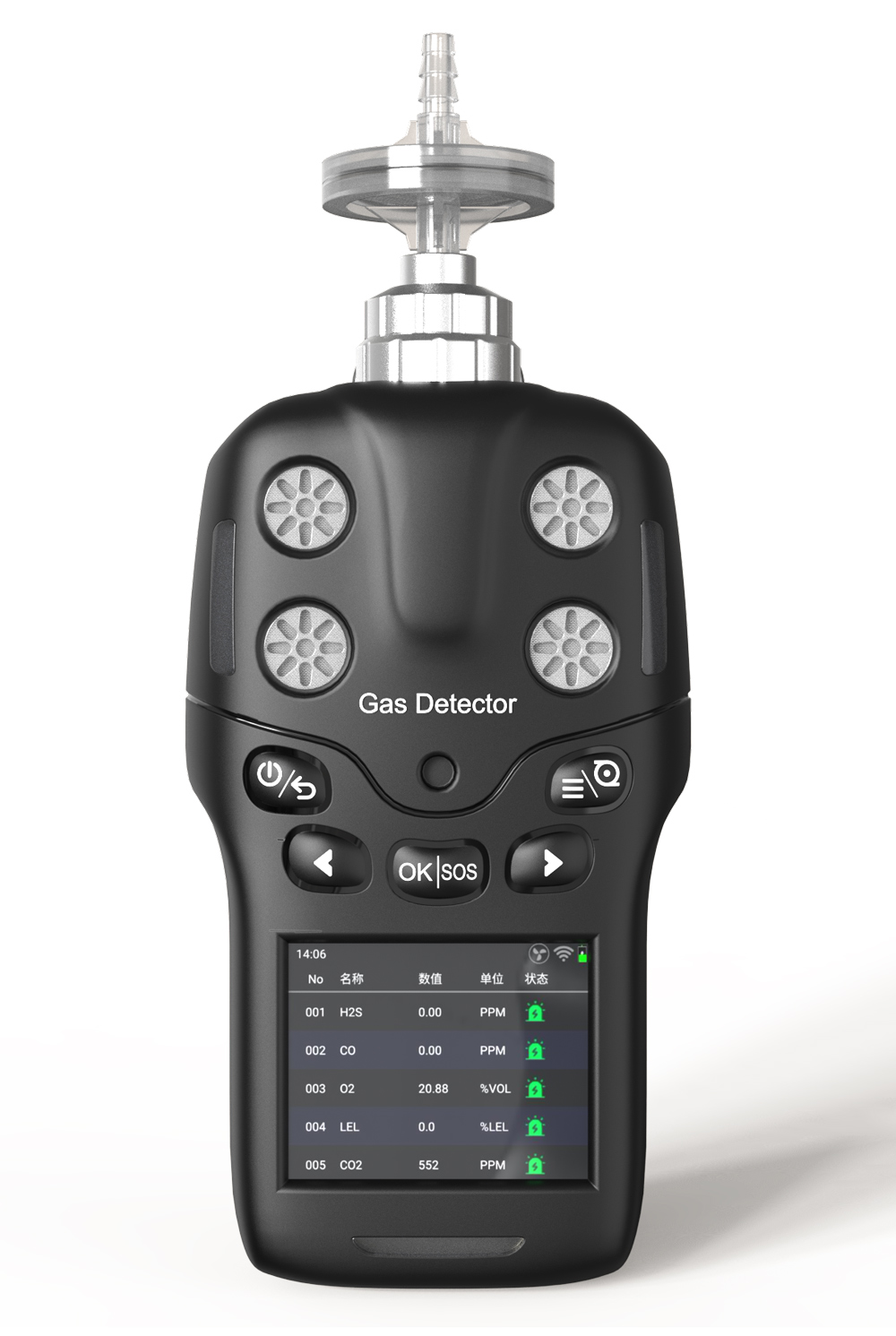
Configure a high-humidity filter at the front end of the equipment to filter moisture from the air, and then pair it with a portable nitrous oxide detector based on the infrared detection principle.
This solution uses the non-dispersive infrared (NDIR) detection principle.

Reasons for Selection:
① Good Selectivity: Infrared technology utilizes the characteristic absorption of N₂O gas molecules at specific wavelengths, exhibiting high selectivity for nitrous oxide. Common gases in the air (such as CO₂, O₂, N₂, etc.) do not cause cross-interference, ensuring accurate and reliable measurement results.
② Range Matching: NDIR technology covers a wide concentration range of 0–12000 ppm, fully meeting the project's full-range detection requirements from low concentration (100 ppm) to high concentration (12000 ppm).
③ Good Long-Term Stability: Infrared sensors operate on a physical detection principle, with no chemical consumption, making them less prone to "poisoning" or saturation. They have a long lifespan, low drift, and are suitable for long-term continuous monitoring.
④ Non-Destructive Testing: No chemical changes occur after the gas flows through the detection chamber, making it suitable for continuous real-time sampling.
For high-humidity environments (80% RH), the solution incorporates a high-humidity filter at the front end of the equipment to remove some moisture and particulate matter from the sample gas. This prevents moisture from interfering with the infrared absorption signal and protects the sensor's internal optical components from moisture corrosion, ensuring long-term stable operation of the equipment in an 80% RH environment.
IV. Matched Product:
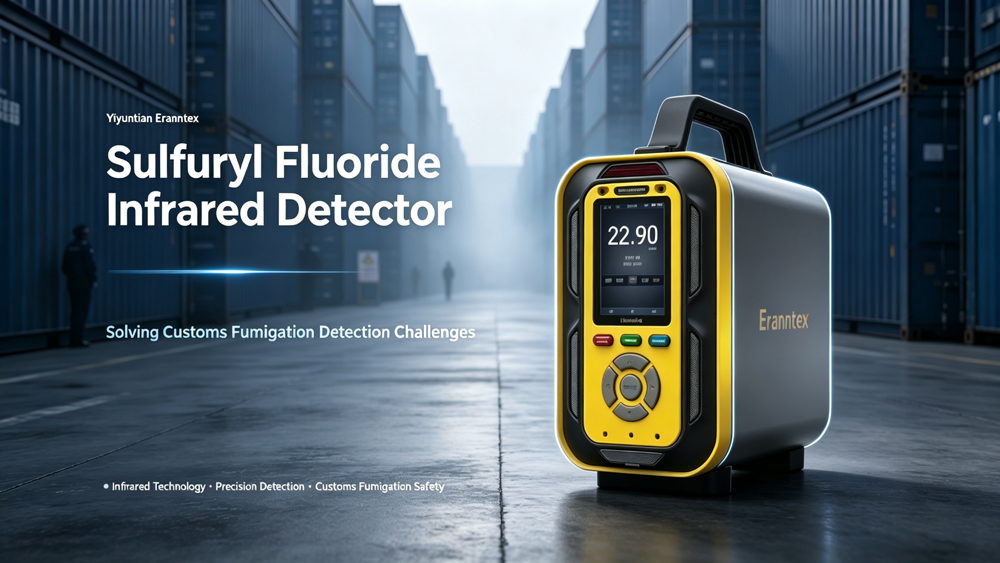
BTYQ-MS400-N₂O Portable Infrared Nitrous Oxide Detector
Key specifications of this product are as follows:
Detection Principle: Non-dispersive Infrared (NDIR)
Detected Gas: Nitrous Oxide (N₂O)
Detection Range: 0–12000 ppm (customizable)
Detection Accuracy: ≤±3% F.S.
Detection Method: Built-in pump-suction active sampling
Environmental Adaptability: Equipped with a water vapor/dust filter, suitable for high humidity environments up to 80%RH
 info@eranntexgas.com sale1@eranntexgas.com


 15914124845