Nitrogen oxides mainly include N2O, NO, NO2, N2O3, N2O4, N2O5, etc. Among them, the nitrogen oxides formed during combustion are almost all N0 and NO2, and these two nitrogen oxides are usually called NOX.At present, NO accounts for about 90% of the nitrogen oxides produced in combustion by natural mineral dyes such as coal, natural gas and heavy oil, and the rest is NO2.
Nitrogen oxides are very harmful: (1) Harm people's health. ( 2) Harm the growth of forests and crops. ( 3) It has a significant impact on global climate change and causes serious damage to the high-altitude ozone layer.
It can be seen from the formation principle of flue gas pollution components that oxygen is its key component. In the actual production process, when the boiler uses fuel to burn, excessive air is generally added. On the one hand, the fuel can be fully burned, but there is also another problem. The concentration of pollutants emitted by the exhaust cylinder produces "dilution", which greatly reduces the emission concentration, which will cause the pollutant emission concentration to "falsely" meet the standard.Excessive air causes the furnace temperature to drop, which not only affects the combustion, but also takes away a large amount of heat and dust, increasing the calculation results of the concentration of pollution emissions. At the same time, the large air volume also increases the consumption of exhaust smoke and electricity. Controlling the oxygen content of flue gas is very important for controlling the combustion process and achieving safe, efficient and low-pollution emissions.
The emission concentration of sulfur dioxide and nitrogen oxides in the flue gas should be converted according to the specified excessive air coefficient. The size of its converted value depends on the actual measured value of the flue gas oxygen content, so the oxygen content in the flue gas is controlled during operation, and the final control of pollutants The emission concentration is very important. Flue gas analyzers are usually used to monitor the oxygen content in flue gas. The core technology for detecting gases is gas sensors, and electrochemical sensors are widely used at present.
Design monitoring project: detection of NOX, O2, optional monitoring of SO2, CO, CO2, etc.
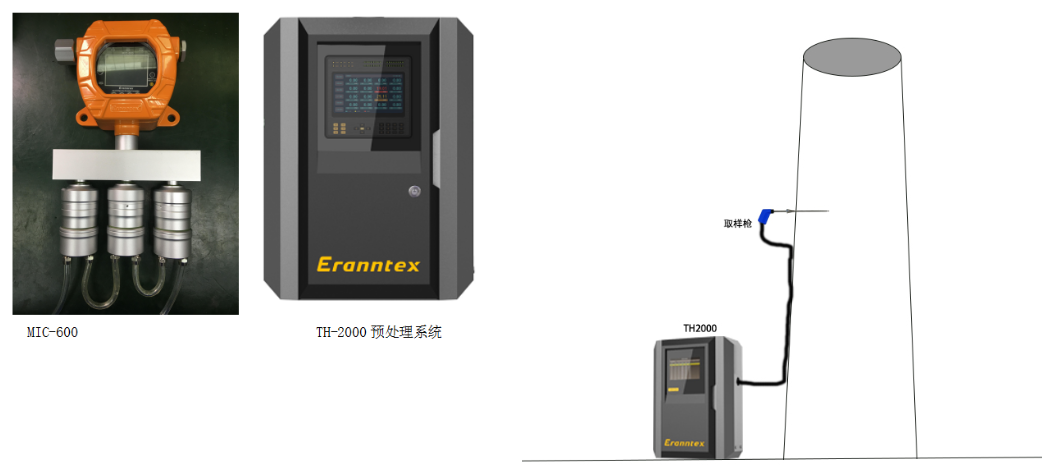
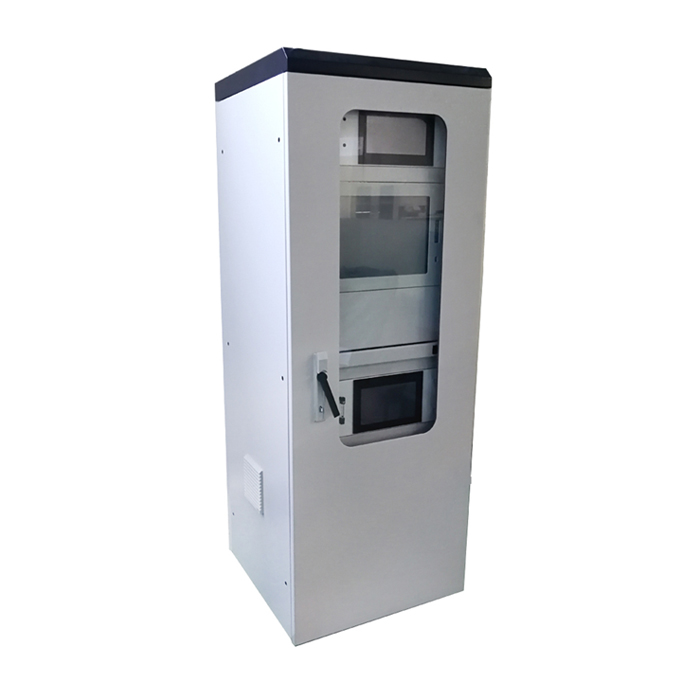
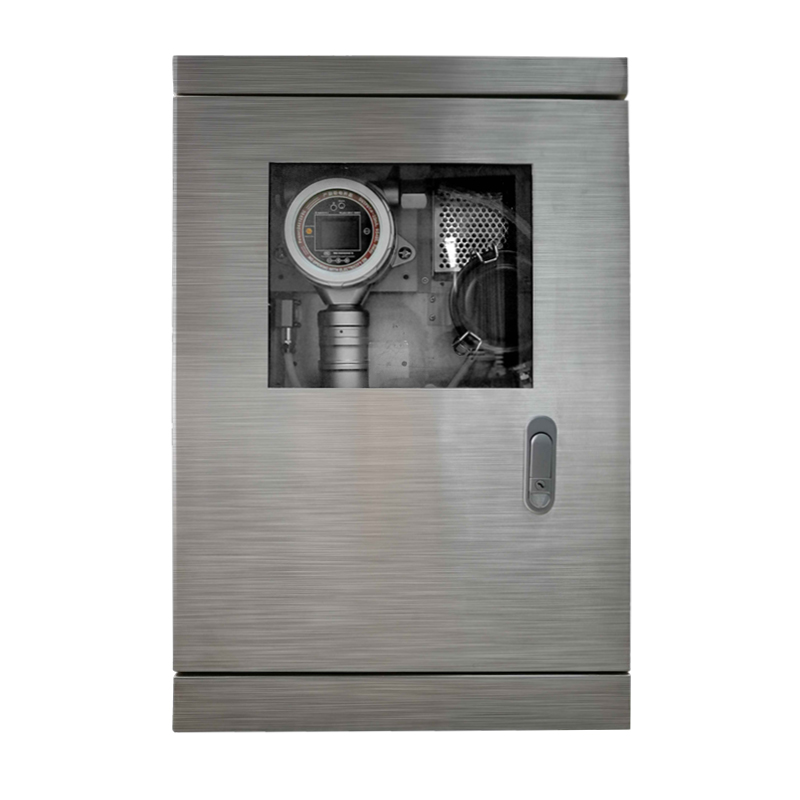
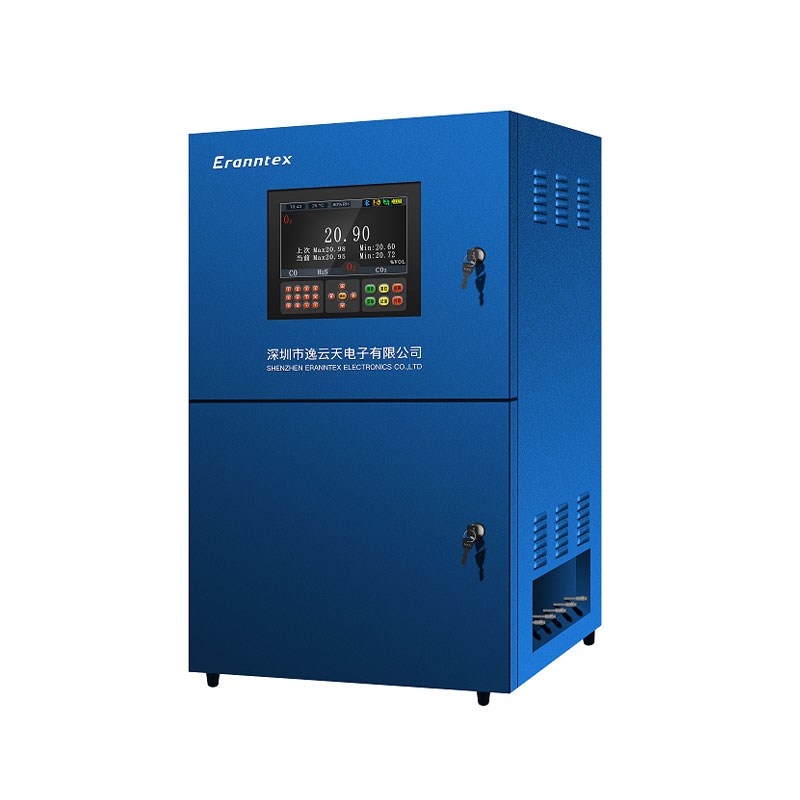
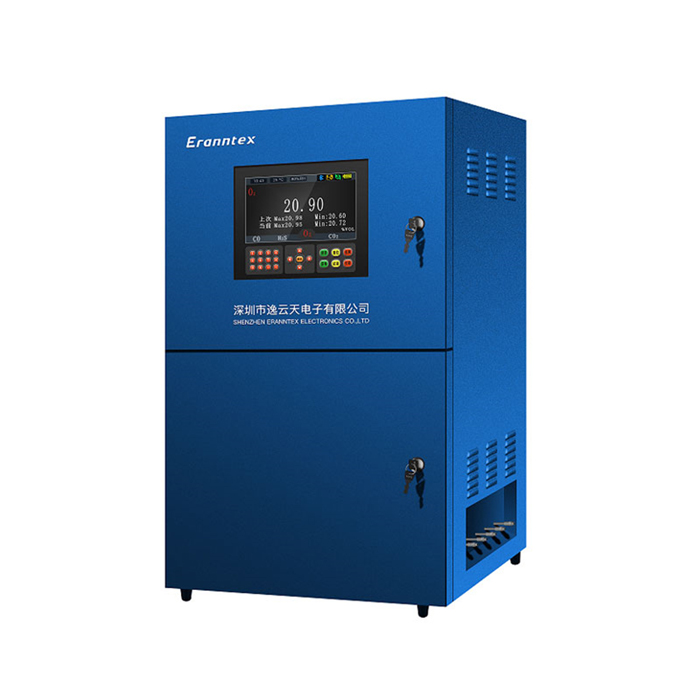
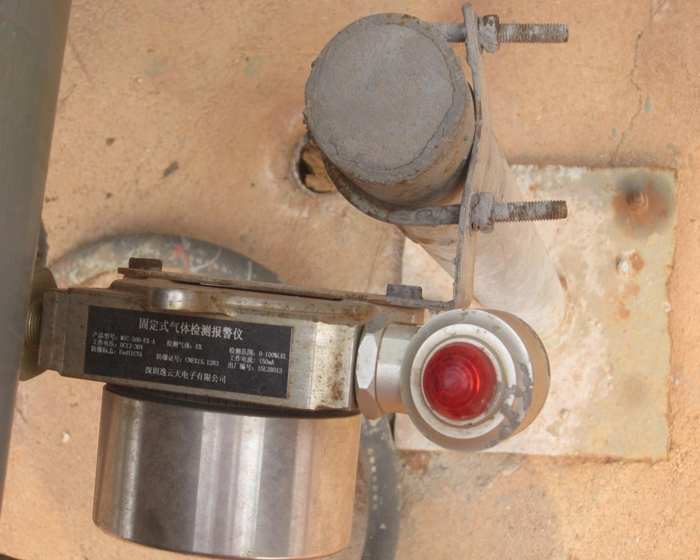
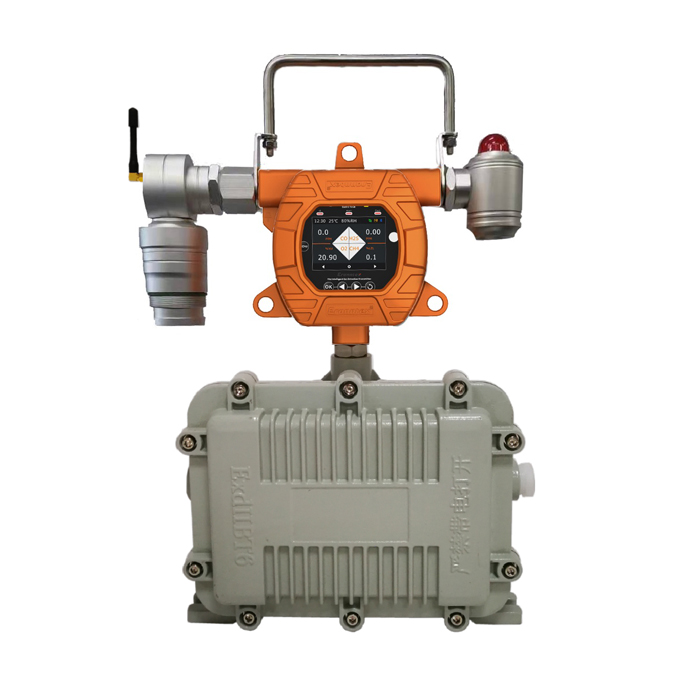
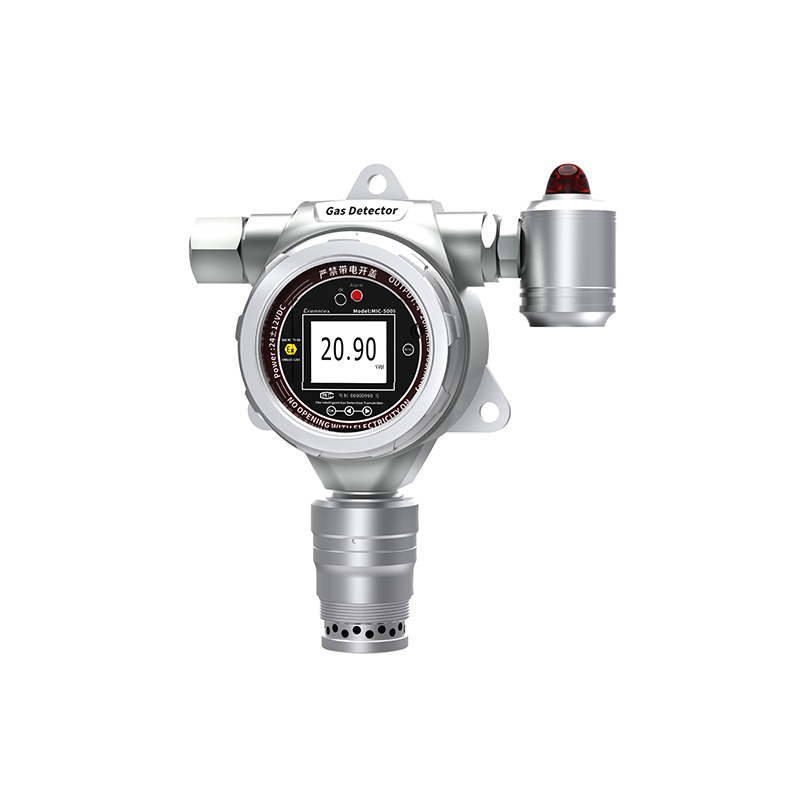
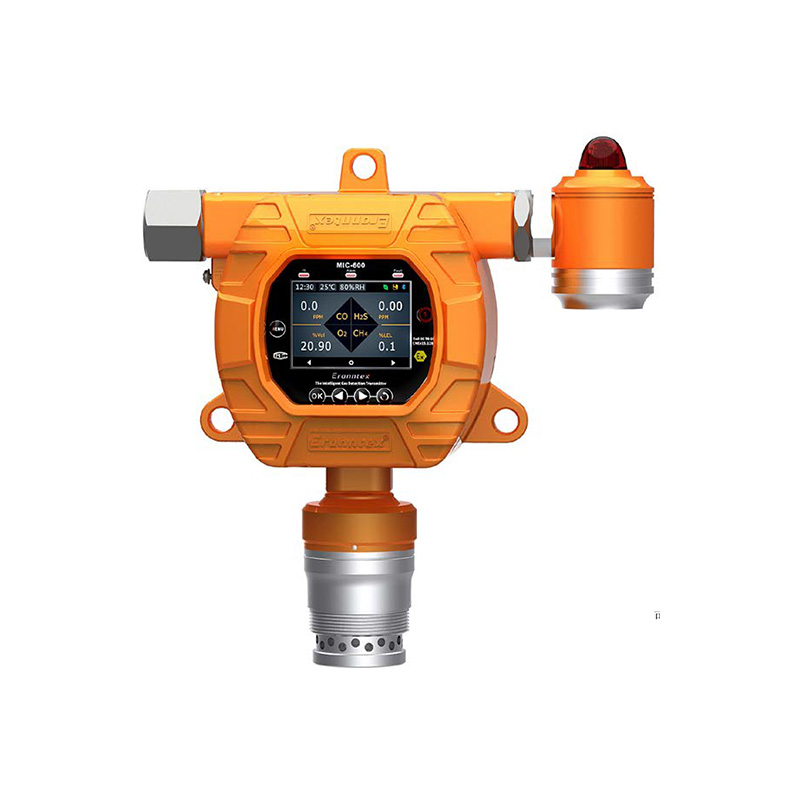
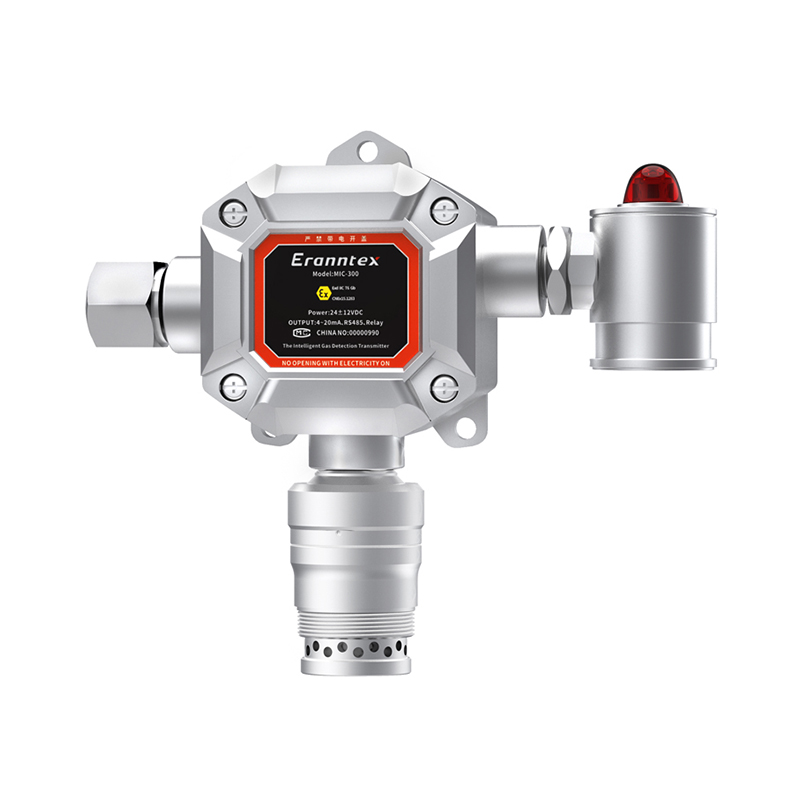
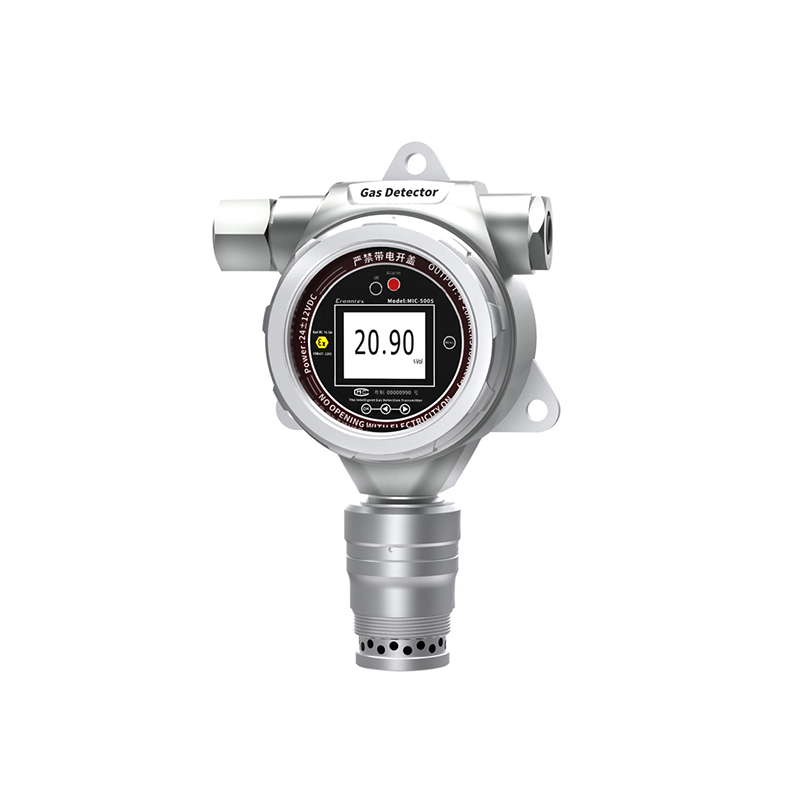
First of all, through front-end dust filtration, cooling, water and gas separation through the pretreatment system condenser, and using a composite gas detector to measure the content of NO, NO2,NO2; then according to the provisions of GB5468 or GB/T16157, through the standard oxygen content of atmospheric pollutants The method of emission concentration is to calculate the emission concentration of nitrogen oxides. The measured gas concentration is displayed on the display in real time, and the data signal is transmitted to terminals such as PLC or computer. It can also be through wirelessGPRS or network transmission to the cloud server, or connect to the Environmental Protection Agency through a digital meter for real-time supervision.










 info@eranntexgas.com sale1@eranntexgas.com


 15914124845