
What are the types of sensors for gas alarms?
Publication Date:2023/11/22gas alarm is not uncommon in our daily life, from chemical, petroleum, steelmaking, metallurgy, pharmaceutical and other large factories, to 4 50 square meters of restaurants, have its figure. So do you know what kinds of sensors there are for gas alarms? the following is an introduction by yi yun tian electronic editor:

Sensor type of gas alarm:
1. Infrared Sensor:
This type of sensor is developed based on different types of gases with different vibration frequencies.It does not require oxygen during measurement, nor is it poisoned, and its power consumption is relatively low. It is the 1 sensor type with relatively high cost performance. But it can't measure ethylene, carbon dioxide and chlorine.
2. Photoionic sensor:
The light ion sensor uses a bulb to emit high-energy ultraviolet light to ionize the gas molecules entering the gas chamber into positive and negative charged ions and electrons, and reacts with positive and negative electrodes to form a current. This sensor also does not require oxygen, and has a relatively long service life. For non-destructive testing of gas molecules, the response time is generally about 3 seconds, but it is not selective for VOC detection.
3. Electrochemical sensor:
electrochemical sensors are usually used in the detection of toxic gases with . it is a precision element and consists of diffusion permeable membrane, highly active electrode and acidic electrolyte. Like the photoionization sensor, it mainly measures the concentration of gas according to the change of current. The sensor is extremely sensitive to ppm concentration and has good selectivity to the target gas, but it is easily affected by the external environment, such as temperature and humidity, alcohol, volatile oil substances, etc.
4. Semiconductor sensor:
semiconductor sensors are broad-spectrum sensors, which are divided into resistive and non-resistive. It is based on the principle that the resistance or power or change when the semiconductor is in contact with the gas. This sensor is also very sensitive to ppm concentration, but its linearity, selectivity and anti-interference ability are poor.
5. Catalytic combustion sensor:
this sensor is a common type of sensor for combustible gas alarms. the working principle is that the temperature change of platinum wire produces a resistance change to determine the gas concentration. It is superior to gas type sensors in terms of accuracy, linear output, and cost performance, and it can detect a wide range of gas types.
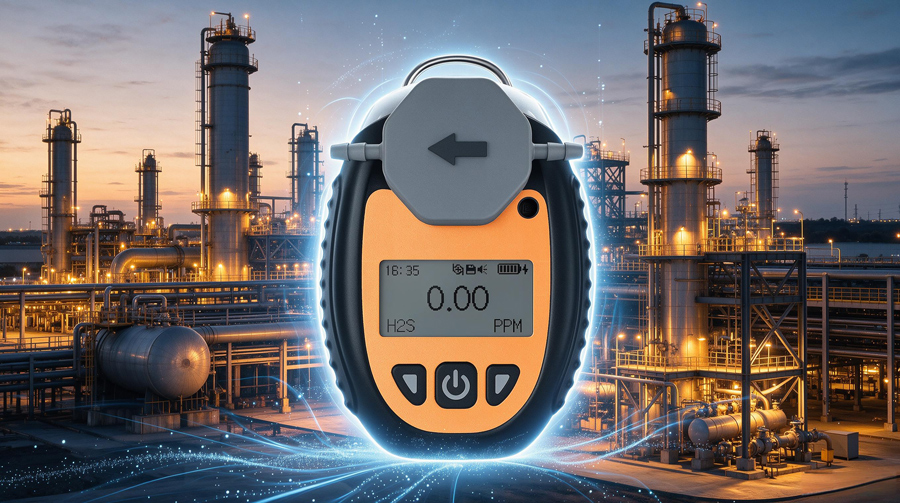
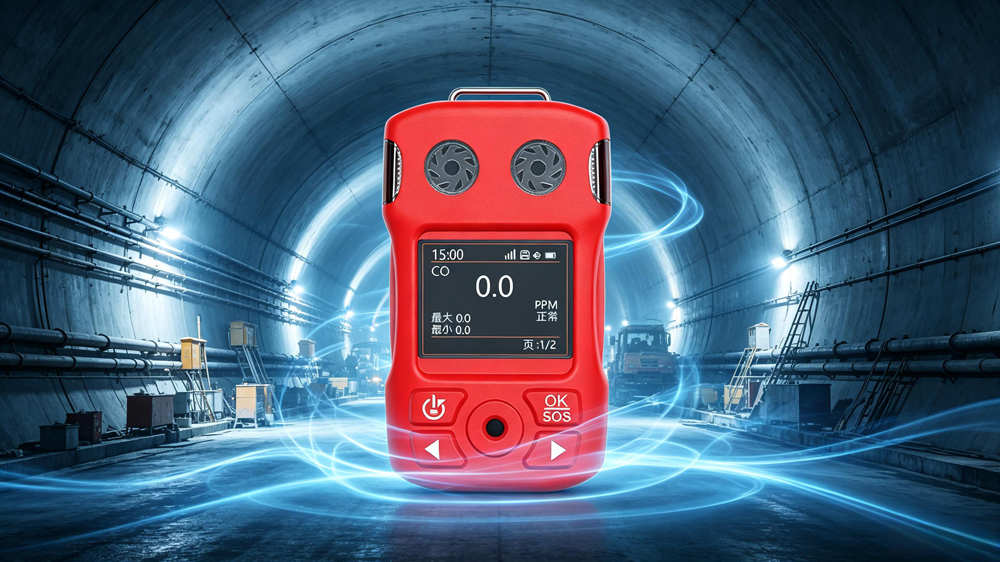
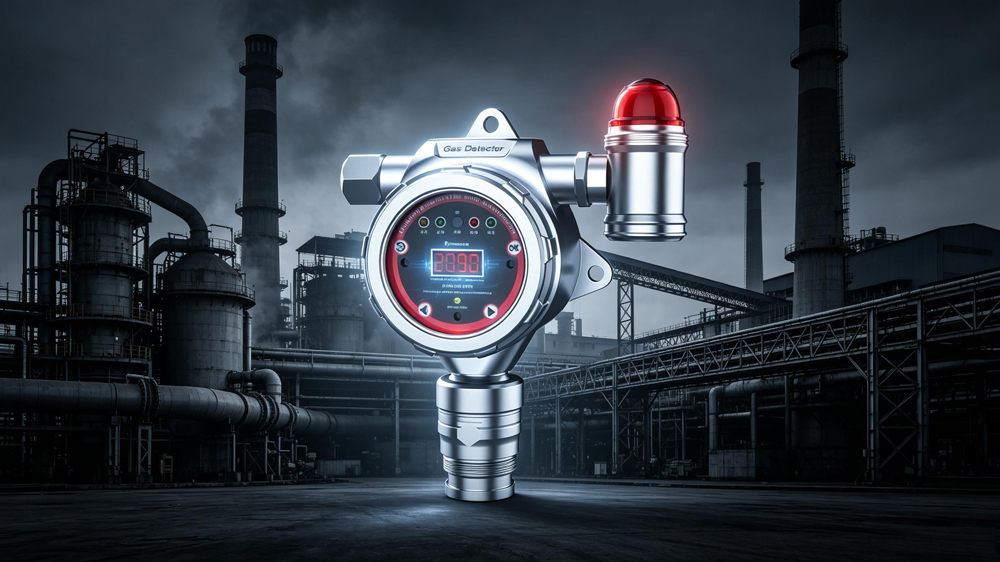
The above sensor types for gas alarms are shared here, gas alarm inhales gas through the detection probe and transmits it to the sensing gas chamber unit for analysis. when the detected gas concentration exceeds the predetermined safety value, an alarm signal will be automatically sent to remind the staff to take relevant disposal measures.
Related information
-
How to Calibrate a Portable four-in-one Gas Detectors?
Portable four-in-one gas detectors are core protective equipment in the industrial safety field. However, sensors can experience z...
2026-09-18 -
What are the application scenarios for portable four-in-one gas detectors?
Portable four-in-one gas detectors typically monitor oxygen (O₂), flammable gas (LEL), carbon monoxide (CO), and hydrogen sulfide...
2026-09-16 -
Portable four-in-one Gas Detectors User Manual
The portable four-in-one gas detectors is a core piece of personal protective equipment (PPE) for ensuring the safety of personnel...
2026-09-14 -

Calibration Specifications for Ammonia gas Detectors
Calibration of ammonia gas detectors is a core step in ensuring their measurement accuracy and alarm reliability. However, ammonia...
2026-09-11 -
What is the appropriate installation height for an ammonia gas detectors?
Ammonia (NH₃) has a relative density of only 0.59, much lighter than air. This means that in the event of a leak, the gas will qu...
2026-09-09
 info@eranntexgas.com sale1@eranntexgas.com


 15914124845