
Guidelines for Selecting Combustible Gas Detectors
Publication Date:2026/08/17In high-risk industrial environments—such as the petroleum, chemical, and marine sectors, as well as confined spaces—combustible gas detectors serve as a critical line of defense against fire and explosion accidents. For purchasers and enterprises with global operations, selecting the right equipment is not merely a procurement task but a pivotal step in building a robust corporate safety management system. Given the complex market landscape, a scientific selection process must strictly adhere to international standards, involving a systematic evaluation that covers regulatory compliance, suitability for specific operational scenarios, core performance metrics, and full-lifecycle maintenance.
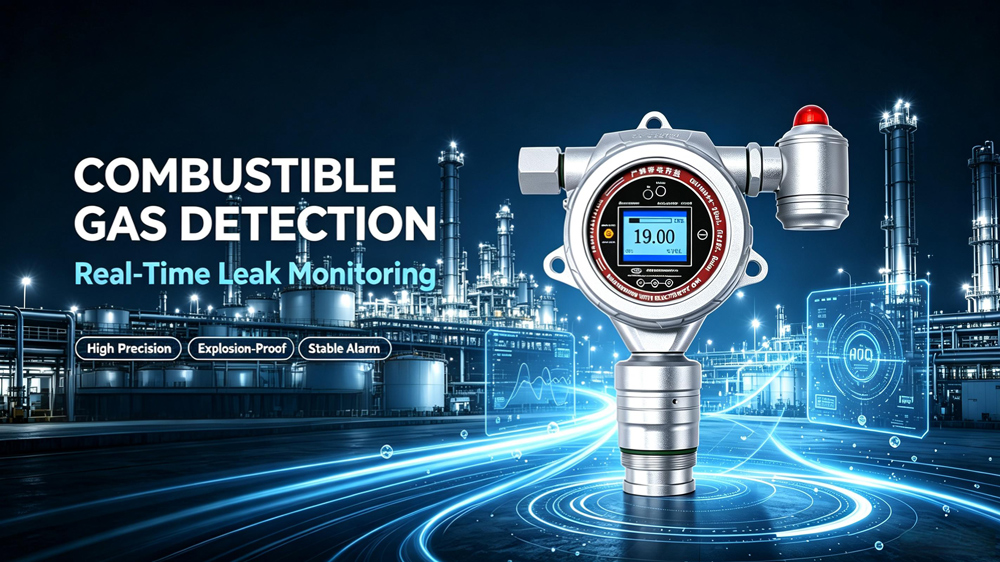
I. Adhere to International Compliance Standards and Ensure Comprehensive Certification
Compliance is the primary consideration in the selection process. International procurement requires ensuring that equipment meets the rigorous standards of the target market. For Chinese-flagged vessels engaged in international voyages, equipment must comply with both the International Maritime Organization (IMO) circular MSC.1/Circ.1477 and relevant national standards, such as GB 15322.3-2019. In onshore industrial settings, combustible gas detectors must possess internationally recognized explosion-proof certifications and meet the appropriate explosion-proof ratings for use in hazardous, explosive zones. Furthermore, the detectors should hold valid metrological certifications and fire safety type approvals to ensure that measurement data is legally valid and compliant.
II. Precisely Match Operational Scenarios and Configure Hardware Parameters Appropriately
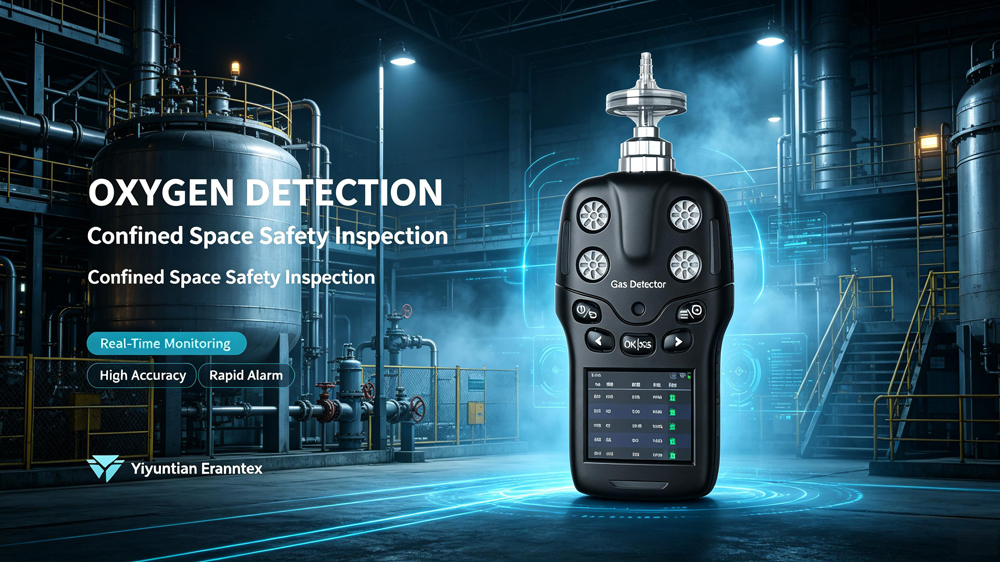
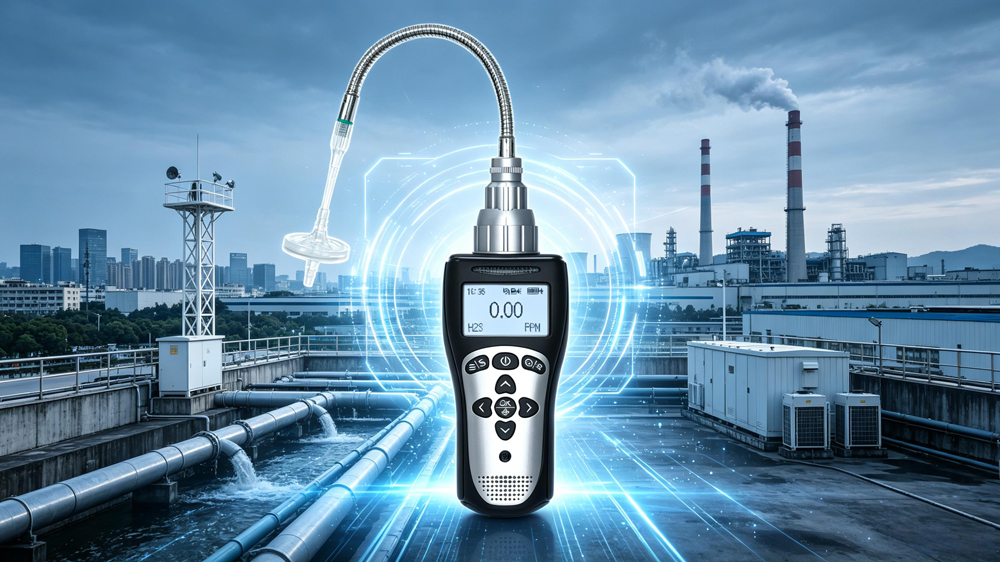
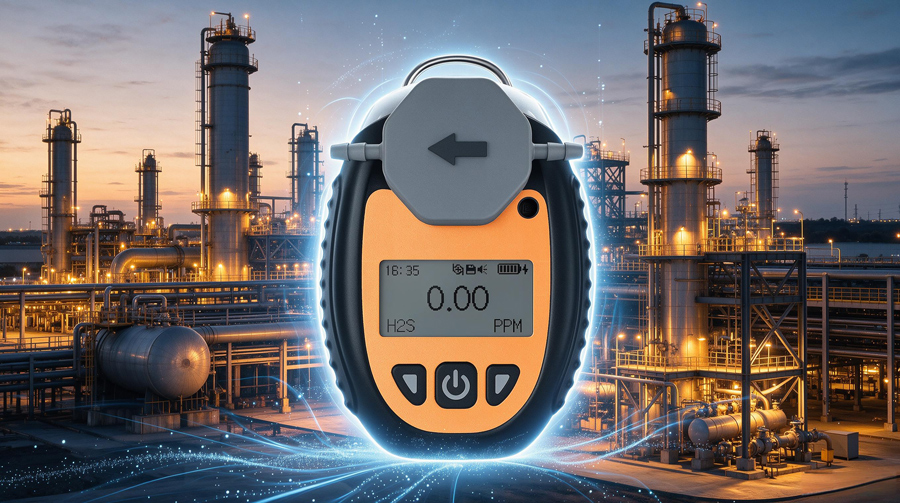
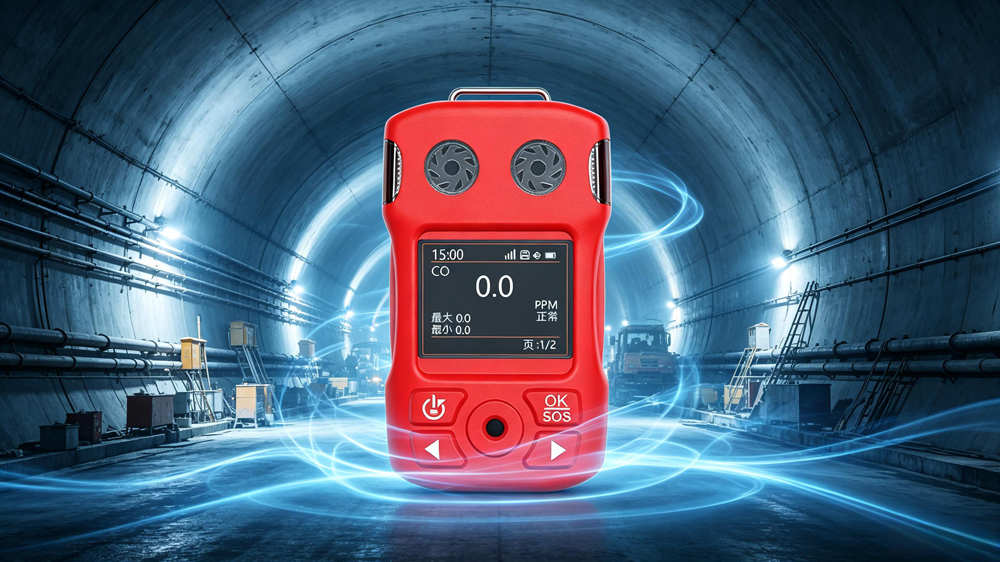
Equipment selection must be based on the specific operational environment. For scenarios requiring pre-entry testing of confined spaces, pump-suction detectors with remote sampling capabilities are essential, allowing personnel to conduct safety assessments before entering the area. Conversely, for personal inspections in open areas, lightweight diffusion-type devices with long battery life are preferable. Regarding hardware configuration, the device's ingress protection (IP) rating must be selected to withstand harsh conditions, such as high humidity, heavy dust, or strong corrosiveness. Additionally, the alarm system should feature multiple feedback mechanisms—including audible, visual, and vibration alerts—to ensure that alarms are clearly perceptible even in noisy environments.
III. Focus on Core Technical Specifications to Ensure Accurate and Reliable Detection
Sensor performance directly determines the effectiveness of the equipment. When selecting equipment, focus on the following technical specifications: First, response speed—the T90 response time for combustible gas detectors must be strictly controlled to under 25 seconds to ensure rapid detection and alarm activation during the initial stages of a leak. Second, measurement accuracy—the indicated value error should be within ±3% LEL (Lower Explosive Limit) or better, and the deviation between the actual alarm trigger point and the setpoint must not exceed 3% LEL. Furthermore, in operating environments containing substances such as silicon compounds or sulfides that can cause sensor poisoning, priority should be given to sensors with superior poison resistance or infrared sensors to extend service life and reduce false alarm rates.
IV. Establish a full-lifecycle maintenance system and avoid the "maintenance-free" misconception
The long-term reliability of combustible gas detectors depends on systematic maintenance. Purchasers should be wary of unrealistic marketing claims, such as "lifetime calibration-free" operation. Since all gas sensors undergo natural degradation, a rigorous maintenance regime is essential: bump tests must be performed before each use to verify sensor response and alarm functionality, and comprehensive calibration using standard gas must be conducted by professionals every 6 to 12 months, depending on usage frequency and environmental severity. Additionally, the detectors should support data storage and export functions to facilitate compliance audits and incident traceability. Comprehensive after-sales service, spare parts availability, and technical training support are also indispensable factors to consider during the selection and evaluation process.
In summary, selecting a combustible gas detectors is a rigorous technical decision. By adhering to international compliance standards, precisely matching equipment to the application environment, ensuring core performance, and establishing a long-term maintenance mechanism, enterprises can build a truly reliable safety barrier that effectively protects both personnel and assets.
Related information
-
How to Calibrate a Portable four-in-one Gas Detectors?
Portable four-in-one gas detectors are core protective equipment in the industrial safety field. However, sensors can experience z...
2026-09-18 -
What are the application scenarios for portable four-in-one gas detectors?
Portable four-in-one gas detectors typically monitor oxygen (O₂), flammable gas (LEL), carbon monoxide (CO), and hydrogen sulfide...
2026-09-16 -
Portable four-in-one Gas Detectors User Manual
The portable four-in-one gas detectors is a core piece of personal protective equipment (PPE) for ensuring the safety of personnel...
2026-09-14 -

Calibration Specifications for Ammonia gas Detectors
Calibration of ammonia gas detectors is a core step in ensuring their measurement accuracy and alarm reliability. However, ammonia...
2026-09-11 -
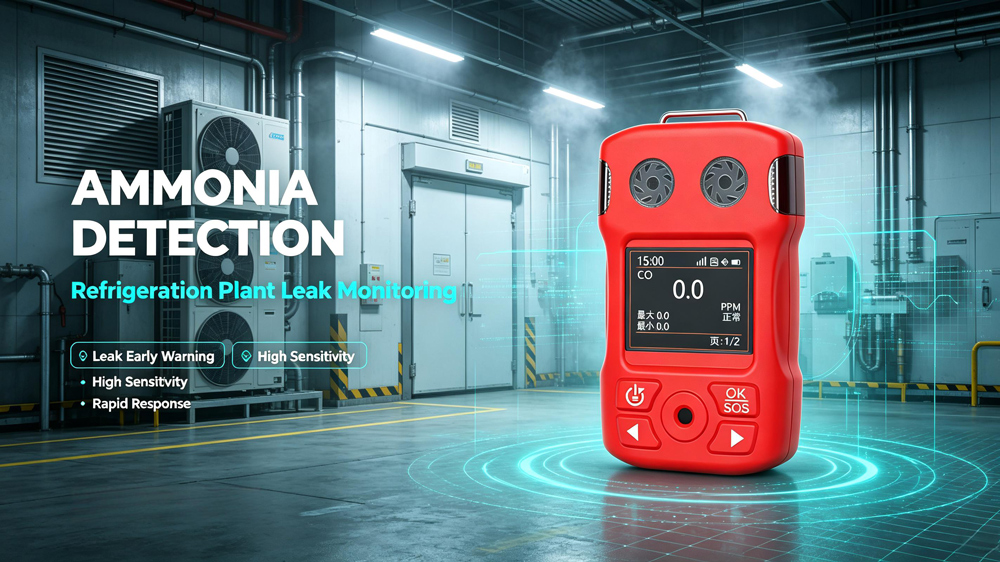
What is the appropriate installation height for an ammonia gas detectors?
Ammonia (NH₃) has a relative density of only 0.59, much lighter than air. This means that in the event of a leak, the gas will qu...
2026-09-09
 info@eranntexgas.com sale1@eranntexgas.com


 15914124845