
How to Choose a Four-in-One Detectors? A 2026 Guide to Avoiding Pitfalls
Publication Date:2026/08/14In the field of industrial safety, the four-in-one detectors serves as a critical line of defense for protecting the lives of workers. With the upgrading of safety standards and the widespread adoption of IoT technology in 2026, these devices have evolved from simple alarm units into comprehensive safety terminals that integrate precise sensing with intelligent connectivity. When selecting a device, purchasers and safety managers must look beyond hardware specifications and remain vigilant against potential pitfalls regarding compliance and performance. Here is an overview from the team at Yiyuntian Eranntex.
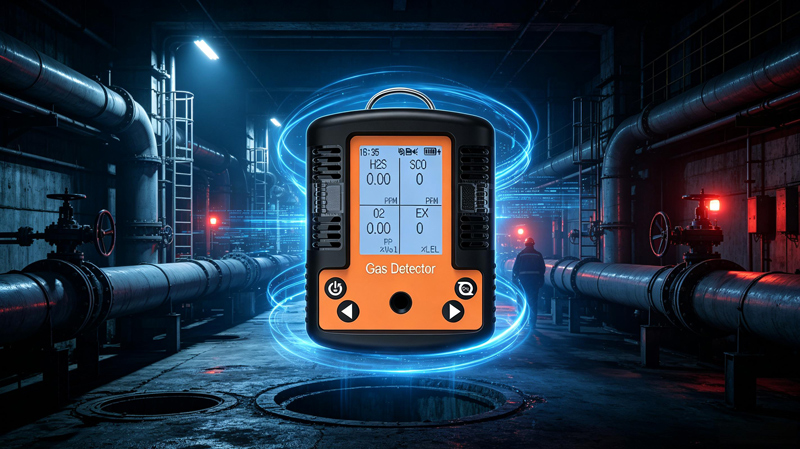
Here is how to select a four-in-one detectors:
I. Precisely Match the Operational Scenario; Avoid Blindly Chasing "Multifunctionality"
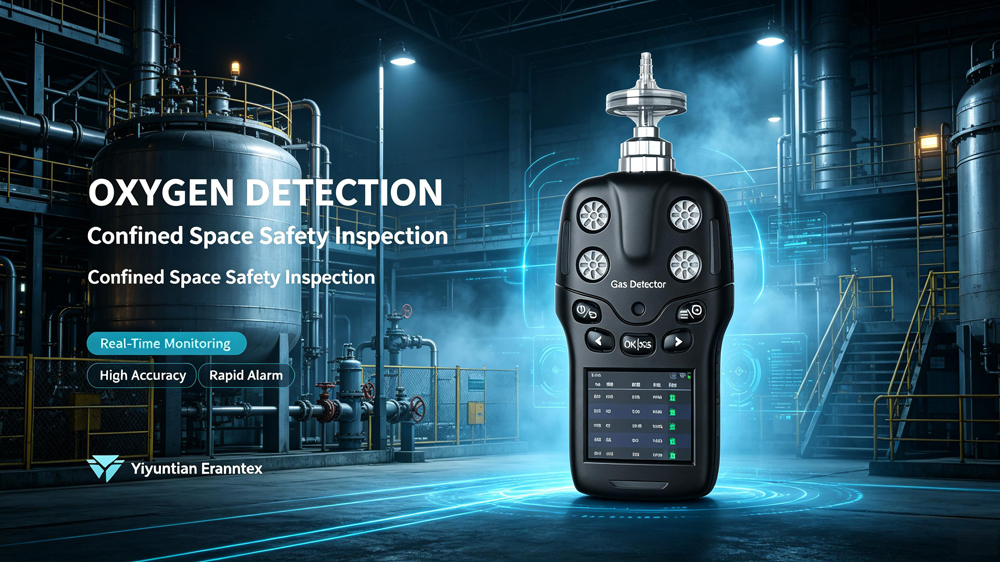
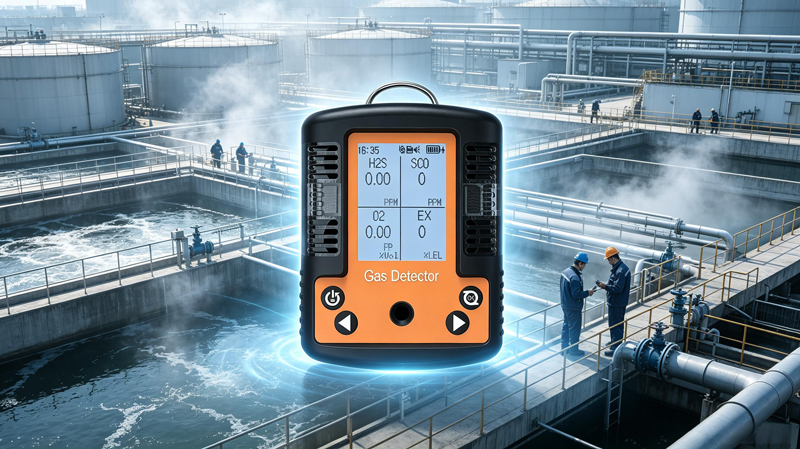
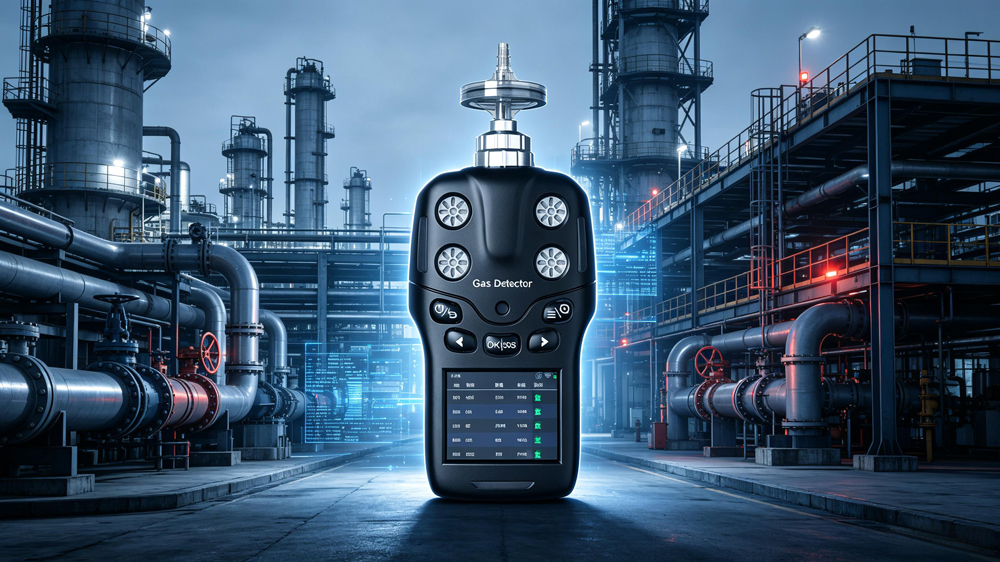
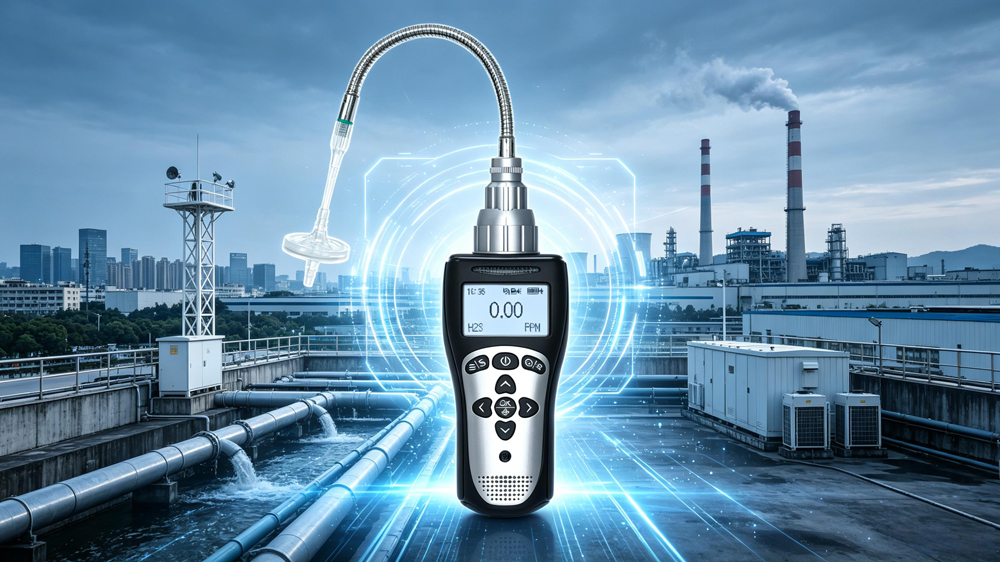
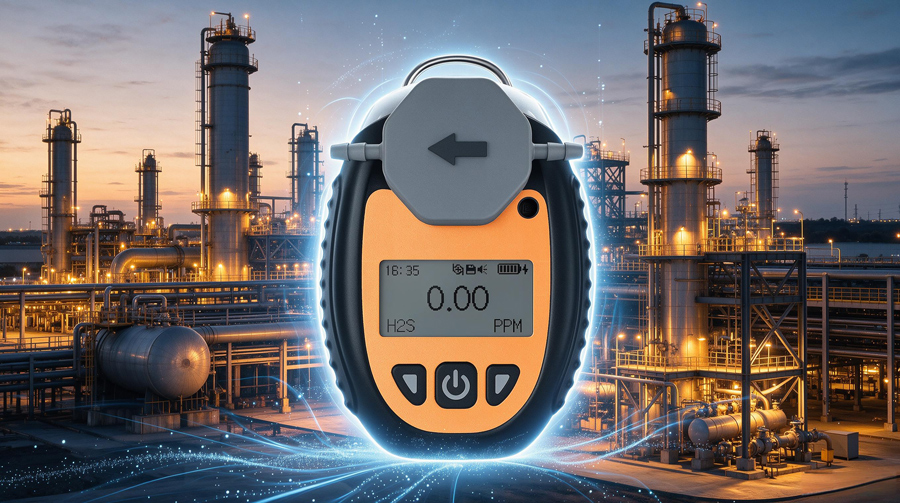
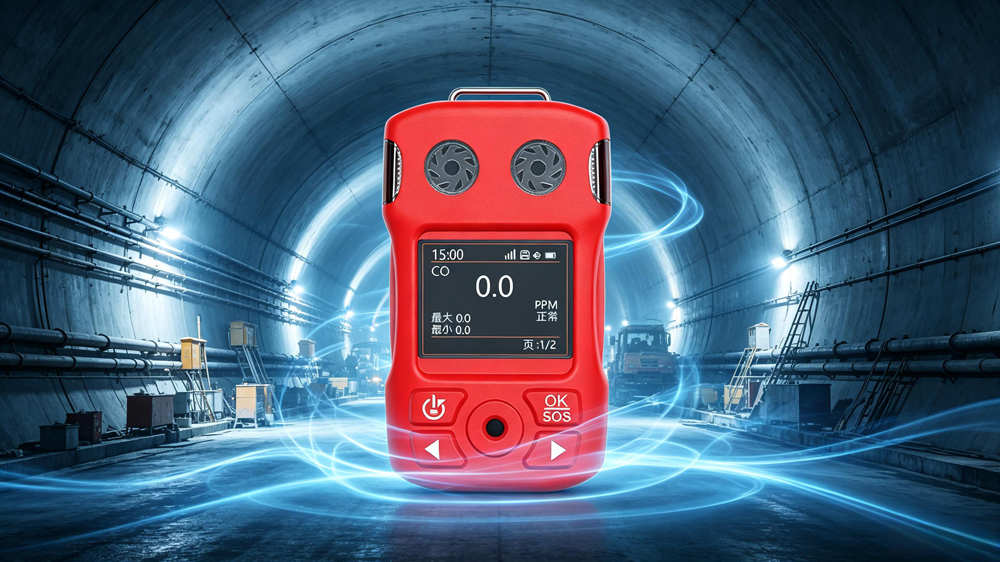
The first step in selection is to clearly define the operational scenario. For routine inspections in open workshops, a lightweight, long-battery-life diffusion-type four-in-one detectors is sufficient. However, for work in confined spaces like sewers or storage tanks, a pump-suction model with an internal pump is essential to allow for remote, stratified sampling before entry. Furthermore, do not be misled by the "number of gases detected." While a standard 4-in-1 unit (covering oxygen, combustible gases, carbon monoxide, and hydrogen sulfide) addresses most risks, environments involving solvent vapors, refrigeration, or specific chemical processes require a 5-in-1 or 6-in-1 device equipped with PID, ammonia, or chlorine sensors. Blindly choosing a general-purpose device while overlooking specific gas hazards creates a significant risk of accidents.
II. Adhere Strictly to Compliance Standards; Beware of "Inflated Specifications" and "Misused Certifications"
For procurement in 2026, compliance is a non-negotiable requirement. A four-in-one detectors must possess explosion-proof certification (Ex), metrological certification (CPA), and fire safety certification (CCCF); products intended for export must also provide international certifications such as ATEX or CE. When vetting qualifications, purchasers must be highly vigilant regarding two common risks: first, "misleading measurement ranges"—some substandard products claim a hydrogen sulfide range of 0–100 ppm but suffer a sharp drop in linearity at high concentrations; it is essential to request third-party type-test reports to verify accuracy across the full range. Second, "misapplication of explosion-proof certification"—different sensor configurations within the same model series may correspond to different explosion-proof ratings; one must confirm that the specific configuration purchased matches the explosion-proof certificate exactly.
III. Look past the "calibration-free" marketing gimmick and prioritize long-term maintenance costs
Many suppliers promote their devices as "calibration-free for three years," a claim that easily misleads users. In reality, all electrochemical sensors experience baseline drift; failing to calibrate over the long term leads to a significant drop in accuracy within six months. The correct approach is to establish a rigorous maintenance system: perform a "bump test" before each use to verify alarm functionality, and conduct verification using standard calibration gas at least once a quarter. Furthermore, procurement contracts must explicitly specify the inclusion of a factory metrological verification certificate and the date of initial calibration. After-sales response times and maintenance capabilities should also be factored into the evaluation process to avoid the "affordable to buy, expensive to maintain" trap.
IV. Embrace the trend toward smart technology and focus on data security and transmission protocols
By 2026, four-in-one detectors will no longer operate as isolated data silos. Devices equipped with 4G/5G connectivity can synchronize data to the cloud in real-time, enabling 24-hour online monitoring and multi-level alarm notifications. Enterprises requiring platform-based management should prioritize the device's system integration capabilities. Additionally, given the global emphasis on data security, newly delivered projects generally require support for encryption protocols such as the Chinese national standard SM4. When selecting equipment, it is crucial to confirm protocol compatibility with the supplier to ensure the security and regulatory compliance of detection data during transmission.
In summary, the key to selecting four-in-one detectors in 2026 lies in ensuring suitability for the specific application scenario, as well as reliability and regulatory compliance. Only by discarding unrealistic expectations of absolute zero risk and maintenance-free operation—and by using a scientific assessment framework to select professional equipment that aligns with specific operating conditions and budgets—can a company truly safeguard its safe production.
Related information
-
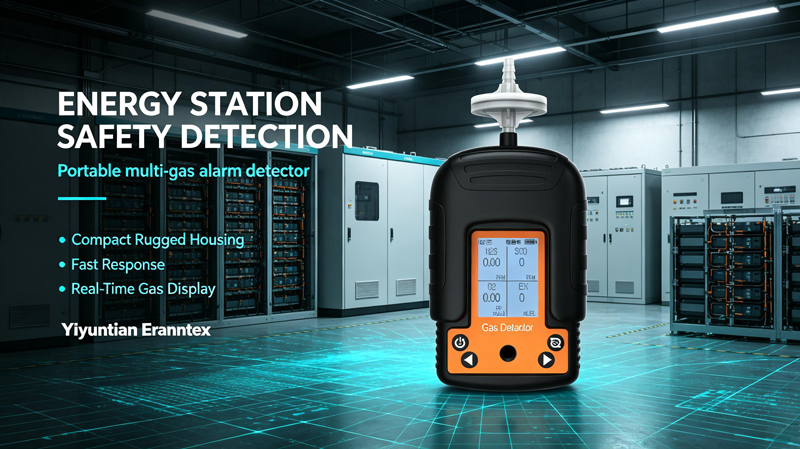
How to Calibrate a Portable four-in-one Gas Detectors?
Portable four-in-one gas detectors are core protective equipment in the industrial safety field. However, sensors can experience z...
2026-09-18 -
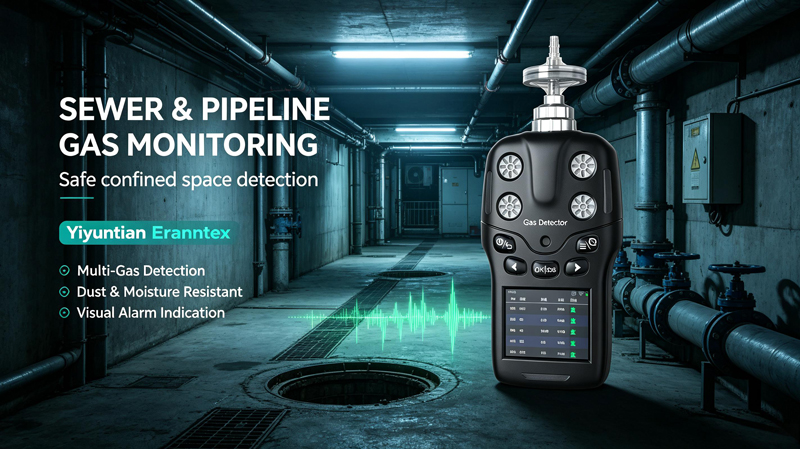
What are the application scenarios for portable four-in-one gas detectors?
Portable four-in-one gas detectors typically monitor oxygen (O₂), flammable gas (LEL), carbon monoxide (CO), and hydrogen sulfide...
2026-09-16 -
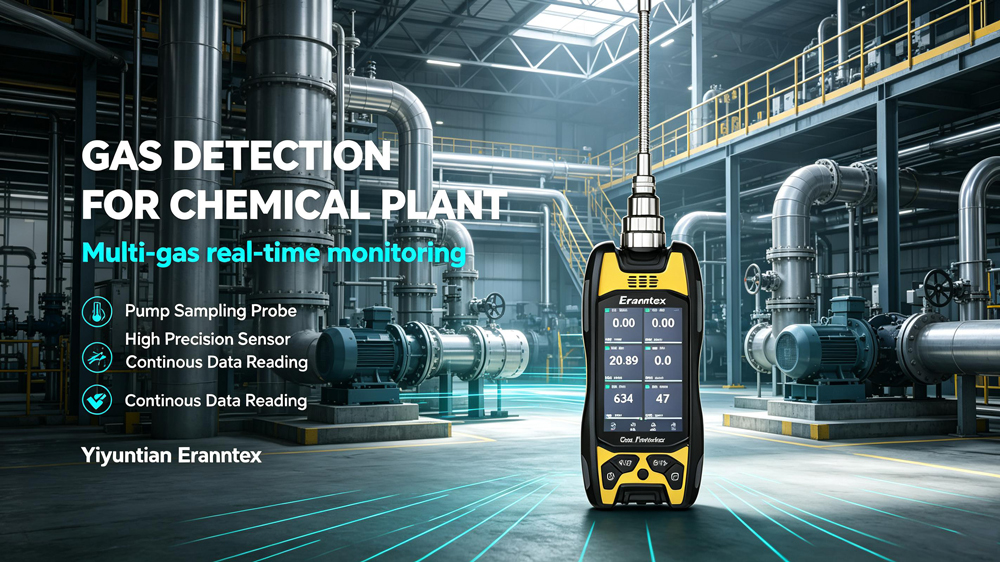
Portable four-in-one Gas Detectors User Manual
The portable four-in-one gas detectors is a core piece of personal protective equipment (PPE) for ensuring the safety of personnel...
2026-09-14 -

Calibration Specifications for Ammonia gas Detectors
Calibration of ammonia gas detectors is a core step in ensuring their measurement accuracy and alarm reliability. However, ammonia...
2026-09-11 -
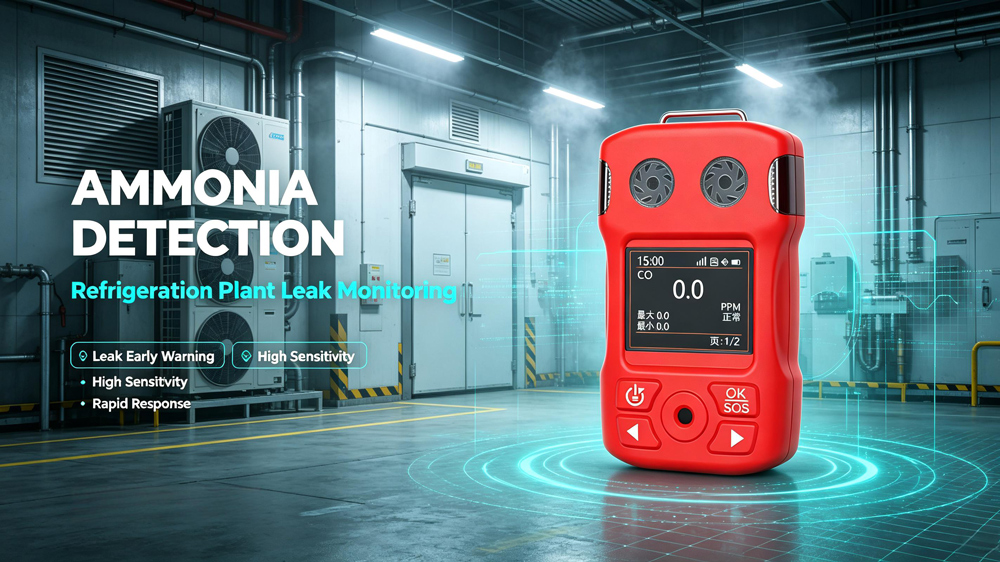
What is the appropriate installation height for an ammonia gas detectors?
Ammonia (NH₃) has a relative density of only 0.59, much lighter than air. This means that in the event of a leak, the gas will qu...
2026-09-09
 info@eranntexgas.com sale1@eranntexgas.com


 15914124845