
What is the calibration interval for oxygen detectors?
Publication Date:2026/08/28Oxygen detectors serve as a critical line of defense for personnel safety in fields such as industrial safety, confined space operations, and environmental monitoring. However, due to the physical characteristics of core components like electrochemical sensors, these instruments inevitably experience zero-point and span drift. Establishing a scientifically sound calibration schedule is essential to ensure absolute data accuracy. So, how often should an oxygen detectors be calibrated? There is no single, fixed answer; it depends on regulatory requirements, the operating environment, and the criticality of the data.
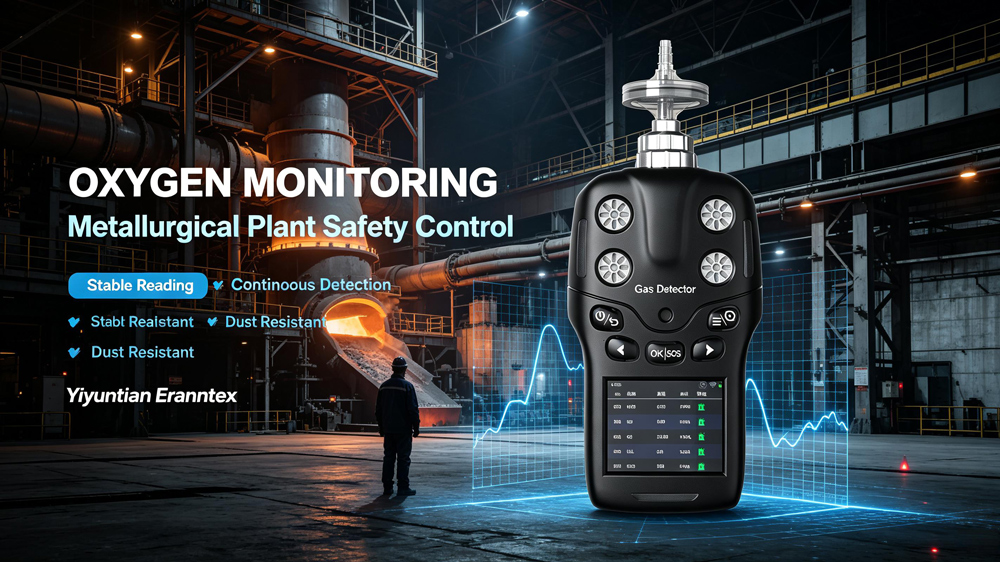
Industry Benchmarks: Annual Statutory Verification and Routine Functional Calibration
From the perspective of national metrological verification regulations and international standards, the statutory verification interval for oxygen detectors is typically one year. This means that, to meet strict compliance standards, the equipment must be sent to a qualified third-party metrology agency for comprehensive verification annually.
However, statutory verification does not replace routine maintenance and calibration. Since sensors operate in complex environments over long periods, the industry generally recommends performing a routine functional calibration every 3 to 6 months. For portable oxygen detectors, many professional manufacturers and safety guidelines even recommend monthly calibration to ensure the device responds accurately when it matters most.
Environment-Driven Factors: Accelerated Aging Under Harsh Conditions
The actual calibration frequency must be dynamically adjusted based on on-site operating conditions. In a standard, clean industrial environment, calibration every six months may suffice. However, if the oxygen detectors is continuously exposed to high dust levels, high humidity, highly corrosive gases, or extreme temperatures, the sensor's lifespan and stability will be significantly compromised.
Under such harsh conditions, it is advisable to shorten the calibration interval to once a month or even once every two weeks. Furthermore, for fixed online equipment—such as continuous emission monitoring systems—environmental regulations typically require that instruments lacking automatic calibration capabilities undergo zero-point and span calibration at least every 7 to 15 days.
Scenario Differences: From Daily Verification to Pre-Task Testing
Different application scenarios impose vastly different requirements for oxygen concentration measurement accuracy. In scenarios where data is critical—such as water quality monitoring or environmental sampling—it is strongly recommended to calibrate or verify the oxygen detectors before every sampling event.
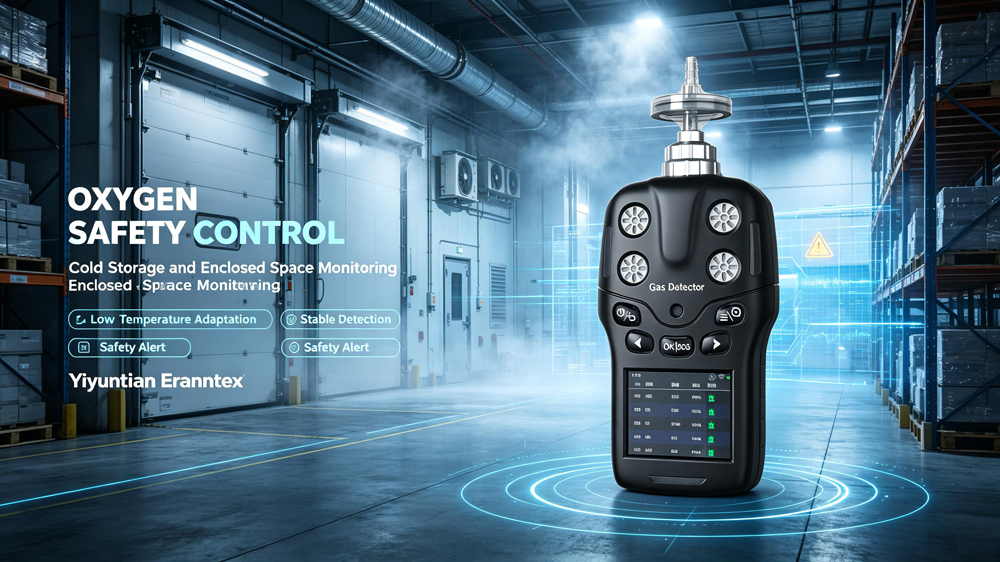
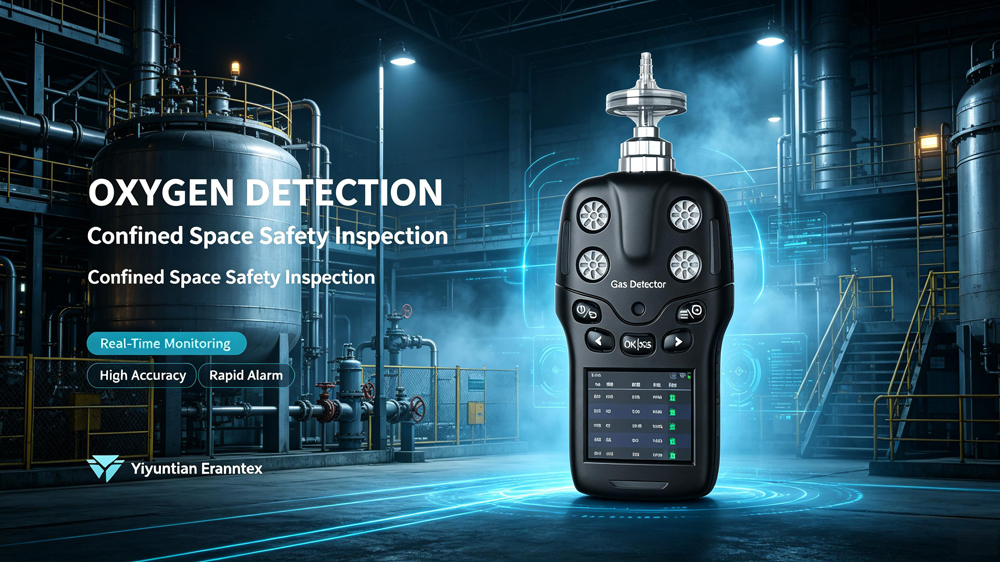
For work in confined spaces, the safe range for oxygen concentration is strictly defined as 19.5% to 23.5%. Because oxygen-deficient or oxygen-enriched environments can rapidly lead to asphyxiation or fire, safety regulations mandate that personnel use a portable oxygen detectors to test the atmosphere within 30 minutes prior to entry. If working conditions change or the task is prolonged, re-testing is required every two hours. Such high-frequency usage demands exceptional reliability from the detector, making strict adherence to routine functional calibration essential.
Best Practice: Establishing a Condition-Based Maintenance System
Rather than rigidly following a calendar-based schedule, a more sophisticated approach is to implement a condition-based calibration strategy. Modern smart oxygen detectors typically feature self-diagnostic and data-logging capabilities. Calibration should be triggered immediately under the following circumstances:
The reading fails to stabilize near 20.9% Vol upon startup in clean air;
The deviation exceeds permissible limits during a span test using standard gas;
The detector has sustained severe impact, water ingress, or prolonged exposure to extreme environments;
The sensor has reached the end of its service life (typically 2 to 3 years for electrochemical sensors).
In summary, determining the calibration cycle for oxygen detectors involves a comprehensive decision-making process: statutory verification is required annually, routine functional calibration is recommended every 3 to 6 months, and the frequency should be increased to monthly or even daily in harsh environments or critical data collection scenarios. Safety is paramount; high-quality calibration records serve not only as a prerequisite for regulatory compliance but also as a solemn commitment to protecting lives.
Related information
-
How to Calibrate a Portable four-in-one Gas Detectors?
Portable four-in-one gas detectors are core protective equipment in the industrial safety field. However, sensors can experience z...
2026-09-18 -
What are the application scenarios for portable four-in-one gas detectors?
Portable four-in-one gas detectors typically monitor oxygen (O₂), flammable gas (LEL), carbon monoxide (CO), and hydrogen sulfide...
2026-09-16 -
Portable four-in-one Gas Detectors User Manual
The portable four-in-one gas detectors is a core piece of personal protective equipment (PPE) for ensuring the safety of personnel...
2026-09-14 -

Calibration Specifications for Ammonia gas Detectors
Calibration of ammonia gas detectors is a core step in ensuring their measurement accuracy and alarm reliability. However, ammonia...
2026-09-11 -
What is the appropriate installation height for an ammonia gas detectors?
Ammonia (NH₃) has a relative density of only 0.59, much lighter than air. This means that in the event of a leak, the gas will qu...
2026-09-09
 info@eranntexgas.com sale1@eranntexgas.com


 15914124845