
How to Select Parameters for a Nitrogen Oxide Detectors?
Publication Date:2026/08/05Under increasingly stringent global environmental regulations and industrial safety standards, accurate selection of nitrogen oxide detectors has become a core aspect of enterprise compliance operations and risk management. However, faced with a complex array of technical specifications and models on the market, many international purchasing decision-makers and engineers often struggle to make a choice. In fact, selecting parameters for a nitrogen oxide detectors is not a simple matter of "checking a menu," but a systematic project that must be based on specific operating conditions, balancing compliance and economic benefits. Only by accurately matching core technical parameters can the equipment operate stably and reliably in extreme industrial environments for a long time. Below, Yiyuntian Eranntex will introduce the selection process.
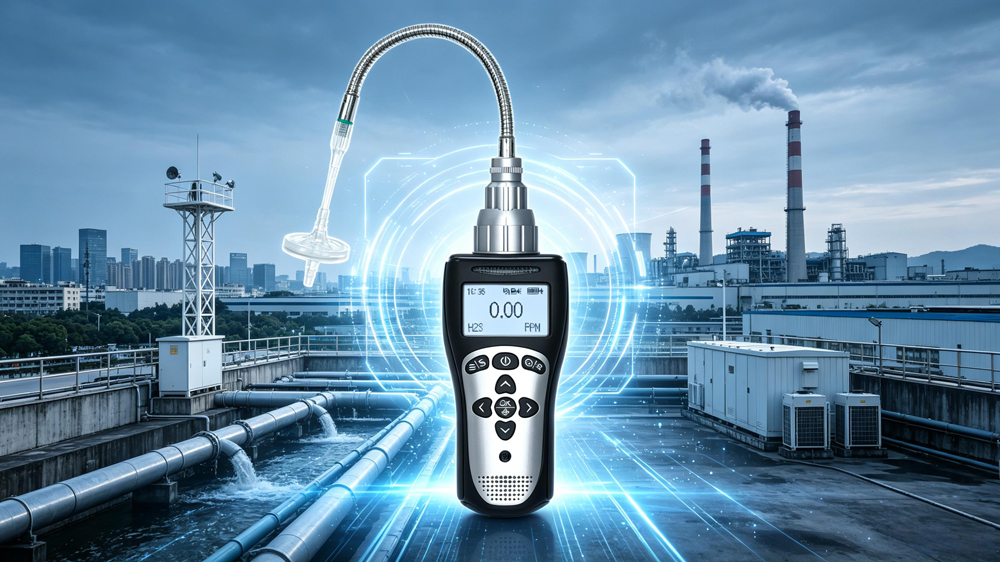
Clarify the Application Scenarios and Range Matching
The primary logical starting point for parameter selection is defining the specific monitoring needs and concentration range. In ambient air monitoring or confined space personnel safety protection scenarios, NOx concentrations are typically at the ppm or μg/m³ level. In such cases, a nitrogen oxide detector with a smaller range and extremely high resolution should be selected to ensure the sensitive detection of even minute leaks. In industrial waste gas emission scenarios, where NOx concentrations can reach thousands of mg/m³, high-range sensors must be selected. Furthermore, according to international environmental compliance standards, the sensor's operating range should cover the maximum measured concentration; it is generally recommended to set the maximum measured concentration to approximately 80% of full scale to ensure that acceptance technical specifications are met even with data drift.
Identifying Core Sensing Technologies and Anti-interference Capabilities
Sensor technology directly determines the accuracy and applicability of the equipment. For routine industrial safety and low-to-medium concentration emission monitoring, electrochemical sensors are the mainstream choice due to their low power consumption and fast response. However, when facing harsh operating conditions such as high temperatures, high dust levels, and complex matrix gases containing SO₂ and CO in steel plants, sensors with strong anti-interference designs must be selected. Nitrogen oxide detectors, for example, employ high-temperature heated sampling tubes to prevent flue gas condensation and incorporate cross-interference compensation algorithms to ensure the independence of NOx data. For high-precision process control or ultra-low emission monitoring, non-dispersive infrared (NDIR) or chemiluminescence (CLD) methods offer superior long-term stability and ppb-level sensitivity.
Stringent Physical Protection and Explosion-Proof Compliance
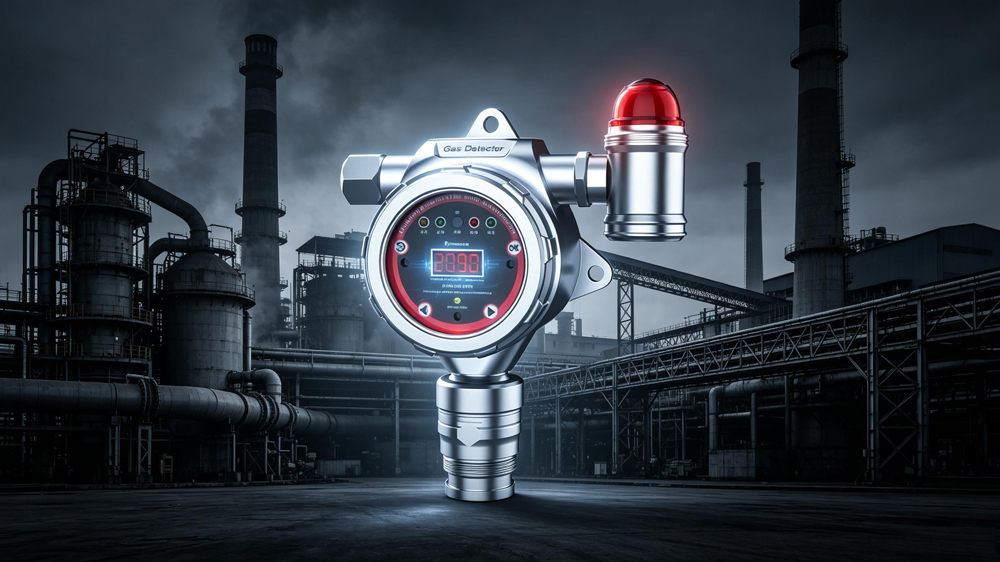
Industrial environments often involve extreme temperatures, high humidity, and explosive hazards; therefore, the physical protection parameters of the instrument are an absolute minimum. When selecting a model, the enclosure protection rating of the nitrogen oxide detectors must be confirmed: at least IP54 for conventional indoor environments, and IP65 or IP67 for outdoor or high-humidity, high-dust environments. For environments with explosive gases... In hazardous areas, nitrogen oxide detectors must possess internationally recognized explosion-proof certification to ensure the instrument itself does not become an ignition source. Furthermore, the temperature resistance of the sampling system must be strictly matched; standard pretreatment systems typically need to withstand temperatures of 200°C to 300°C, and special operating conditions may even require customized high-temperature sampling probes capable of 1300°C.
Evaluating Data Interfaces and Lifecycle Maintenance
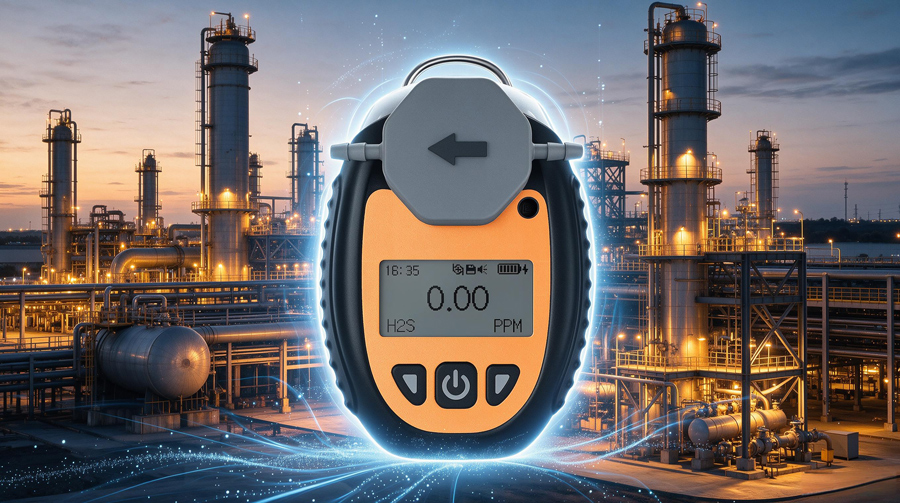
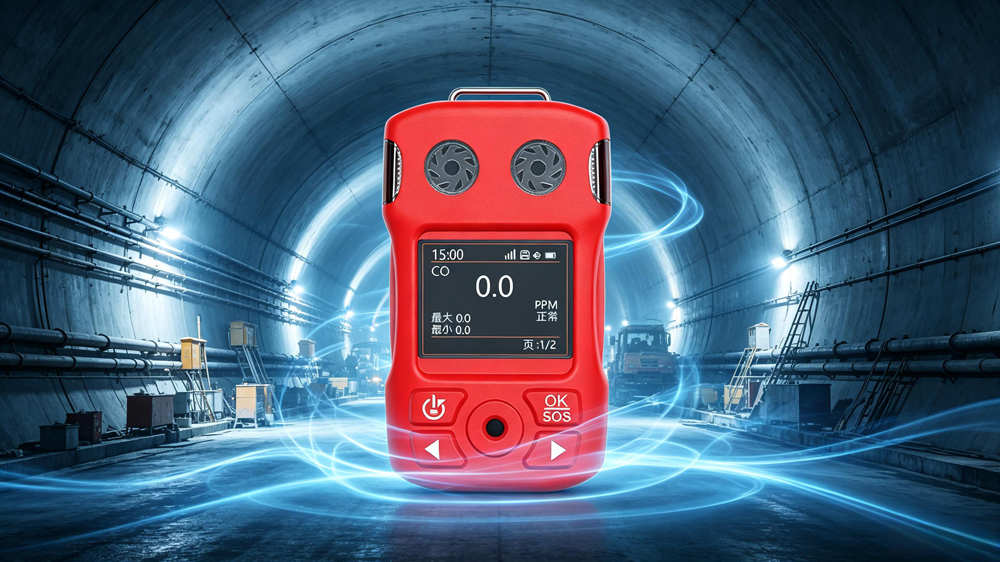
In terms of parameter configuration, nitrogen oxide detectors should have abundant data output interfaces and support standard 212 protocol or GPRS/Wi-Fi wireless transmission for seamless integration with environmental monitoring platforms or the factory's central control system. In addition, "ease of maintenance" must be considered during selection. Priority should be given to models with automatic zero-point calibration functions, support for convenient on-site calibration, and... Models with long filter replacement cycles. A comprehensive assessment of the sensor's expected lifespan and consumable costs is essential to constructing a precise, compliant, and economical full lifecycle safety protection solution.
In conclusion, selecting parameters for a nitrogen oxide detectors is a systematic decision requiring comprehensive consideration of the application scenario, sensor technology, physical protection, and digital operation and maintenance. From precise range matching to stringent explosion-proof compliance, and to full lifecycle cost assessment, the determination of each parameter directly relates to a company's safety defenses and environmental bottom line. This parameter selection guide, based on international engineering practices, aims to help companies navigate complex industrial environments, select nitrogen oxide detectors that meet their specific needs, and thus provide the strongest technical support for safe production and green operations.
Related information
-
How to Calibrate a Portable four-in-one Gas Detectors?
Portable four-in-one gas detectors are core protective equipment in the industrial safety field. However, sensors can experience z...
2026-09-18 -
What are the application scenarios for portable four-in-one gas detectors?
Portable four-in-one gas detectors typically monitor oxygen (O₂), flammable gas (LEL), carbon monoxide (CO), and hydrogen sulfide...
2026-09-16 -
Portable four-in-one Gas Detectors User Manual
The portable four-in-one gas detectors is a core piece of personal protective equipment (PPE) for ensuring the safety of personnel...
2026-09-14 -

Calibration Specifications for Ammonia gas Detectors
Calibration of ammonia gas detectors is a core step in ensuring their measurement accuracy and alarm reliability. However, ammonia...
2026-09-11 -
What is the appropriate installation height for an ammonia gas detectors?
Ammonia (NH₃) has a relative density of only 0.59, much lighter than air. This means that in the event of a leak, the gas will qu...
2026-09-09
 info@eranntexgas.com sale1@eranntexgas.com


 15914124845