
Portable four-in-one Gas Detectors User Manual
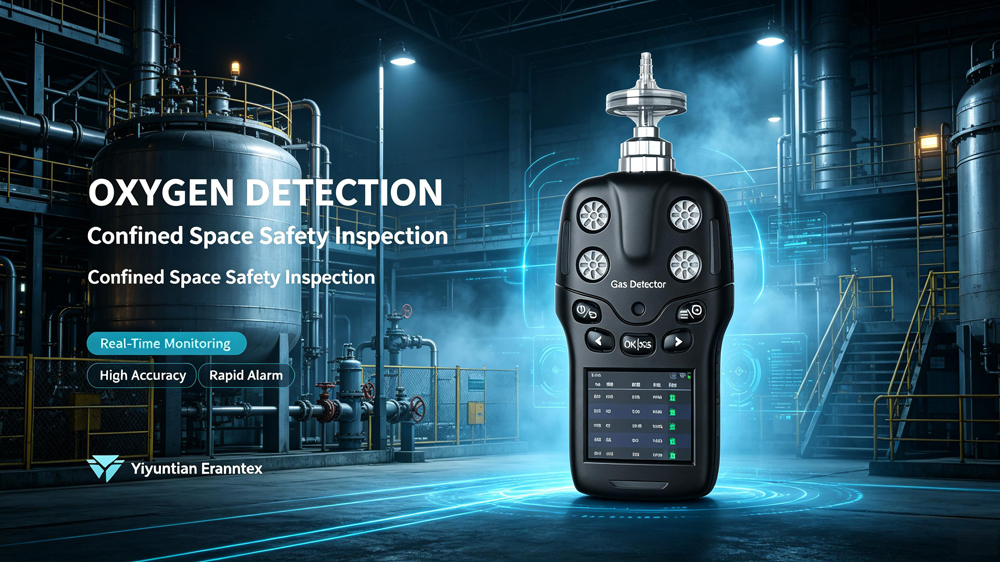
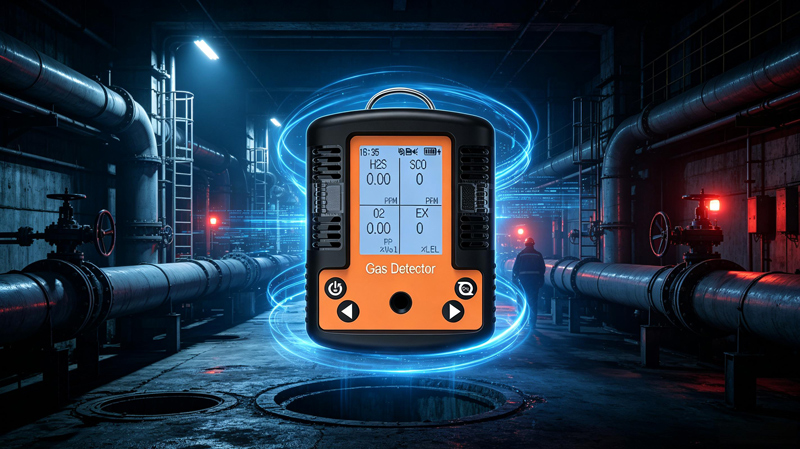
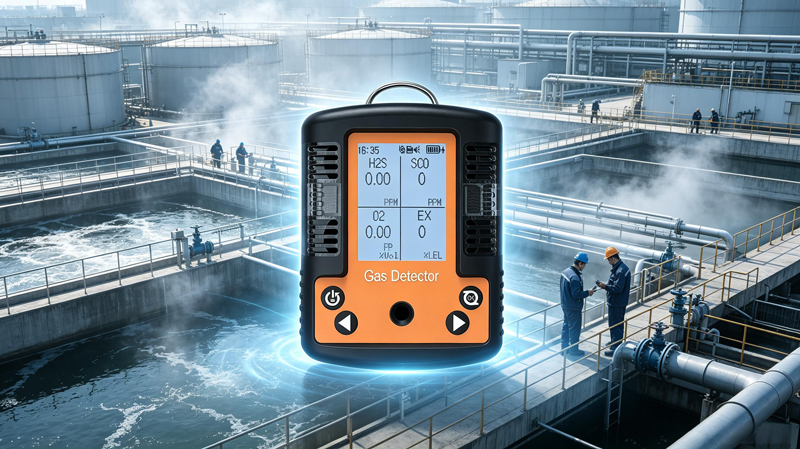
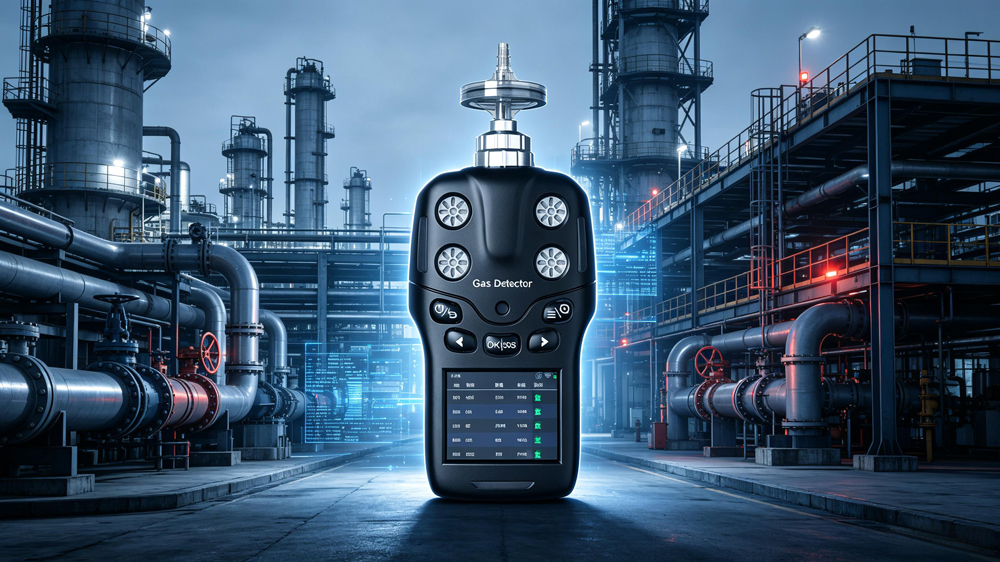
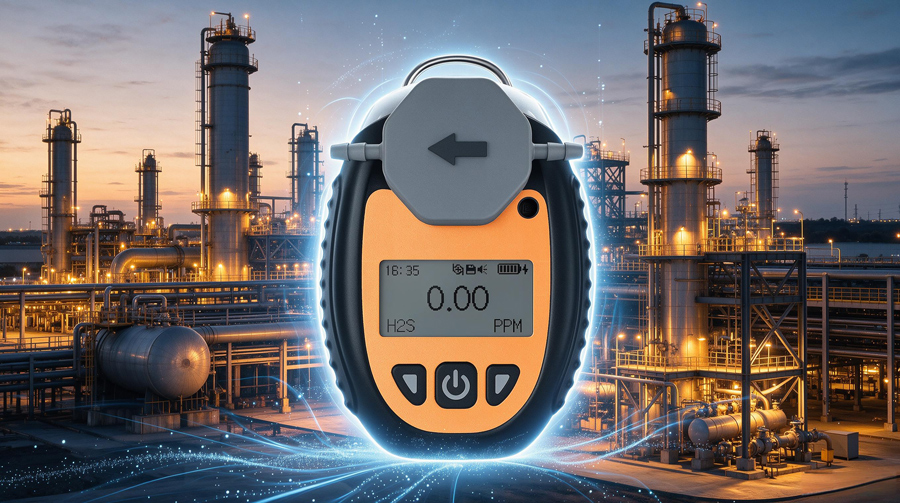
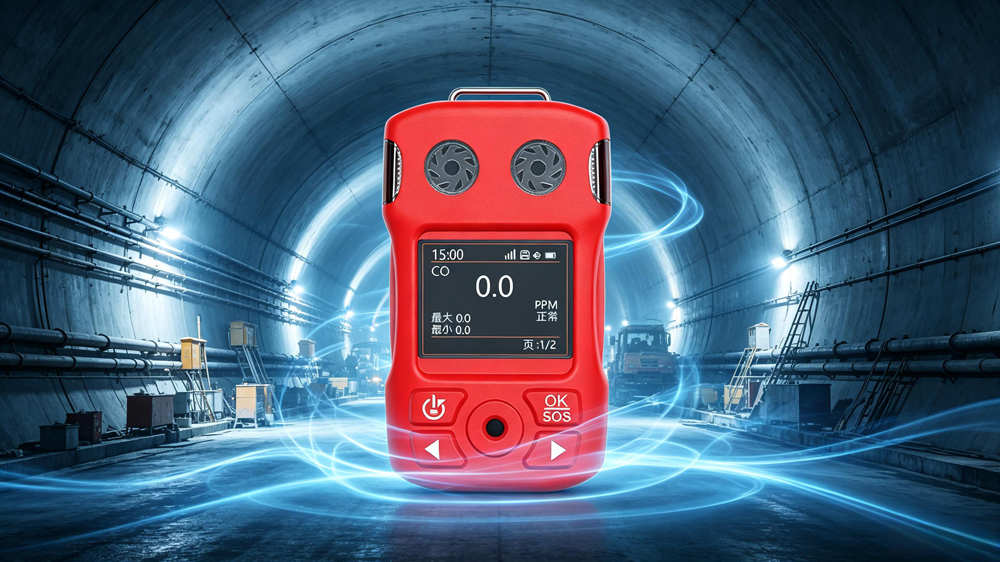
Publication Date:2026/09/14The portable four-in-one gas detectors is a core piece of personal protective equipment (PPE) for ensuring the safety of personnel in industrial sites. It can simultaneously and continuously monitor four critical gases: combustible gas (EX/LEL), oxygen (O₂), carbon monoxide (CO), and hydrogen sulfide (H₂S). For safety supervisors, field workers, and EHS managers, mastering the standardized operating procedures of the portable four-in-one gas detectors is not only a prerequisite for ensuring accurate detection data but also a lifeline for preventing fatal accidents. Below is a standard user guide based on internationally accepted safety standards, summarized by Yiyuntian Eranntex.
Preparation Before Use: Equipment Inspection and Safety Confirmation
Any gas detection operation must begin with rigorous preparation. Operators must conduct a comprehensive check of the portable four-in-one gas detectors: First, check for any damage to the casing, ensure the sensor inlet is unobstructed, and verify that the anti-slip rubber and buttons are functioning properly. Secondly, ensure the battery is fully charged. It is generally recommended that the battery level be at least 80% before use. If the battery is low, it must be charged in a safe area first. Never plug or unplug the charger in dangerous areas to avoid generating electrical sparks that could cause an explosion. Finally, verify that the device is within its valid calibration period. According to international standards, it is recommended to perform professional calibration at least once every 6 months, and in high-risk scenarios, this should be shortened to once every 3 months. In addition, a "bump test" should be performed before daily use, which involves introducing a standard gas of known concentration to confirm that the instrument can respond correctly and trigger the audible, visual, and vibration alarms. If the test fails, it is strictly forbidden to use the device.
Power-on Self-test and Warm-up Zeroing
After pressing and holding the power button for 2 to 3 seconds to start the device, the portable four-in-one gas detectors will automatically enter a self-test program, which usually lasts 30 seconds to 1 minute. During this period, the device will perform a comprehensive diagnostic of the sensor response, audible and visual alarm functions, and display screen. After passing the self-test, the portable four-in-one gas detectors enters the preheating stage. Operators must wait for the readings to stabilize in a clean, fresh air environment, confirming that the oxygen reading is approximately 20.9% VOL and that the readings for combustible and toxic gases are zero. It is crucial to emphasize that it is strictly forbidden to turn on the device and zero it in an environment where toxic or combustible gases are known to be present; otherwise, all subsequent measurements will show a fatal negative deviation.
On-site Detection Operation: Diffusion and Pump Suction
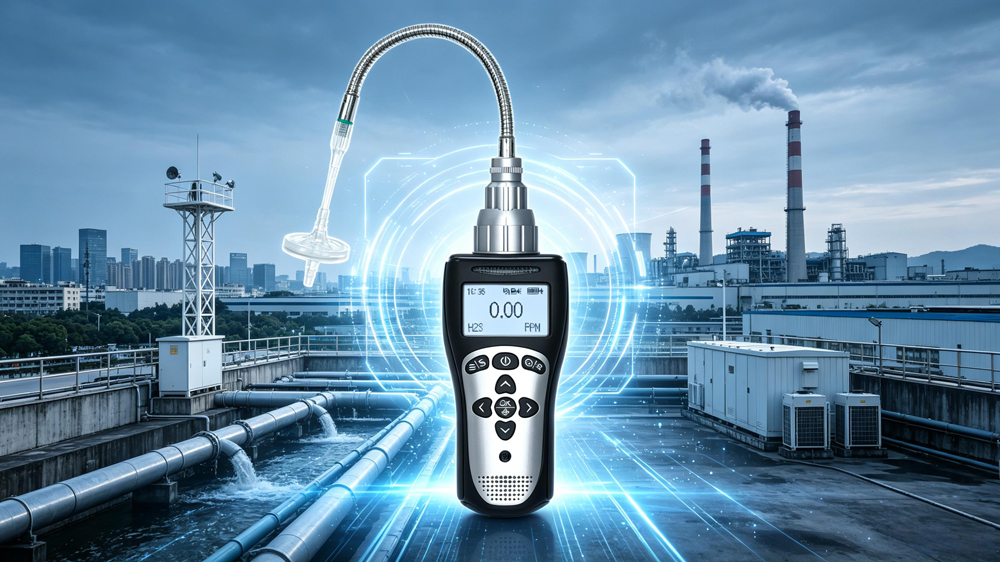
Depending on the work scenario, the detection operation is divided into two modes. In routine inspections in open spaces, diffusion sampling is used: Hold the device by hand or wear it near the breathing belt, pointing the air inlet towards the direction of potential gas leakage. Keep the distance between the device and the detection point no more than 30 cm, move it slowly, and pause for 3 to 5 seconds until the data stabilizes before taking the reading. When entering confined spaces such as storage tanks, pipelines, and sewage wells, pump-suction sampling must be used: connect an extension sampling tube, extend the probe into the space, and follow the "top-down" detection principle—first test the top (light flammable gases, areas where hydrogen tends to accumulate), then the middle (oxygen, carbon monoxide), and finally the bottom (heavy gases such as hydrogen sulfide and carbon dioxide tend to settle). Stay at each location for 3 to 5 minutes until the values stabilize before recording the data. Personnel can only be approved to enter the work area when the concentrations of all four gases are within safe limits.
Alarm Response and Emergency Handling
Portable four-in-one gas detectors typically employ a triple alarm mechanism of sound, light, and vibration. When the instrument triggers a low-limit alarm, operators should immediately become vigilant, investigate the leak source, and increase ventilation. When a high-limit alarm is triggered, all work must be stopped immediately, and personnel must quickly evacuate to a safe upwind area, notify colleagues, and report to superiors. Re-entering the danger zone before the alarm is cleared is strictly prohibited.
Power-off Maintenance and Data Storage
After completing the testing task, the portable four-in-one gas detectors should be taken to a clean air environment. Wait until all gas readings return to zero before powering off. Press and hold the power button for 3 to 5 seconds to complete the shutdown, then wipe the body and air inlet with a soft cloth to remove dust and oil. If the device has a data logging function, the test logs should be exported promptly via USB or wirelessly for archiving and future reference. The device should be stored in a dry, ventilated environment free of corrosive gases, avoiding direct sunlight and violent impacts, ensuring it is always in optimal standby condition.
Related information
-
Portable four-in-one Gas Detectors User Manual
The portable four-in-one gas detectors is a core piece of personal protective equipment (PPE) for ensuring the safety of personnel...
2026-09-14 -

Calibration Specifications for Ammonia gas Detectors
Calibration of ammonia gas detectors is a core step in ensuring their measurement accuracy and alarm reliability. However, ammonia...
2026-09-11 -
What is the appropriate installation height for an ammonia gas detectors?
Ammonia (NH₃) has a relative density of only 0.59, much lighter than air. This means that in the event of a leak, the gas will qu...
2026-09-09 -
Can a carbon dioxide detectors measure formaldehyde?
Standard carbon dioxide detectors cannot detect formaldehyde. They require different sensor technologies for accurate measuremen...
2026-09-04 -

How Long Does a Carbon Dioxide Detectors Last?
The lifespan of a carbon dioxide detectors is a core issue that every safety manager and procurement decision-maker must address. ...
2026-09-02

 info@eranntexgas.com sale1@eranntexgas.com


 18926518127