
Precautions for Daily Maintenance of Nitrogen Oxide Detectors
Publication Date:2026/08/07Nitrogen oxide detectors are the "first line of defense" in industrial sites for detecting toxic gas leaks and ensuring environmental compliance. However, even the most sophisticated instruments face performance degradation risks under harsh conditions filled with dust, corrosive gases, and drastic temperature and humidity fluctuations. For facility managers and safety engineers, daily maintenance is not simply post-failure repair, but a core safeguard for ensuring absolute data accuracy and extending equipment lifespan. Establishing a scientific and rigorous preventative maintenance system is key to ensuring that nitrogen oxide detectors are always in optimal readiness.
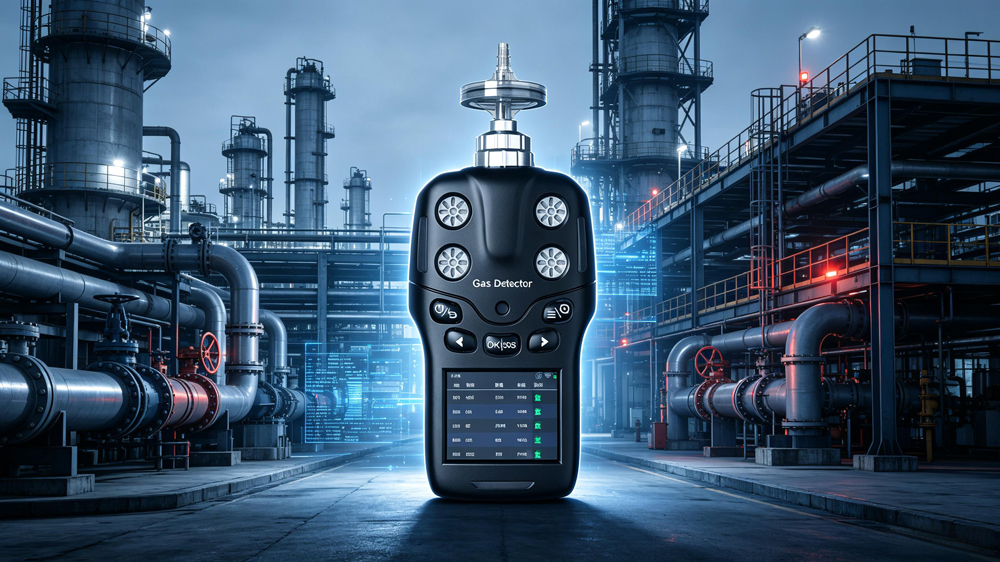
The following are precautions for daily maintenance of nitrogen oxide detectors:
I. Optimize the Installation Environment and Standardize Daily Operations
The operating environment of the instrument directly determines its lifespan. In daily management, it is essential to ensure that nitrogen oxide detectors are kept away from harsh environments with high temperatures, high humidity, and high dust levels. Prolonged use and storage in dusty or dirty locations are strictly prohibited. Before each measurement, sufficient warm-up time must be allowed to allow the sensor to reach a stable operating state. In addition, the instrument is a precision device and must not be disassembled, subjected to heavy impacts or pressure. Direct sunlight and liquid intrusion should be avoided as much as possible. If liquid accidentally enters the probe port, the instrument should be inverted to allow the liquid to drain naturally; do not shake the equipment.
II. Cleaning and Anti-clogging Management of the Sampling System
Unobstructed airflow is crucial for accurate measurement data. Operators must check the backflushing system of the sampling probe daily and, depending on the dust content at the site, regularly backflush the probe filter with compressed air. Disassemble and clean the accumulated dust monthly to prevent filter blockage and reduced sampling flow. Simultaneously, closely monitor the drainage of the condenser and dewatering device to prevent condensate buildup and backflow into the analyzer, which could damage the sensor. The particulate filter must be replaced regularly according to the actual site conditions; oil and particulate matter must be strictly prohibited from entering the pipeline and causing sensor contamination.
III. Regular Calibration and Sensor Lifecycle Management
The sensitivity of the sensor will naturally drift over time; therefore, regular calibration is of paramount importance in maintenance. For nitrogen oxide detectors, it is recommended to perform zero-point calibration daily, span calibration weekly, and actual flue gas comparison verification every 3 months. For portable devices, professional calibration is typically required every 6 months to 1 year. Furthermore, the lifespan of sensors must be strictly managed. Electrochemical sensors contain acidic solutions and are consumables, with a lifespan typically of 1 to 2 years. Once the expiration date is exceeded or performance degradation occurs, they must be replaced immediately; exceeding the service life is strictly prohibited.
IV. Standardized Maintenance Records and Emergency Response
Comprehensive record management is the foundation for compliance audits. Maintenance records must be accurately filled out and archived for each routine inspection, consumable replacement, or standard gas replacement. Regarding fault handling, if the nitrogen oxide detectors malfunctions or online data exceeds limits, on-site investigation should be conducted within the specified time, and a fault report should be issued through the environmental protection platform. If the fault cannot be resolved quickly, a manual retest plan must be immediately activated to ensure the continuity of monitoring data. All repair and calibration work should be performed by qualified personnel; unauthorized disassembly and assembly are strictly prohibited.
In conclusion, routine maintenance of nitrogen oxide detectors is a systematic task requiring patience and expertise. From cleaning and preventing blockages in the gas path and controlling environmental temperature and humidity, to regular calibration and replacement of consumables, negligence in any step can lead to safety blind spots. Enterprises should deeply integrate the "prevention-first" maintenance philosophy into their daily operation and maintenance management, establishing standardized operating logs and emergency plans. Only by closely combining standardized maintenance procedures with professional technical support can we ensure that every nitrogen oxide detectors provides accurate and reliable data at critical moments, safeguarding the enterprise's safe production and compliant operation.
Related information
-
How to Calibrate a Portable four-in-one Gas Detectors?
Portable four-in-one gas detectors are core protective equipment in the industrial safety field. However, sensors can experience z...
2026-09-18 -
What are the application scenarios for portable four-in-one gas detectors?
Portable four-in-one gas detectors typically monitor oxygen (O₂), flammable gas (LEL), carbon monoxide (CO), and hydrogen sulfide...
2026-09-16 -
Portable four-in-one Gas Detectors User Manual
The portable four-in-one gas detectors is a core piece of personal protective equipment (PPE) for ensuring the safety of personnel...
2026-09-14 -

Calibration Specifications for Ammonia gas Detectors
Calibration of ammonia gas detectors is a core step in ensuring their measurement accuracy and alarm reliability. However, ammonia...
2026-09-11 -
What is the appropriate installation height for an ammonia gas detectors?
Ammonia (NH₃) has a relative density of only 0.59, much lighter than air. This means that in the event of a leak, the gas will qu...
2026-09-09
 info@eranntexgas.com sale1@eranntexgas.com


 15914124845