
Correct Procedures for Calibrating Carbon Monoxide Detectors
Publication Date:2026/07/31For safety supervisors, metrology engineers, and on-site maintenance personnel in the international market, calibrating carbon monoxide detectors is a mandatory requirement to ensure device accuracy and regulatory compliance. Calibration is not merely a matter of "applying gas and taking a reading"; it is a rigorous, systematic process. To ensure that calibration results are legally valid and accurately reflect on-site safety conditions, operators must strictly adhere to the standardized procedures outlined below by the team at Yiyuntian Eranntex.
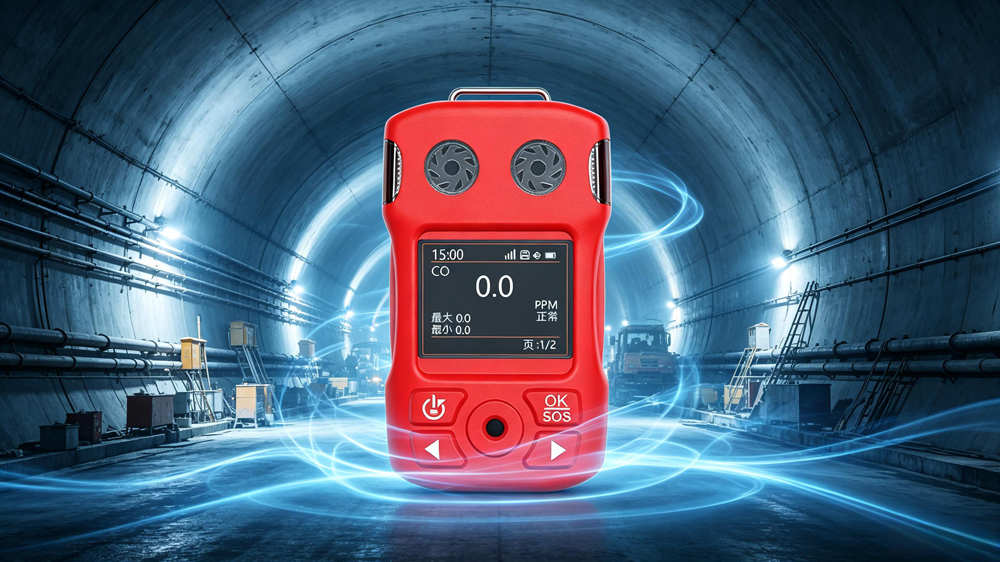
Phase 1: Environmental Assessment and Safety Preparation
The calibration of any precision gas detection equipment must begin with rigorous preparation. First, operators must ensure the calibration environment is safe and compliant: the ambient temperature should be between 0°C and 40°C, relative humidity below 85%, and the site must be well-ventilated. Calibration is strictly prohibited in areas with combustible gas accumulation or strong electromagnetic interference. Second, all necessary calibration equipment must be assembled, including certified standard gas samples (with accurate concentrations and valid expiration dates), a verified flow meter, a pressure-reducing valve, and a dedicated calibration hood. Finally, ensure the carbon monoxide detectors has sufficient battery power and power it on to warm up for at least 10 to 30 minutes; this eliminates thermal drift caused by temperature fluctuations and allows the readings to stabilize.
Phase 2: Zero Calibration
Zero calibration is the critical step for establishing the instrument's baseline; its purpose is to inform the sensor that the background concentration of the current environment is absolute zero. During the procedure, place the carbon monoxide detectors in clean, fresh air. Once the reading stabilizes, access the function menu and select the "Zero Calibration" option; the instrument will automatically read the current electrical signal and lock it as 0.00 ppm. It is important to note that if trace amounts of carbon monoxide or other cross-interfering gases are present in the environment, modern carbon monoxide detectors will typically trigger a "data anomaly" protection mechanism and refuse to save the zero point. This safeguard prevents users from performing the operation in a contaminated environment, which could otherwise lead to critical negative deviations in all subsequent measurement data.
Phase 3: Span Calibration
After completing zero-point calibration, span calibration is required to ensure the instrument's response linearity at specific concentrations. Connect the standard gas cylinder to the carbon monoxide detectors inlet via a pressure-reducing valve and flow meter, adjusting the gas flow to the range specified in the equipment manual. Continuously introduce the standard gas of known concentration to the sensor and wait approximately 60 to 90 seconds until the AD value on the screen rises to a peak and stabilizes. Subsequently, within the instrument's calibration settings menu, manually adjust the displayed real-time concentration value to match exactly the concentration specified on the standard gas cylinder's label, then confirm and save the setting. This process essentially corrects the sensor's gain factor, ensuring accurate quantitative analysis when the device encounters actual hazardous gas.
Phase 4: Alarm Point Testing and Compliance Documentation
Once hardware parameter adjustments are complete, the instrument's audible and visual alarm systems must undergo functional verification. In accordance with internationally recognized safety standards, the low-level carbon monoxide alarm threshold is typically set at 24 ppm or 30 ppm, with the high-level alarm set at a higher threshold. Operators can use the menu to verify that current alarm setpoints comply with local regulations and then introduce a standard gas with a concentration slightly above the alarm threshold to observe whether the instrument promptly triggers the high-decibel buzzer and device vibration. Finally, upon completion of all commissioning steps, a detailed calibration record must be filled out, noting the standard gas concentration used, the calibration date, and the operator's signature. Only carbon monoxide detectors that have undergone full commissioning and demonstrated normal operation during surface testing may be approved for actual use in confined space operations.
Related information
-
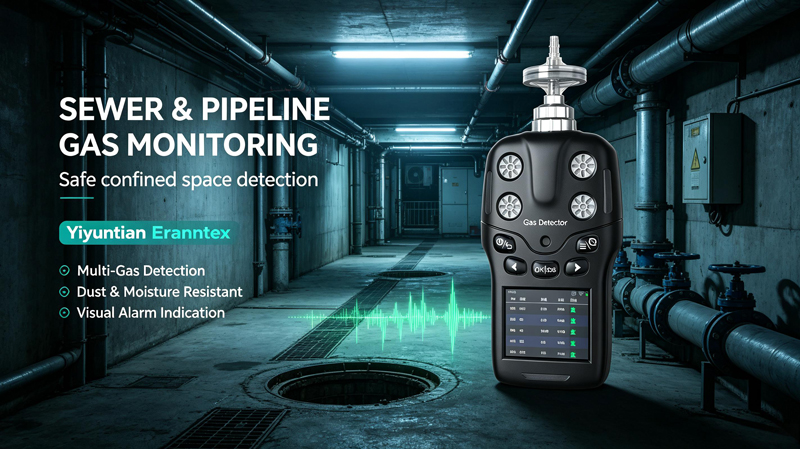
What are the application scenarios for portable four-in-one gas detectors?
Portable four-in-one gas detectors typically monitor oxygen (O₂), flammable gas (LEL), carbon monoxide (CO), and hydrogen sulfide...
2026-09-16 -
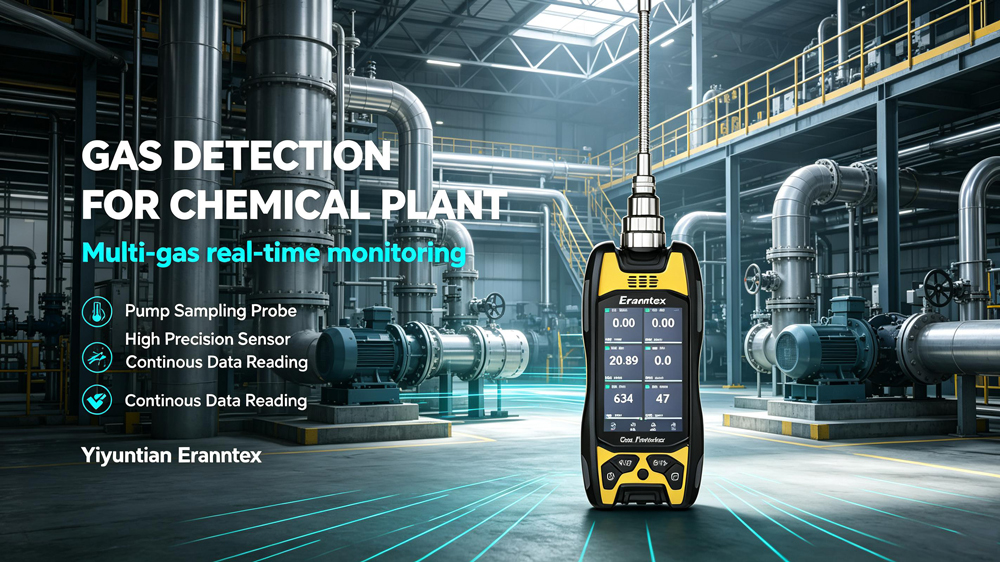
Portable four-in-one Gas Detectors User Manual
The portable four-in-one gas detectors is a core piece of personal protective equipment (PPE) for ensuring the safety of personnel...
2026-09-14 -

Calibration Specifications for Ammonia gas Detectors
Calibration of ammonia gas detectors is a core step in ensuring their measurement accuracy and alarm reliability. However, ammonia...
2026-09-11 -
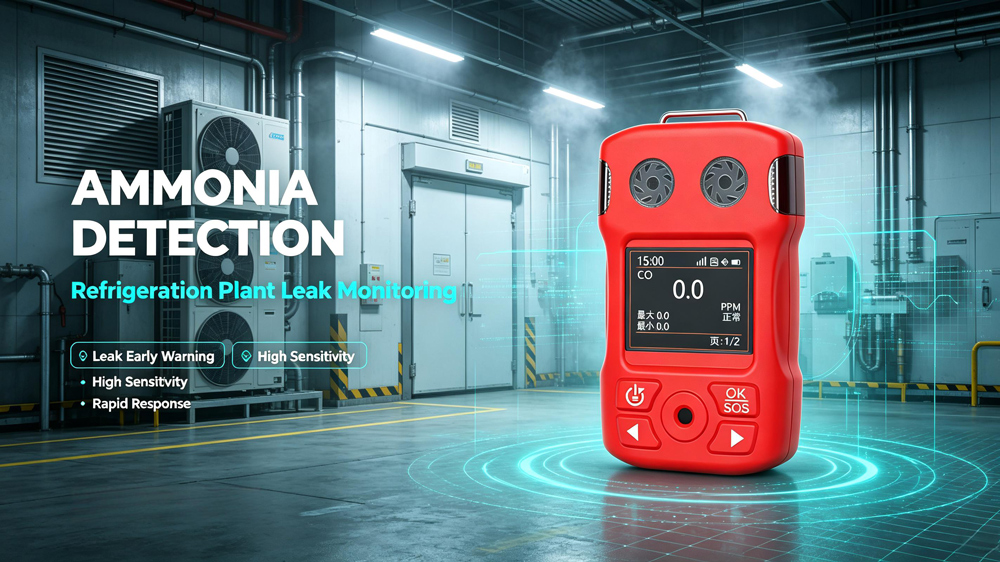
What is the appropriate installation height for an ammonia gas detectors?
Ammonia (NH₃) has a relative density of only 0.59, much lighter than air. This means that in the event of a leak, the gas will qu...
2026-09-09 -
Can a carbon dioxide detectors measure formaldehyde?
Standard carbon dioxide detectors cannot detect formaldehyde. They require different sensor technologies for accurate measuremen...
2026-09-04
 info@eranntexgas.com sale1@eranntexgas.com


 18926518127