
What are the application scenarios for portable four-in-one gas detectors?
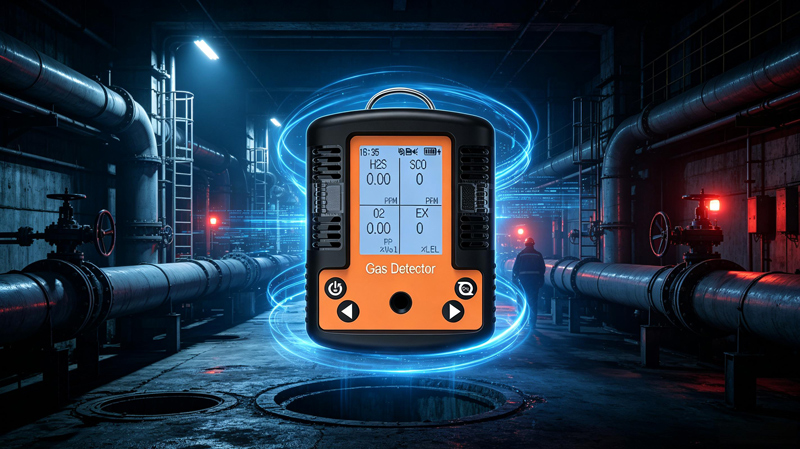
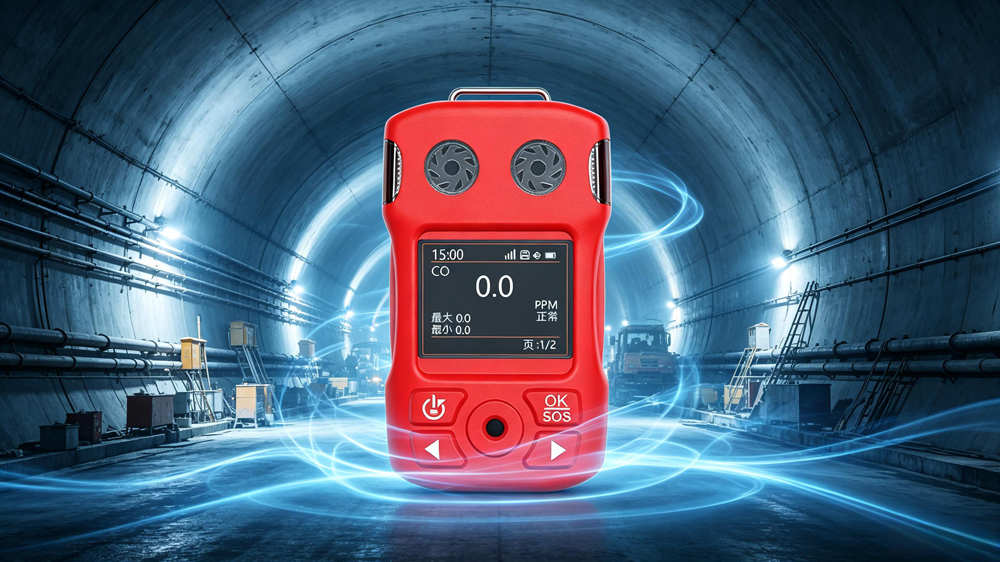
Publication Date:2026/09/16Portable four-in-one gas detectors typically monitor oxygen (O₂), flammable gas (LEL), carbon monoxide (CO), and hydrogen sulfide (H₂S) simultaneously, and are among the most widely used personal protective equipment in the global industrial safety field. Its core value lies in integrating four common lethal gas risks into a single lightweight device, providing frontline workers with real-time environmental safety assessments. From underground utility tunnels to offshore platforms, from chemical workshops to fire rescue sites, the application scenarios for portable 4-in-1 gas detectors cover almost all industrial environments with gas risks.
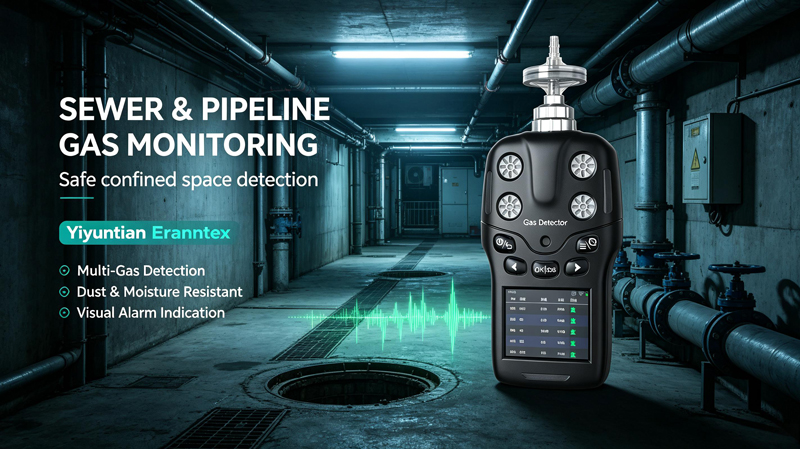
I. Confined Space Operations: The Most Core Application Scenario
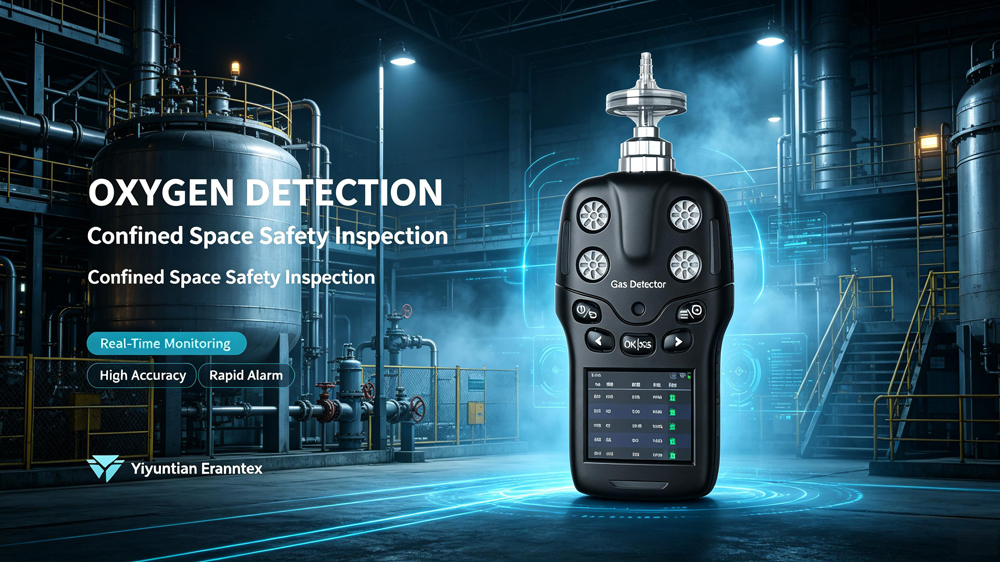
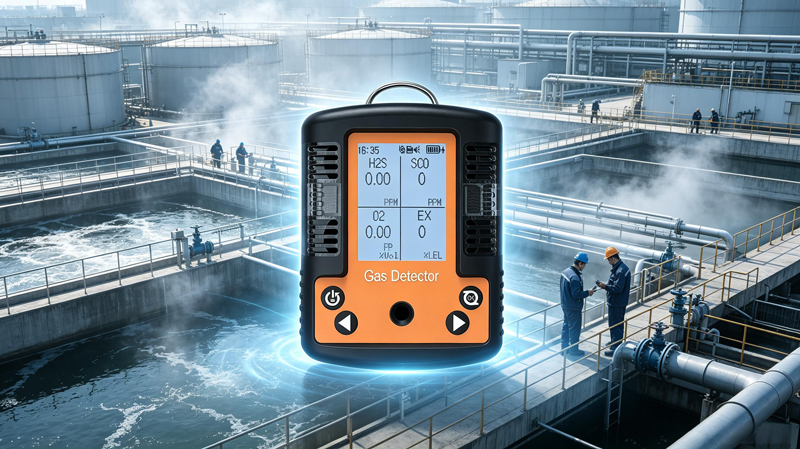
Confined spaces are the most widespread and critical application scenario for portable four-in-one gas detectors. Enclosed or semi-enclosed spaces such as storage tanks, sewers, sewage wells, cellars, pipelines, and ship cabins, due to poor ventilation, are prone to accumulating toxic and harmful gases or creating oxygen-deficient environments. According to relevant safety regulations, the golden rule of "detect first, then enter, then work" must be strictly followed before entering confined spaces.
In municipal sewage well operations, hydrogen sulfide (H₂S) produced by the decomposition of sulfur-containing organic matter is the number one killer—high concentrations can rapidly paralyze the sense of smell, making it extremely insidious; levels above 500 ppm can cause loss of consciousness or even death within minutes. Simultaneously, microbial oxygen consumption can cause oxygen levels to plummet below 19.5%, posing a risk of asphyxiation; methane (CH₄) produced by the fermentation of organic matter poses an explosion hazard. Operators must use a pump-type detector to sample the top, middle, and bottom of the space in layers, staying at each point for 3 to 5 minutes until the readings stabilize before determining whether entry is safe. Throughout the operation, each person entering must wear a portable detector to continuously monitor environmental changes.
II. Petrochemical and Manufacturing Industries: Routine Inspections and Hot Work Operations
In high-risk locations such as oil refineries, chemical plants, and natural gas processing stations, flammable gas leaks and toxic gas releases are common safety hazards. Portable four-in-one gas detectors play two core roles in these scenarios: first, routine inspections, where inspectors carry diffusion detectors to monitor key areas such as installation zones, pipe corridors, and valve groups, promptly detecting even minor leaks; second, hot work monitoring, where before welding, cutting, or other hot work operations, the monitor must use the portable four-in-one gas detectors to confirm that the concentration of flammable gas in the work area is below 10% of the lower explosive limit, and continuous monitoring must be maintained throughout the operation.
Furthermore, during the loading, unloading, and storage of goods in hazardous chemical warehouses, the accumulation of volatile organic compound vapors also requires real-time monitoring. According to industry safety regulations, personnel entering hazardous chemical warehouses must wear portable four-in-one gas detectors to ensure immediate early warning in the event of a sudden leak.
III. Fire Rescue and Disaster Sites: The "Eyes" of Emergency Response
At fire scenes and in the ruins following natural disasters (such as earthquakes and floods), the risk of secondary disasters such as ruptured flammable gas pipelines and chemical leaks is extremely high. Before entering a disaster site, firefighters must use a portable four-in-one gas detectors to assess environmental safety, determine the need for positive pressure breathing apparatus, and assess the presence of explosion risks.
During post-disaster search and rescue operations, collapsed buildings may cause natural gas pipeline ruptures, leading to the accumulation of methane in the rubble and the formation of an explosive mixture. Simultaneously, carbon monoxide, produced by incomplete combustion, is colorless and odorless, and is one of the most common causes of death in fires. The four-in-one detectors provides crucial environmental data support for rescue commanders, helping them make informed rescue decisions.
IV. New Energy Power Stations and Ships: Emerging and Special Scenarios
With the accelerated global energy transition, wind farms and photovoltaic power stations have become emerging application areas for portable four-in-one gas detectors. In confined spaces such as wind turbine nacelles, transformer substations, cable trenches, and maintenance wells, the operation of electrical equipment may produce toxic gases, and the aging and decomposition of cable insulation materials may release flammable gases. The portable four-in-one gas detectors, with its lightweight, portable design and instant-on detection capabilities, has become standard safety equipment for maintenance personnel at new energy power stations.
In the shipping industry, all liquid cargo ships are mandated to be equipped with portable instruments for measuring oxygen and flammable vapor concentrations. Before entering confined spaces such as cargo holds, ballast tanks, and fuel tanks, crew members must conduct a comprehensive gas environment assessment using a portable four-in-one gas detectors; this is a mandatory safety requirement of the International Maritime Organization (IMO).
V. Environmental Monitoring and Scientific Research Laboratories
Environmental protection departments frequently use portable four-in-one gas detectors during air quality inspections to quickly screen areas surrounding industrial parks, landfills, and sewage treatment plants, assessing the diffusion range and concentration levels of toxic gases such as carbon monoxide and hydrogen sulfide. In scientific research laboratories, portable four-in-one gas detectors are used by researchers to monitor gas concentrations in the experimental environment in real time during chemical experiments, ensuring that experiments are conducted within safe limits and preventing accidental leaks of toxic gases that could harm personnel.
In summary, the portable four-in-one gas detectors has extremely wide applications, covering almost all industrial and public environments where gas risks exist. Its core value lies in transforming the "invisible and odorless" gas threat into intuitive digital readings and instant alarms, building a reliable safety barrier for workers. No matter how the industry evolves, as long as gas risks exist, the portable four-in-one gas detectors will always be an indispensable partner for safe operations.
Related information
-
What are the application scenarios for portable four-in-one gas detectors?
Portable four-in-one gas detectors typically monitor oxygen (O₂), flammable gas (LEL), carbon monoxide (CO), and hydrogen sulfide...
2026-09-16 -
Portable four-in-one Gas Detectors User Manual
The portable four-in-one gas detectors is a core piece of personal protective equipment (PPE) for ensuring the safety of personnel...
2026-09-14 -

Calibration Specifications for Ammonia gas Detectors
Calibration of ammonia gas detectors is a core step in ensuring their measurement accuracy and alarm reliability. However, ammonia...
2026-09-11 -
What is the appropriate installation height for an ammonia gas detectors?
Ammonia (NH₃) has a relative density of only 0.59, much lighter than air. This means that in the event of a leak, the gas will qu...
2026-09-09 -
Can a carbon dioxide detectors measure formaldehyde?
Standard carbon dioxide detectors cannot detect formaldehyde. They require different sensor technologies for accurate measuremen...
2026-09-04
 info@eranntexgas.com sale1@eranntexgas.com


 18926518127