
Can a carbon dioxide detectors measure formaldehyde?
Publication Date:2026/09/04Standard carbon dioxide detectors cannot detect formaldehyde. They require different sensor technologies for accurate measurement. For simultaneous monitoring, a multi-functional device with dual independent sensors must be selected. This conclusion is determined by both the characteristics of gas molecules and the underlying technological principles of the sensors, explained in detail below:
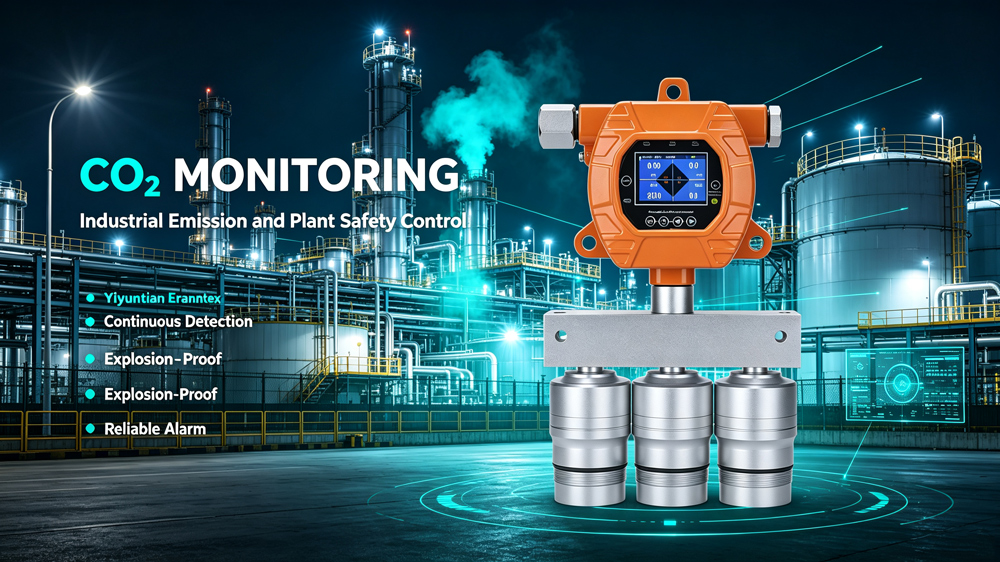
Fundamental Differences in Technological Principles: Why Can't Carbon Dioxide Detectors Detect Formaldehyde?
The core sensor of a standard carbon dioxide detectors uses non-dispersive infrared (NDIR) technology. Its working principle utilizes the strong absorption of specific wavelengths of infrared light by CO₂ molecules for quantitative analysis. This technology has extremely high gas selectivity; the sensor only responds to CO₂ molecules. Formaldehyde molecules, because their infrared absorption spectrum is completely different from CO₂, cannot trigger the detection mechanism of the NDIR sensor. In short, using a carbon dioxide detectors to measure formaldehyde is like using a metal detector to find wood—the physical principles are completely incompatible.
Formaldehyde Detection Requires Completely Different Sensing Technologies
Unlike CO₂ detection, formaldehyde measurement typically relies on electrochemical sensors or photoionization detectors (PID). Electrochemical sensors utilize the redox reaction between formaldehyde molecules and specific reactants within the sensor to generate a microcurrent proportional to the concentration, thus enabling quantitative analysis. PID sensors, on the other hand, ionize formaldehyde molecules using an ultraviolet lamp and measure the ion current to calculate the concentration. These technologies are completely different in physical mechanism from NDIR; therefore, a carbon dioxide detectors equipped only with an NDIR sensor lacks the hardware capability to detect formaldehyde.
Beware of Market Confusion: The Difference Between All-in-One Devices and Single-Function Devices
While air quality detectors that can simultaneously display CO₂ and formaldehyde readings do exist on the market, it is crucial to emphasize that these devices do not "use a CO₂ sensor to measure formaldehyde." Instead, they integrate two completely independent sensors within the same main unit—an NDIR sensor for CO₂ detection and an electrochemical sensor for formaldehyde detection. Therefore, when purchasing a carbon dioxide detectors, it is essential to carefully verify the device's technical specifications to confirm whether it truly features a separate formaldehyde sensing module, rather than being misled by the multiple parameters displayed on the screen into believing that a single sensor can perform multiple functions.
Cross-Interference Issues: The Potential Impact of CO₂ on Formaldehyde Detection
It's worth noting that not only can carbon dioxide detectors not detect formaldehyde, but conversely, high concentrations of CO₂ can also interfere with formaldehyde detector readings. This is because in some electrochemical formaldehyde sensors, CO₂ molecules may undergo weak side reactions with the reactants within the sensor, generating additional micro-currents and leading to higher formaldehyde readings. Therefore, professional all-in-one detection devices typically incorporate cross-interference compensation algorithms to eliminate the influence of CO₂ on formaldehyde measurements. This also demonstrates that the detection of these two gases is technically a completely independent system and cannot be substituted for each other.
In conclusion, standard carbon dioxide detectors cannot detect formaldehyde, which is determined by the fundamentally different molecular characteristics and sensing principles of the two gases. For scenarios requiring simultaneous monitoring of CO₂ and formaldehyde (such as indoor air quality assessment, newly renovated environment testing, etc.), users should choose multi-parameter air quality detectors with built-in dual independent sensors and carefully verify their technical specifications to ensure that each gas is accurately measured by the corresponding professional sensor.
Related information
-
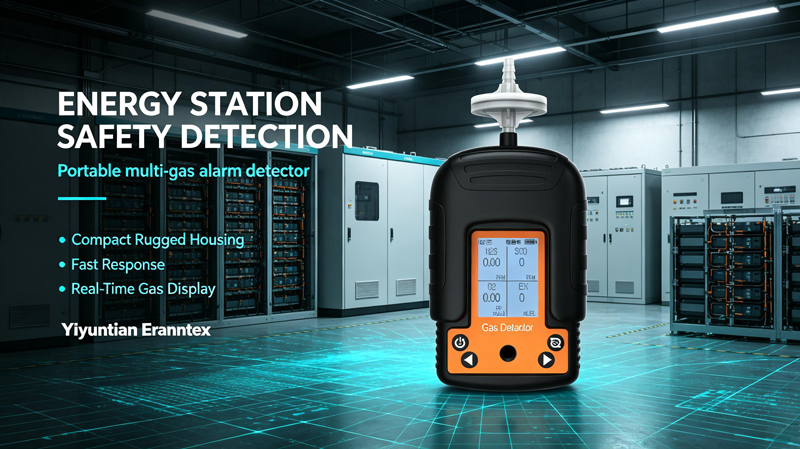
How to Calibrate a Portable four-in-one Gas Detectors?
Portable four-in-one gas detectors are core protective equipment in the industrial safety field. However, sensors can experience z...
2026-09-18 -
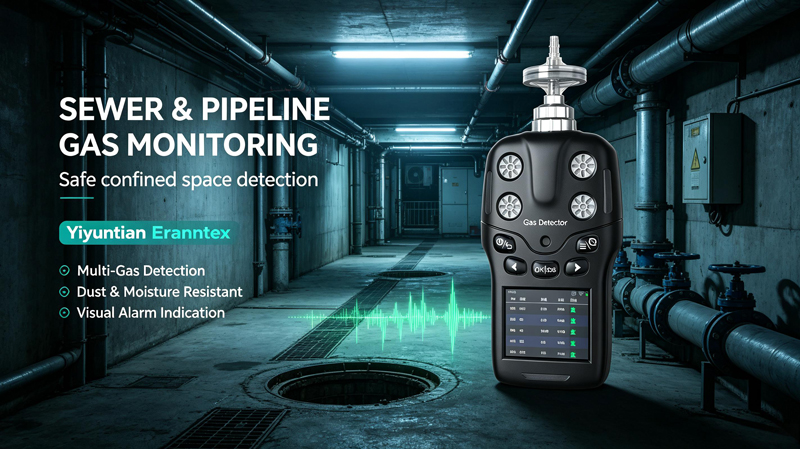
What are the application scenarios for portable four-in-one gas detectors?
Portable four-in-one gas detectors typically monitor oxygen (O₂), flammable gas (LEL), carbon monoxide (CO), and hydrogen sulfide...
2026-09-16 -
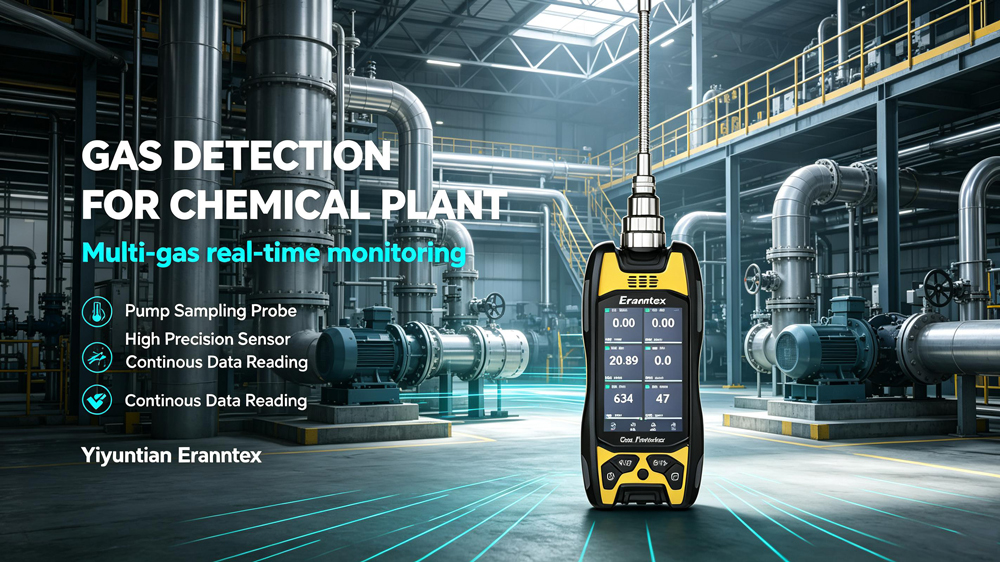
Portable four-in-one Gas Detectors User Manual
The portable four-in-one gas detectors is a core piece of personal protective equipment (PPE) for ensuring the safety of personnel...
2026-09-14 -

Calibration Specifications for Ammonia gas Detectors
Calibration of ammonia gas detectors is a core step in ensuring their measurement accuracy and alarm reliability. However, ammonia...
2026-09-11 -
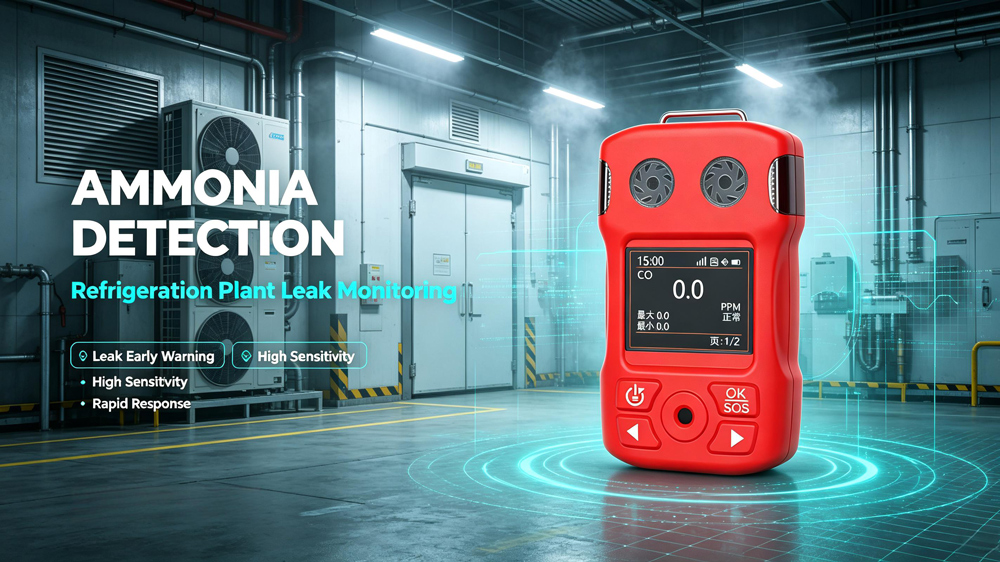
What is the appropriate installation height for an ammonia gas detectors?
Ammonia (NH₃) has a relative density of only 0.59, much lighter than air. This means that in the event of a leak, the gas will qu...
2026-09-09
 info@eranntexgas.com sale1@eranntexgas.com


 15914124845