
Configuration Standards and Usage Guidelines for Combustible Gas Detectors
Publication Date:2026/08/19In high-risk industrial environments—such as the petroleum, chemical, and manufacturing sectors, as well as during confined space operations—combustible gas detectors serve as a critical line of defense against fire and explosion accidents. For operating enterprises and purchasing entities, establishing a standardized equipment configuration system and strictly adhering to usage protocols is not merely a matter of regulatory compliance; it is the cornerstone of safeguarding personnel and assets.
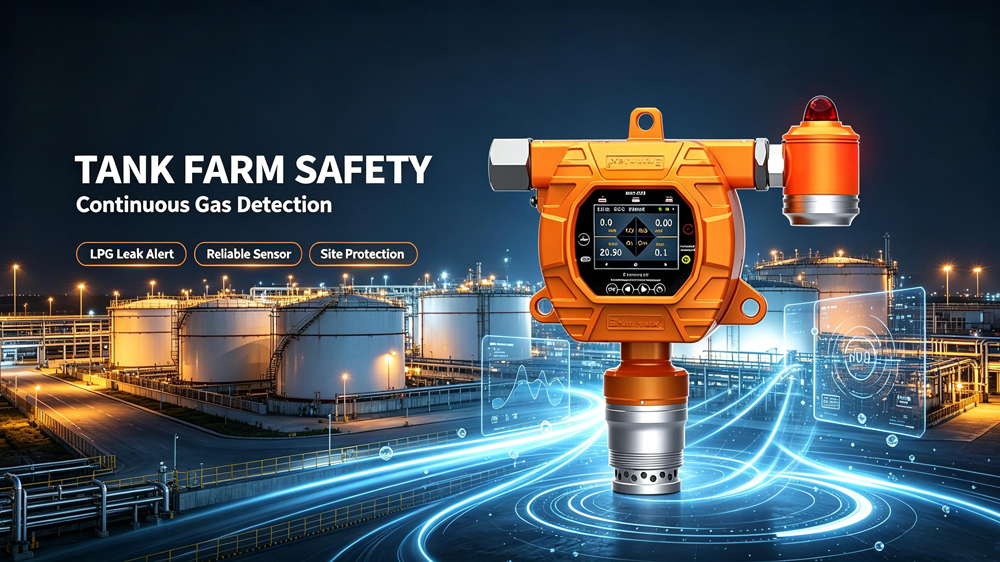
I. Adhering to International Standards and Scientifically Configuring Equipment Parameters
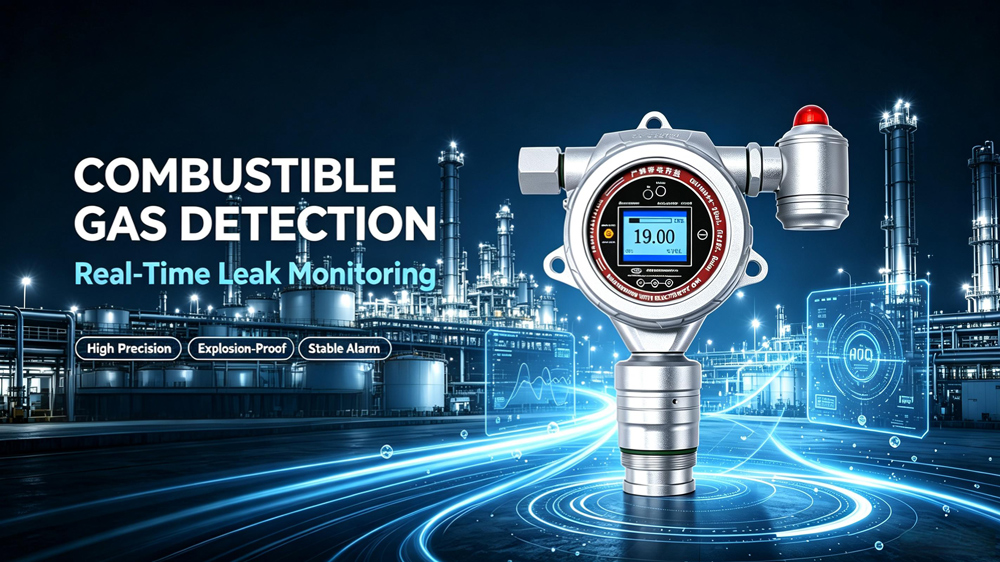
The primary principles governing the configuration of combustible gas detectors are regulatory compliance and precision. Regarding hardware selection, detectors must possess internationally recognized explosion-proof certifications suitable for the specific hazardous zones in which they will operate. In terms of core performance, the measurement range should typically be set to 0–100% LEL (Lower Explosive Limit), with a response time of under 30 seconds to ensure rapid reaction during the initial stages of a leak. Regarding alarm thresholds, international standards generally set the low-level alarm between 10% and 25% LEL and the high-level alarm at 50% LEL. Furthermore, detectors should feature a triple-alarm mechanism—incorporating audible, visual, and vibration alerts—to ensure that operators can immediately perceive warning signals, even in noisy environments or conditions with obstructed visibility.
II. Precise Installation and Detection Based on Gas Physical Properties
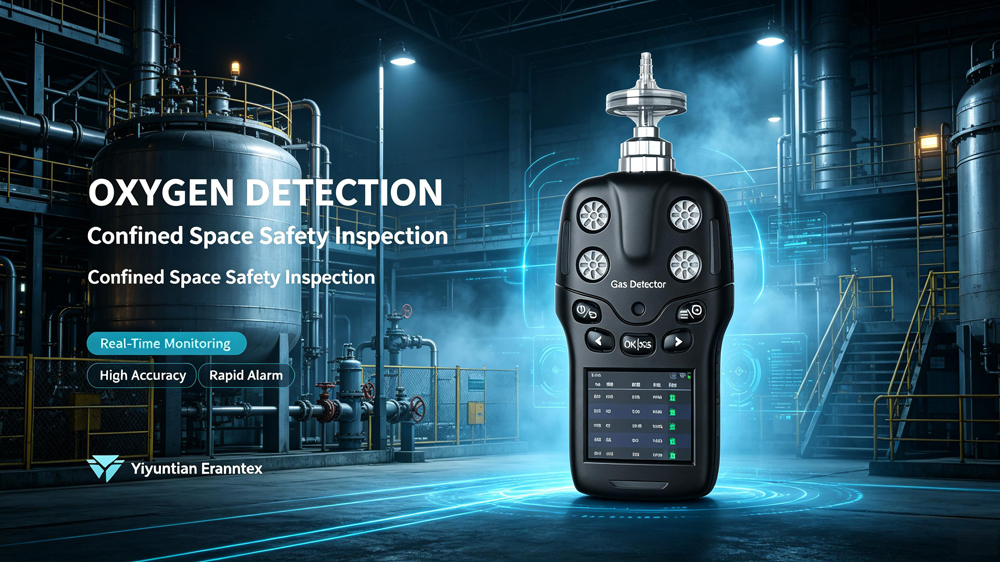
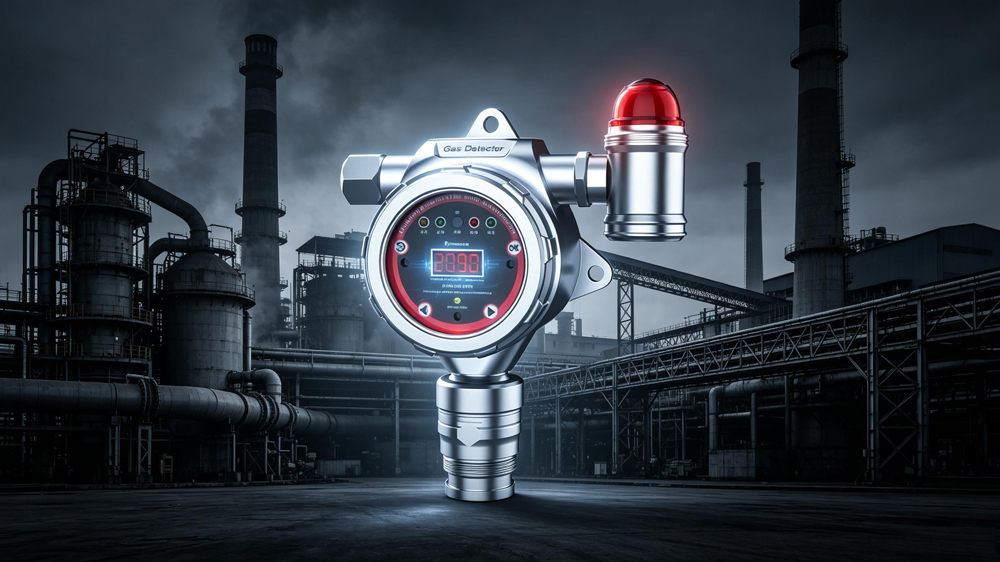
The effectiveness of combustible gas detectors relies heavily on proper installation positioning and detection strategies. When configuring fixed detectors, the layout must be scientifically determined based on the density of the target gas: for gases lighter than air, detectors should be installed above the release source or within 0.3 meters of the ceiling; for combustible gases heavier than air, detectors should be positioned between 0.3 and 0.6 meters above the ground to capture gas that settles and accumulates at lower levels. For entry into confined spaces, the "golden rule" must be strictly followed: ventilate first, test second, and proceed with work only thereafter. When using a pump-aspirated combustible gas detectors, stratified sampling must be conducted at the top, middle, and bottom sections of the space; the detector should remain at each sampling point for no less than 60 seconds to comprehensively assess gas concentrations throughout the three-dimensional area.
III. Strictly Adhere to Operating Procedures and Implement Full-Lifecycle Maintenance
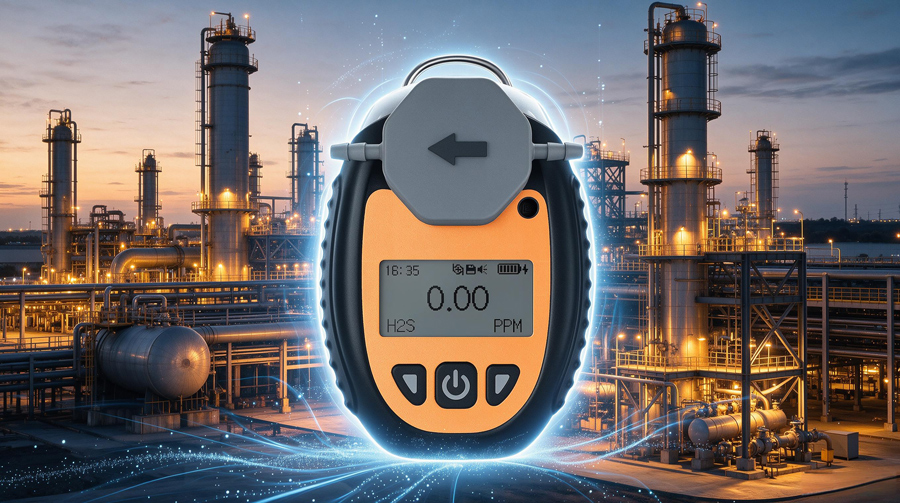
Standardized daily usage and a rigorous maintenance system are key to ensuring the long-term reliability of combustible gas detectors. Before entering a hazardous area, operators must activate the device in clean air, complete the self-test, and verify that the reading has returned to zero. It is strongly recommended to perform a bump test—introducing a standard gas of known concentration—before each use to verify that sensor response and alarm functions are operating correctly. Regarding maintenance, enterprises must completely discard the misconception that these devices are "maintenance-free." All electrochemical and catalytic combustion sensors undergo natural degradation; therefore, a periodic calibration system is essential. It is generally recommended that professionals calibrate the devices using standard gas every 6 to 12 months. Additionally, the detector housing and intake filters should be cleaned regularly to prevent dust or moisture from causing blockages that could compromise detection accuracy.
IV. Strengthen Emergency Response and Close the Loop on Data Management
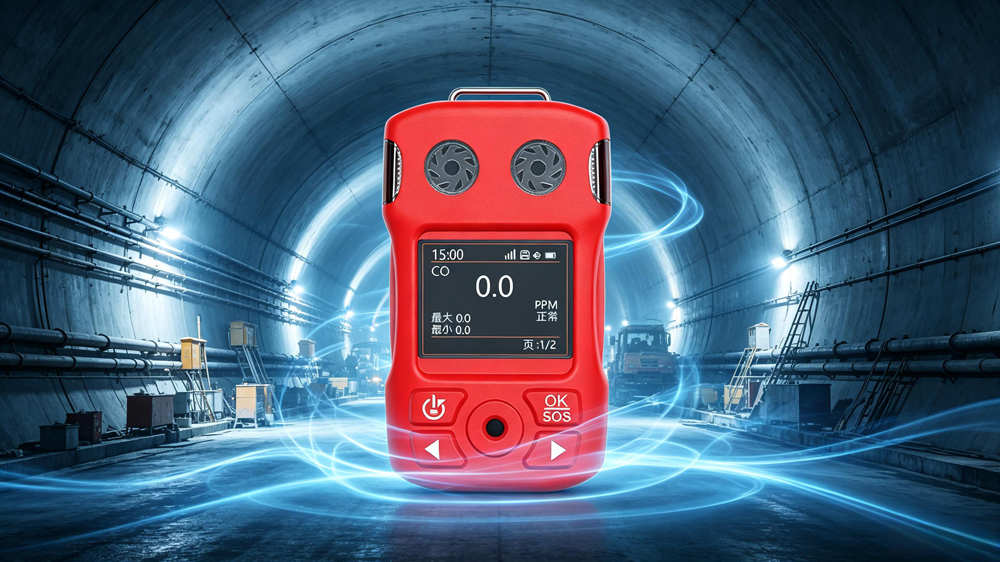
When a combustible gas detectors triggers an alarm, operators must immediately cease work, rapidly evacuate to a safe area, and report the incident to their superiors—regardless of their own subjective perception of the situation. Attempting to reset or ignore the alarm while inside the hazardous area is strictly prohibited. Following evacuation, the detector should be placed in fresh air to purge the system; subsequent assessments should only proceed once the readings have fully returned to zero. Modern gas detectors often feature robust data storage capabilities; enterprises should regularly export detection records and alarm event logs. This practice not only facilitates compliance with international safety regulations but also enables data analysis to identify potential systemic risks, thereby allowing for the continuous optimization of the enterprise's safety management strategies.
Related information
-
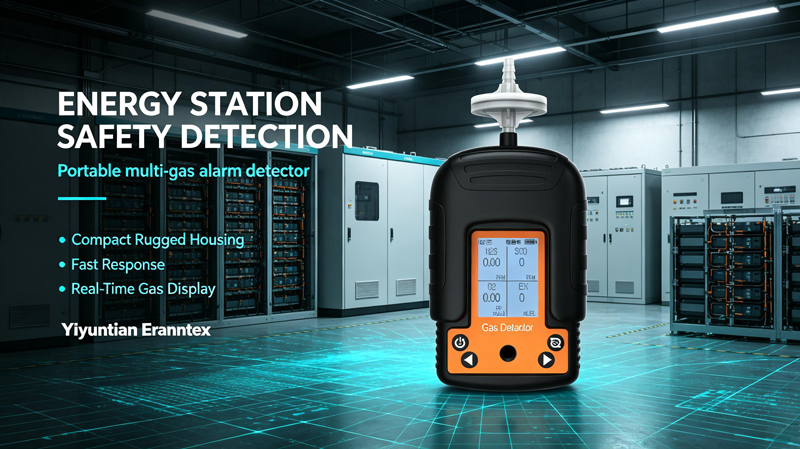
How to Calibrate a Portable four-in-one Gas Detectors?
Portable four-in-one gas detectors are core protective equipment in the industrial safety field. However, sensors can experience z...
2026-09-18 -
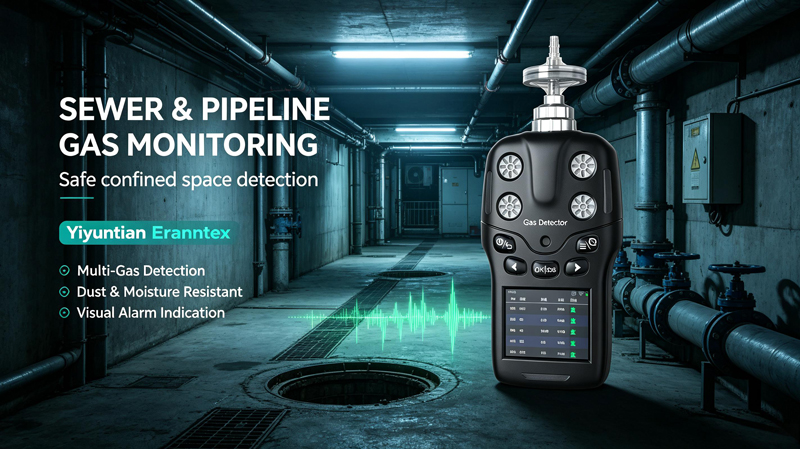
What are the application scenarios for portable four-in-one gas detectors?
Portable four-in-one gas detectors typically monitor oxygen (O₂), flammable gas (LEL), carbon monoxide (CO), and hydrogen sulfide...
2026-09-16 -
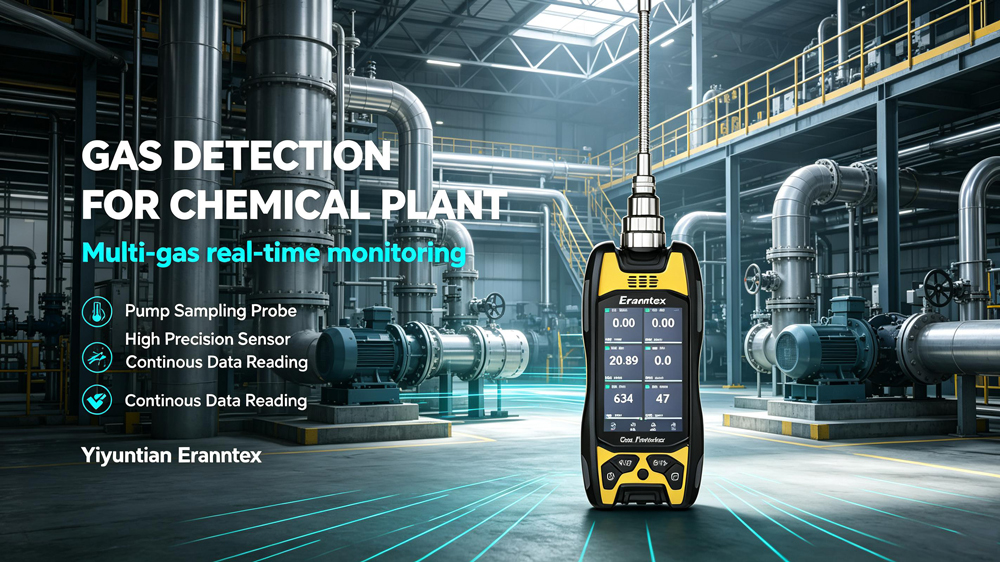
Portable four-in-one Gas Detectors User Manual
The portable four-in-one gas detectors is a core piece of personal protective equipment (PPE) for ensuring the safety of personnel...
2026-09-14 -

Calibration Specifications for Ammonia gas Detectors
Calibration of ammonia gas detectors is a core step in ensuring their measurement accuracy and alarm reliability. However, ammonia...
2026-09-11 -
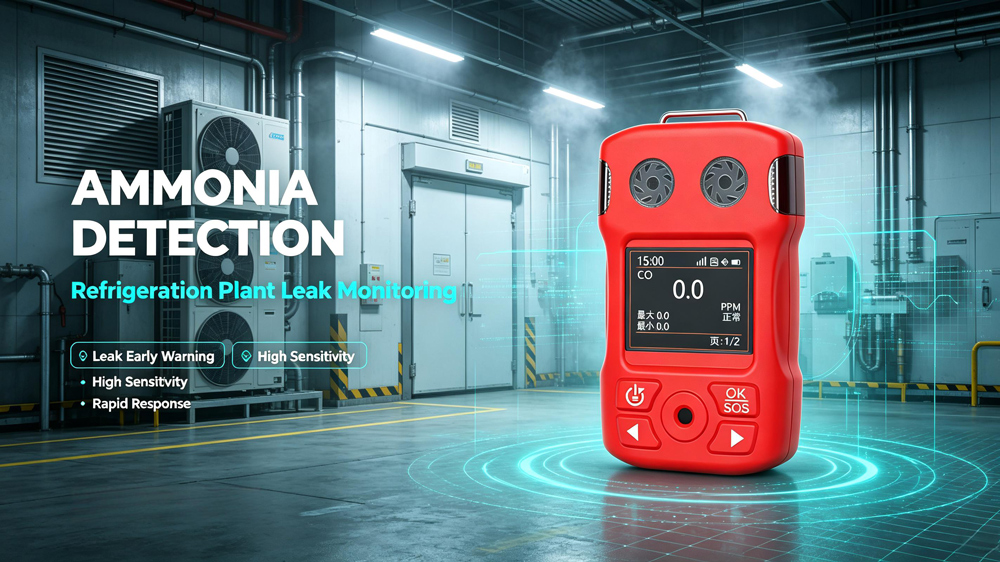
What is the appropriate installation height for an ammonia gas detectors?
Ammonia (NH₃) has a relative density of only 0.59, much lighter than air. This means that in the event of a leak, the gas will qu...
2026-09-09
 info@eranntexgas.com sale1@eranntexgas.com


 15914124845