
Usage and Precautions for Four-in-One Detectors
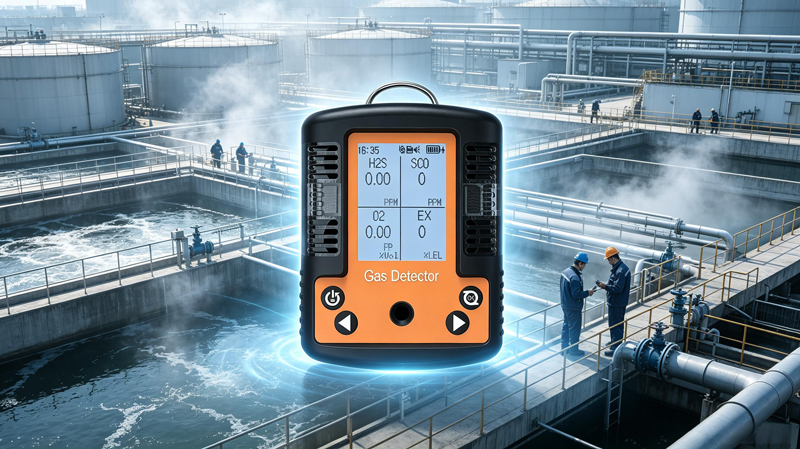
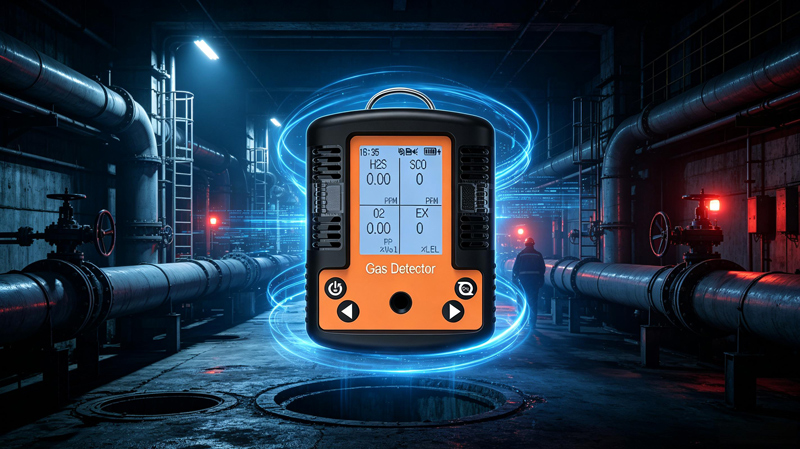
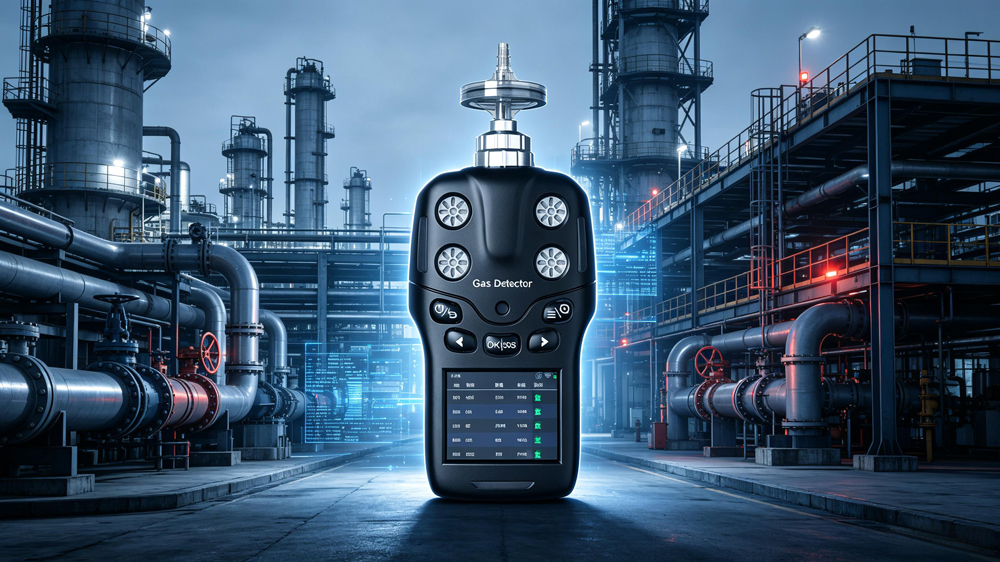
Publication Date:2026/08/12The four-in-one detectors is a critical piece of personal protective equipment for ensuring safety during industrial operations and work in confined spaces. It is typically used to simultaneously monitor the concentrations of oxygen (O₂), combustible gases (LEL), carbon monoxide (CO), and hydrogen sulfide (H₂S). To ensure the device provides effective protection when it matters most, users must strictly adhere to standard operating procedures and fully understand relevant safety limits. Here is an overview provided by Yiyuntian Eranntex.
I. Standard Operating Procedures
Proper operation begins before entering a hazardous area. First, the user must turn on the detector in an environment with clean air; after pressing and holding the power button to start it, the device will automatically perform a self-test to verify the functionality of the sensors, battery, and audible/visual alarm systems. Once the self-test is complete, confirm that all readings are at zero or displaying the baseline values for clean air, and perform a zero-point calibration if necessary.
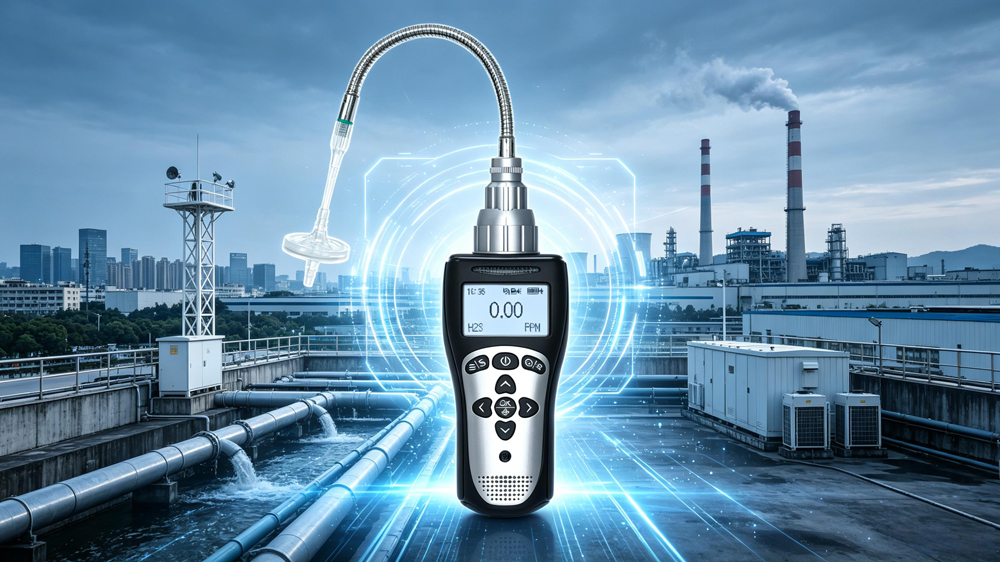
When working in confined spaces, one must strictly follow the "test first, enter second, work third" golden rule. Four-in-One Detectors, insert the sampling tube into the space to conduct multi-point testing at the top, middle, and bottom sections, allowing sufficient time at each point for readings to stabilize. After entering the site, diffusion-type detectors should be worn within the breathing zone to ensure real-time monitoring of the air being inhaled. Keep the device powered on throughout the entire operation and closely monitor the data on the screen.
II. Alarm Response and Emergency Handling
Users must be thoroughly familiar with the device's alarm thresholds. For example, common low/high alarm settings are: Oxygen (18.5%/23%), Combustible Gas (25%/50% LEL), Carbon Monoxide (24/120 ppm), and Hydrogen Sulfide (6/25 ppm). Once the device triggers its triple alarm (audible, visual, and vibration), work must stop immediately—regardless of personal perception—and the user must quickly evacuate to a safe area and report the situation to a supervisor. If the device triggers an alarm due to the detection of extremely high gas concentrations, evacuate the area and place the Four-in-One Detectors in fresh air to purge the sensors for several minutes; proceed with further operations only after the readings return to zero. Strictly avoid attempting to reset the device or ignore alarm signals while inside the hazardous area.
III. Key Safety Considerations
Safe usage depends not only on proper operation but also on an understanding of the device's limitations. First, strictly prohibit battery replacement, charging, or device disassembly in explosive gas environments to prevent sparks that could cause accidents. Second, the sensors in the Four-in-One Detectors have specific measurement ranges and lifespans; prolonged exposure to gas concentrations exceeding the measurement range can cause permanent sensor damage or performance degradation.
Furthermore, the Four-in-One Detectors is designed to detect only its four preset gases. If the work environment contains other toxic or hazardous gases, a multi-gas detector configured for those specific gases must be used. Additionally, strong electromagnetic fields, extreme temperature or humidity, and physical impacts can interfere with detection results; users must keep the device clean and ensure the probe is not obstructed by water, oil, or dust.
IV. Maintenance, Calibration, and Data Storage
Regular preventive maintenance is fundamental to ensuring data accuracy. It is recommended that a professional perform a comprehensive calibration using standard gas at least every six months; however, in harsh environments or under high-frequency usage, the calibration interval should be shortened to three or four months. Before each use, it is strongly recommended to perform a "bump test" using standard gas to quickly verify sensor responsiveness.
After use, wait for the readings to return to zero in clean air before powering off the device, and wipe the casing with a soft cloth. As Four-in-One Detectors typically feature data storage capabilities, users should regularly export detection records and alarm events; this not only facilitates compliance audits but also provides critical data support for subsequent safety hazard investigations. Only by combining standardized operation with rigorous maintenance can the Four-in-One Detectors truly serve as a vital line of defense for safety.
Related information
-
How to Calibrate a Portable four-in-one Gas Detectors?
Portable four-in-one gas detectors are core protective equipment in the industrial safety field. However, sensors can experience z...
2026-09-18 -
What are the application scenarios for portable four-in-one gas detectors?
Portable four-in-one gas detectors typically monitor oxygen (O₂), flammable gas (LEL), carbon monoxide (CO), and hydrogen sulfide...
2026-09-16 -

Portable four-in-one Gas Detectors User Manual
The portable four-in-one gas detectors is a core piece of personal protective equipment (PPE) for ensuring the safety of personnel...
2026-09-14 -

Calibration Specifications for Ammonia gas Detectors
Calibration of ammonia gas detectors is a core step in ensuring their measurement accuracy and alarm reliability. However, ammonia...
2026-09-11 -
What is the appropriate installation height for an ammonia gas detectors?
Ammonia (NH₃) has a relative density of only 0.59, much lighter than air. This means that in the event of a leak, the gas will qu...
2026-09-09



 info@eranntexgas.com sale1@eranntexgas.com


 15914124845