Introduction to ammonia in farms:
Ammonia is a toxic and harmful substance, which moves in farms The feces of the object will release ammonia, and the long-term accumulation of feces will cause the ammonia to exceed the standard. Too high concentration of ammonia is not only harmful to the human body, but also very harmful to animals.
Ammonia gas to animals and people in the breeding industry Harm:
1. Reduce the resistance of livestock and poultry. After ammonia is inhaled, it enters the blood through the alveoli and combines with hemoglobin to turn heme into positive iron heme, thus reducing the oxygen-carrying ability of hemoglobin, leading to anemia and tissue hypoxia, and reducing the body's resistance to diseases. Experiments have proved that when the ammonia concentration is 20ppm (1ppm=1.15mg/m³), the body resistance of livestock and poultry is significantly reduced. For example, meat chickens show tears, anorexia and slow growth.
2. Induce respiratory diseases. Ammonia is easily soluble in water and easily adsorbed on the eye mucosa and respiratory mucosa of animals. Take the pigsty as an example, if the concentration of ammonia reaches 65ppm, it will continue to irritate and damage the respiratory mucosa, and pigs will have respiratory diseases.
3. Reduce the immune effect of the vaccine. In the process of breeding, animals need to be vaccinated at some times, and some vaccines need to be inoculated through nasal drops, eye drops and sprays to promote the immune response of the animal body to antigen stimulation by invading the epithelial cells of the animal's respiratory tract. However, when the concentration of ammonia in the animal enclosure exceeds a certain limit, it will disrupt and interfere with the normal physiological function of the epithelial cells of the animal respiratory tract, thus affecting the immune response of the vaccine, and even respiratory diseases, reducing the immune effect of the vaccine.
4. Cause more serious diseases and even death. When the ammonia concentration in the house reaches 75ppm, pigs will have atrophic rhinitis. If the ammonia concentration reaches 100ppm, the mortality rate of animals will increase significantly.
5. High concentrations of ammonia are not only harmful to animals, but also harmful to the staff working in the house for a long time. The limit concentration of short-term exposure of 15min is 35μg/kg, and people will be life-threatening at a concentration of 300μg/kg ammonia, more than 2500μ G/kg may cause death. 25μg/kg is usually the occupational limit concentration of aquaculture workers working in an ammonia environment for 8 hours a day.
Ammonia solution for farms:
Whether it is sick or dead birds, it is not a good situation for farmers, so for the ammonia that has been or is about to be generated in the farm, I We need to take corresponding measures to reduce the damage caused by ammonia to farms. Effective measures are generally to effectively ventilate and reduce feeding density. Because in winter, the outdoor air is cold, and the farm needs to maintain a certain temperature, which will reduce the ventilation time accordingly. Although this ensures the temperature, it also causes an increase in the concentration of ammonia in the room. High feeding density will increase the metabolism of poultry. If farmers fail to clean up manure and urine in time and transport it outside the field for proper treatment, these accumulated manure and urine will also produce ammonia after fermentation, thus harming the poultry in the farm.
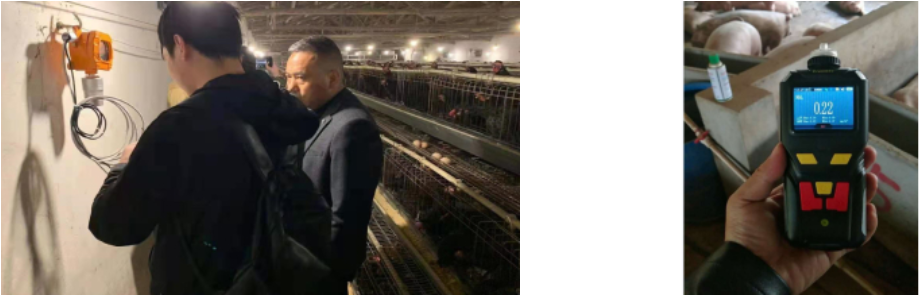
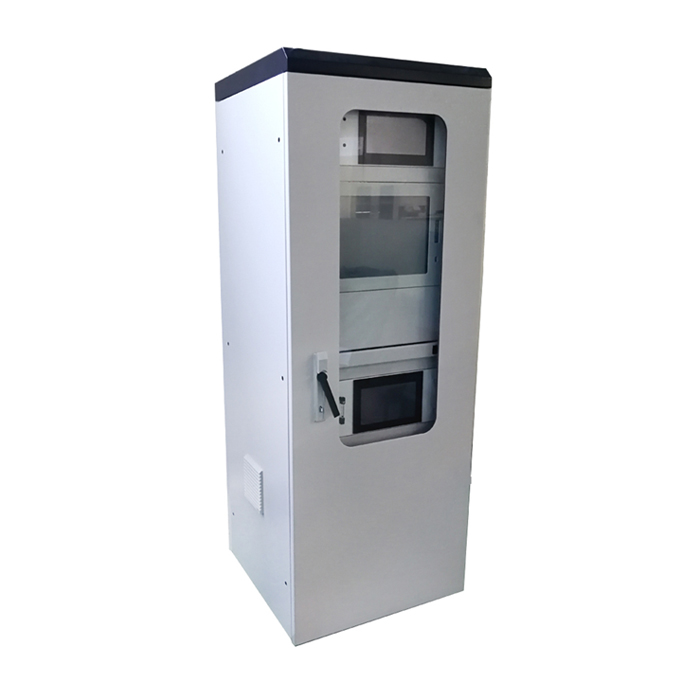
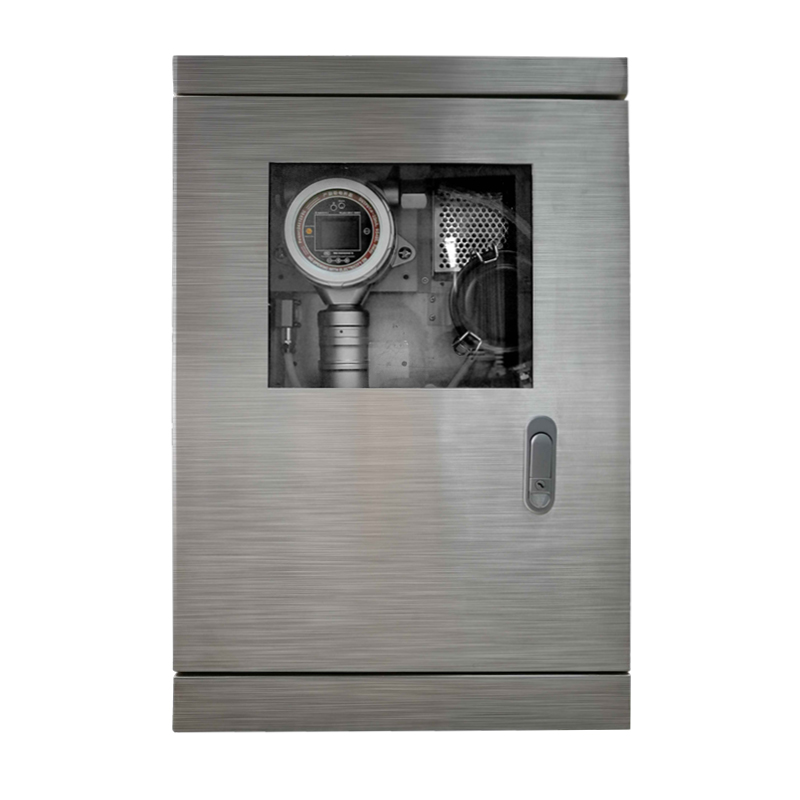
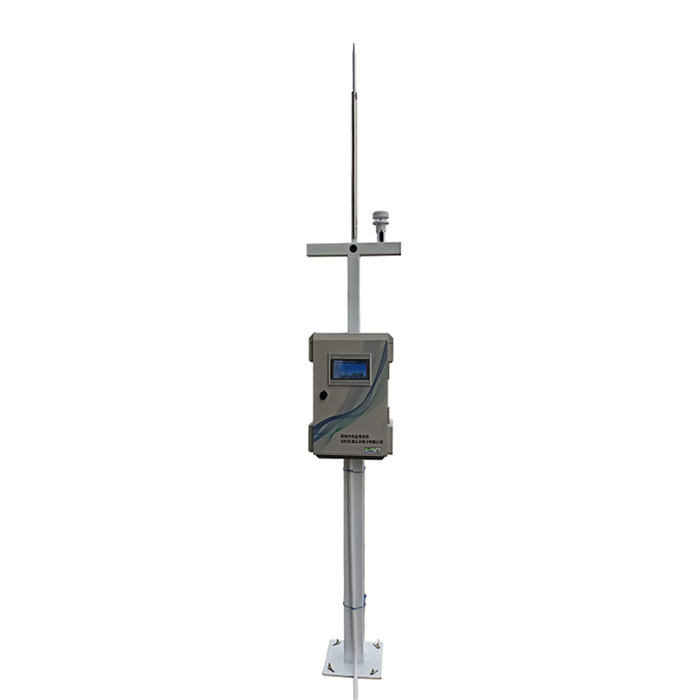
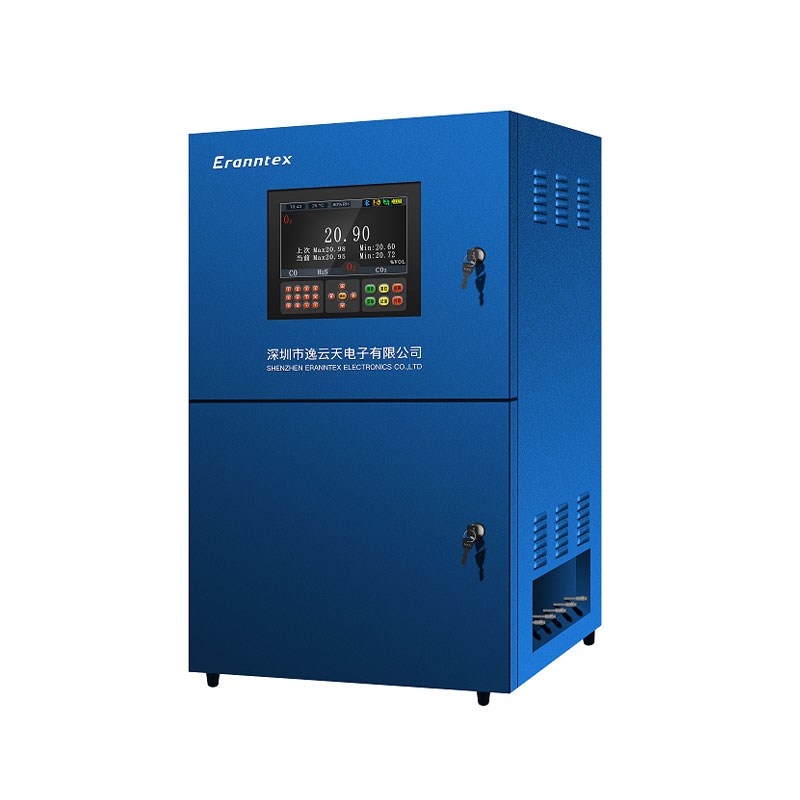
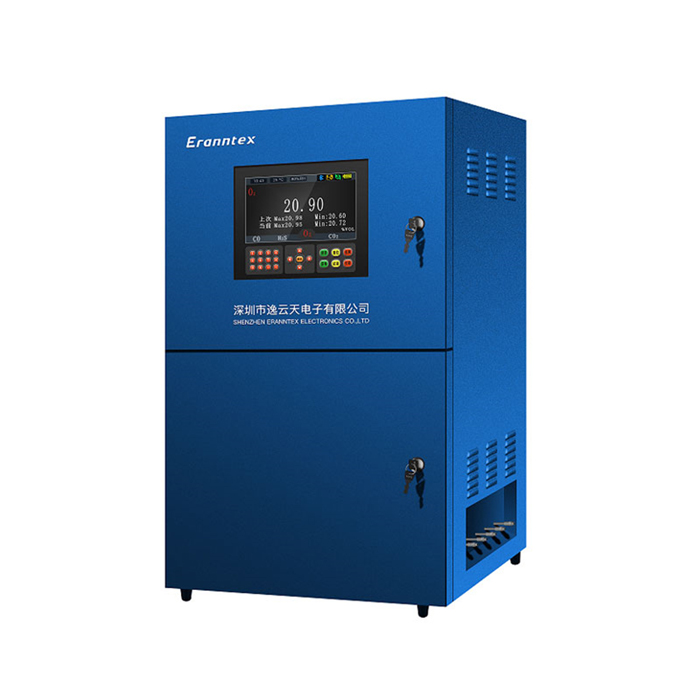
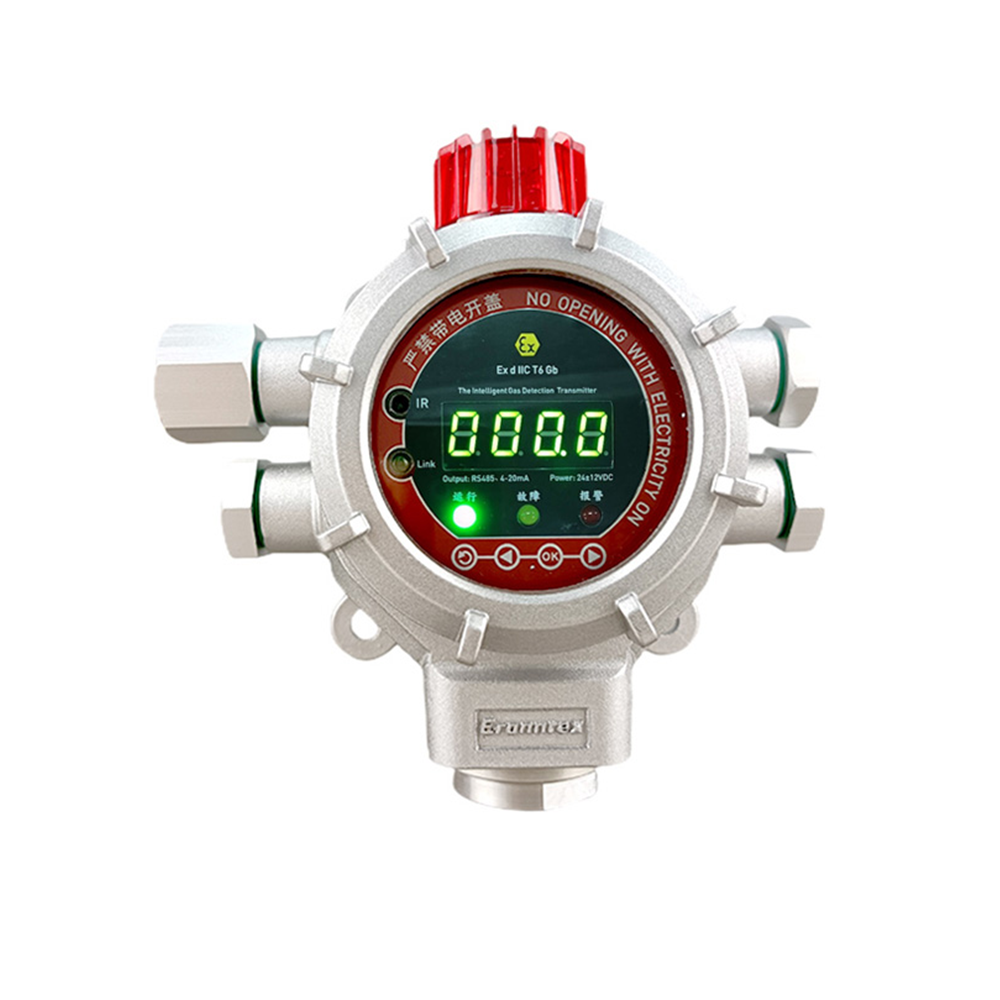
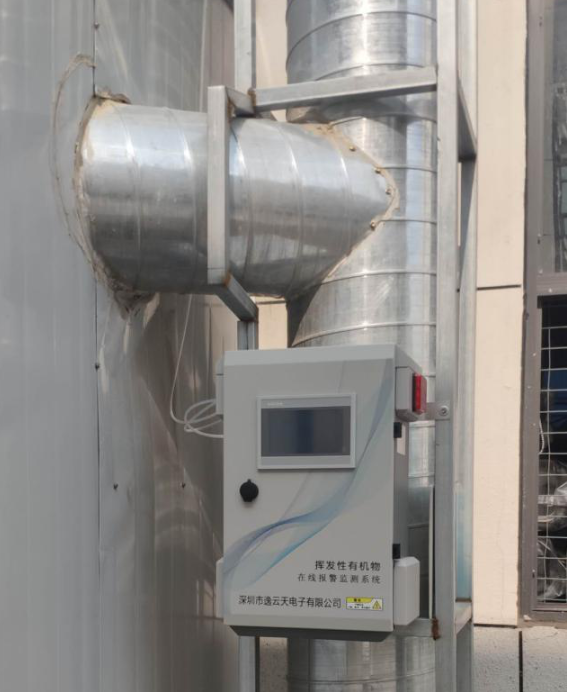
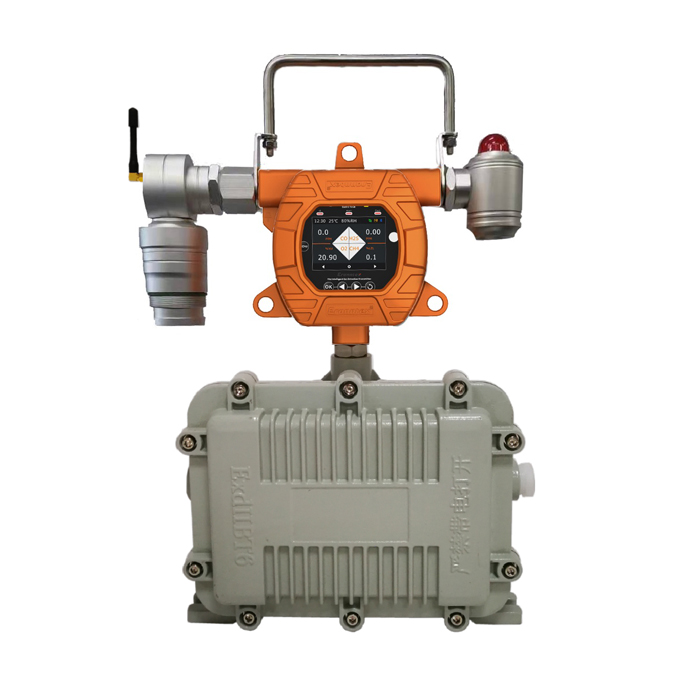
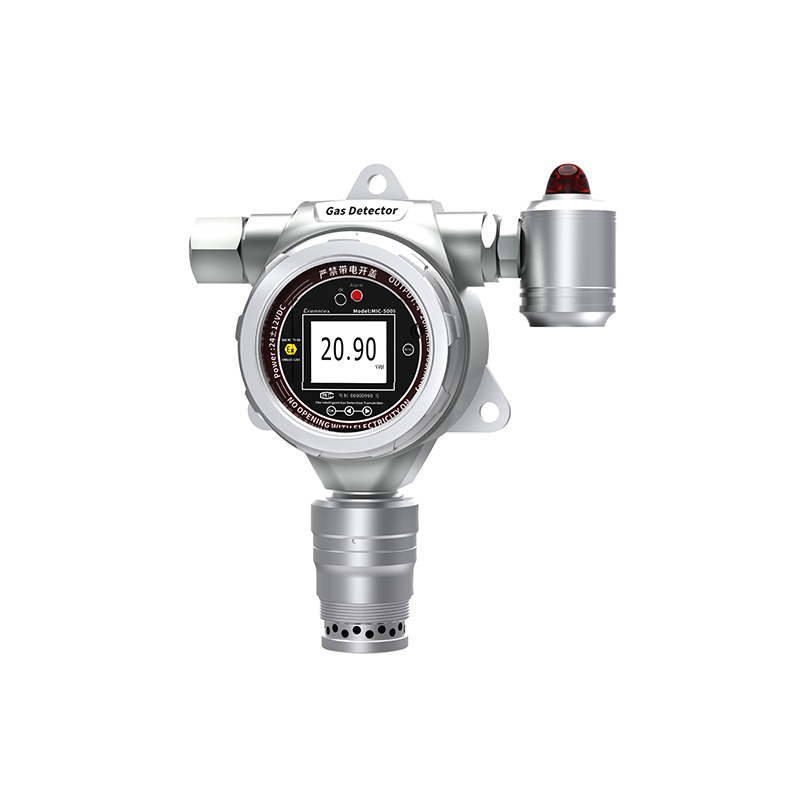
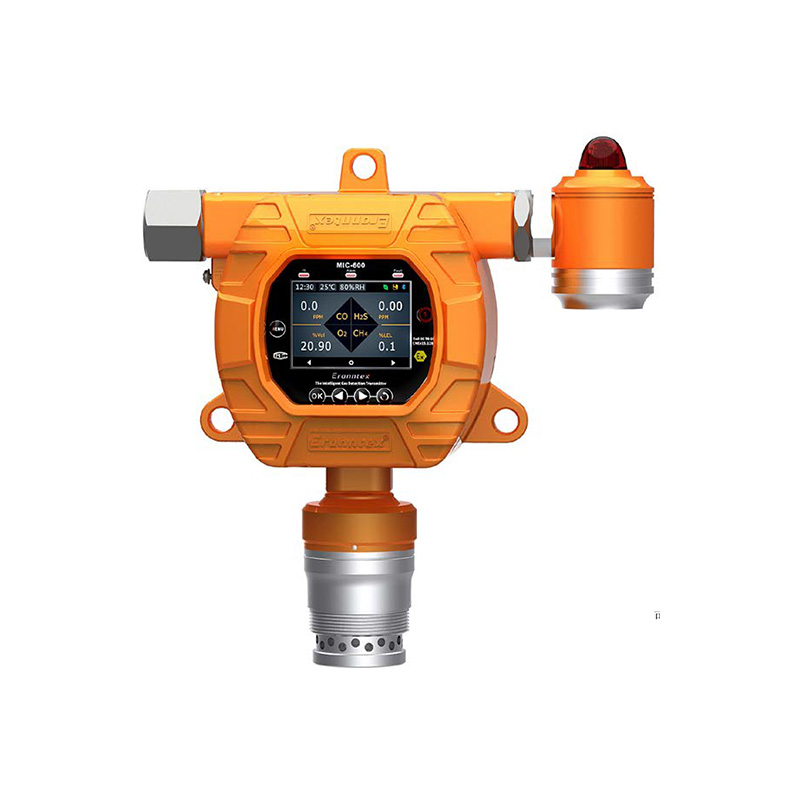
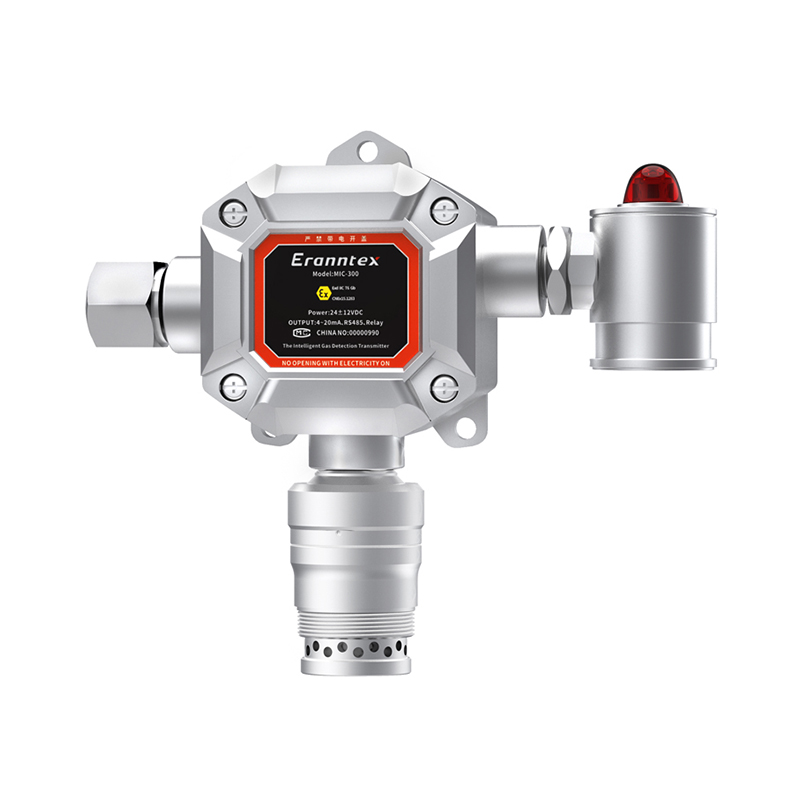
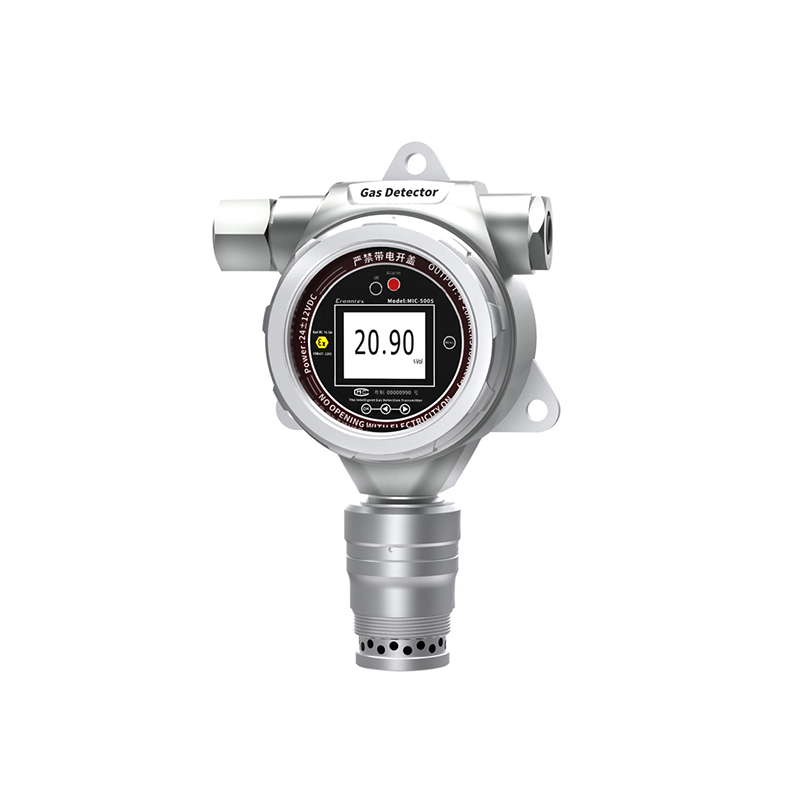
Therefore, while timely ventilation and reducing the feeding density, it is also necessary to install ammonia detectors in the farm, which can directly and effectively detect ammonia in the farm in real time. Once the ammonia concentration in the farm exceeds the standard, the ammonia detector equipment It will issue a sound and light alarm signal to remind farmers to carry out timely ventilation and other emergency measures.
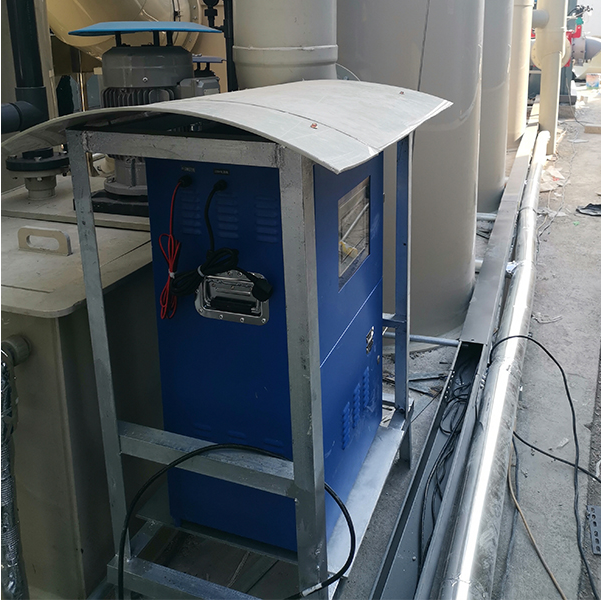
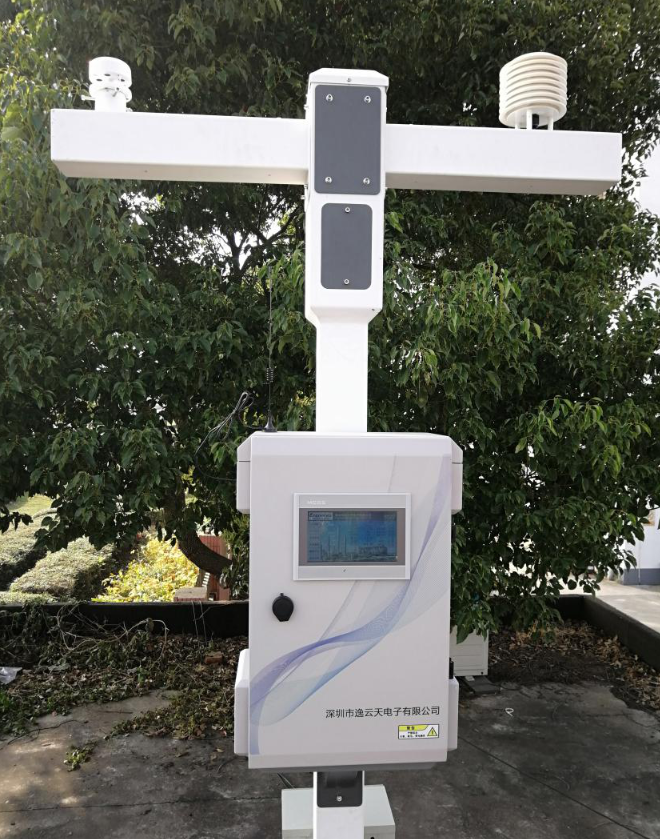
1. Install online detection alarm on site, real-time monitoring of concentration: NH3+H2S+CO2+T+H. 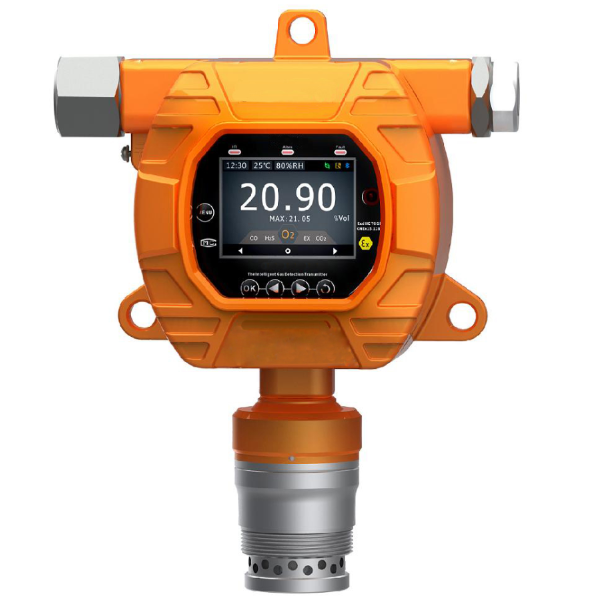
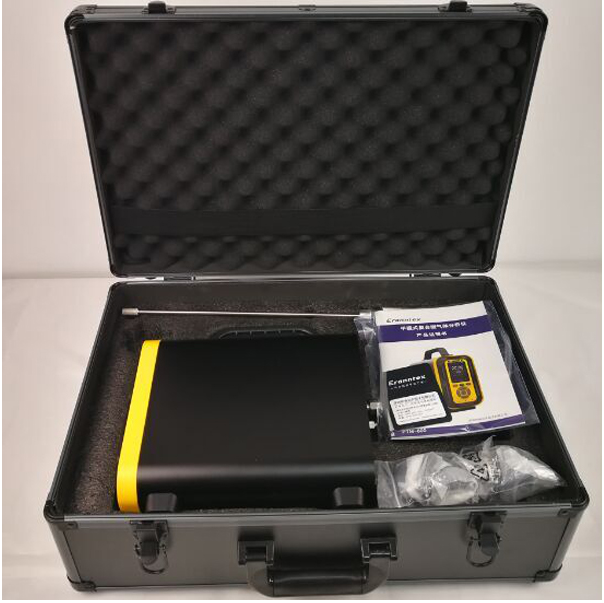
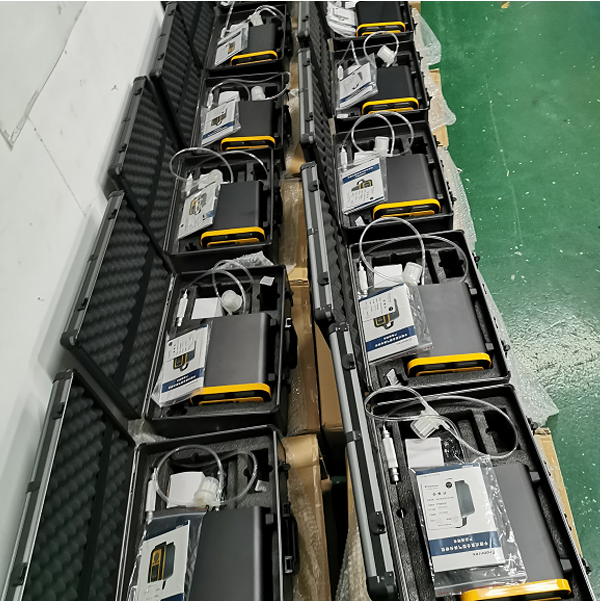
2. Easy to carry, monitor concentration anytime and anywhere

Whether it is sick birds or dead birds, it is not a good situation for farmers, so we need to take corresponding measures to reduce the damage caused by ammonia to farms in response to the ammonia gas that has been or is about to be generated in the farm.Effective measures are generally to effectively ventilate and reduce feeding density. Because in winter, the outdoor air is cold, and the farm needs to maintain a certain temperature, which will reduce the ventilation time accordingly. Although this ensures the temperature, it also causes an increase in the concentration of ammonia in the room. High feeding density will increase the metabolism of poultry. If farmers fail to clean up manure and urine in time and transport it outside the field for proper treatment, these accumulated manure and urine will also produce ammonia after fermentation, thus harming the poultry in the farm.
Therefore, while timely ventilation and reducing the feeding density, it is also necessary to install ammonia detectors in the farm, which can directly and effectively detect the ammonia in the farm in real time. Once the ammonia concentration in the farm exceeds the standard, ammoniaThe detector equipment will issue a sound and light alarm signal to remind farmers to carry out timely ventilation and other emergency measures.










 info@eranntexgas.com sale1@eranntexgas.com


 15914124845