For the customs and grain storage industry, the safety and effectiveness of fumigation operation cannot be ignored as an important means of preventing and controlling pests and protecting the quality of grain and commodities. However, as a provider of overall solutions for gas detection, Yiyuntian relies on its profound technical background andThe unremitting pursuit of innovation has tailored an all-round and integrated gas detection solution for the customs and grain storage industry. With its excellent technical performance and wide application adaptability, it provides solid technical support for customs supervision and fumigation operations in grain warehousing.
Program background
Customs testing of fumigation gas is to ensure the safety and effectiveness of the quarantine process and protect domestic natural resources and public health.
Fumigation is a disinfection process for goods and their packaging, which aims to protect native natural resources from alien species. This is a mandatory quarantine system. If the seller or freight forwarder does not have the corresponding awareness orWake up, it may cause problems in customs declaration and inspection or terminal customs clearance, which will affect the time limit for the transportation of goods. The customs uses fumigation gas detectors, such as thioyl fluorine fumigation gas detectors, to monitor the gas concentration in the fumigation process to ensure that the concentration value of the fumigation process does not exceed the safety standard, so as to ensure that container fumigation and quarantine can be carried out safely and efficiently. This kind of testing not only helps to prevent harmful organisms from entering the country, but also prevents the spread of infectious diseases and protects the safety of agriculture, forestry, animal husbandry and fisheries.
In addition, containers, as the mainstream way of international cargo transportation, will inevitably cause the spread of bacteria and viruses, and even cause species invasion. Therefore, it is necessary to carry out fumigation, disinfection and sterilization treatment of inbound and outbound cabins and containers.The customs ensured the implementation of this process by detecting fumigation gas, thus effectively controlling the spread of diseases and pests and protecting the safety of domestic public health and ecological environment.
Before shipment, the goods need to be fumigated to meet the 100% insecticide effect, prevent harmful organisms from entering the country, and meet the quarantine requirements of the importing country. Common goods that need to be quarantined include grain, dried fruits, wood products, cotton, seeds, fresh vegetables, fruits and wooden goods, such as wooden boxes, barrels, wood and other products.
Exported goods need to be fumigated before leaving the customs to kill the harmful organisms and meet the quarantine standards of the importing country. During fumigationThe most commonly used fumigation method is tent fumigation, but there may be fumigation leakage or uneven distribution of fumigants. In order to ensure the fumigation effect and personnel safety, the concentration of fumigants in the environment must be detected during and after fumigation. At present, the fumigants used more in China are mainly bromethane, thioyl fluoride and hydrogen phosphide. The fumigation objects used by different fumigants are different. All instruments and equipment, ornaments, clothes, unwashed camera films, etc. containing copper, copper alloy, brass, gold and silver are not suitable for hydrogen phosphide fumigation; all edible or Thioyl fluorine should not be used for feed goods; bromomethane fumigation should not be used for precision electronic instruments and equipment, butter, lard, fat, automobiles, feathers, blankets, horsehair products, sweaters, artificial fibers, rubber products, magnesium-containing products and other goods.
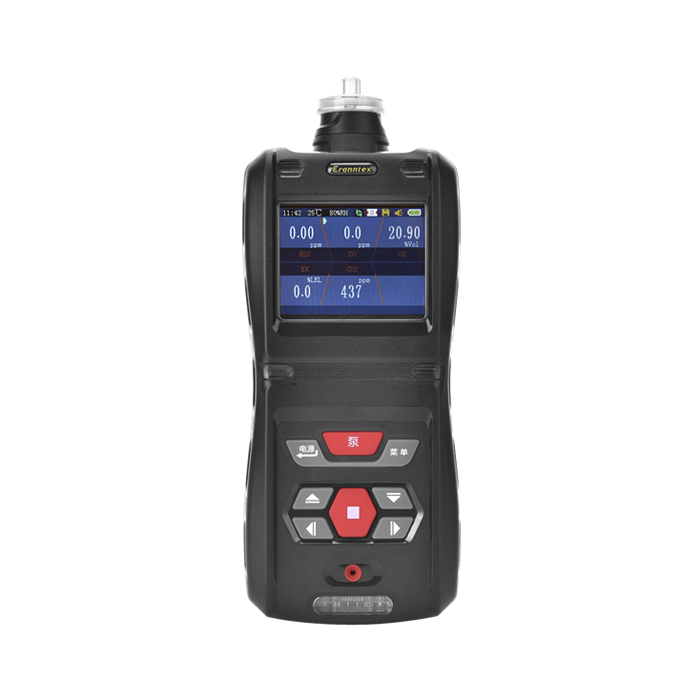
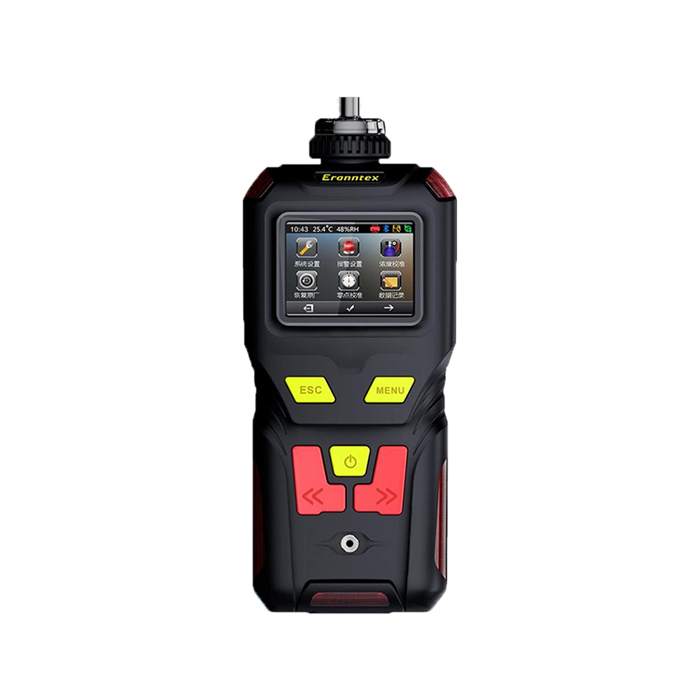
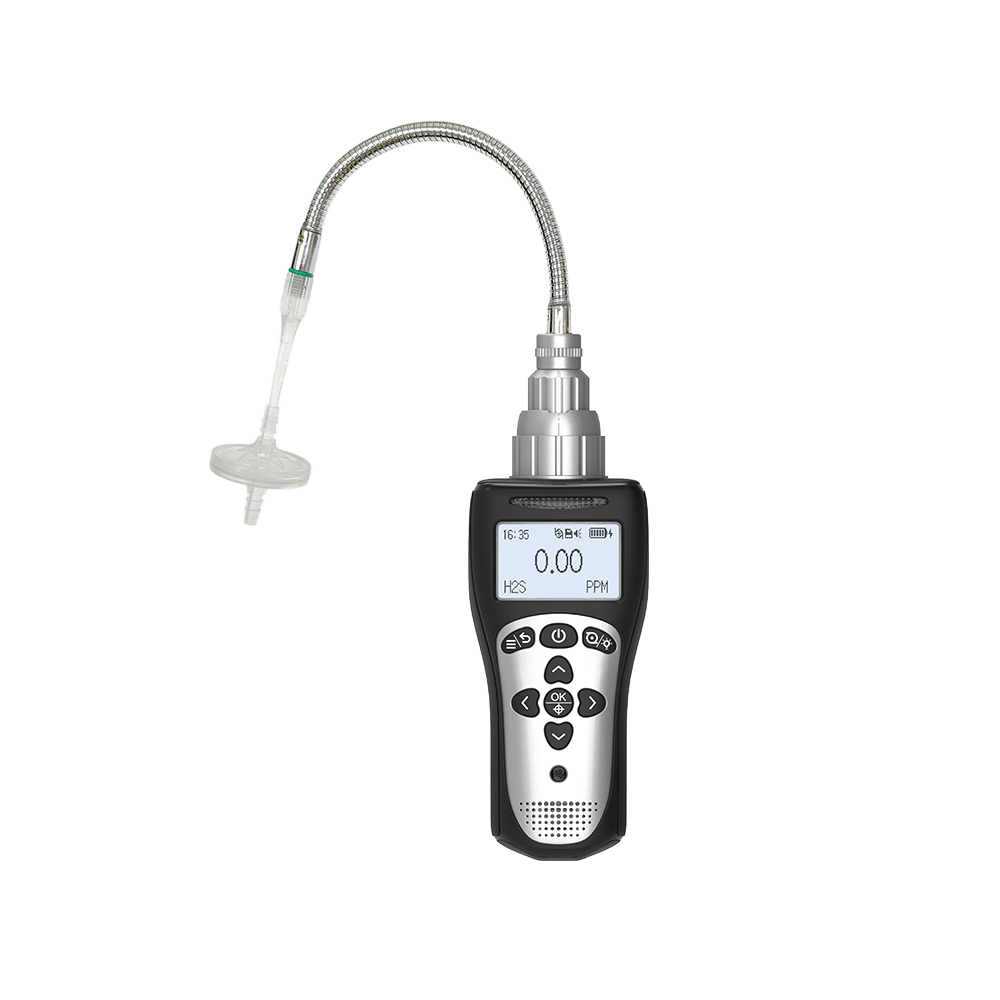
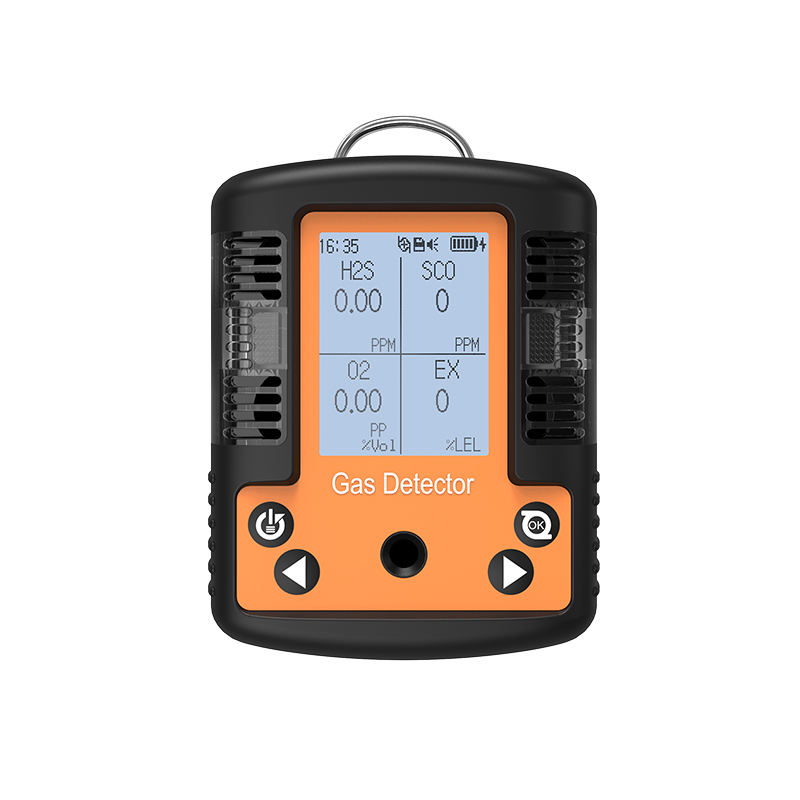
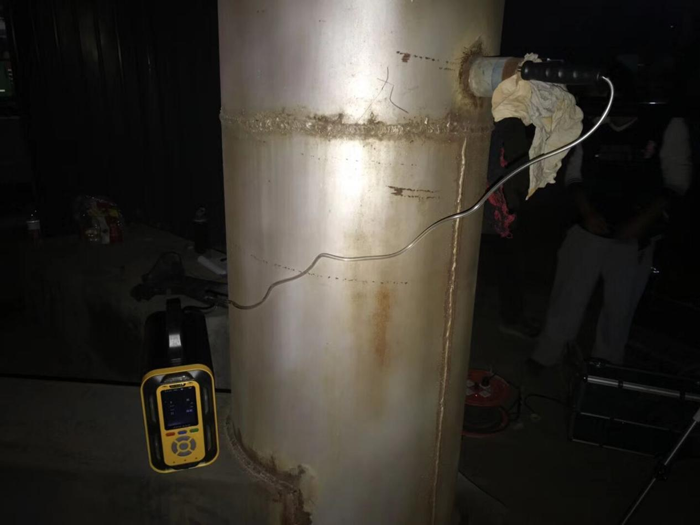
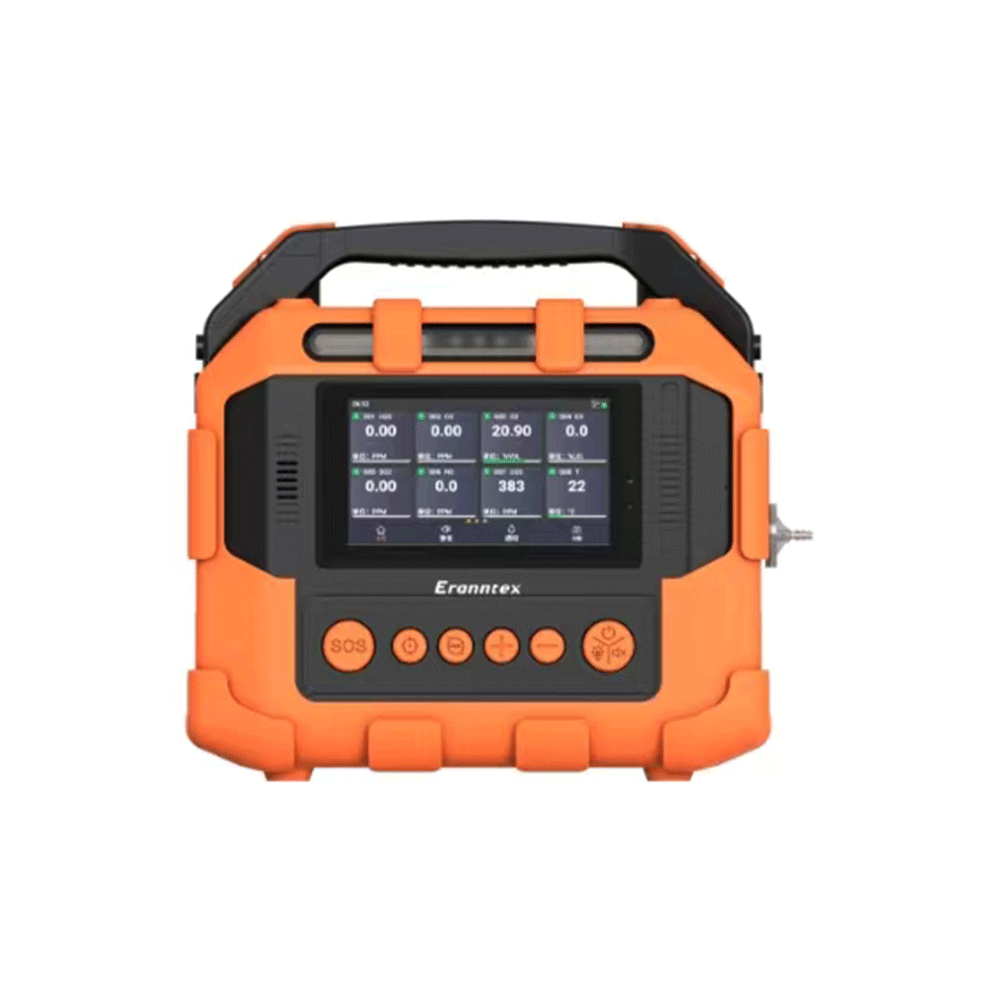
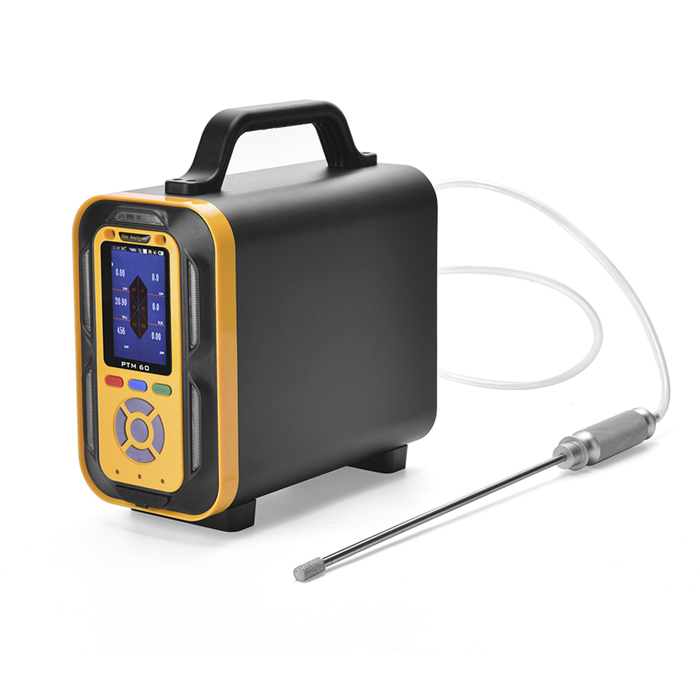
The quarantine fumigation gas detector is mainly used for entry and exit customs, so the instrument must be easy to carry, simple to operate, no standard gas sample calibration is required for on-site testing, ordinary fumigation operators can also test, and the response speed is fast, and the test results can be obtained in a relatively short time to meet the requirements. When fumigation is carried out to adjust the demand. For quarantine needs, it is recommended to use portable pump suction type; pump suction design, fast response speed; large-capacity rechargeable battery design, can work continuously for a long time.
Matching products
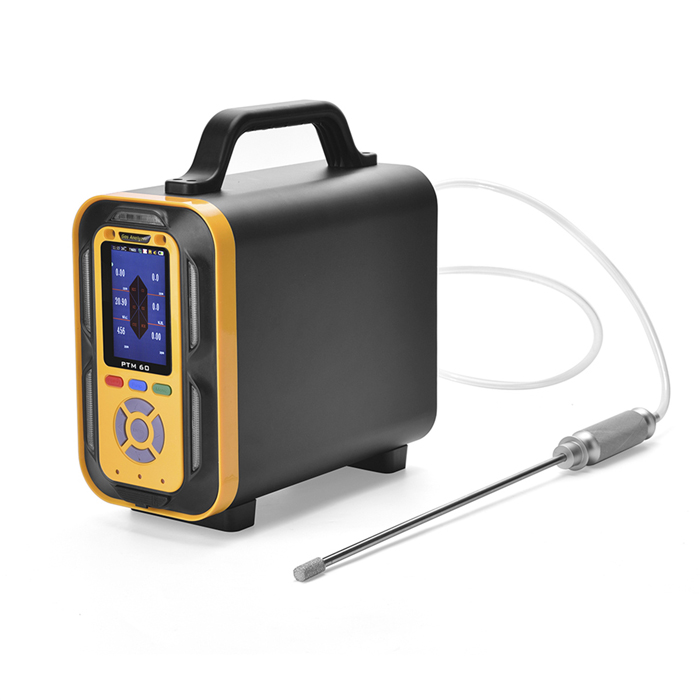
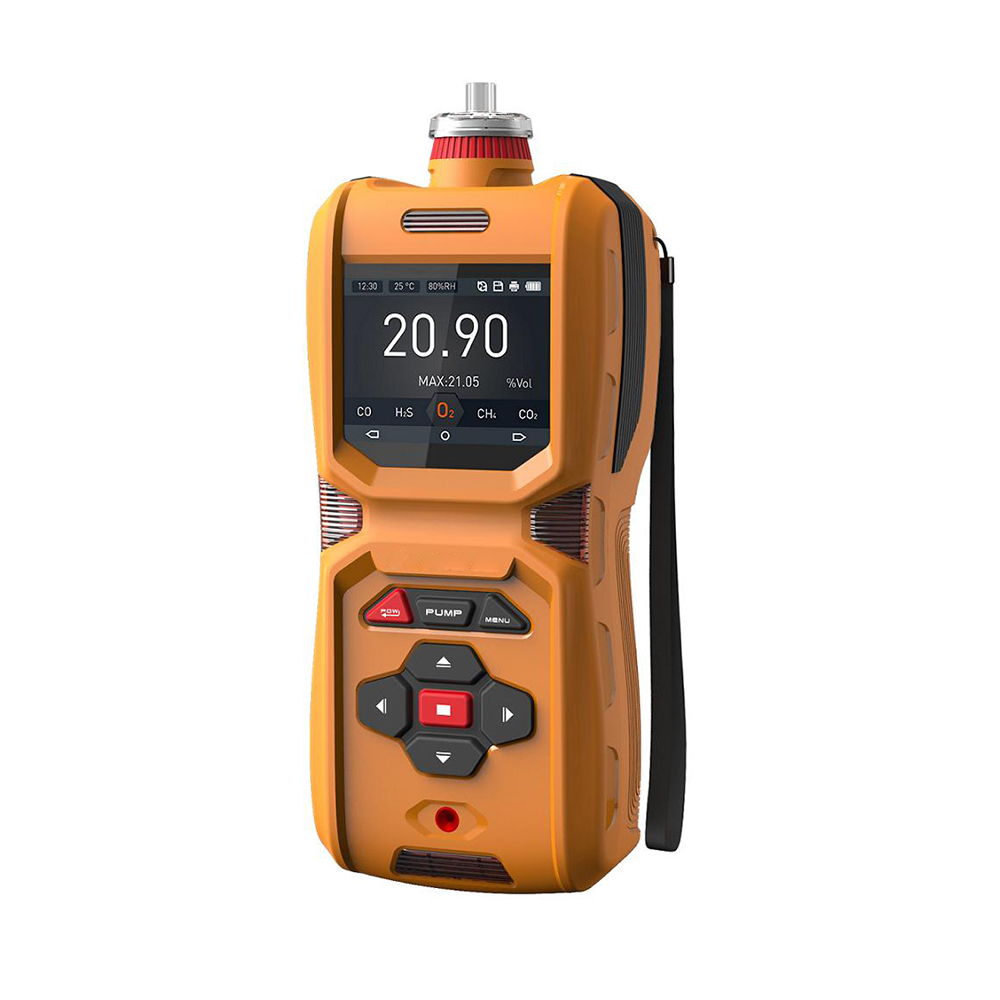
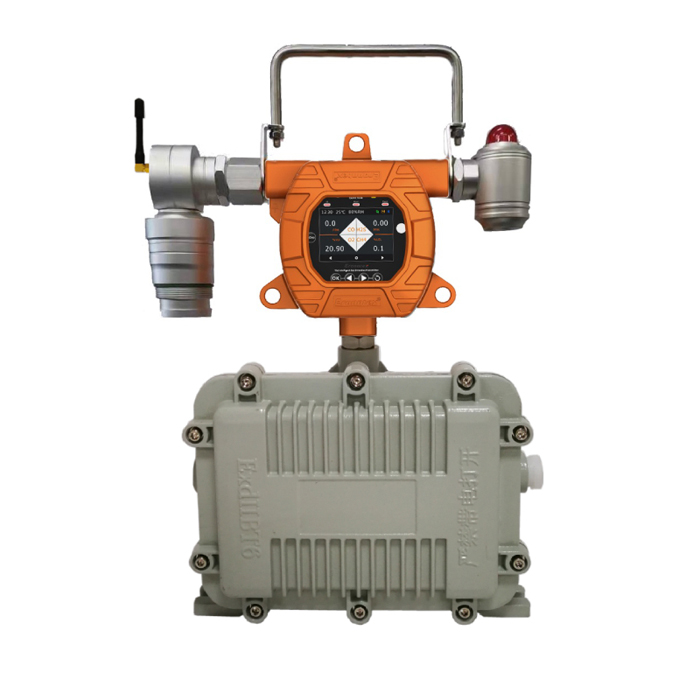
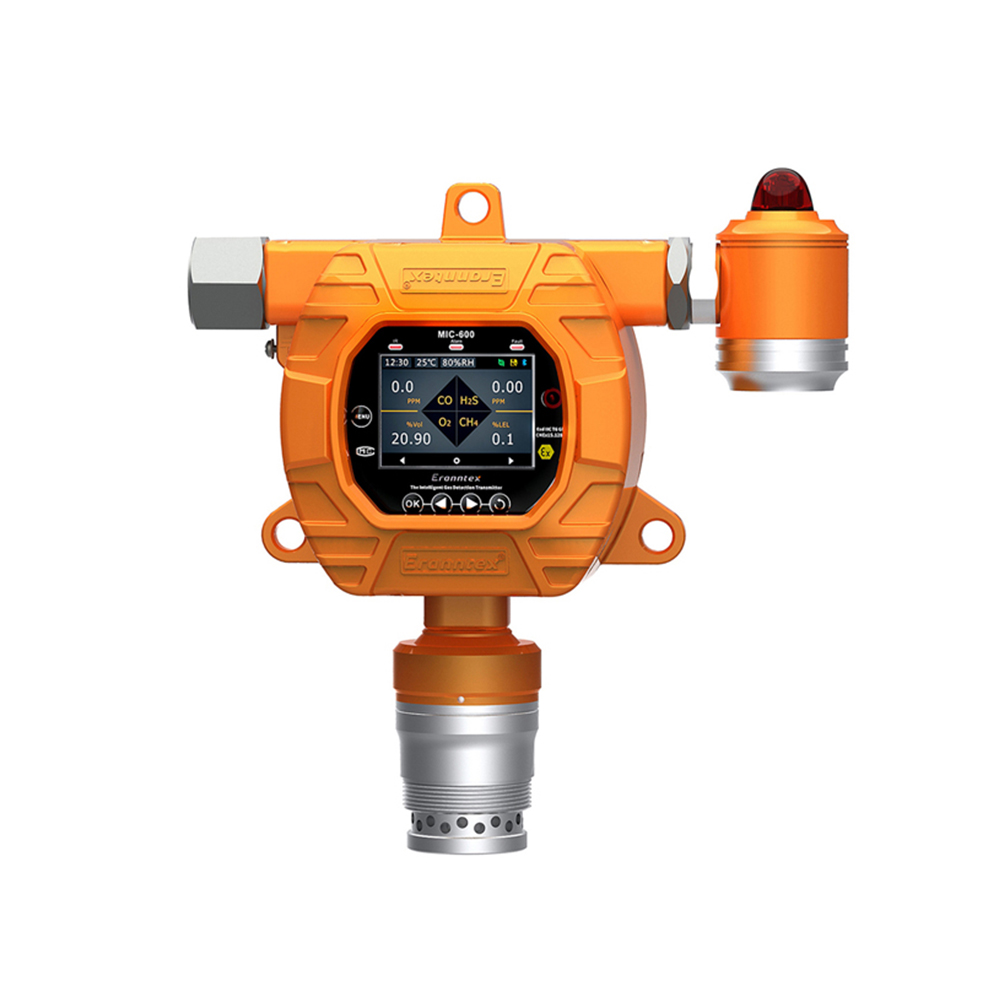
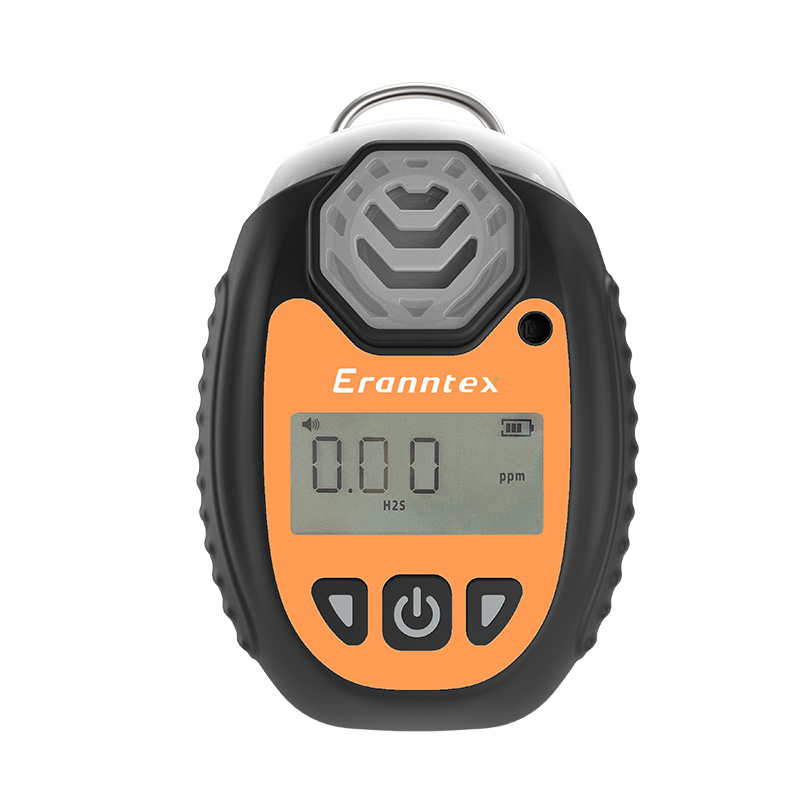
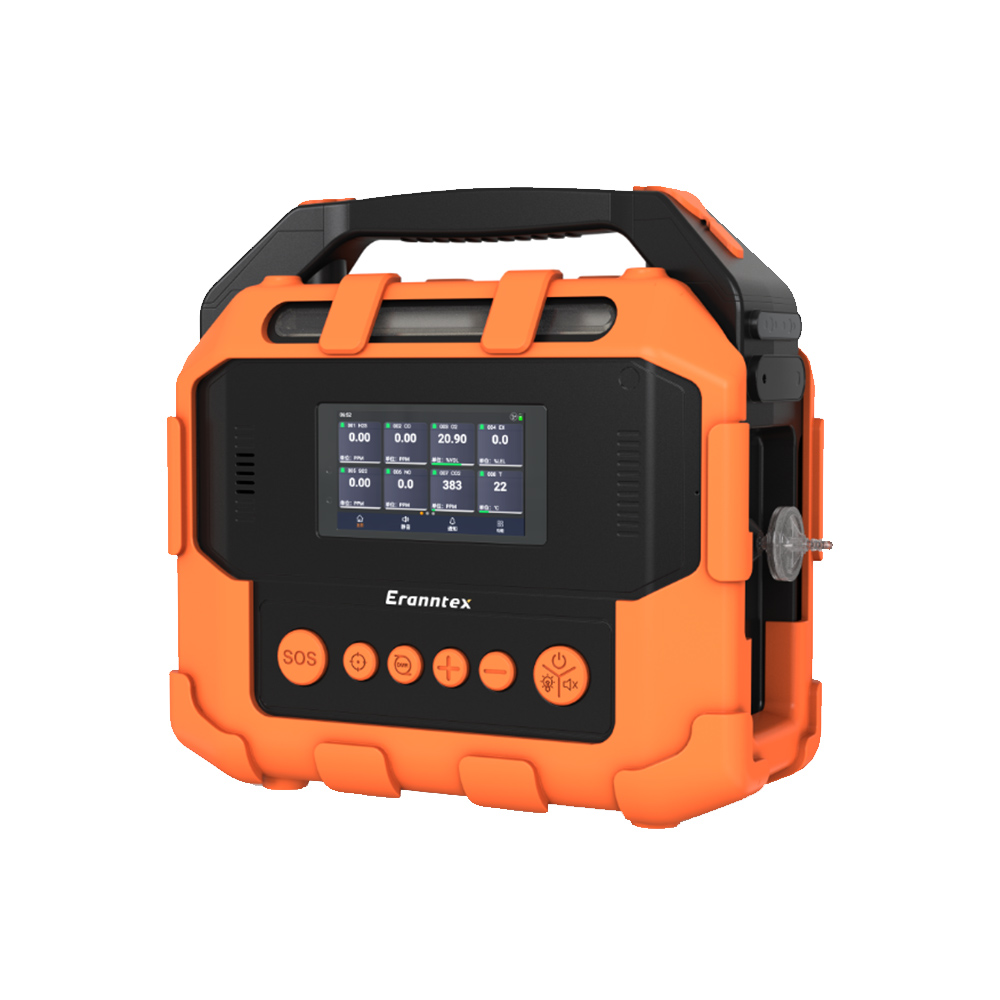
Order products: portable MS400/PTM600;
Main detection gas: thioyl fluorine SO2F2,Bromomethane CH3BR, hydrogen phosphide PH3
Recommended range:
In the process of fumigation, recommendation: PTM600-3(SO2F2/CH3BR/PH3):
SO2F2: 0-200g/m3, 0 .1g/m3, imported high-precision long-range infrared principle sensor;
CH3BR: 0-200g/m3, 0.1g/m3, imported high-precision long-range infrared principle sensor;
PH3: 0-1000PPM, 0.1PP M, imported high-performance electrochemistry;
After measuring the fumigation process: MS400-2(CH3BR/PH3):
CH3BR: 0-1000PPM, 0.1PPM, imported PID optical ion principle sensor;
PH3: 0-20PPM, 0.01PPM, imported high-precision electrochemical principle sensor;
PTM600-SO2F2: SO2F2:0-100PPM, 0.01PPM, imported long-range infrared principle sensor;

As an important means to prevent the invasion of diseases and pests and ensure food security, the safety and efficiency of fumigation operation are directly related to the lifeblood of the national economy and the quality of the people. Against this background, Yiyuntian fumigation gas detector has become an indispensable assistant in this field with its accurate monitoring ability, efficient operation mode and environmental protection and safety design concept. It not only provides reliable scientific and technological guarantees for fumigation operations, but also promotes the transformation, upgrading and sustainable development of the whole industry.









 info@eranntexgas.com sale1@eranntexgas.com


 15914124845