
How to correctly calibrate the zero point and indication value of combustible gas alarm?
Publication Date:2024/10/09 Combustible gas alarm is a vital safety equipment in industrial production and daily life. Its responsibility is to closely monitor the concentration of combustible gas in the environment and quickly issue an alarm when the concentration reaches a preset alarm threshold. Alarm, in order to promptly remind relevant personnel to take emergency measures, so as to effectively prevent fire or explosion accidents. Therefore, the precise calibration of the zero point and indication value of the combustible gas alarm is undoubtedly the core link to ensure its stable performance and accurate early warning. So do you know how to correctly calibrate the zero and indication of the combustible gas alarm ? The following is an introduction to yiyuntian electronic editor:
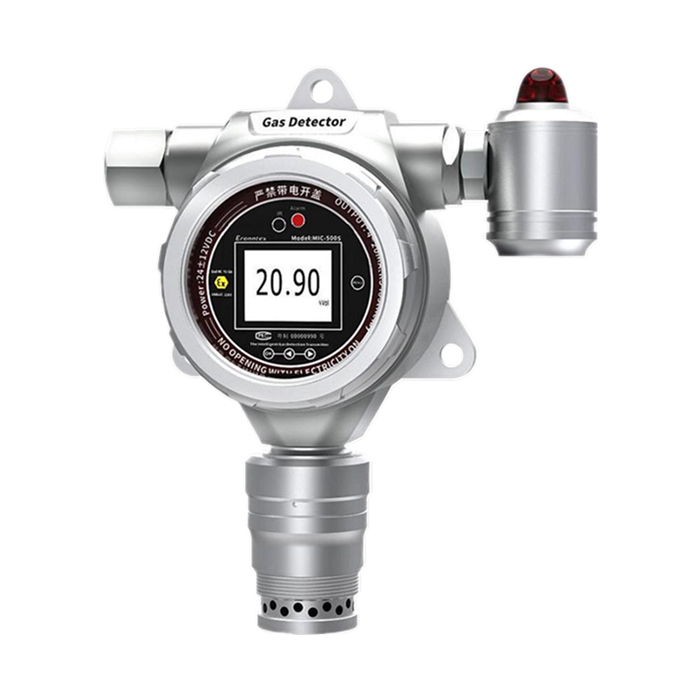
Steps for calibrating the combustible gas alarm and zero point indication are as follows:
Confirm calibration environment: select a dust-free, non-corrosive gas, suitable temperature and low relative humidity environment to calibrate the combustible gas alarm.
prepare calibration gas: select the standard gas matching the type of gas detected by the combustible gas alarm, and ensure that its concentration is within the working range of the combustible gas alarm and has good stability. Usually, clean air or nitrogen with a purity of not less than 99.99% is used for zero point calibration, and gas standard substance with concentration specified in the instruction manual of combustible gas alarm is used for indication calibration.
Preparation tools: Prepare necessary calibration tools, such as gas flow meter, calibration gas bottle, pressure reducing valve, connecting pipe, etc.
Check the alarm: check whether the appearance of the combustible gas alarm is intact, whether the sensor is clean, and ensure that the combustible gas alarm is in normal working condition.
2. Zero Calibration
Zero Gas: place the combustible gas alarm in clean air (or use a nitrogen cylinder to fill in nitrogen) to ensure that there is no combustible gas in the environment.
Adjust the zero point: adjust the zero point of the combustible gas alarm according to the steps described in the instruction manual of the combustible gas alarm so that the displayed value is zero.
Observe stability: Wait for a period of time (e. g. 5 minutes) and observe whether the value displayed by the combustible gas alarm is stable. If there is a change, repeat the zero adjustment until stable.
3. indication calibration (span calibration)
gas: connect the calibration gas bottle to the gas flow meter, and adjust the gas flow through the pressure reducing valve to gradually increase the calibration gas concentration.
Connect the calibration gas: connect the output of the gas flow meter to the sensor interface of the combustible gas alarm to expose the combustible gas alarm to the calibration gas.
adjust the indication value: after the indication value of the combustible gas alarm is stable, adjust the indication value to the concentration value of the gas standard substance according to the steps described in the instruction manual of the combustible gas alarm. Some combustible gas alarms do not directly adjust the value, but adjust the corresponding coefficient. The coefficient must be calculated and adjusted according to the instructions.
Verify the calibration results: By gradually reducing the calibration gas concentration, observe whether the combustible gas alarm display value returns to zero, and repeat the calibration process several times to ensure the accuracy of the calibration results.
4. recording and identification
record calibration data: record the data in the calibration process, including the indication value before and after calibration, calibration time, calibration personnel and other information.
affix a calibration label: affix a calibration label on the combustible gas alarm, indicating the calibration date, calibration personnel and calibration results.
5. precautions
Regular calibration: according to the use environment and the performance of the combustible gas alarm, the appropriate calibration cycle is formulated to ensure the long-term stable operation of the combustible gas alarm.
Professional operation: The calibration process of the combustible gas alarm should be operated by professionals to ensure the accuracy and safety of the calibration.
compliance: in the calibration process of combustible gas alarm, relevant national and industrial regulations and standards shall be followed, such as "the People's Republic of China Metrology Law" and "verification regulations for combustible gas detection alarm.
In summary, this is the step of calibrating the zero point and indication of the combustible gas alarm. By following the above steps and precautions, we can ensure that the zero point and indication value of the combustible gas alarm are accurately calibrated, thereby improving its detection accuracy and reliability.
Related information
-
How to Calibrate a Portable four-in-one Gas Detectors?
Portable four-in-one gas detectors are core protective equipment in the industrial safety field. However, sensors can experience z...
2026-09-18 -
What are the application scenarios for portable four-in-one gas detectors?
Portable four-in-one gas detectors typically monitor oxygen (O₂), flammable gas (LEL), carbon monoxide (CO), and hydrogen sulfide...
2026-09-16 -
Portable four-in-one Gas Detectors User Manual
The portable four-in-one gas detectors is a core piece of personal protective equipment (PPE) for ensuring the safety of personnel...
2026-09-14 -

Calibration Specifications for Ammonia gas Detectors
Calibration of ammonia gas detectors is a core step in ensuring their measurement accuracy and alarm reliability. However, ammonia...
2026-09-11 -
What is the appropriate installation height for an ammonia gas detectors?
Ammonia (NH₃) has a relative density of only 0.59, much lighter than air. This means that in the event of a leak, the gas will qu...
2026-09-09
 info@eranntexgas.com sale1@eranntexgas.com


 15914124845