
Carbon Dioxide Detectors Buying Guide
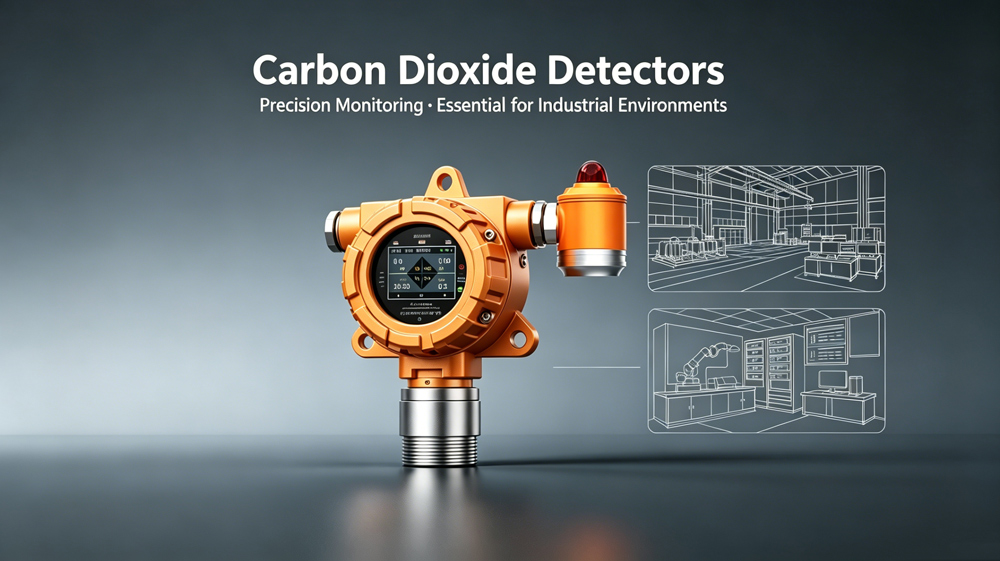
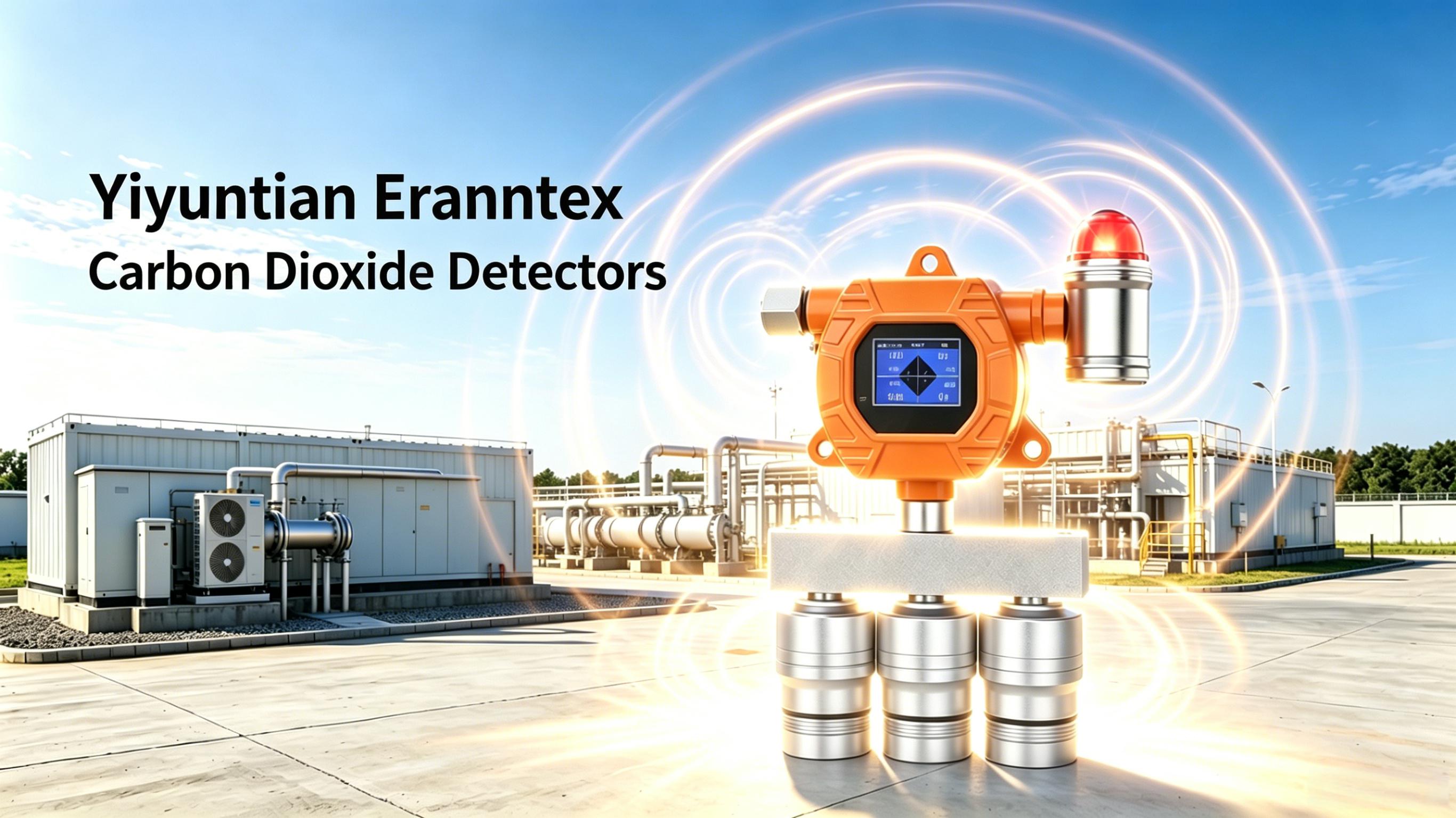
Publication Date:2026/07/27Carbon dioxide detectors play a crucial role in global industrial safety, commercial building automation, and modern agriculture. For purchasing decision-makers, safety managers, and facilities engineers in the international market, accurately selecting the right model from a wide array of products is a systematic undertaking. A professional carbon dioxide detectors buying guide should focus on four key dimensions: core technology, range matching, compliance certification, and total lifecycle cost. Below, Yiyuntian Eranntex will provide a detailed introduction.
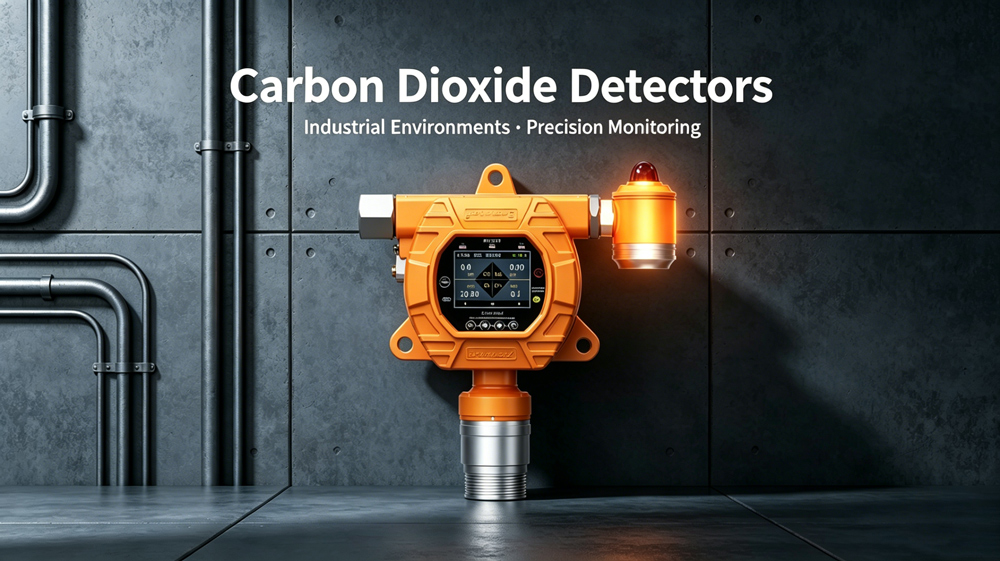
Identifying Core Sensing Technology: NDIR is the Preferred Standard
The sensor directly determines the accuracy, lifespan, and anti-interference capability of a carbon dioxide detectors. When purchasing, devices using non-dispersive infrared (NDIR) technology should be the first choice. NDIR sensors utilize the absorption characteristics of CO₂ molecules to specific wavelengths of infrared light for measurement, exhibiting extremely high selectivity, good long-term stability, and a long lifespan. In contrast, while electrochemical or semiconductor sensors are lower in cost, they are highly susceptible to cross-interference from volatile organic compounds such as alcohol and perfumes in the environment and are prone to drift, making them only suitable for entry-level civilian applications where high accuracy is not required. For professional industrial and building applications, NDIR is an uncompromising technical bottom line.
Precisely Matching Measurement Range: Rejecting a "One-Size-Fits-All" Approach
The measurement range of a carbon dioxide detectors must be strictly matched to the specific application scenario; it's not a matter of "the bigger, the better." For indoor air quality monitoring, the core objective is to assess ventilation efficiency, and a range of 0-2000 ppm or 0-5000 ppm is recommended. Smaller ranges provide extremely high resolution, ensuring accurate triggering of the fresh air system near the 1000 ppm warning line. In agricultural greenhouses or industrial fermentation workshops, where CO₂ concentrations are high, a range of 0-5000 ppm to 0-10000 ppm should be selected. For extreme scenarios such as beer brewing, dry ice production, or confined spaces where high concentrations of CO₂ can easily accumulate, a high-range carbon dioxide detectors with a percentage rating of 0-5% VOL or even higher must be used to prevent instantaneous saturation or damage to conventional sensors.
Strictly Adhering to International Compliance Certifications and Protection Standards
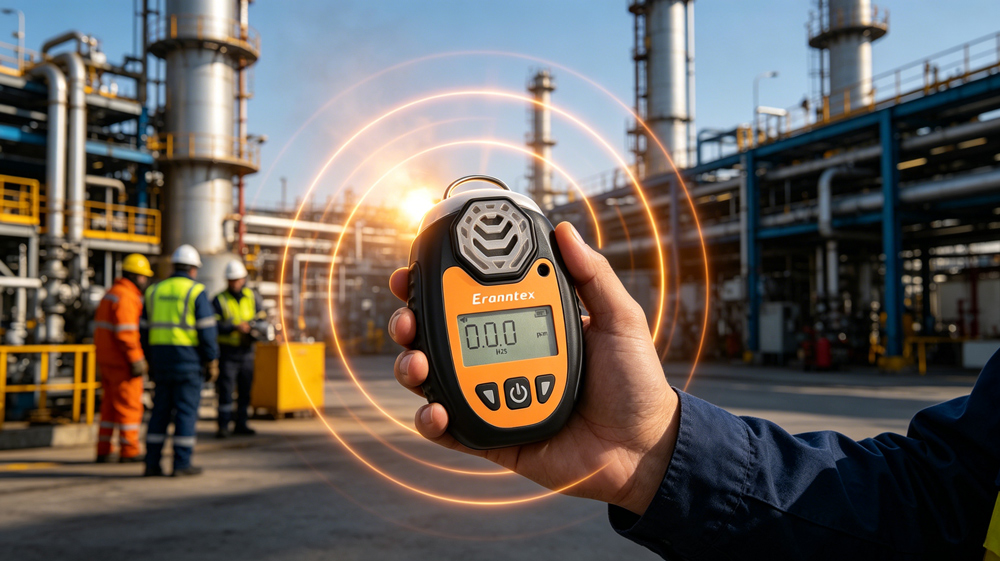
In cross-border procurement or high-risk industry applications, compliance is an absolute bottom line. If the equipment is installed in an industrial area with an explosion risk, it must possess internationally recognized explosion-proof certification, such as the EU's ATEX Directive or the International Electrotechnical Commission's IECEx system. Simultaneously, the equipment should have obtained relevant metrological instrument type approval to ensure the legal validity of the data. Furthermore, for harsh outdoor or dusty, high-humidity environments, the instrument's enclosure protection rating should be at least IP65 to ensure that internal precision optical components are protected from dust and moisture corrosion.
Assessing Intelligent Functions and Life Cycle Costs
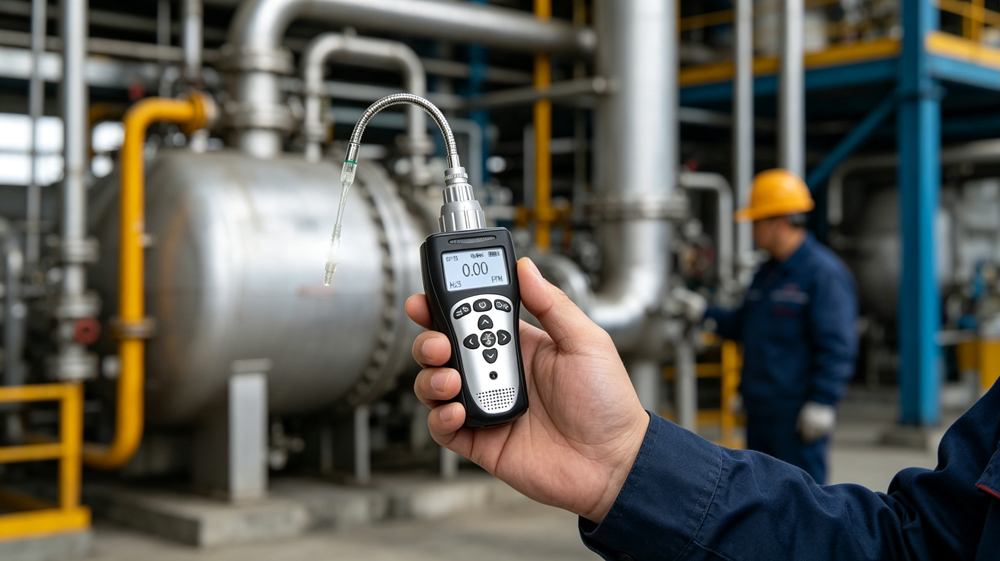
Modern gas detection is no longer isolated hardware but rather part of an enterprise's safety management system. When purchasing, attention should be paid to whether the carbon dioxide detectors supports 4-20mA, RS485, or wireless data transmission for seamless integration into building management systems or factory distributed control systems. Equipment with cloud data logging and multi-terminal alarm functions can significantly improve management efficiency. Finally, the concept of life cycle cost must be introduced. Inexpensive equipment often comes with extremely short sensor lifespans and high subsequent maintenance costs. High-quality carbon dioxide detectors not only feature automatic baseline calibration to reduce manual maintenance frequency, but also offer comprehensive after-sales and calibration services, thereby saving companies hidden costs in the long run.
In summary, selecting a high-quality carbon dioxide detectors requires comprehensive consideration of NDIR core technology, accurate range matching, stringent explosion-proof and protection certifications, and intelligent system integration capabilities. Only through a comprehensive evaluation across these four dimensions can the most solid data support be provided for the company's safe operation and efficient management.
Related information
-
Carbon Dioxide Detectors Buying Guide
Carbon dioxide detectors play a crucial role in global industrial safety, commercial building automation, and modern agriculture. ...
2026-07-27 -
What is the appropriate measurement range for a carbon dioxide detectors?
In the design and selection of gas detection systems, choosing the measurement range for a carbon dioxide detectors is not a simpl...
2026-07-24 -
Which industries are suitable for carbon dioxide detectors?
As a core device for modern industrial safety and intelligent environmental management, the application of carbon dioxide detector...
2026-07-22 -
How to Determine if an Oxygen Detectors Calibration is Passed?
In global industrial safety management systems, oxygen detectors are the last line of defense for protecting the lives of workers....
2026-07-20 -
What are the uses of an oxygen detectors?
Oxygen detectors play a crucial role in global industrial safety and confined space operations management systems. For facility ma...
2026-07-17
 info@eranntexgas.com sale1@eranntexgas.com


 15914124845