
What are the specific provisions for the installation of combustible gas alarms?
Publication Date:2024/10/10 In the process of installing a combustible gas alarm, we usually need to strictly follow the relevant regulations to ensure its correct installation and effective use. The purpose of this is to be able to quickly detect and early warning of combustible gas leakage, to provide a valuable time window for personnel to escape and take emergency measures, so as to ensure the safety of personnel. Do you know the specific regulations for installing combustible gas alarm ? The following is an introduction to yiyuntian electronic editor:
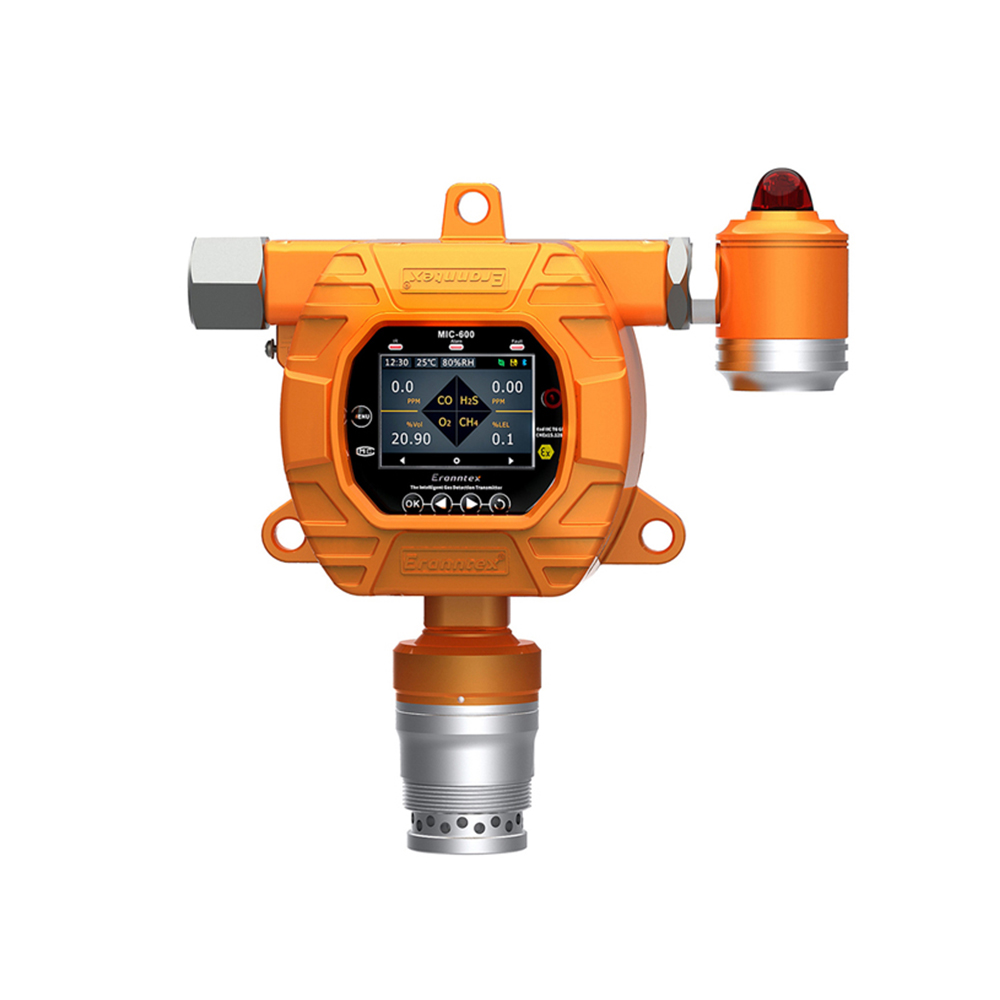
The specific regulations for installing combustible gas alarms do involve many aspects, the following are the main provisions based on the relevant standards and specifications:
1. installation site
According to Clause 8.4.3 of Code for Fire Protection Design of Buildings GB50016-2014(2018 Edition):
Combustible gas alarm device should be installed in the building where combustible gas and combustible vapor may be emitted.
Including industrial production, storage, public buildings may emit flammable vapor or gas, and there is a risk of explosion places and parts.
includes Class C and Class D plants, warehouses where gas processing is stored or used, and gas boiler rooms in public buildings.
Excluding kitchens in residential buildings.
at the same time, article 4.2.1 of the GB17914-2013 "technical conditions for storage and maintenance of flammable and explosive commodities" also stipulates that combustible gas alarm devices shall be installed in places where combustible gas and steam may be emitted (or leaked) in the warehouse.
2. Power Requirements
The power supply part of the combustible gas alarm shall have a main power supply and a backup power conversion device.
When the main power supply is cut off, it can automatically switch to the backup power supply; When the main power supply is restored, it can automatically switch to the main power supply.
There shall be indications of the working status of the main and standby power supplies, and the main power supply shall have overcurrent protection measures.
The conversion of the main and standby power supplies should not cause the controller to malfunction.
3. verification cycle
The calibration cycle of combustible gas alarms is generally not more than one year.
If you have doubts about the measurement data of the combustible gas alarm, the instrument should be submitted for inspection in time after replacing the main parts or repairing.
4. Additional Precautions
The installation position of combustible gas alarm should be determined according to the density and leakage of gas. For example, the density of liquefied petroleum gas is higher than that of air, and it stays at a low place after leakage. The combustible gas alarm should be installed about 0.5 meters from the ground; the density of liquefied natural gas or coal gas is smaller than that of air, and it stays at a high place after leakage. The combustible gas alarm should be installed about 0.5 meters away from the ceiling.
Combustible gas alarms should not be installed in corners, cabinets and other locations where air is not easily circulated, as well as locations that are easily directly smoked by lampblack.
Related information
-
How to Calibrate a Portable four-in-one Gas Detectors?
Portable four-in-one gas detectors are core protective equipment in the industrial safety field. However, sensors can experience z...
2026-09-18 -
What are the application scenarios for portable four-in-one gas detectors?
Portable four-in-one gas detectors typically monitor oxygen (O₂), flammable gas (LEL), carbon monoxide (CO), and hydrogen sulfide...
2026-09-16 -
Portable four-in-one Gas Detectors User Manual
The portable four-in-one gas detectors is a core piece of personal protective equipment (PPE) for ensuring the safety of personnel...
2026-09-14 -

Calibration Specifications for Ammonia gas Detectors
Calibration of ammonia gas detectors is a core step in ensuring their measurement accuracy and alarm reliability. However, ammonia...
2026-09-11 -
What is the appropriate installation height for an ammonia gas detectors?
Ammonia (NH₃) has a relative density of only 0.59, much lighter than air. This means that in the event of a leak, the gas will qu...
2026-09-09

 info@eranntexgas.com sale1@eranntexgas.com


 15914124845