
How do you replace the sensor in a combustible gas detectors?
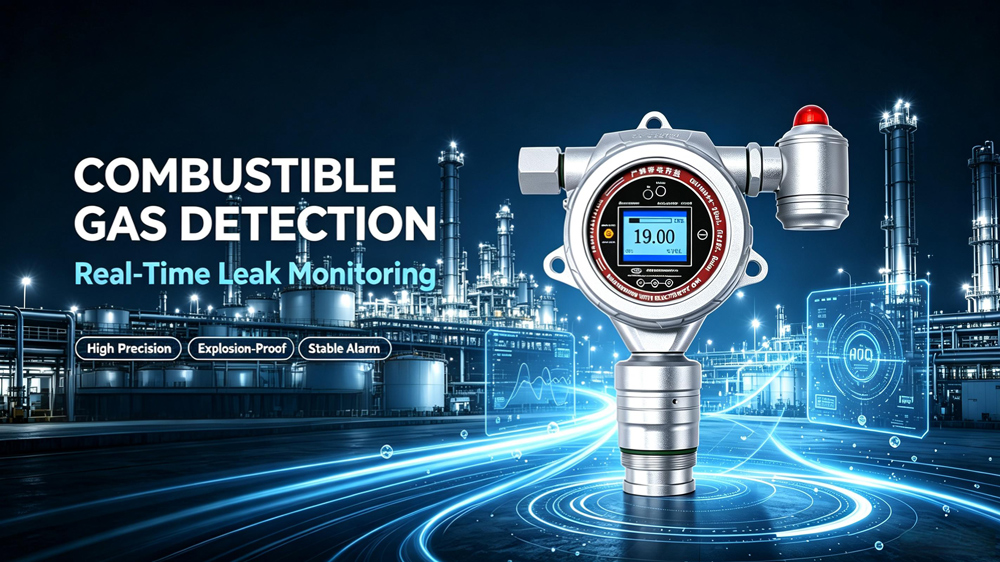
Publication Date:2026/07/10Combustible gas detectors serve as indispensable "sentinels" in industrial safety, with the sensor acting as the device's "heart." Due to prolonged exposure to complex or even harsh industrial environments, sensors inevitably face issues such as natural aging, sensitivity degradation, or chemical "poisoning." For facility maintenance engineers and safety supervisors, replacing the sensor in a timely and standardized manner—especially when readings drift or response times lag—is crucial for maintaining system accuracy and regulatory compliance. To ensure a safe and reliable replacement process, operators must strictly adhere to standardized procedures; the team at Yiyuntian Eranntex outlines these steps below.
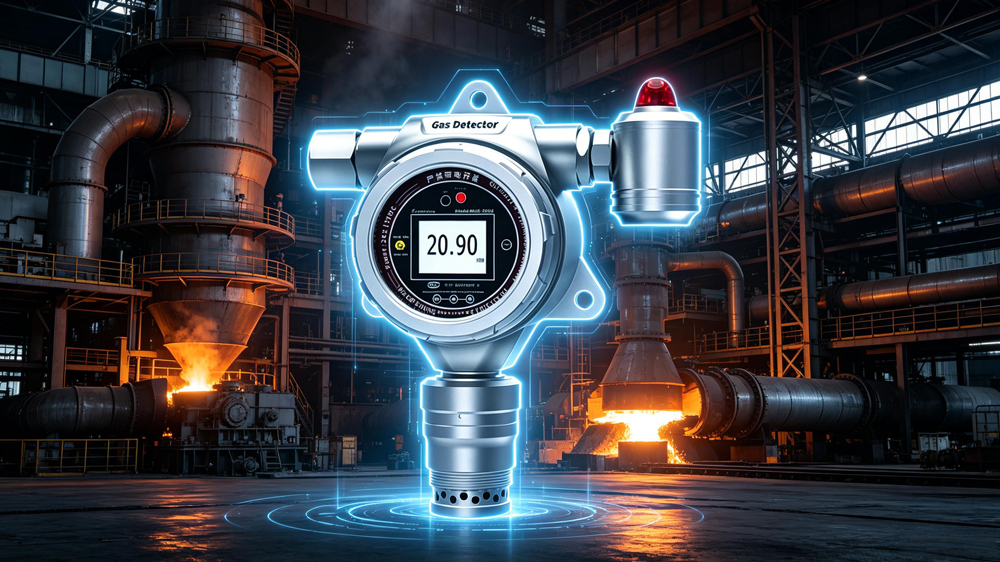
Key Prerequisites: Explosion Safety and Power Disconnection
Before opening the housing of any combustible gas detectors, the primary and non-negotiable step is to ensure the safety of the work environment. Particularly in hazardous areas prone to flammability or explosions, a portable combustible gas detectors must be used first to confirm the absence of combustible gases in the surrounding air. This precaution is vital because opening the housing or handling electrical connections could create an ignition source capable of igniting ambient gases. Once the environment is confirmed safe, the power supply to the detector must be completely disconnected to prevent accidental injury or short-circuit damage to electrical components.
Removing the Old Sensor and Identifying Wiring
After disconnecting the power, carefully unscrew and remove the detector's rear cover or protective housing. For fixed transmitters, loosen the terminal block screws and disconnect the probe wires from the terminals. During this process, it is essential to carefully document the position of each wire—using wire colors or terminal markings—to ensure the new probe is wired correctly later. Next, gently unscrew the old sensor housing and remove the spent sensor module from the unit. If the device utilizes a modular design, simply unplug the white connector attached to the sensor.
Installing the New Sensor and Proper Wiring
Retrieve a new sensor with a part number that exactly matches the original component. Route its wires through the detector housing and tighten the mounting screws. Connect the wires to the corresponding terminals—referencing the previously noted color codes or markings—and secure them firmly. For plug-in modules, simply insert the new sensor module into the socket, ensuring it sits flush against the circuit board without any looseness. Throughout the process, avoid bumping or damaging delicate sensor components; operators are advised to wear protective gear, such as gloves and safety glasses.
Restoring Power and Performing Mandatory Calibration
Once the probe replacement and wiring have been verified as correct, reconnect the power supply. It is crucial to emphasize that immediately after replacing a sensor or circuit board, the combustible gas detectors must undergo initial calibration (including both zero-point and span calibration). Operators must use the appropriate standard gas and a calibration hood, following the procedures outlined in the equipment manual, until the instrument reads zero in clean air and accurately displays the corresponding concentration when exposed to the standard gas. Finally, securely close the detector housing and restore the external monitoring system to operational status; only then is the replacement and maintenance process officially complete.
In summary, replacing the sensor in a combustible gas detectors is not merely a routine hardware maintenance task but a vital component of an enterprise's safety management system. Establishing a standardized workflow—"power off, replace, then calibrate"—minimizes safety risks and ensures equipment accuracy. Enterprises must also bear in mind that the explosion-proof integrity and regulatory compliance of gas detection equipment are non-negotiable; any unauthorized or improper operation could lead to irreversible consequences. Only by integrating standardized replacement procedures with regular, professional calibration can each combustible gas detectors be guaranteed to respond accurately at critical moments, thereby establishing a robust and reliable line of defense in complex industrial environments.
Related information
-
How to Calibrate a Portable four-in-one Gas Detectors?
Portable four-in-one gas detectors are core protective equipment in the industrial safety field. However, sensors can experience z...
2026-09-18 -
What are the application scenarios for portable four-in-one gas detectors?
Portable four-in-one gas detectors typically monitor oxygen (O₂), flammable gas (LEL), carbon monoxide (CO), and hydrogen sulfide...
2026-09-16 -
Portable four-in-one Gas Detectors User Manual
The portable four-in-one gas detectors is a core piece of personal protective equipment (PPE) for ensuring the safety of personnel...
2026-09-14 -

Calibration Specifications for Ammonia gas Detectors
Calibration of ammonia gas detectors is a core step in ensuring their measurement accuracy and alarm reliability. However, ammonia...
2026-09-11 -
What is the appropriate installation height for an ammonia gas detectors?
Ammonia (NH₃) has a relative density of only 0.59, much lighter than air. This means that in the event of a leak, the gas will qu...
2026-09-09
 info@eranntexgas.com sale1@eranntexgas.com


 15914124845