
What are the uses of an oxygen detectors?
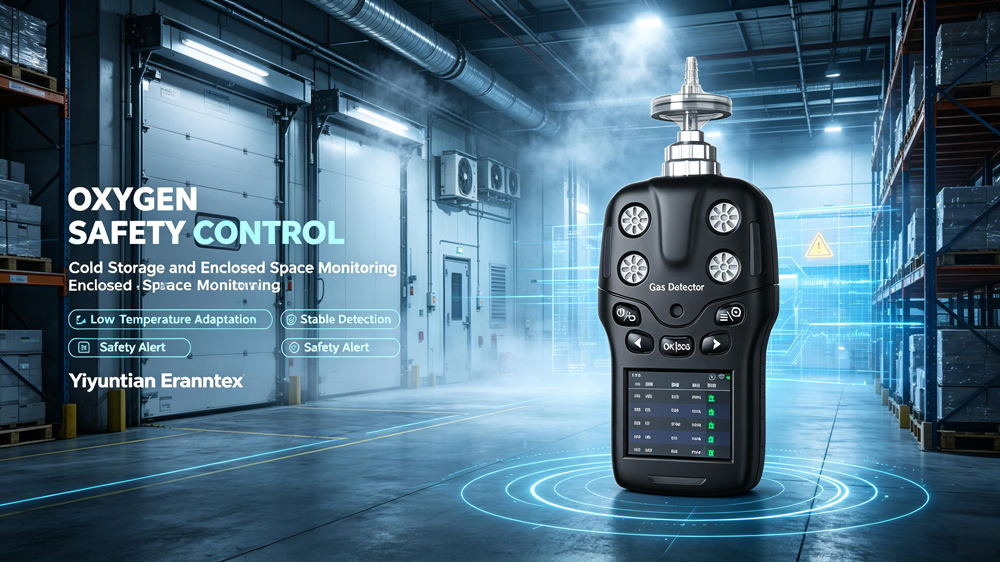
Publication Date:2026/07/17Oxygen detectors play a crucial role in global industrial safety and confined space operations management systems. For facility managers, safety engineers, and field workers, an oxygen detectors is not just a measuring instrument, but a core line of defense for ensuring life safety and preventing catastrophic accidents. It helps managers make critical safety decisions by monitoring the oxygen concentration in the environment in real time.
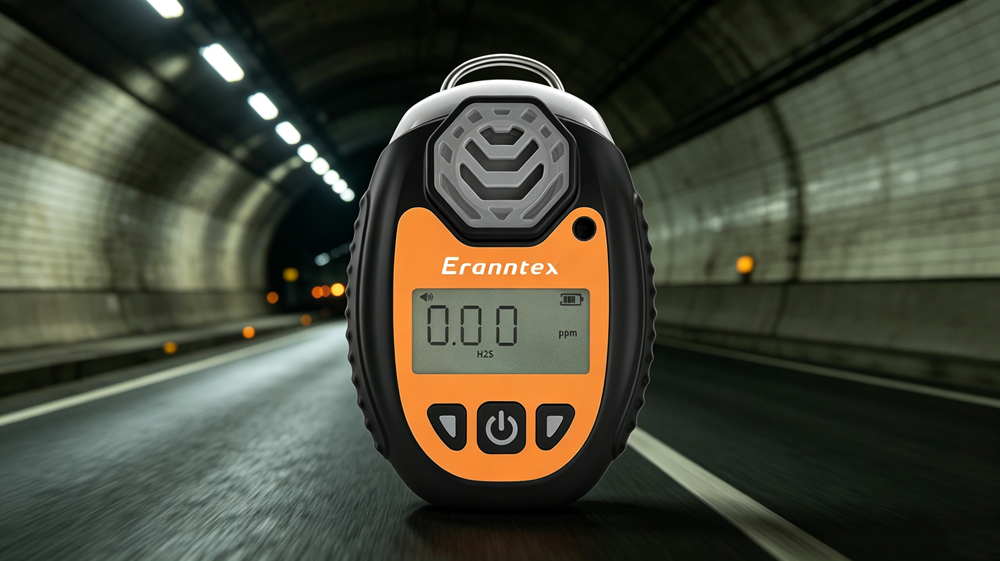
Ensuring Life Safety in Confined Spaces
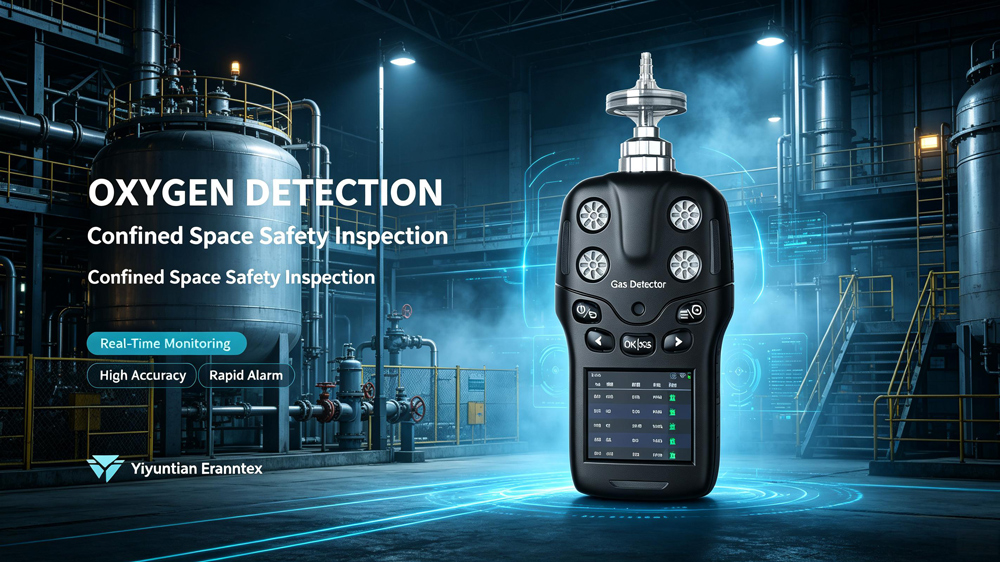
One of the most core uses of an oxygen detectors is to assess the safety of entering confined spaces. In storage tanks, underground pipe corridors, mines, or confined containers, poor air circulation can easily lead to oxygen consumption or replacement by other gases. According to international safety standards, when the oxygen concentration is below 19.5%, the environment is considered hypoxic, and personnel entering may quickly experience loss of judgment, coma, or even suffocation and death. Oxygen detectors provide continuous "early warnings" before personnel enter and during operations, ensuring that the working environment is always above the safe threshold.
Preventing Fires and Explosions Caused by Oxygen Overload
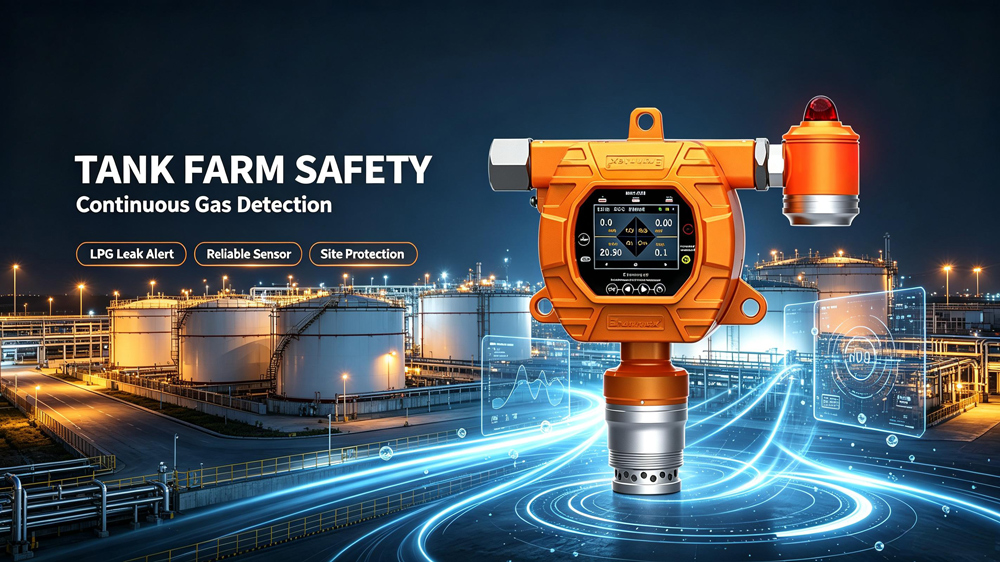
In addition to preventing hypoxia, oxygen detectors are also used to prevent the serious hazards caused by oxygen overload. An oxygen-rich environment is defined as an atmosphere where the oxygen concentration exceeds 23.5%. In this state, even a tiny static electricity or spark can ignite an extremely violent fire or explosion, and conventional flame-retardant materials become highly flammable. Oxygen detectors can detect oxygen leaks or abnormal concentrations in real time, buying valuable time for factories to implement emergency measures such as ventilation or cutting off the gas supply.
Guiding Emergency Rescue and Medical Intervention
At the scene of fires, explosions, and other emergencies, oxygen detectors are the "eyes" of firefighters and emergency responders. Fires consume large amounts of oxygen and produce toxic gases; rescuers must rely on oxygen detectors to monitor the atmospheric conditions in real time to assess whether positive pressure breathing apparatus (SCBA) or emergency escape breathing apparatus (ELSA) are needed. Furthermore, in the medical field, oxygen detectors are widely used in operating rooms, intensive care units, and hyperbaric oxygen chambers to ensure accurate and safe oxygen concentrations for patients, preventing oxygen poisoning or insufficient oxygen supply.
Optimizing Industrial Processes and Quality Control
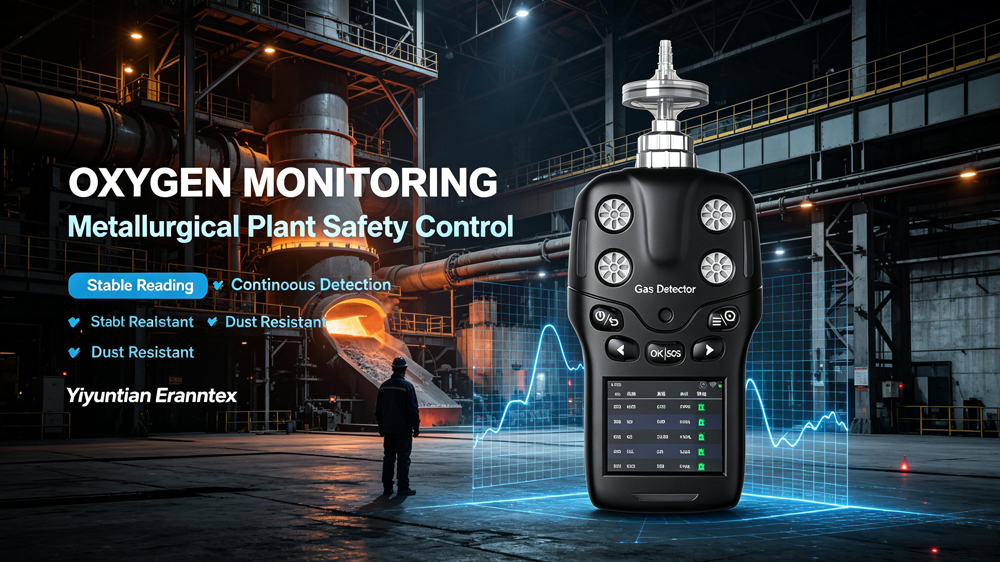
In industrial production and scientific research, oxygen detectors also play a crucial role in process control. In high-precision industries such as semiconductor manufacturing, lithium battery production, or special metal smelting, even a residual oxygen level of one part per million (ppm) can lead to product oxidation, performance degradation, or a sharp drop in yield. Online oxygen detectors can provide real-time feedback on the trace oxygen content in the environment with extremely high accuracy, helping the system automatically adjust the flow of protective gas, thereby ensuring product quality and production safety.
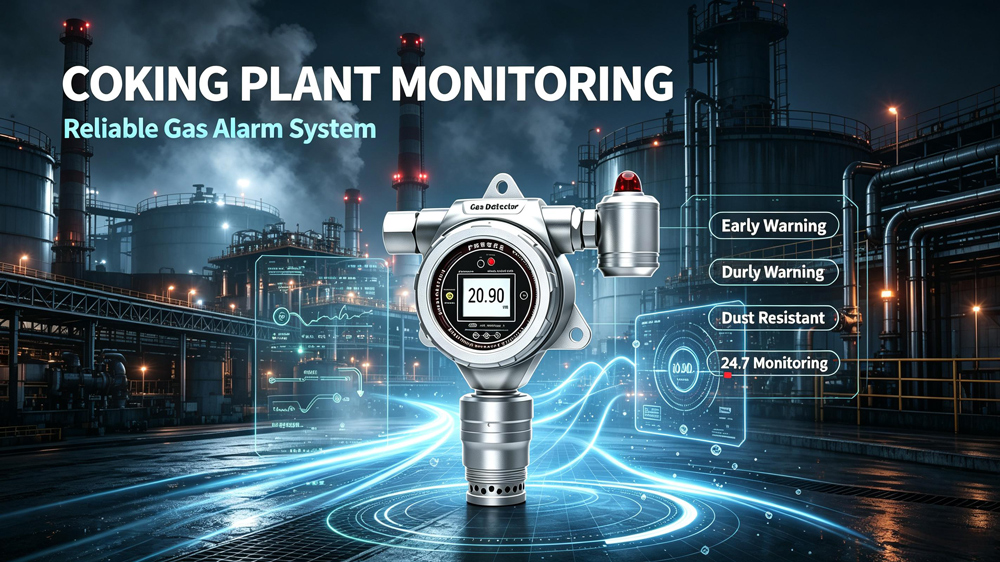
In summary, oxygen detectors play an irreplaceable role in ensuring personnel safety, preventing fire and explosion accidents, guiding emergency rescue, and optimizing industrial production processes. Whether portable devices or fixed online monitoring systems, they are indispensable infrastructure for modern industrial and urban safety management.
Related information
-
How to Calibrate a Portable four-in-one Gas Detectors?
Portable four-in-one gas detectors are core protective equipment in the industrial safety field. However, sensors can experience z...
2026-09-18 -
What are the application scenarios for portable four-in-one gas detectors?
Portable four-in-one gas detectors typically monitor oxygen (O₂), flammable gas (LEL), carbon monoxide (CO), and hydrogen sulfide...
2026-09-16 -
Portable four-in-one Gas Detectors User Manual
The portable four-in-one gas detectors is a core piece of personal protective equipment (PPE) for ensuring the safety of personnel...
2026-09-14 -

Calibration Specifications for Ammonia gas Detectors
Calibration of ammonia gas detectors is a core step in ensuring their measurement accuracy and alarm reliability. However, ammonia...
2026-09-11 -
What is the appropriate installation height for an ammonia gas detectors?
Ammonia (NH₃) has a relative density of only 0.59, much lighter than air. This means that in the event of a leak, the gas will qu...
2026-09-09
 info@eranntexgas.com sale1@eranntexgas.com



 15914124845
