
What is a normal oxygen detectors reading?
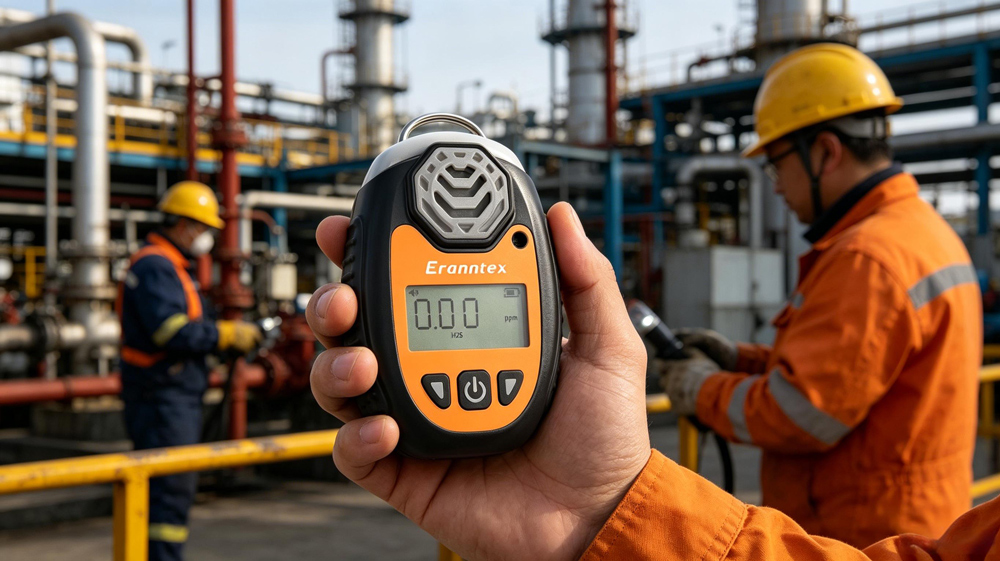
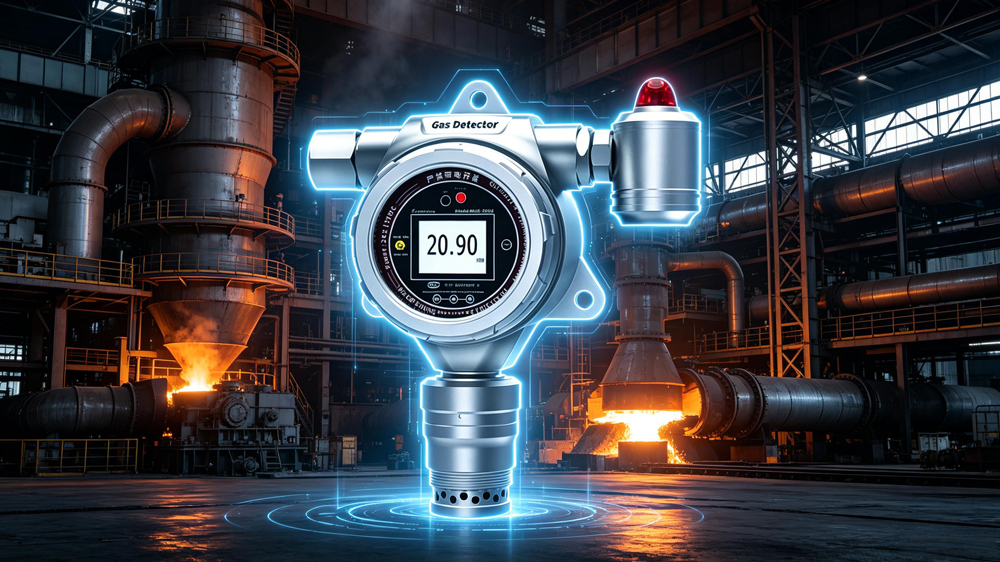
Publication Date:2026/07/15In global industrial safety and confined space operations management, oxygen detectors are a core line of defense for ensuring the safety of frontline personnel. For facility managers, safety engineers, and field workers in the international market, accurately understanding the normal range and alarm thresholds of oxygen concentration is a primary prerequisite for preventing asphyxiation or oxygen poisoning accidents. Typically, in well-ventilated standard air at sea level, the oxygen volume fraction (%VOL) is approximately 20.9%. However, in industrial safety standards, "normal" oxygen is not an absolutely fixed value, but a dynamic range based on the limits of human physiological tolerance and operational safety regulations. Below, Yiyuntian Eranntex will introduce this range.
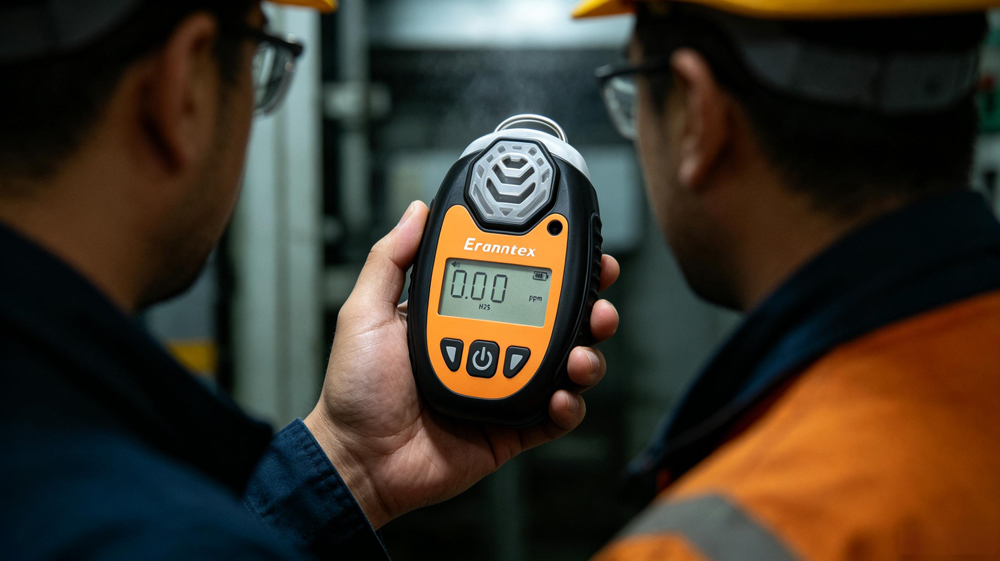
Internationally Accepted Safe Oxygen Concentration Range
According to internationally accepted safety standards, the normal and safe range of oxygen concentration in ambient air is generally defined as between 19.5% VOL and 23.5% VOL. As long as the oxygen detectors reading is within this range, workers can work normally without wearing additional respiratory protective equipment. When the oxygen concentration is below 19.5% VOL, the environment is considered "oxygen-deficient (deficient oxygen)." In this state, people may experience shortness of breath, impaired judgment, or even suffocation and unconsciousness. Conversely, when the concentration exceeds 23.5% VOL, it enters an "oxygen-rich" state. This environment significantly increases the intensity of combustion of flammable materials, posing a serious fire or explosion hazard.
Setting Alarm Thresholds for Oxygen Deficiency and Oxygen Richness
To provide sufficient warning time before danger occurs, the alarm thresholds of oxygen detectors are typically set strictly according to the aforementioned safe ranges. In most industrial standards, the first-level low-altitude alarm (low-altitude alarm) is usually set at 19.5% VOL. Once the reading drops to this value or below, the oxygen detectors will immediately issue an audible, visual, and vibration alarm, reminding personnel to ensure ventilation or evacuate. Simultaneously, the high-altitude alarm (over-oxygen alarm) is usually set at 23.5% VOL. When the reading reaches or exceeds this threshold, the system will warn of a potential oxygen leak or ventilation system malfunction, requiring immediate intervention.
Strict Compliance Requirements in Special Operating Environments
It is important to note that safety regulations in different countries or specific industries may impose stricter requirements on oxygen concentrations. For example, in special operations at hazardous chemical plants, some international safety standards recommend controlling the oxygen content in the working environment between the more ideal range of 19.5% and 21% VOL. This means that even if the oxygen concentration is within the broad safe range of 21% to 23.5% VOL, in certain specific high-risk operating scenarios, it may still be considered a suboptimal state requiring further ventilation adjustments.
The Impact of Altitude on Oxygen Readings
When assessing whether oxygen detectors readings are normal, geographical environmental factors must also be fully considered. Since atmospheric pressure decreases with increasing altitude, the oxygen concentration in the ambient air decreases inversely. Typically, for every 100 meters increase in altitude, the oxygen concentration decreases by approximately 0.16% VOL. Therefore, when working at high altitudes, an oxygen concentration below 20.9% VOL displayed by an oxygen detectors is a normal phenomenon consistent with natural laws. When commissioning equipment, enterprises should reasonably adjust the baseline values according to the actual local altitude to avoid frequent false alarms caused by environmental differences.
In summary, the normal reading of an oxygen detectors should be maintained within the safe range of 19.5% to 23.5% VOL. Enterprises should scientifically set alarm thresholds based on specific operating scenarios, local regulations, and altitude conditions, and strictly implement regular calibration and maintenance to ensure that the oxygen detectors can provide accurate and reliable safety warnings under any extreme operating conditions.
Related information
-
What is the calibration interval for oxygen detectors?
Oxygen detectors serve as a critical line of defense for personnel safety in fields such as industrial safety, confined space oper...
2026-08-28 -
Operational Guidelines for Oxygen Detectors
Oxygen is a fundamental element for sustaining life and supporting combustion. Whether it is the risk of fatal asphyxiation in oxy...
2026-08-26 -
Combustible Gas Detectors Sensors: How Often Do They Need Replacement?
Combustible gas detectors are indispensable equipment in the field of industrial safety. As the core component, the sensor directl...
2026-08-21 -
How to Choose a Four-in-One Detectors? A 2026 Guide to Avoiding Pitfalls
In the field of industrial safety, the four-in-one detectors serves as a critical line of defense for protecting the lives of...
2026-08-14 -
Usage and Precautions for Four-in-One Detectors
The four-in-one detectors is a critical piece of personal protective equipment for ensuring safety during industrial operations ...
2026-08-12
 info@eranntexgas.com sale1@eranntexgas.com


 15914124845