
Oxygen Detectors Buying Guide
Publication Date:2026/06/02Oxygen detectors serve not only as core equipment in the fields of industrial safety and occupational health but also as the first line of defense against accidents involving oxygen deprivation (asphyxiation) or oxygen enrichment (combustion hazards). Faced with the vast array of brands and models available on the market—whether for chemical manufacturing, confined space operations, or medical applications—selecting the precise instrument for the job is absolutely critical. Below, the editorial team at Yiyuntian Eranntex has compiled a buying guide based on international standards and engineering best practices, designed to assist users in establishing a long-term, reliable safety assurance system.
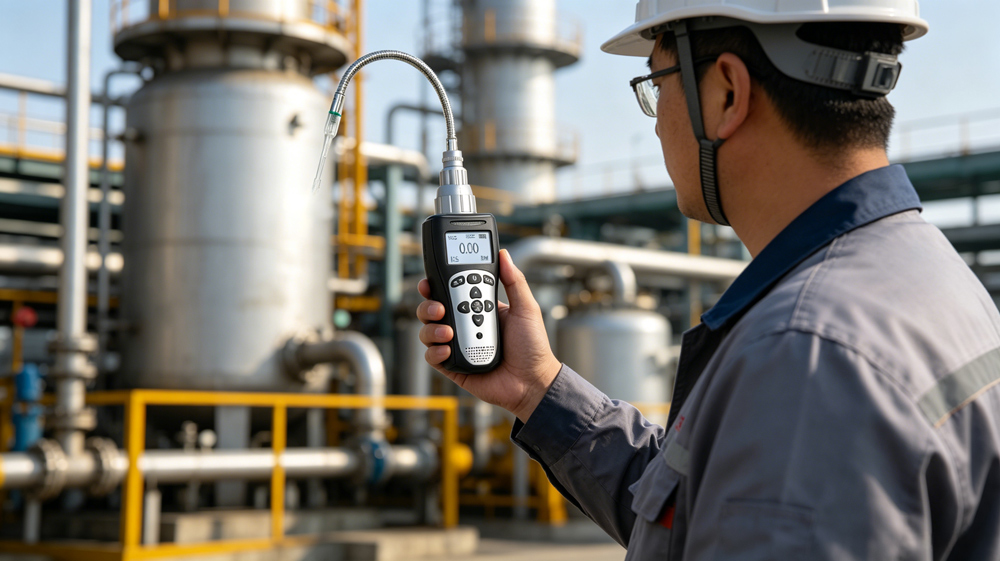
I. Define Application Scenarios and Instrument Form Factors
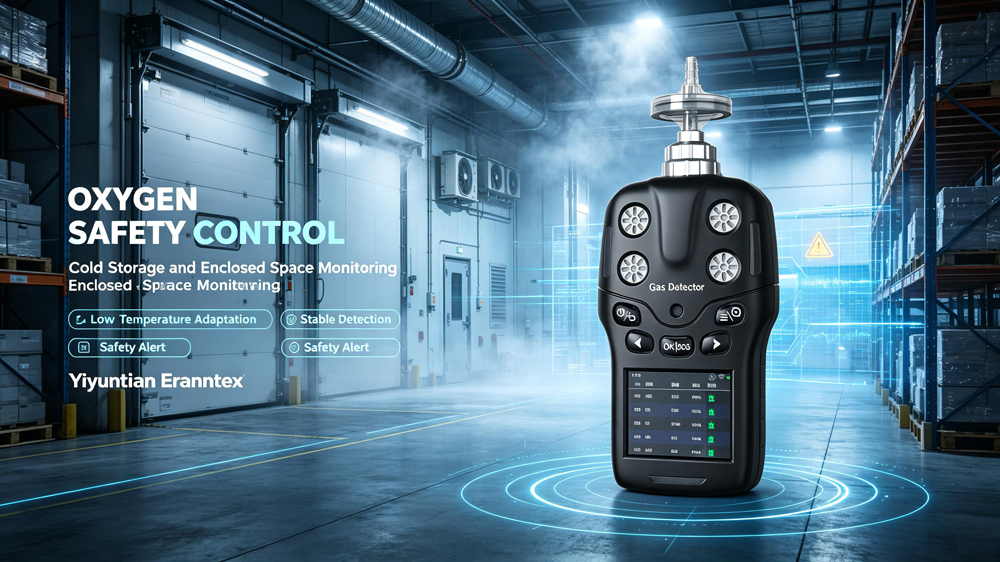
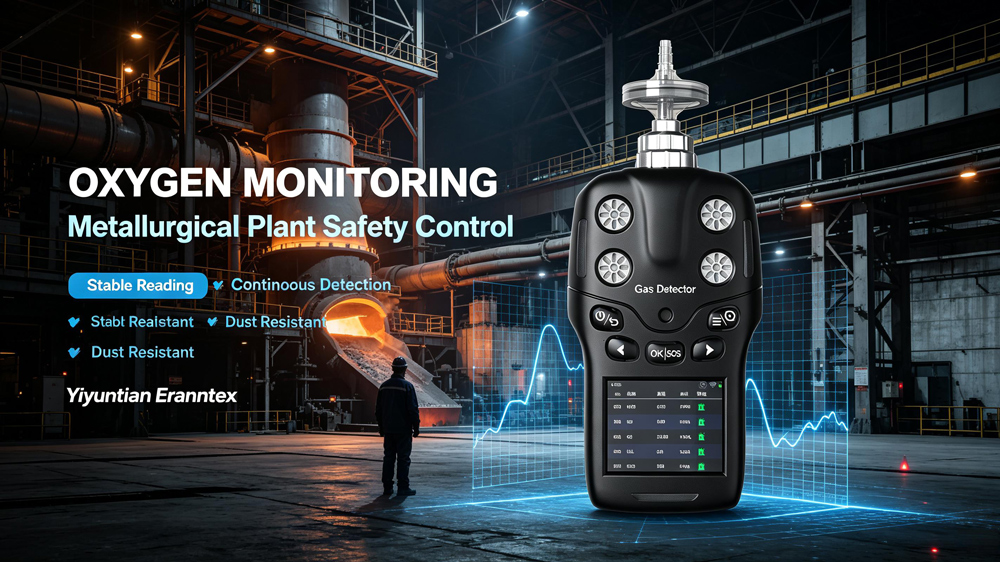
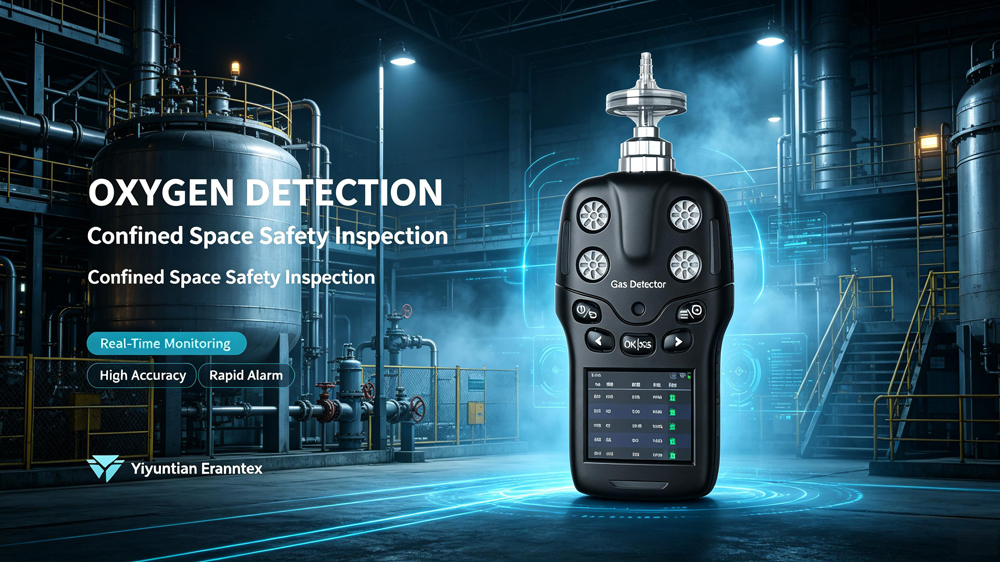
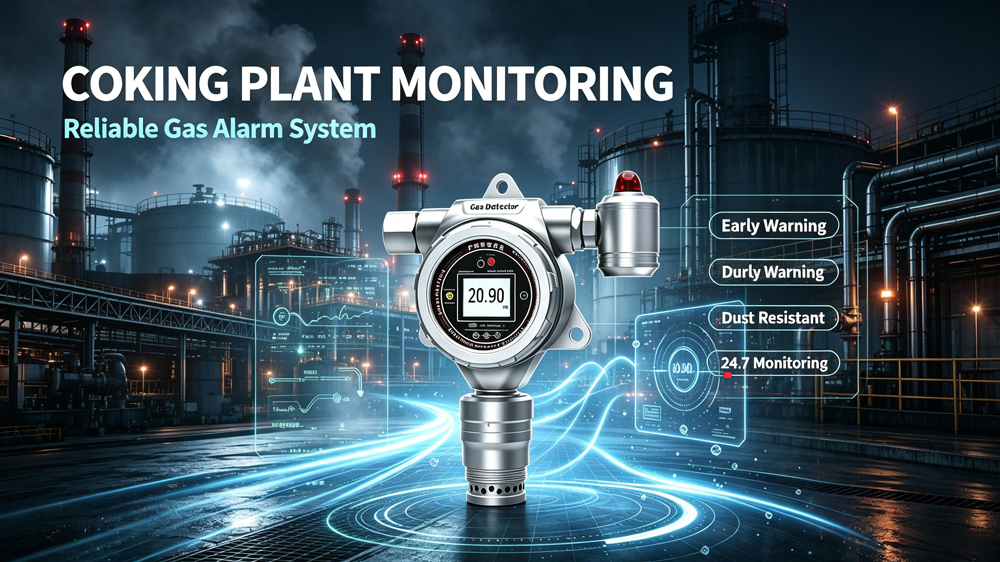
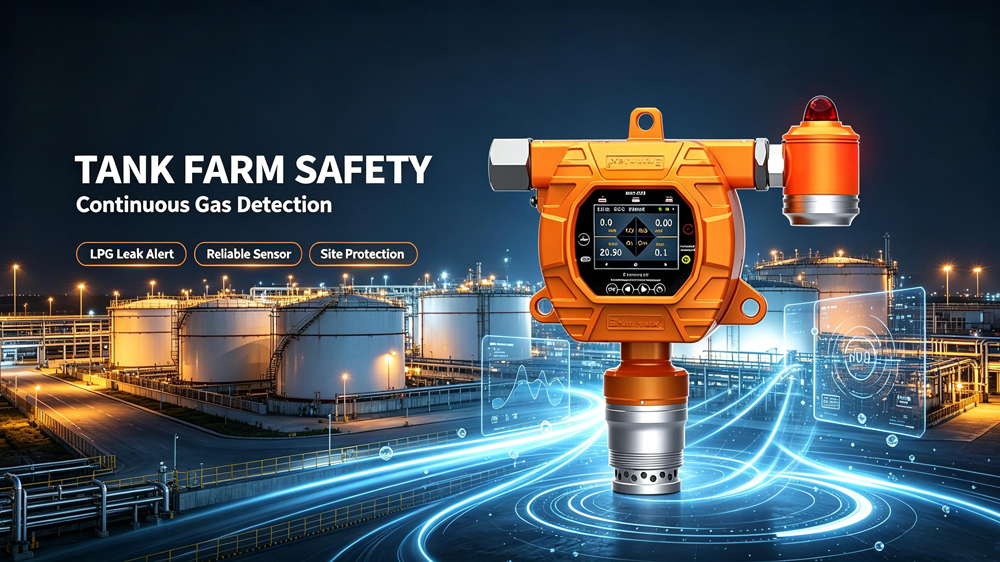
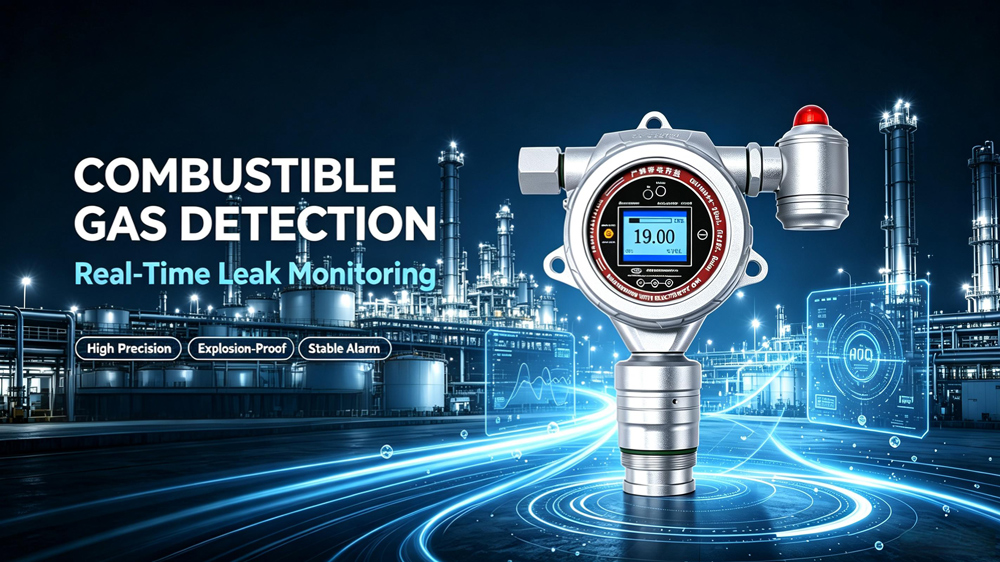
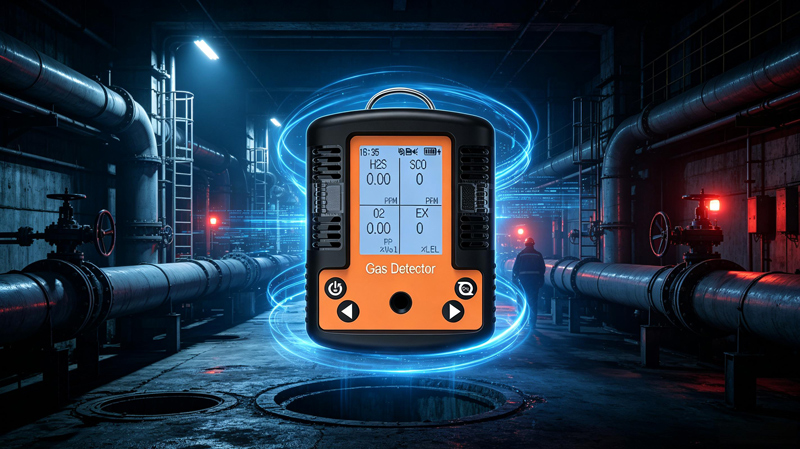
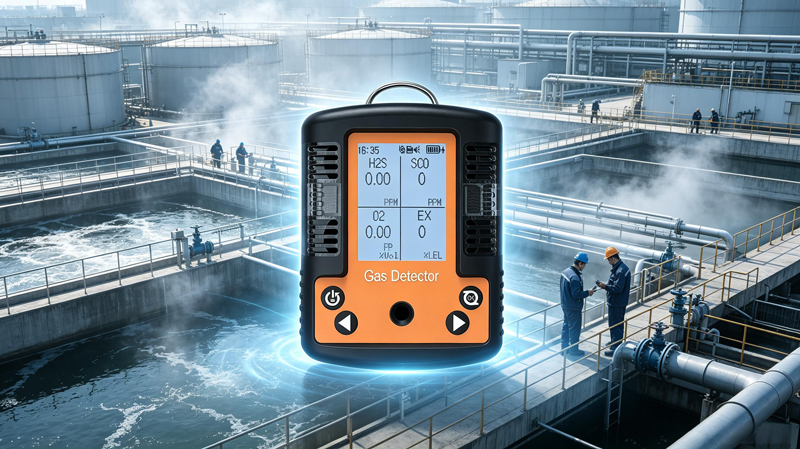
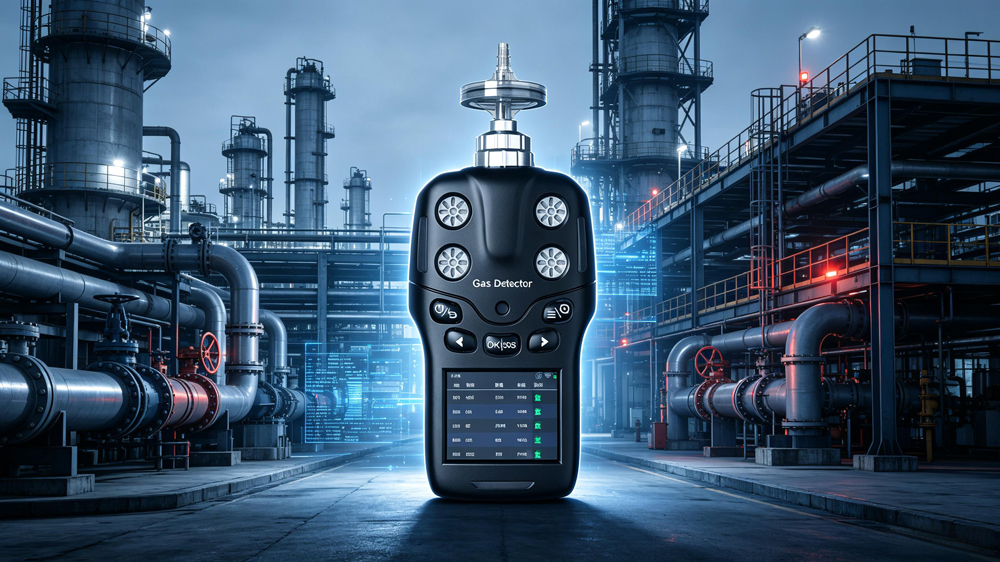
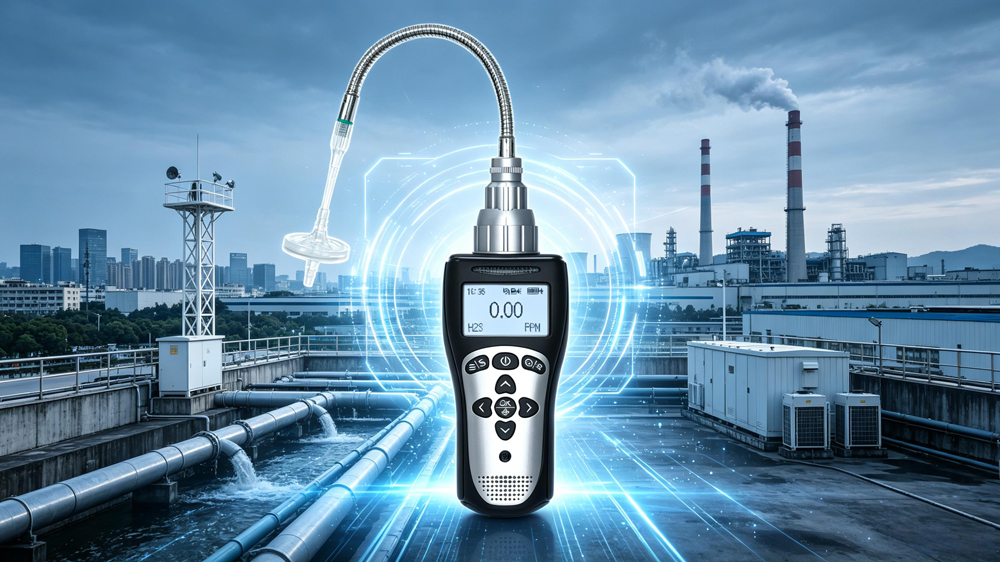
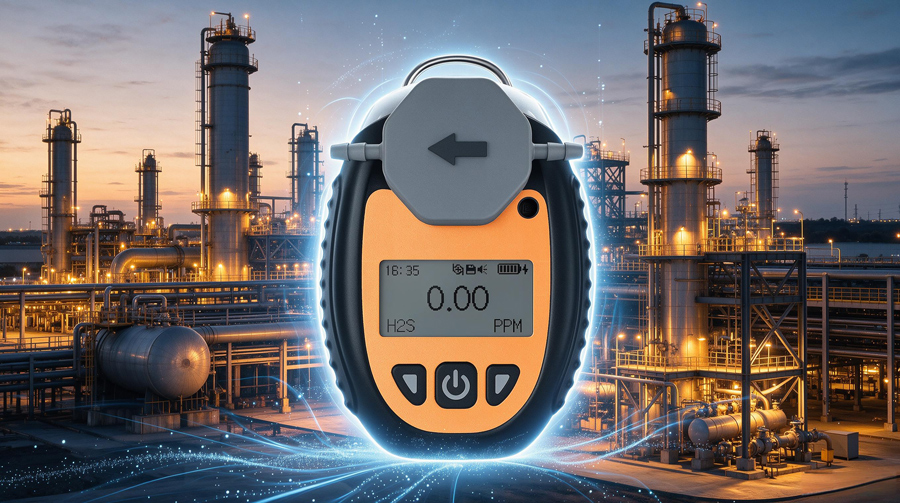
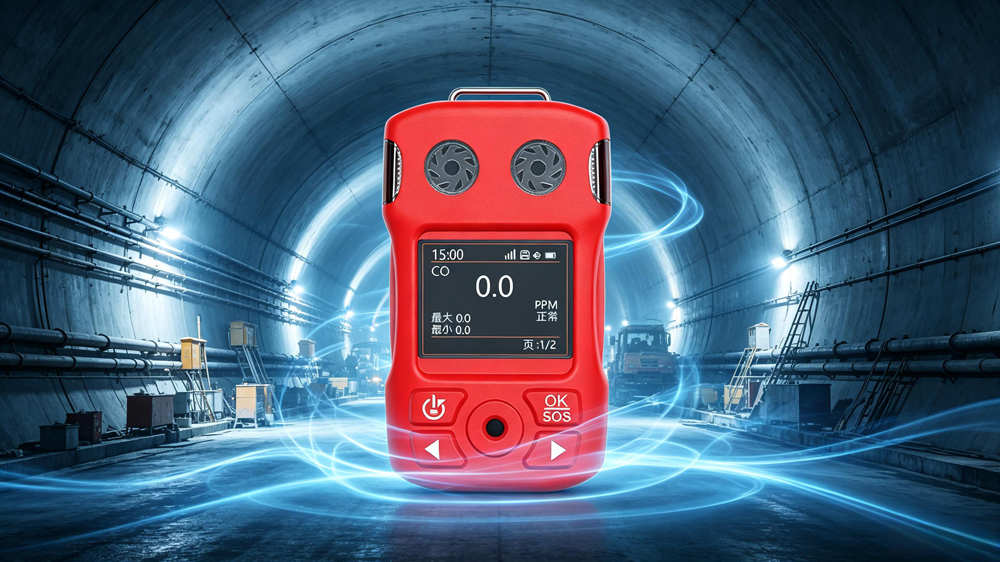
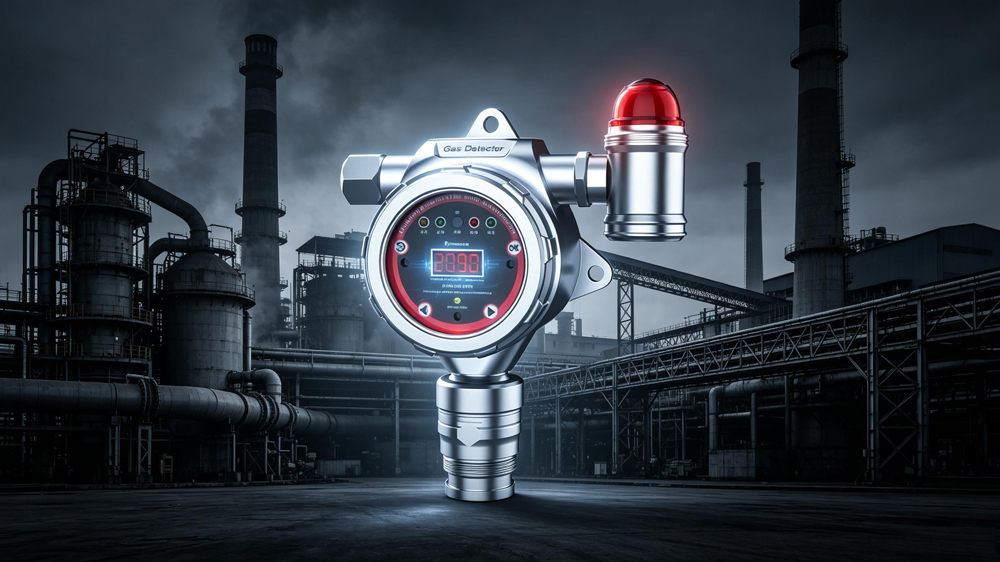
The logical starting point for instrument selection is to clearly define your specific monitoring requirements. If you require continuous, 24/7 monitoring at a fixed location, a fixed-position online detector is the ideal choice. These devices prioritize long-term stability and environmental adaptability; they typically feature standard analog or digital signal outputs, facilitating easy integration into a facility's central control system and enabling linkage with ventilation equipment. Conversely, if the primary objective is pre-entry safety checks for personnel entering areas of unknown risk, routine inspections, or emergency response, priority should be given to portable multi-gas detectors. Portable models emphasize lightweight design, battery life, and rapid response times; some high-end models also support pump-driven sampling, allowing them to easily handle complex environments or hard-to-reach "dead zones" where gas accumulation may occur.
II. Evaluate Core Sensor Technologies and Performance Metrics
As the "heart" of the instrument, the underlying technical principle of the sensor directly determines the accuracy of measurements and the limits of its applicability. For most routine ambient air monitoring and confined space safety applications, electrochemical sensors are the preferred choice due to their low power consumption, high resolution, and moderate cost; however, it is important to note that their typical service life is 1 to 3 years, and they require periodic calibration. For applications involving high-temperature flue gas analysis or combustion efficiency optimization, zirconium oxide sensors are indispensable due to their exceptional heat resistance. Conversely, in demanding environments requiring high-precision process control—or in settings where strong interfering gases are present—paramagnetic or laser-optical sensors offer superior resistance to interference and significantly longer service lifetimes. When evaluating performance, it is imperative to focus on whether the oxygen detector's measurement range covers the expected concentration levels, whether its response time meets safety warning requirements, and whether it incorporates intelligent temperature and humidity compensation algorithms to counteract errors caused by environmental fluctuations.
III. Strictly Verify International Certifications and Compliance Credentials
In the context of international procurement or applications within high-risk industries, regulatory compliance constitutes an absolute baseline. When making a purchase, it is essential to confirm whether the product possesses the mandatory safety certifications required by the target market. In hazardous environments prone to flammability or explosion risks, explosion-proof certification serves as an inviolable red line; this ensures that the oxygen detectors itself does not become a source of ignition. Furthermore, certificates of Type Approval for measuring instruments and ISO quality management system certifications serve as critical benchmarks for assessing the legal validity of the product's data and the consistency of its manufacturing quality. Additionally, for outdoor applications or harsh working conditions characterized by dust and humidity, the oxygen detector's Ingress Protection (IP) rating should be at least IP65 or higher to ensure that its internal precision components remain protected against dust ingress and moisture corrosion.
IV. Evaluate Full Lifecycle Services and Maintenance Costs
The true value of an oxygen detectors is ultimately realized through its long-term stability and precise performance in service; therefore, after-sales support and ease of maintenance must not be overlooked. A high-quality supplier offers not only reliable hardware but also comprehensive full-lifecycle service capabilities—including professional user training, scheduled on-site calibration, and rapid spare parts supply. When planning a budget, it is advisable to adopt a "Total Cost of Ownership" perspective rather than simply chasing the lowest initial purchase price. An oxygen detectors equipped with long-life sensors, capable of convenient on-site calibration, and backed by responsive after-sales support can effectively reduce future maintenance frequency and minimize hidden costs, thereby providing operational personnel with a truly robust and reliable safety shield.
In summary, the selection of an oxygen detectors is by no means a simple hardware procurement task; rather, it is a systematic engineering process that bears directly upon human safety and regulatory compliance in production. From precisely matching the device to its specific application scenario and carefully selecting core sensor technologies, to strictly upholding the baseline standards of international explosion-proof certifications and taking a long-term view of full-lifecycle maintenance costs—every decision point directly impacts the ultimate effectiveness of the safety protection system.
In industrial settings or complex environments fraught with uncertainty, a high-performance oxygen detectors serves as far more than a mere measuring instrument; it stands as the most trusted line of defense for the safety of personnel. We hope this guide helps you navigate the maze of technical specifications, empowering you to make the most scientifically sound and rational selection decisions. Only by approaching every safety investment with rigorous diligence can we truly nip risks in the bud—thereby laying an unshakable foundation for both the robust operation of the enterprise and the health and safety of its workforce.
Related information
-
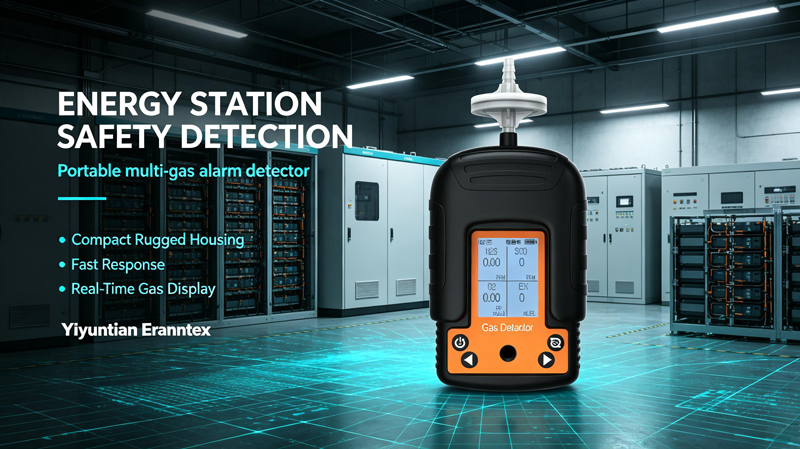
How to Calibrate a Portable four-in-one Gas Detectors?
Portable four-in-one gas detectors are core protective equipment in the industrial safety field. However, sensors can experience z...
2026-09-18 -
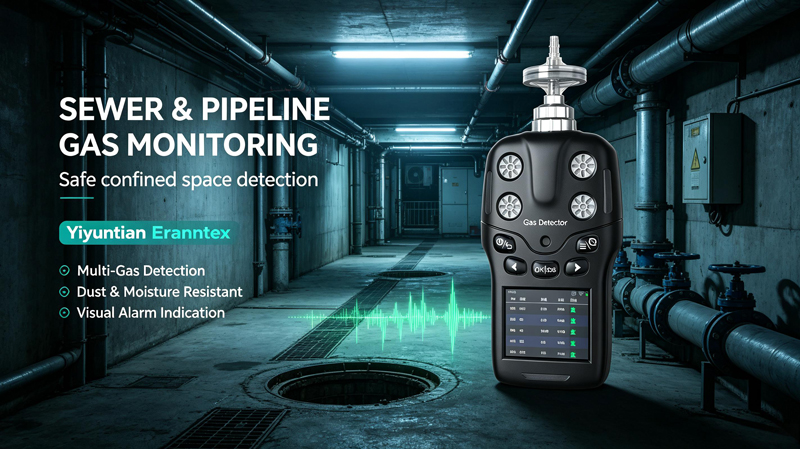
What are the application scenarios for portable four-in-one gas detectors?
Portable four-in-one gas detectors typically monitor oxygen (O₂), flammable gas (LEL), carbon monoxide (CO), and hydrogen sulfide...
2026-09-16 -
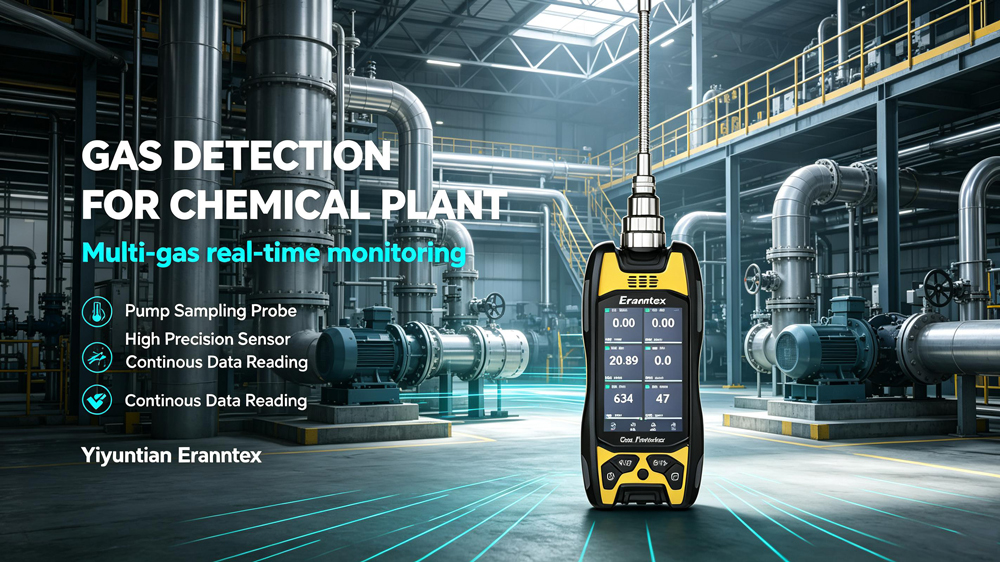
Portable four-in-one Gas Detectors User Manual
The portable four-in-one gas detectors is a core piece of personal protective equipment (PPE) for ensuring the safety of personnel...
2026-09-14 -

Calibration Specifications for Ammonia gas Detectors
Calibration of ammonia gas detectors is a core step in ensuring their measurement accuracy and alarm reliability. However, ammonia...
2026-09-11 -
What is the appropriate installation height for an ammonia gas detectors?
Ammonia (NH₃) has a relative density of only 0.59, much lighter than air. This means that in the event of a leak, the gas will qu...
2026-09-09
 info@eranntexgas.com sale1@eranntexgas.com


 15914124845