
Are there significant price differences between nitrogen oxide detectors based on different principles?
Publication Date:2026/06/24For purchasing decision-makers, environmental engineers, and corporate safety managers, the price range fornitrogen oxide detectors is indeed substantial. From portable single-gas alarms costing a few hundred dollars to laboratory-grade continuous emission monitoring systems (CEMS) costing tens of thousands or even over one hundred thousand dollars, the huge price difference is not simply due to brand premium, but is determined by core sensing technology, hardware complexity, and total lifecycle maintenance costs. Below is an in-depth analysis of the cost structure based on different detection principles, compiled by Yiyuntian Eranntex:
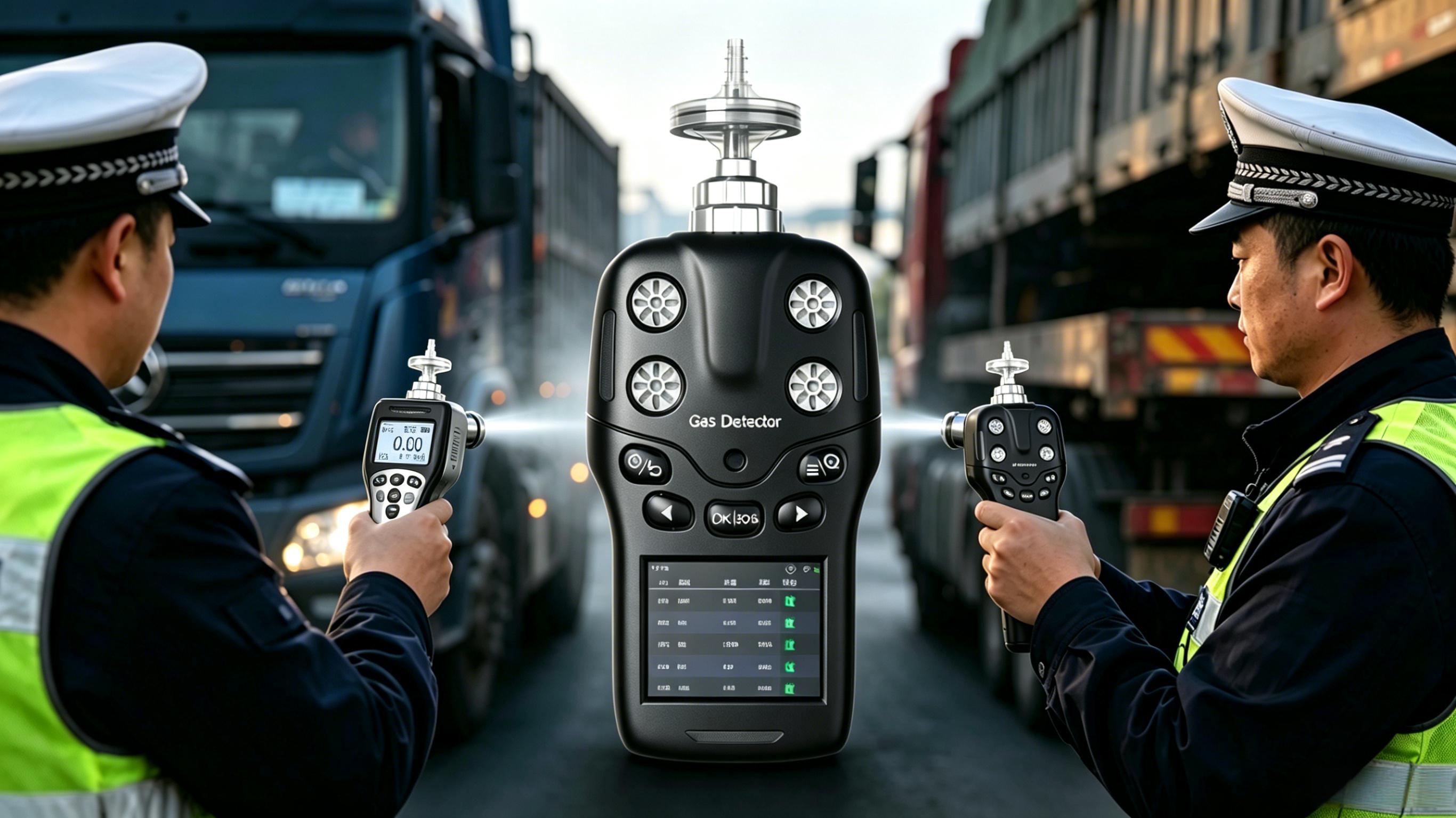
Electrochemical Method: A Highly Cost-Effective Entry-Level Choice
Nitrogen oxide detectors using electrochemical sensors have a clear price advantage in the market. Whether it's a portable handheld device or a fixed industrial safety alarm, its initial purchase cost is usually the most affordable. This is mainly due to its simple sensor structure, mature manufacturing process, and compact size. However, "hidden costs" must be considered when evaluating its economics. Electrochemical sensors are consumables, with a lifespan typically of only 1 to 3 years, and are susceptible to interference from cross-contamination gases. This means users need to frequently replace sensors and perform regular calibrations, leading to a continuous accumulation of consumable and maintenance costs over long-term operation.
Non-Dispersive Infrared Spectroscopy (NDIR): The Industrial Mainstay Balancing Performance and Cost
Non-dispersive infrared absorption spectrometry (NDIR) detectors are typically priced in the mid-to-high range. Due to their core components, including a precision infrared light source, gas chamber, and filters, and the need for a robust design resistant to vibration and interference, their initial manufacturing costs are significantly higher than electrochemical devices. However, NDIR sensors have an extremely long lifespan (typically over 5 years) and do not require consumable gases or frequent replacement of core components. For applications requiring long-term continuous monitoring, such as industrial boilers, automotive exhaust analysis, or combustion efficiency optimization, NDIR equipment offers highly competitive lifecycle cost-effectiveness due to its lower maintenance frequency.
Chemiluminescence Spectroscopy (CLD): High Premium Due to Regulatory Compliance
For applications involving stringent environmental compliance monitoring, chemiluminescence equipment is the industry's recognized gold standard. These devices are relatively expensive, with a complete system often costing tens of thousands to hundreds of thousands of US dollars. The high cost stems from the extremely complex optical reaction chamber, high-precision photomultiplier tubes, and ozone generators that require regular replacement. Despite the extremely high initial investment and operating costs, such a high level of investment is unavoidable for large industrial enterprises in order to achieve ultra-high sensitivity at the ppb level and accurate measurements without cross-interference, in order to meet the stringent audit requirements of government environmental protection departments.
Cutting-Edge Optical Technologies: High Barriers to Entry for Research-Level Applications
Difference-of-Ultraviolet Absorption Spectroscopy (DOAS), Fourier Transform Infrared Absorption Spectroscopy (FTIR), and Tunable Laser-on-Semiconductor Absorption Spectroscopy (TDLAS) represent the current cutting-edge technologies for nitrogen oxide detection. These devices integrate complex spectrometers, interferometers, or precision lasers and rely on powerful data processing algorithms. They are primarily geared towards research, ultra-low emission monitoring, or extremely complex flue gas environments, and their prices are often at the top of the market. While they offer laboratory-grade accuracy and multi-component simultaneous detection capabilities, their high procurement and maintenance costs typically exceed the budget for typical industrial applications.
In conclusion, the price differences in nitrogen oxide detectors essentially represent a trade-off between detection accuracy, equipment lifespan, and compliance requirements. When purchasing, international users should not only focus on the initial purchase price but also comprehensively assess the long-term maintenance costs of the equipment in light of specific application scenarios, thereby making a rational decision that balances economic efficiency and safety standards.
Related information
-
How to Calibrate a Portable four-in-one Gas Detectors?
Portable four-in-one gas detectors are core protective equipment in the industrial safety field. However, sensors can experience z...
2026-09-18 -
What are the application scenarios for portable four-in-one gas detectors?
Portable four-in-one gas detectors typically monitor oxygen (O₂), flammable gas (LEL), carbon monoxide (CO), and hydrogen sulfide...
2026-09-16 -
Portable four-in-one Gas Detectors User Manual
The portable four-in-one gas detectors is a core piece of personal protective equipment (PPE) for ensuring the safety of personnel...
2026-09-14 -

Calibration Specifications for Ammonia gas Detectors
Calibration of ammonia gas detectors is a core step in ensuring their measurement accuracy and alarm reliability. However, ammonia...
2026-09-11 -
What is the appropriate installation height for an ammonia gas detectors?
Ammonia (NH₃) has a relative density of only 0.59, much lighter than air. This means that in the event of a leak, the gas will qu...
2026-09-09
 info@eranntexgas.com sale1@eranntexgas.com


 15914124845