
Gas Ranges for Four-in-One Detectors
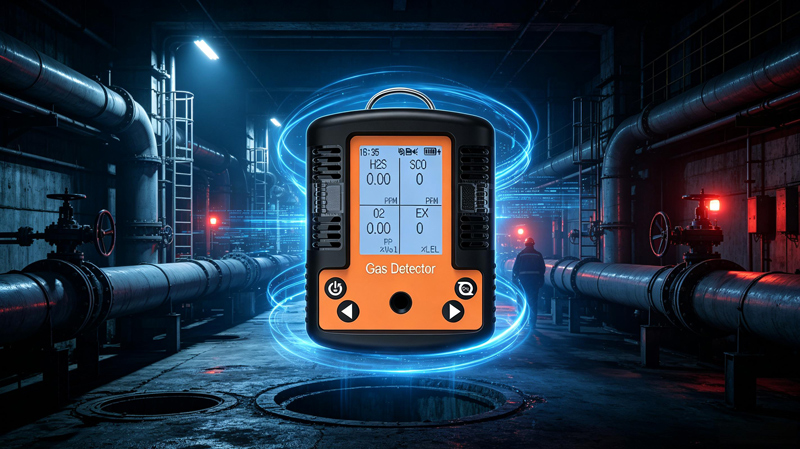
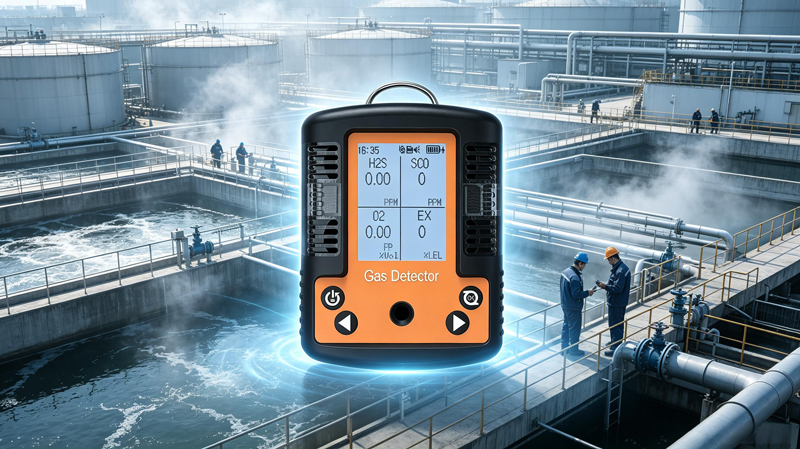
Publication Date:2026/06/29In sectors such as oil and gas extraction, municipal utility network maintenance, and operations within confined spaces, the Four-in-One Detectors has become an indispensable tool for frontline personnel. To ensure efficient and standardized safety management in complex industrial environments, global safety standards mandate the simultaneous, real-time monitoring of four representative and potentially lethal industrial gases: Oxygen (O₂), Combustible Gases (LEL), Carbon Monoxide (CO), and Hydrogen Sulfide (H₂S). Understanding the standard detection ranges and alarm thresholds for these gases is essential not only for selecting the right equipment but also for guaranteeing the absolute safety of personnel on-site. Below, Yiyuntian Eranntex provides a detailed overview.
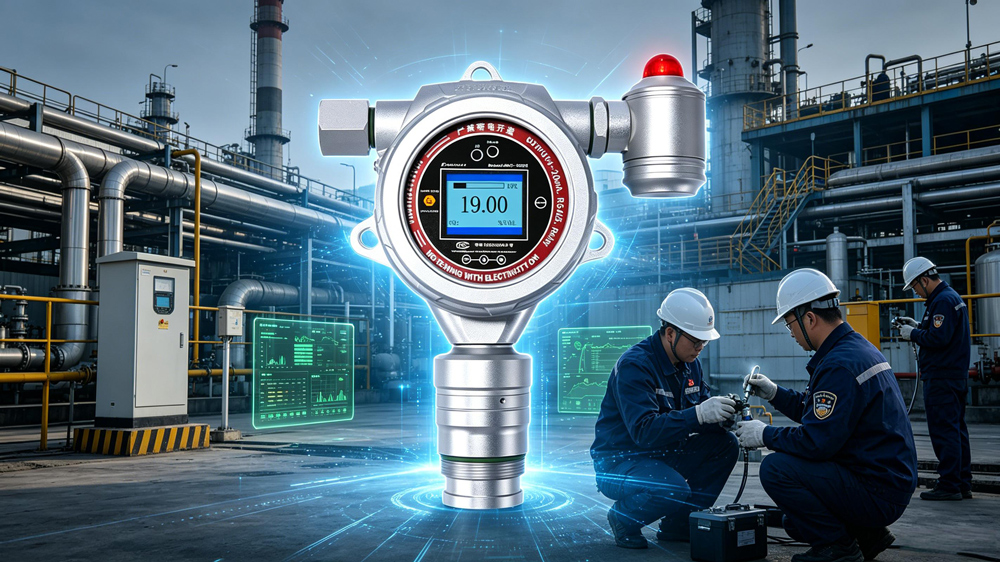
Oxygen (O₂): The Baseline for Life Support
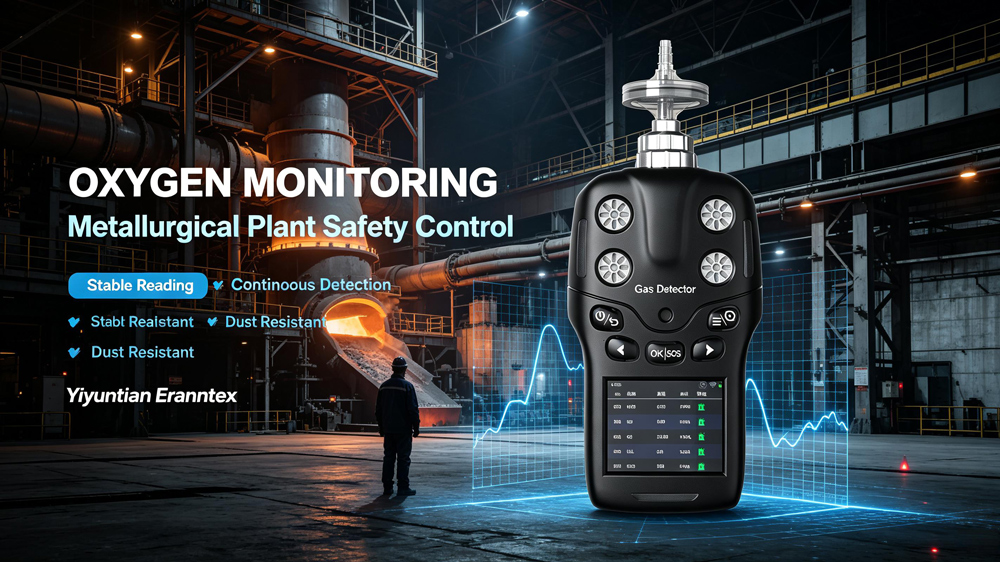
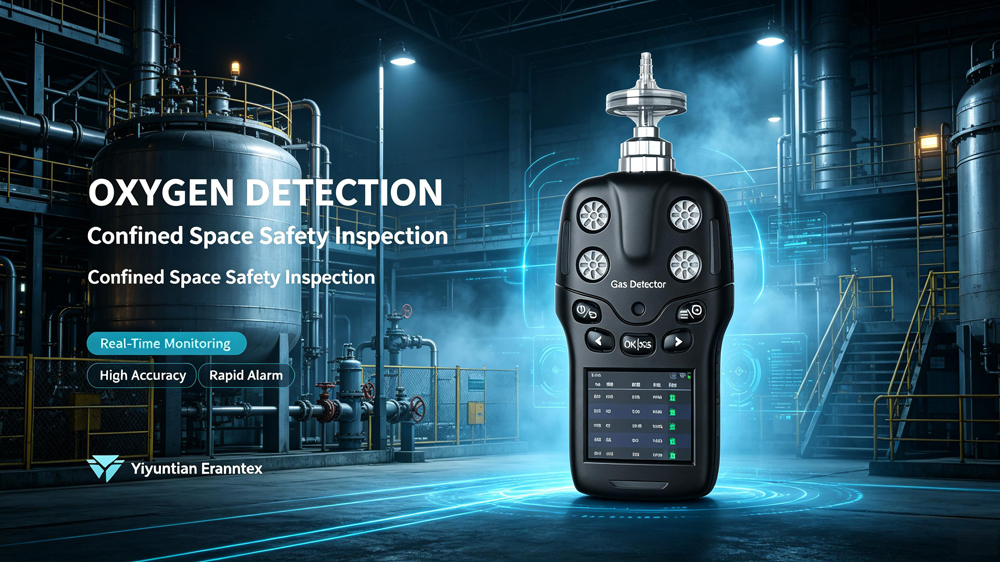
Oxygen is a primary target for monitoring by Four-in-One Detectors, with a standard detection range typically spanning 0% to 30% Vol (volume percentage). The oxygen concentration in normal air is approximately 20.9%. Safety standards classify levels below 19.5% Vol as oxygen-deficient environments, which pose a high risk of asphyxiation, while levels above 23.5% Vol indicate an oxygen-enriched state, significantly increasing the risk of fire and explosion. Consequently, the universally accepted low-level alarm is typically set at 19.5%, and the high-level alarm at 23.5%.
Combustible Gases (LEL): An Early Warning System for Explosion Risks
The detection range for combustible gases is usually 0% to 100% LEL (Lower Explosive Limit). LEL represents the minimum concentration of a gas in the air required for ignition. To prevent explosions, industry safety standards impose strict requirements: a low-level alarm is triggered when the concentration reaches 10% LEL, alerting personnel to potential leaks; a high-level alarm is triggered when the concentration rises to 25% LEL, at which point operations must cease immediately and an emergency evacuation must be carried out.
Carbon Monoxide (CO): Tracking the Invisible Killer
Carbon monoxide is a colorless, odorless, and highly toxic gas typically produced by incomplete combustion. Its standard detection range is usually 0 to 1,000 ppm. According to international occupational health standards such as those set by OSHA, the 8-hour time-weighted average (TWA) exposure limit for carbon monoxide is 50 ppm, while the 15-minute short-term exposure limit (STEL) is 200 ppm. Concentrations exceeding 500 ppm pose a lethal risk. Consequently, Four-in-One Detectors typically feature staged alarms triggered at 50 ppm and 100 ppm.
Hydrogen Sulfide (H₂S): A Critical Threshold in Highly Toxic Environments
Hydrogen sulfide is commonly found in the oil and gas extraction and wastewater treatment industries; while it has a characteristic "rotten egg" odor, high concentrations can instantly paralyze the olfactory nerves. Its standard detection range is usually 0 to 100 ppm. Hydrogen sulfide is extremely toxic, with an 8-hour exposure limit of just 10 ppm and a short-term exposure limit of 15 ppm. Ambient concentrations exceeding 100 ppm can rapidly lead to unconsciousness or even death. Therefore, the low and high alarm thresholds for hydrogen sulfide are typically set at 10 ppm and 15 ppm, respectively.
In summary, by accurately covering the standard ranges of these four core gases and employing a triple-alarm system—combining sound, light, and vibration—Four-in-One gas detectors provide comprehensive safety protection for complex industrial environments. When purchasing and using this equipment, enterprises must ensure that the measurement ranges and alarm thresholds comply with local safety regulations and operational requirements.
Related information
-
How to Calibrate a Portable four-in-one Gas Detectors?
Portable four-in-one gas detectors are core protective equipment in the industrial safety field. However, sensors can experience z...
2026-09-18 -
What are the application scenarios for portable four-in-one gas detectors?
Portable four-in-one gas detectors typically monitor oxygen (O₂), flammable gas (LEL), carbon monoxide (CO), and hydrogen sulfide...
2026-09-16 -
Portable four-in-one Gas Detectors User Manual
The portable four-in-one gas detectors is a core piece of personal protective equipment (PPE) for ensuring the safety of personnel...
2026-09-14 -

Calibration Specifications for Ammonia gas Detectors
Calibration of ammonia gas detectors is a core step in ensuring their measurement accuracy and alarm reliability. However, ammonia...
2026-09-11 -
What is the appropriate installation height for an ammonia gas detectors?
Ammonia (NH₃) has a relative density of only 0.59, much lighter than air. This means that in the event of a leak, the gas will qu...
2026-09-09
 info@eranntexgas.com sale1@eranntexgas.com


 15914124845