
What Are the Different Types of Oxygen Detectors?
Publication Date:2026/06/01As essential monitoring equipment in industrial safety, environmental protection, and healthcare, oxygen detectors come in a wide variety of technical configurations and physical forms. For professional users globally, understanding the operating principles and applicable scenarios of different detector types is the first step toward making informed selections and ensuring compliance and safety. The editorial team at Yiyuntian Eranntex has compiled an analysis classifying the currently dominant oxygen detectors on the international market based on two key dimensions: core detection principles and usage form factors.
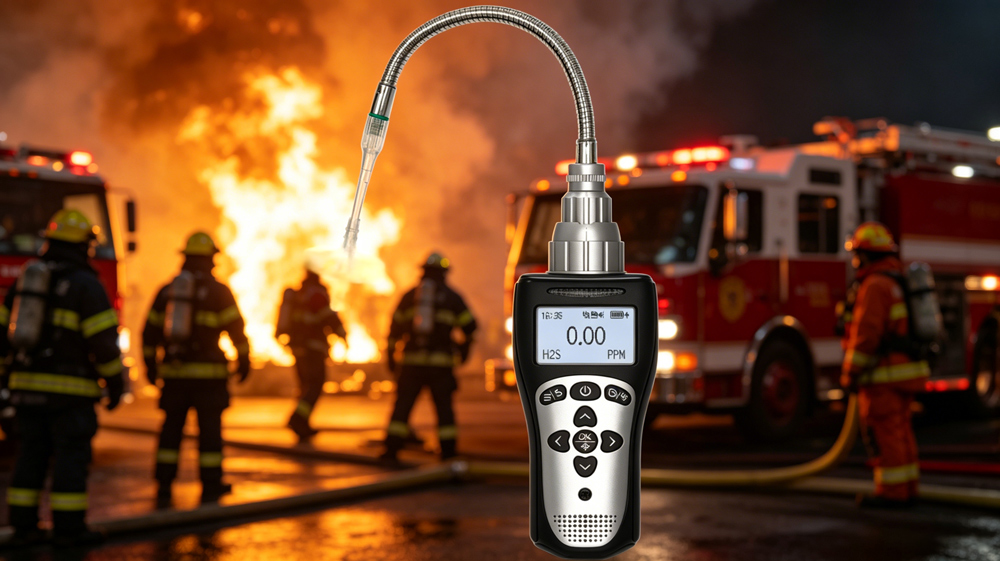
Classification by Core Detection Principle
The detection principle directly determines an instrument's accuracy, response speed, and resistance to interference, making it the most critical factor to consider when selecting an oxygen detectors. Currently, the three most widely adopted core technologies on the global market are the electrochemical method, the paramagnetic method, and the zirconia method.
1. Electrochemical Sensors
This is currently the most prevalent technology found in both portable and standard fixed-installation oxygen detectors. Its core principle relies on the electrochemical reaction of oxygen molecules on an electrode surface, which generates an electrical current signal. This signal is directly proportional to the oxygen concentration, thereby enabling quantitative detection.
Advantages: Compact size, low power consumption, moderate cost, high measurement accuracy, and rapid response times.
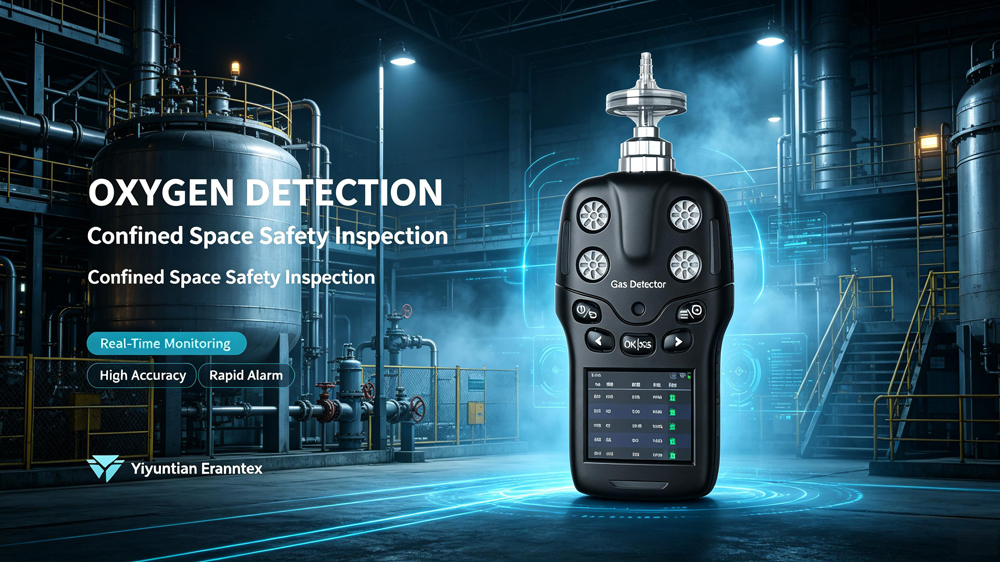
Limitations: The sensor is a consumable component with a typical service life of 1 to 3 years; furthermore, it is susceptible to extreme temperatures and humidity, making it unsuitable for prolonged operation in high-temperature or highly corrosive environments. Widely used in medical equipment, laboratory analysis, and safety monitoring in confined spaces.
2. Paramagnetic Sensors
This technology is designed based on the unique and strong paramagnetic properties of oxygen. When a gas sample is introduced into the measuring chamber within the oxygen detectors, a magnetic field exerts a force on the oxygen molecules, causing changes in internal pressure or displacement, from which the oxygen concentration can be calculated.
Advantages: Extremely long service life and exceptional stability; immune to cross-interference from other background gases; and requires no frequent sensor replacement.
Limitations: The instruments tend to be relatively bulky—typically designed for benchtop or fixed-installation use—and are somewhat sensitive to vibration. It is ideally suited for scenarios requiring long-term, continuous monitoring of bulk oxygen levels—such as in industrial combustion efficiency monitoring and air separation equipment.
3. Zirconia Sensors
This detection technology is specifically designed to withstand harsh, high-temperature environments. It leverages the ionic conductivity properties of zirconia ceramics at elevated temperatures; when a difference in oxygen concentration exists between the two sides of the sensor, an electromotive force (voltage) is generated. By measuring this potential difference, the oxygen concentration can be calculated.
Advantages: Capable of direct insertion into high-temperature gas streams for measurement; offers rapid response times, a simple structural design, and excellent resistance to high temperatures and corrosion.
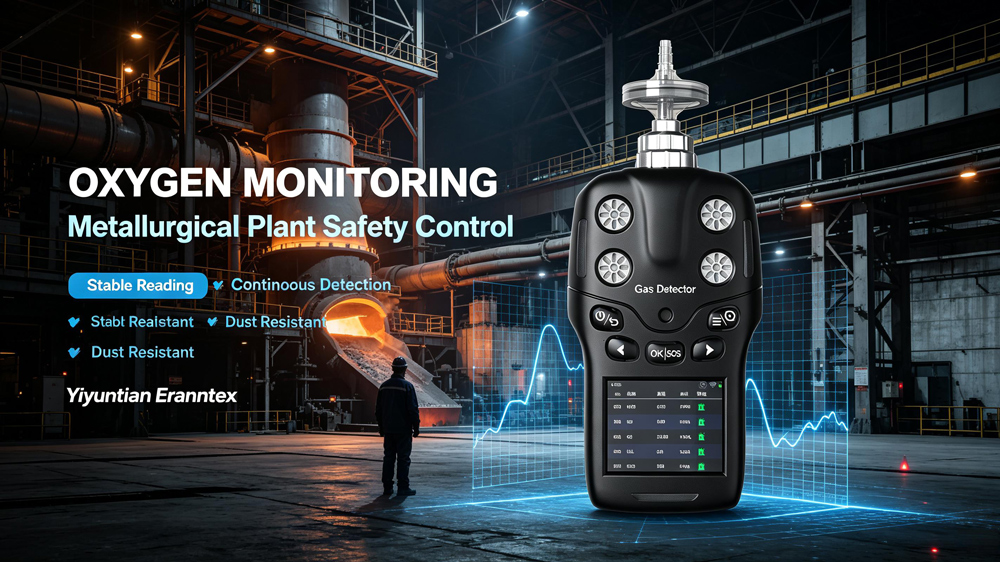
Limitations: Requires a dedicated heating element to function at ambient temperatures; accuracy is relatively moderate. Primarily utilized for monitoring oxygen levels in flue gas within high-temperature industrial equipment, such as power plant boilers and metallurgical furnaces.
Classification by Form Factor and Application Scenario
Beyond the core sensing technology, oxygen detectors are broadly categorized into two main physical forms—fixed and portable—based on practical operational requirements.
1. Fixed Oxygen Monitoring Systems
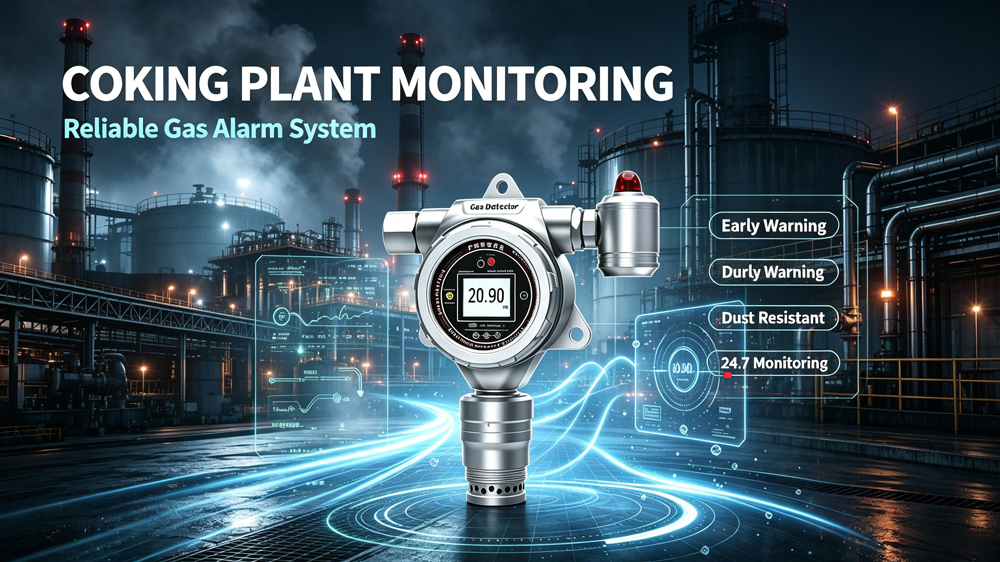
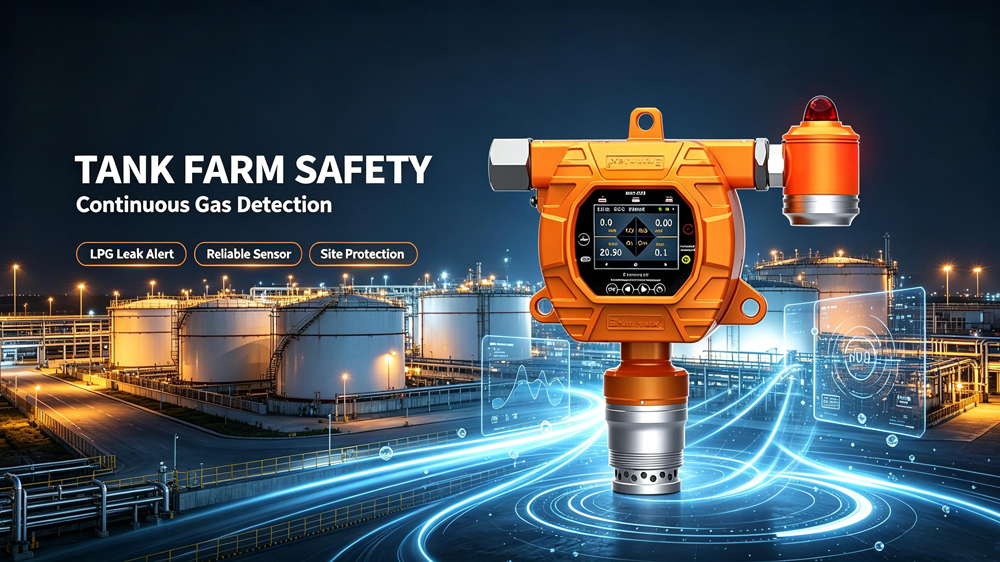
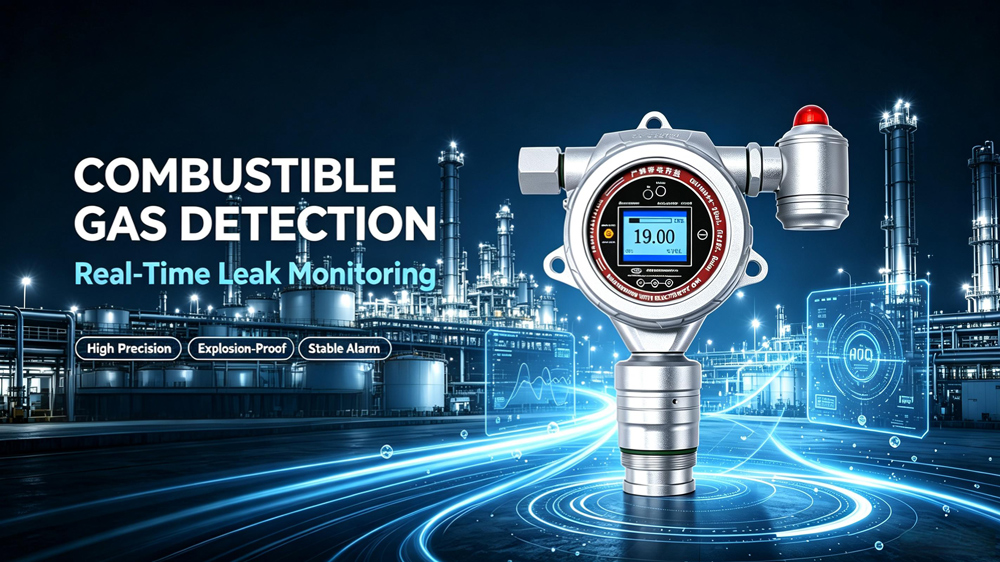
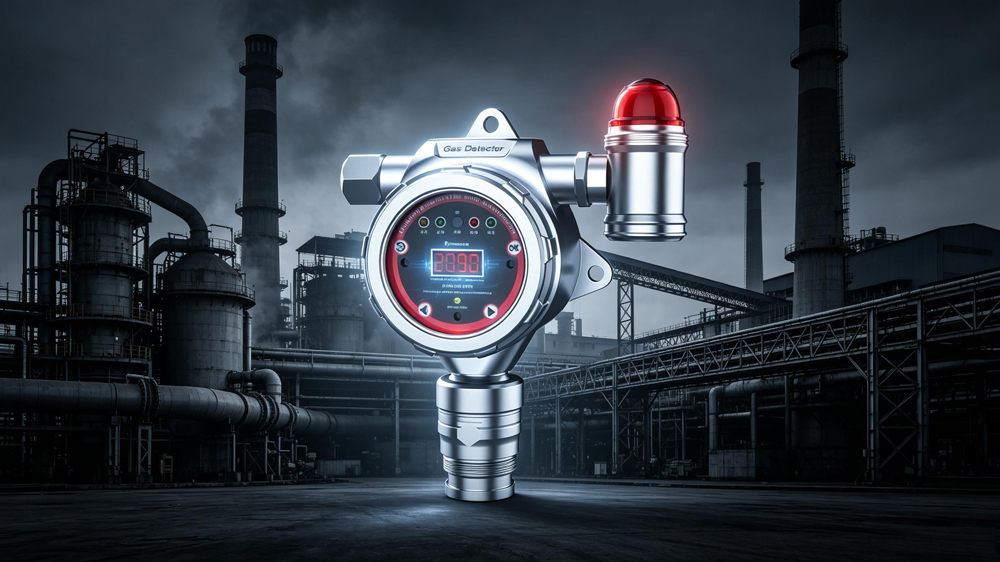
These instruments are permanently installed at critical points within a facility—such as chemical reactors, pipeline valves, air separation units, or underground utility tunnels. They transmit collected oxygen concentration data in real-time to a central control room via wired or wireless connections. Should the system detect an oxygen-deficient or oxygen-enriched atmosphere, it not only triggers local audible and visual alarms but can also automatically activate ventilation systems or shut off relevant valves; thus, they serve as the "olfactory nervous system" for automated industrial safety management.
2. Portable Oxygen Detectors
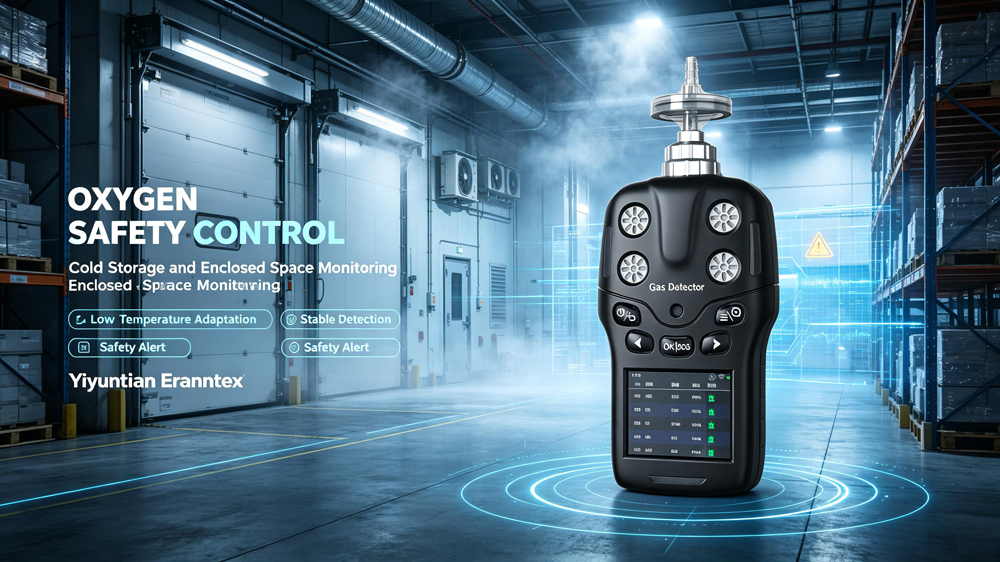
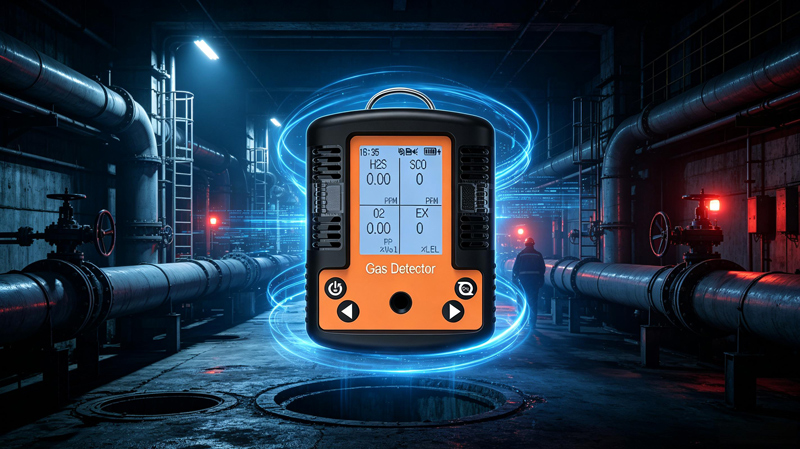
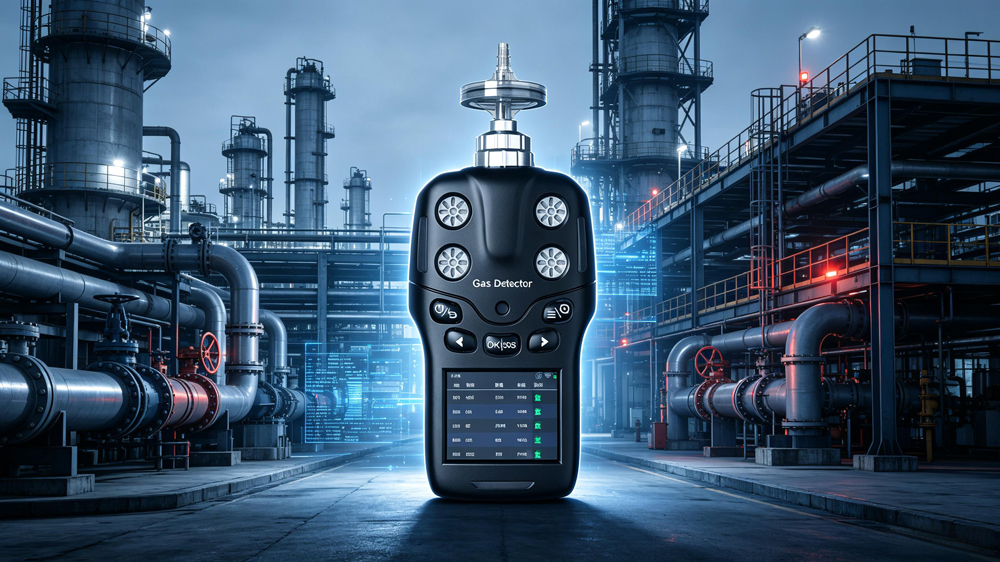
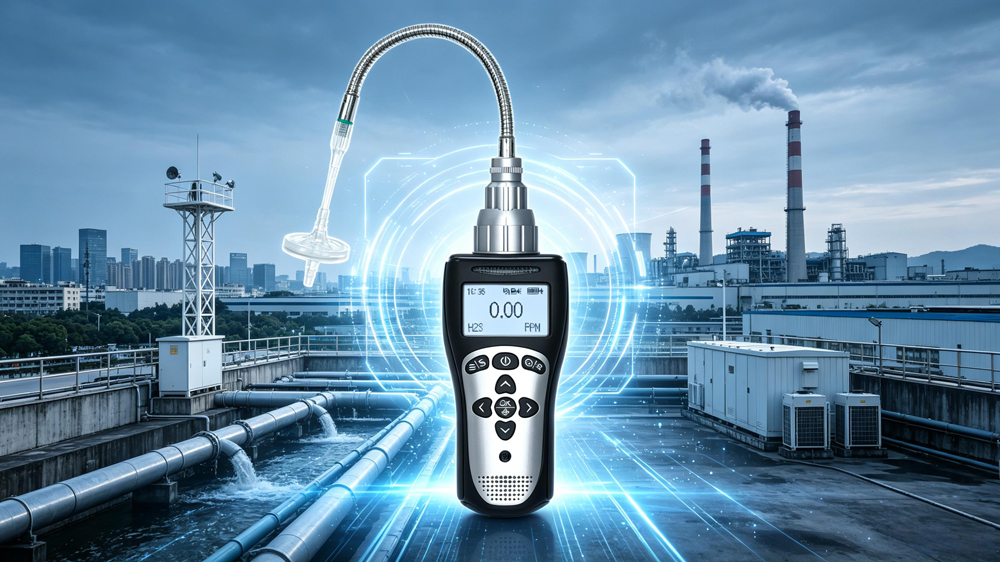
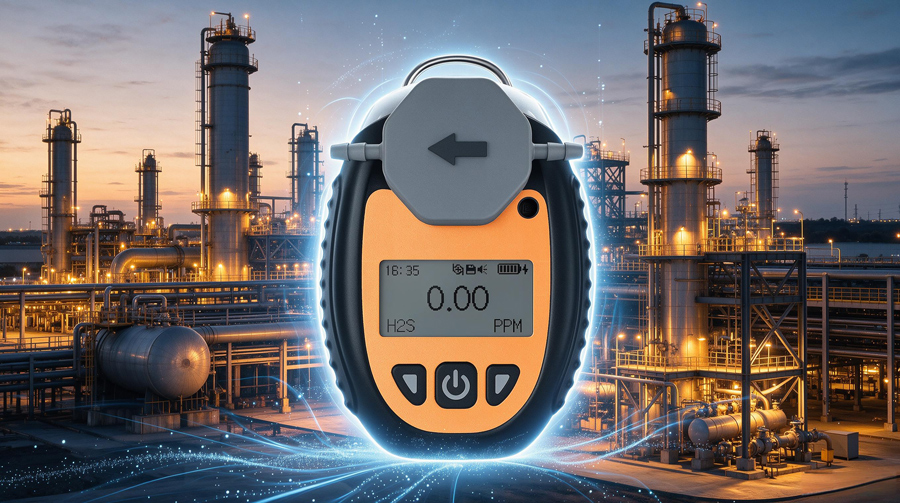
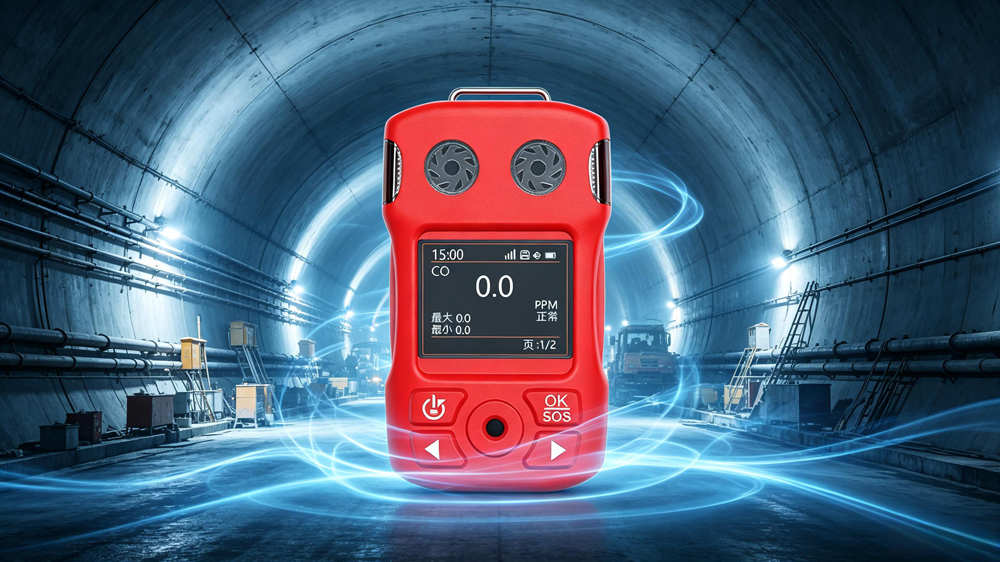
Designed specifically for field inspections, emergency response operations, and work within confined spaces. Modern portable detectors typically feature high-brightness digital displays and are equipped with capabilities such as data logging, wireless transmission, and even GPS positioning. Some high-end models also feature built-in sampling pumps, enabling remote sampling or gas extraction from within pipelines. Compact and lightweight, these devices can be easily carried by personnel, providing frontline workers with immediate, real-time safety alerts.
In summary, whether the task involves laboratory analysis demanding the utmost precision, industrial control systems handling high-temperature flue gases, or on-site inspections aimed at ensuring personnel safety, only through a comprehensive understanding of these various types of oxygen detectors can one accurately identify and implement the most suitable detection solution.
Related information
-
How to Calibrate a Portable four-in-one Gas Detectors?
Portable four-in-one gas detectors are core protective equipment in the industrial safety field. However, sensors can experience z...
2026-09-18 -
What are the application scenarios for portable four-in-one gas detectors?
Portable four-in-one gas detectors typically monitor oxygen (O₂), flammable gas (LEL), carbon monoxide (CO), and hydrogen sulfide...
2026-09-16 -
Portable four-in-one Gas Detectors User Manual
The portable four-in-one gas detectors is a core piece of personal protective equipment (PPE) for ensuring the safety of personnel...
2026-09-14 -

Calibration Specifications for Ammonia gas Detectors
Calibration of ammonia gas detectors is a core step in ensuring their measurement accuracy and alarm reliability. However, ammonia...
2026-09-11 -
What is the appropriate installation height for an ammonia gas detectors?
Ammonia (NH₃) has a relative density of only 0.59, much lighter than air. This means that in the event of a leak, the gas will qu...
2026-09-09
 info@eranntexgas.com sale1@eranntexgas.com


 15914124845