
How to Evaluate the Quality of an Oxygen Detectors?
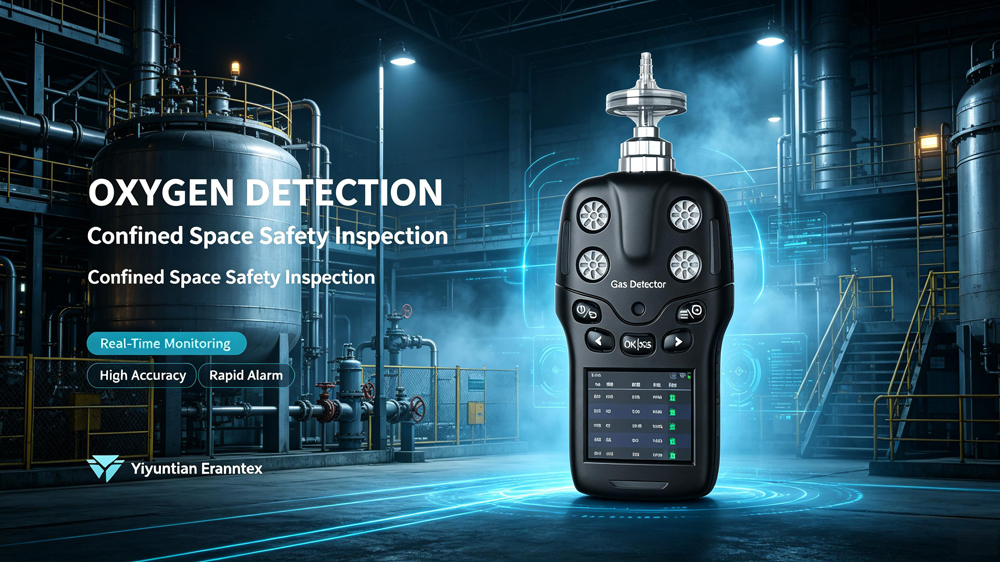
Publication Date:2026/06/12For industrial users, safety managers, and procurement professionals, an oxygen detectors is more than just a measuring instrument; it is a "lifeline" ensuring safety during confined space operations and general industrial activities. In a crowded international market, how can one cut through the marketing jargon to accurately assess the quality of an oxygen detectors? A systematic evaluation across four professional dimensions is required: regulatory compliance, core performance, environmental adaptability, and total lifecycle cost. Here, the team at Yiyuntian Eranntex outlines these key factors.
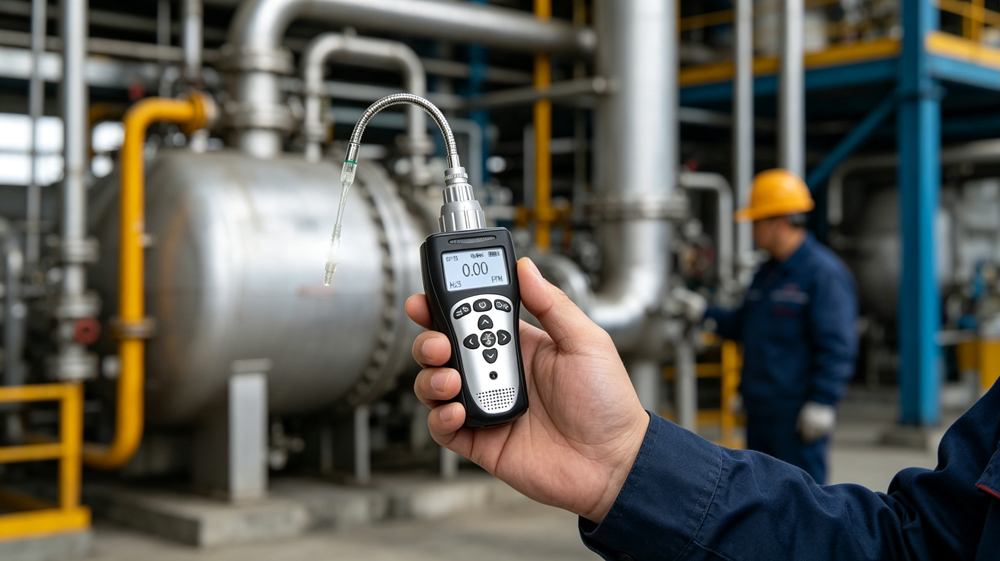
Adherence to International Compliance and Explosion-Proof Certification
The primary criterion for determining if an oxygen detectors is qualified is whether it holds authoritative international certifications. In flammable and explosive environments—such as the petroleum and chemical industries—equipment must possess appropriate explosion-proof qualifications. For instance, entry into the European market requires compliance with the ATEX directive; global applicability requires IECEx certification; and the North American market prioritizes UL or CSA certification. Furthermore, a high-quality detector must meet the latest industrial safety standards, hold SIL2 functional safety certification, and feature built-in fault self-diagnosis capabilities. Equipment lacking these mandatory compliance credentials—regardless of how low the price is—should be regarded as substandard and firmly rejected.
Evaluating Core Sensor Technology and Accuracy
The sensor is the "heart" of the detector and directly determines the device's reliability. To assess quality, one must consider whether the sensor technology aligns with the specific application scenario. For routine ambient air monitoring, electrochemical sensors are the mainstream choice due to their low power consumption and high resolution; however, it is essential to verify that the resolution reaches 0.1% Vol and accuracy is maintained within ±0.5% Vol. For high-temperature flue gas or complex chemical processes, zirconia or paramagnetic sensors perform better due to their superior long-term stability and resistance to interference. Additionally, response time is a critical indicator of sensitivity; for emergency safety warnings, a high-quality detector must provide a stable reading within 30 seconds. Any device with a sluggish response could delay a critical opportunity for escape.
Assessing Physical Protection Capabilities in Extreme Environments
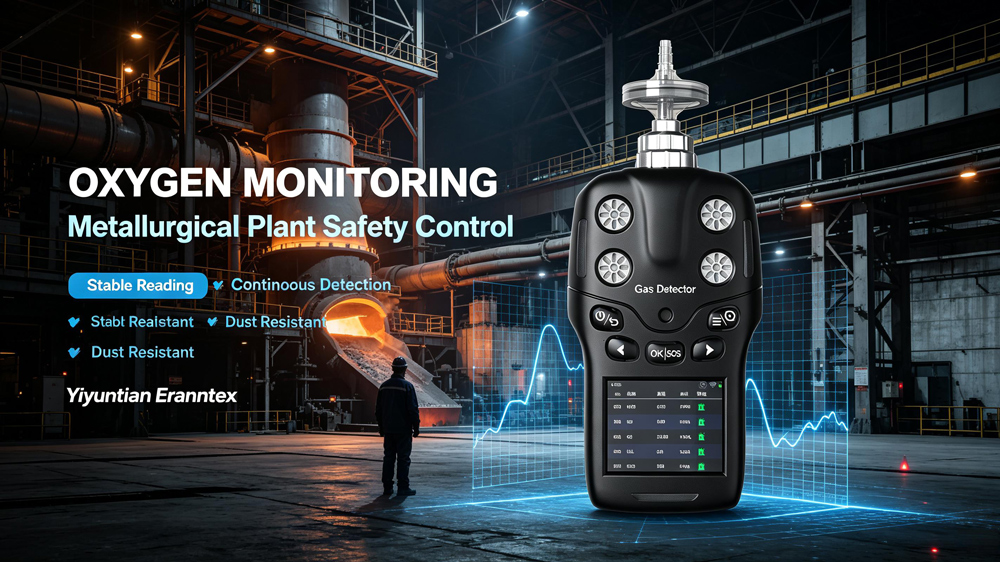
Industrial sites often involve exposure to dust, moisture, extreme temperature fluctuations, and even strong electromagnetic interference; therefore, an instrument's physical protection capability is crucial. A high-quality oxygen detectors must offer robust dust and water resistance—meeting at least the IP65 standard for indoor use and IP67 for outdoor or humid environments—to ensure continued operation after exposure to high-pressure water jets or brief immersion. Furthermore, given the prevalence of equipment such as variable frequency drives and two-way radios in modern industrial settings, a superior detector must pass rigorous electromagnetic compatibility (EMC) testing to ensure it does not freeze or suffer from data drift amidst complex electromagnetic interference.
Evaluating Total Cost of Ownership and Data Traceability
Assessing the quality of a detector requires looking beyond the initial purchase price to evaluate its total cost of ownership. Low-cost devices often come with short sensor lifespans and high long-term maintenance costs. High-quality detectors not only feature longer-lasting sensors but also offer comprehensive data management capabilities. Modern safety management standards require devices to possess massive data storage capacity—capable of recording at least 90 days of alarm and operation logs—and to support one-click report generation. This paperless data traceability capability is not only vital for regulatory compliance audits and safety incident investigations but also serves as the cornerstone for enterprises implementing digital safety management.
In summary, a truly excellent oxygen detectors represents the perfect combination of regulatory compliance, precise sensing, rugged protection, and intelligent data management. By rigorously evaluating these four dimensions, users can effectively identify reliable equipment that truly safeguards lives and safety.
Related information
-
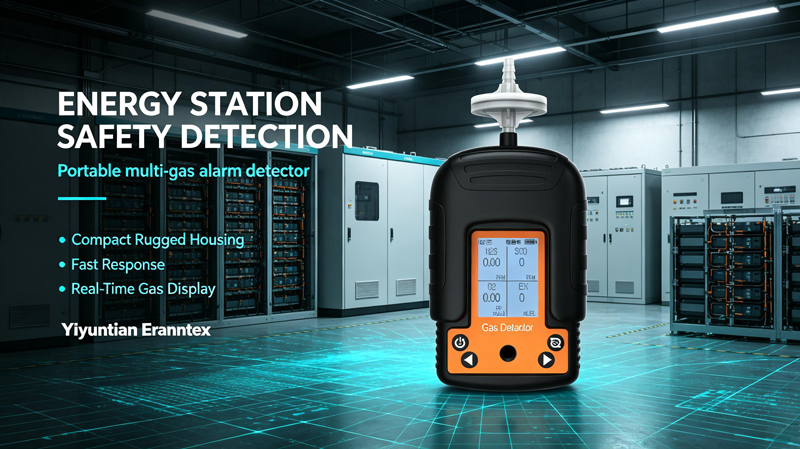
How to Calibrate a Portable four-in-one Gas Detectors?
Portable four-in-one gas detectors are core protective equipment in the industrial safety field. However, sensors can experience z...
2026-09-18 -
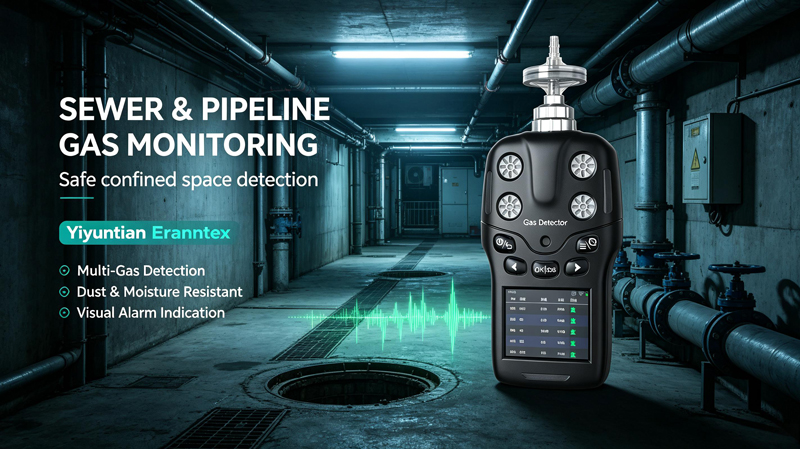
What are the application scenarios for portable four-in-one gas detectors?
Portable four-in-one gas detectors typically monitor oxygen (O₂), flammable gas (LEL), carbon monoxide (CO), and hydrogen sulfide...
2026-09-16 -
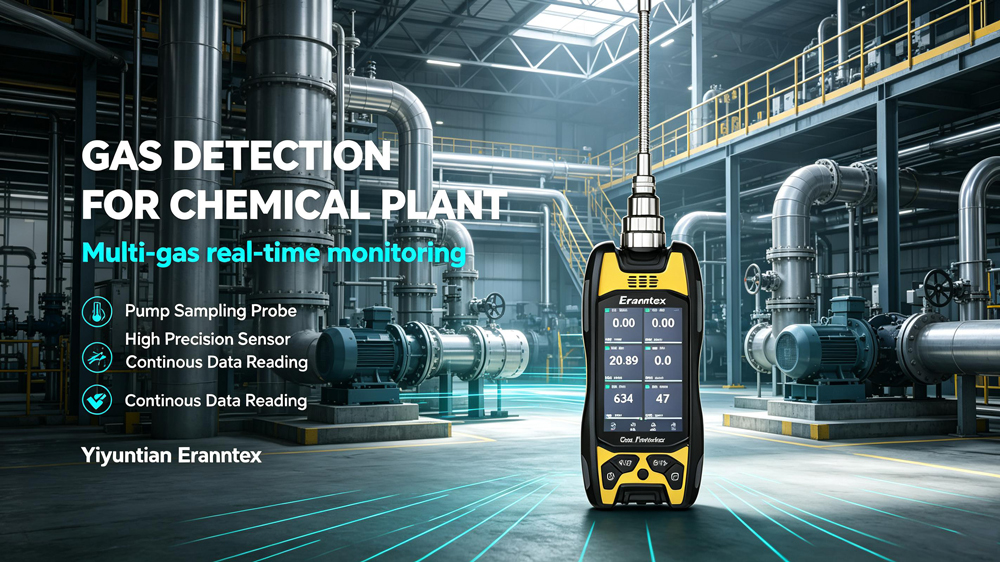
Portable four-in-one Gas Detectors User Manual
The portable four-in-one gas detectors is a core piece of personal protective equipment (PPE) for ensuring the safety of personnel...
2026-09-14 -

Calibration Specifications for Ammonia gas Detectors
Calibration of ammonia gas detectors is a core step in ensuring their measurement accuracy and alarm reliability. However, ammonia...
2026-09-11 -
What is the appropriate installation height for an ammonia gas detectors?
Ammonia (NH₃) has a relative density of only 0.59, much lighter than air. This means that in the event of a leak, the gas will qu...
2026-09-09
 info@eranntexgas.com sale1@eranntexgas.com


 15914124845