
What Do Carbon Dioxide Detectors Measure?
Publication Date:2026/06/15For users, facility managers, and safety officers, carbon dioxide detectors have evolved far beyond simple gas-measuring tools. They serve not only as a core indicator for assessing indoor air quality (IAQ) but also as critical equipment for safeguarding human health, optimizing production processes, and ensuring safety in extreme environments. To fully understand the capabilities of carbon dioxide detectors, we must examine exactly what they measure across several key application scenarios.
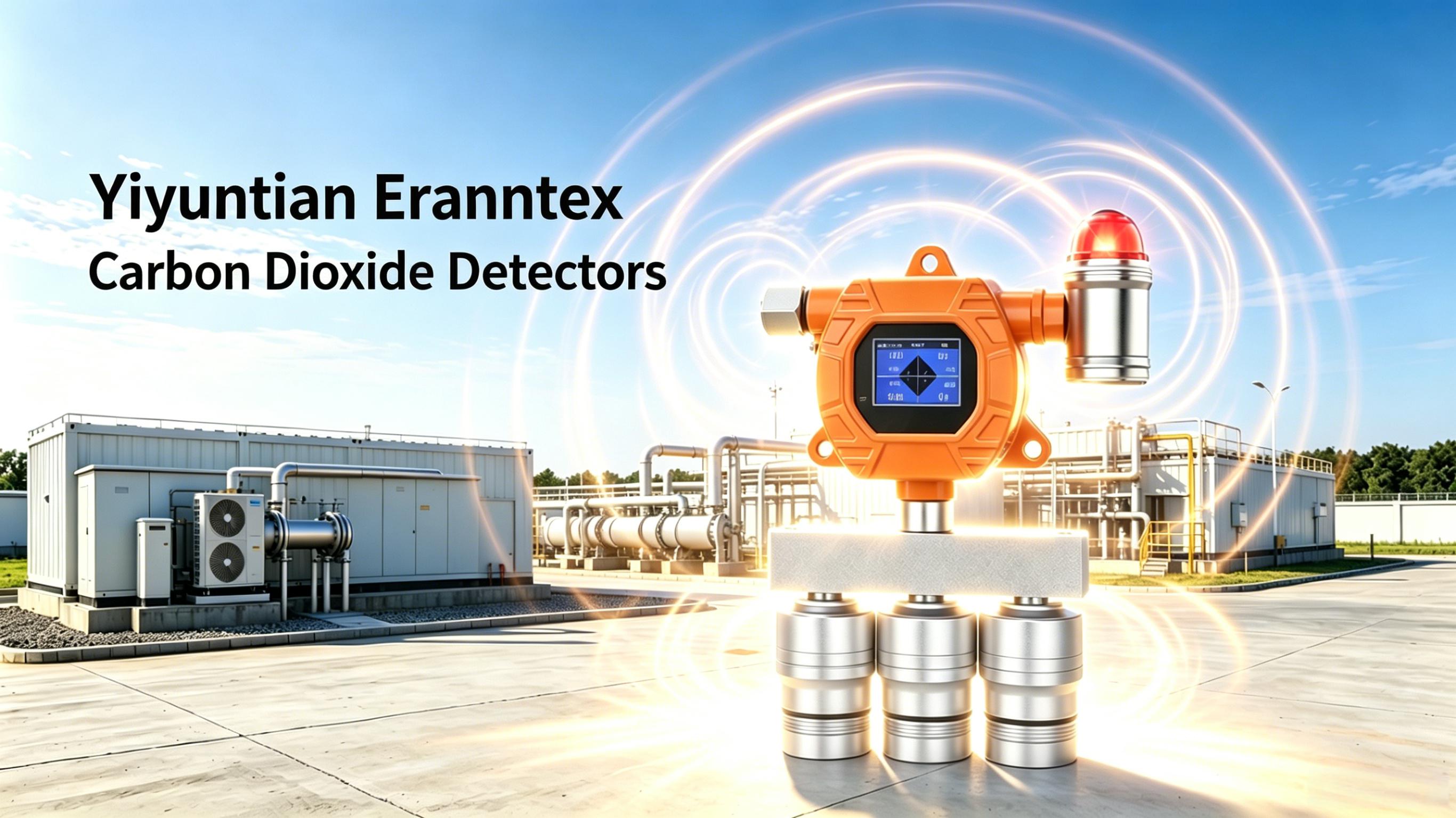
Monitoring Indoor Air Quality (IAQ) and Human Health
In commercial buildings, schools, offices, and residences, the primary role of a carbon dioxide detectors is to serve as an indicator of ventilation efficiency. Although carbon dioxide is non-toxic at typical concentrations, it is a major component of human exhalation. When enclosed spaces are crowded, rising CO₂ levels directly reflect a lack of fresh air. Professional carbon dioxide detectors can precisely track concentration changes at the parts-per-million (ppm) level: readings exceeding 1,000 ppm indicate stale air, potentially leading to symptoms associated with "Sick Building Syndrome," such as fatigue and a lack of concentration; concentrations surpassing 5,000 ppm pose serious health risks. By monitoring this metric in real-time, building management systems can adjust fresh air intake as needed, ensuring occupant health while simultaneously achieving energy savings and emission reductions.
Monitoring Industrial Fermentation and Agricultural Cultivation Processes
Carbon dioxide detectors are indispensable tools for process control in the food and beverage industry and modern agriculture. In beer brewing, wine fermentation, and bioreactor operations, microbial metabolism generates significant amounts of CO₂. By monitoring gas concentrations within fermentation tanks in real-time, these detectors help engineers accurately track fermentation progress and ensure product quality. Similarly, in modern greenhouses and plant factories, CO₂ acts as a "fertilizer" for photosynthesis. Carbon dioxide detectors are used to maintain ambient CO₂ levels within the optimal range of 1,000 to 1,500 ppm, thereby significantly boosting crop yield and quality. Ensuring Safety in Confined Spaces and Enclosed Environments
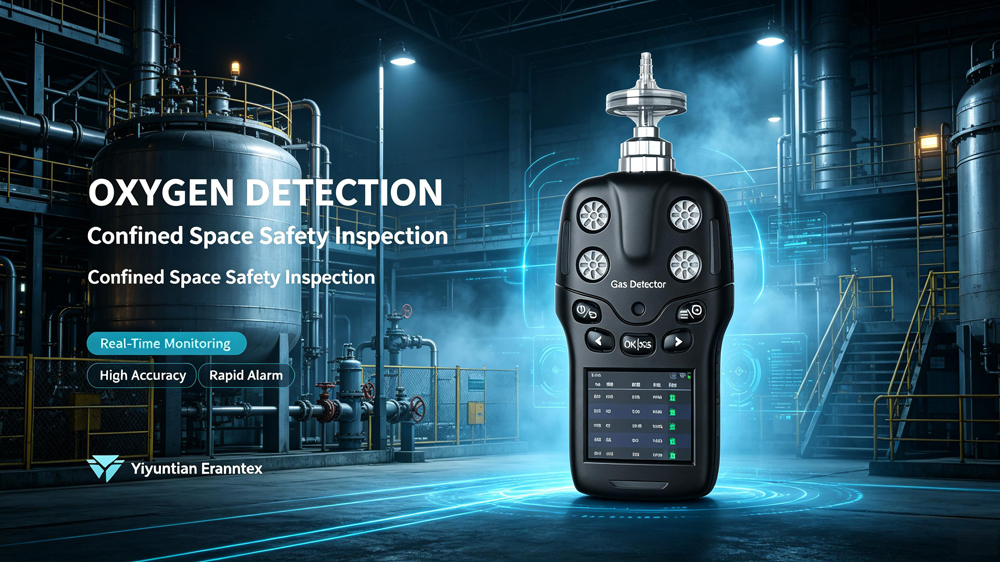
In industrial production and municipal operations, carbon dioxide—being heavier than air—tends to accumulate in low-lying areas, underground utility galleries, fermentation tanks, wine cellars, and other confined spaces. When high concentrations of CO₂ displace oxygen, they can rapidly cause asphyxiation among workers. In such scenarios, carbon dioxide detectors serve as "sentinels of life." They not only monitor CO₂ concentrations across the full range of 0% to 100% but also trigger high-decibel audible and visual alarms the moment levels reach dangerous thresholds, buying precious time for emergency evacuation.
Tracking Greenhouse Gas Emissions and Carbon Capture Research
Amidst global efforts to combat climate change and achieve "carbon neutrality," carbon dioxide detectors are widely used in environmental science research and industrial emission reduction projects. Whether monitoring gas purity and leaks at carbon capture and storage (CCS) facilities or tracing the sources of greenhouse gas emissions in urban environments, high-precision CO₂ analyzers provide reliable data. They assist enterprises and government agencies in quantifying carbon emissions and evaluating the effectiveness of environmental measures, thereby driving progress toward sustainable development goals.
In summary, the applications of carbon dioxide detectors span a wide range of fields—from respiratory health and production processes to life safety and environmental protection. By accurately capturing fluctuations in CO₂ concentrations across diverse scenarios, these devices provide the robust data foundation necessary for the safe, efficient, and eco-friendly operation of modern society.
Related information
-
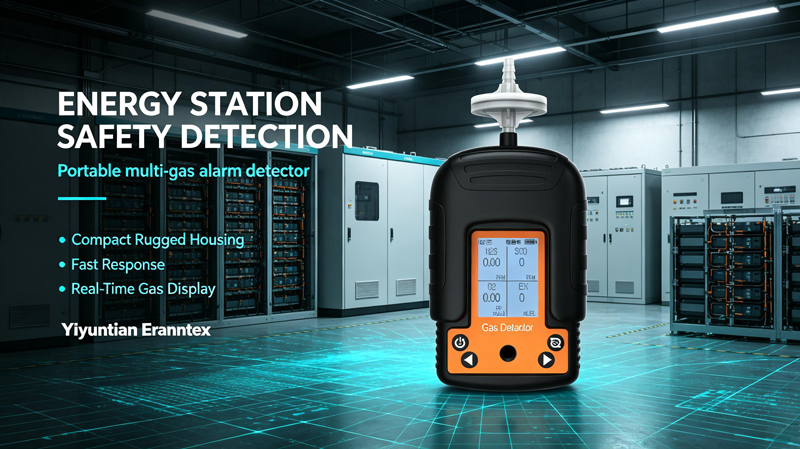
How to Calibrate a Portable four-in-one Gas Detectors?
Portable four-in-one gas detectors are core protective equipment in the industrial safety field. However, sensors can experience z...
2026-09-18 -
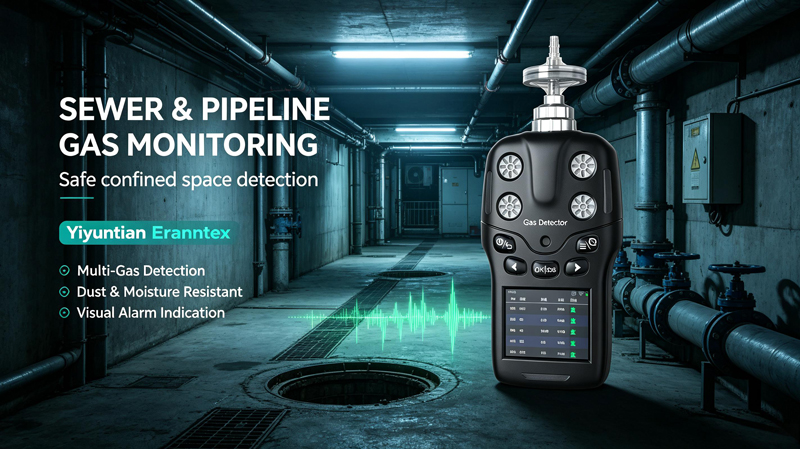
What are the application scenarios for portable four-in-one gas detectors?
Portable four-in-one gas detectors typically monitor oxygen (O₂), flammable gas (LEL), carbon monoxide (CO), and hydrogen sulfide...
2026-09-16 -
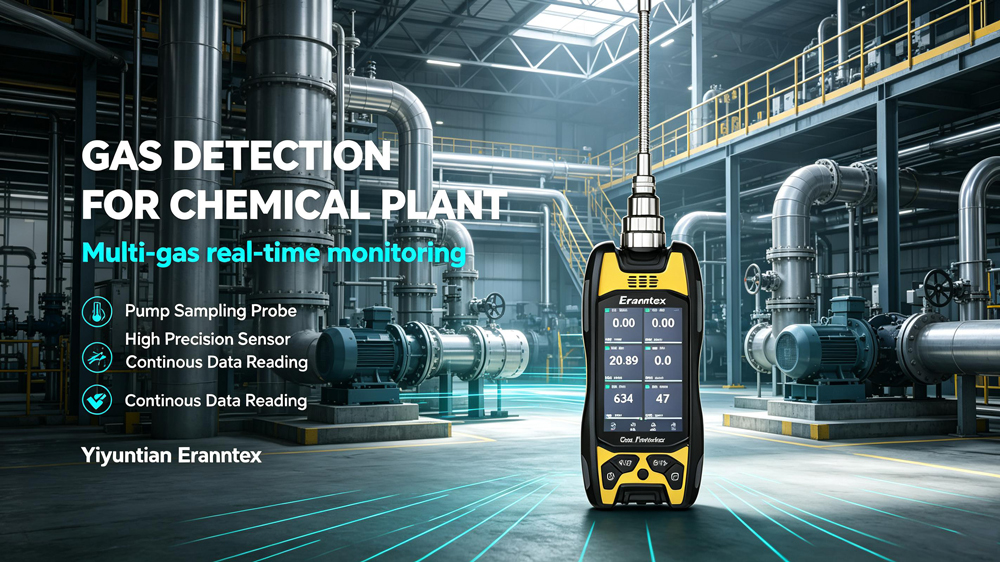
Portable four-in-one Gas Detectors User Manual
The portable four-in-one gas detectors is a core piece of personal protective equipment (PPE) for ensuring the safety of personnel...
2026-09-14 -

Calibration Specifications for Ammonia gas Detectors
Calibration of ammonia gas detectors is a core step in ensuring their measurement accuracy and alarm reliability. However, ammonia...
2026-09-11 -
What is the appropriate installation height for an ammonia gas detectors?
Ammonia (NH₃) has a relative density of only 0.59, much lighter than air. This means that in the event of a leak, the gas will qu...
2026-09-09
 info@eranntexgas.com sale1@eranntexgas.com


 15914124845