
What are the common certification standards for oxygen detectors?
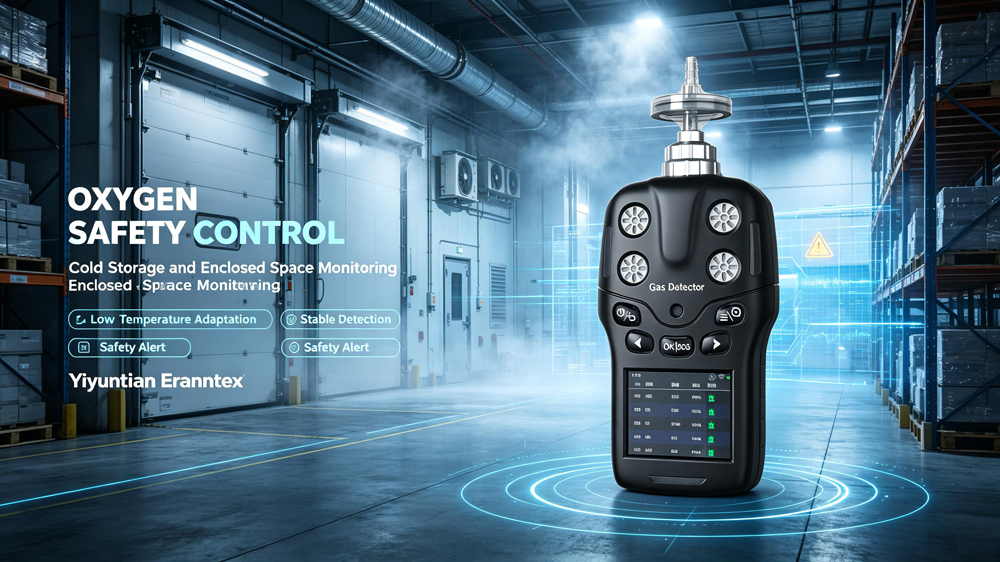
Publication Date:2026/05/27For users, safety managers, and purchasing personnel, an oxygen detector is not just a measuring device, but a "lifeline" for ensuring safety in confined spaces and industrial settings. Therefore, when selecting an oxygen detectors, in addition to focusing on performance parameters, understanding the underlying international certification standards is crucial. These certifications are not only a passport to product compliance but also authoritative endorsements of its safety, accuracy, and reliability. Below are some core certification systems that Yiyuntian Eranntex summarizes as essential to consider when purchasing a high-quality oxygen detector:
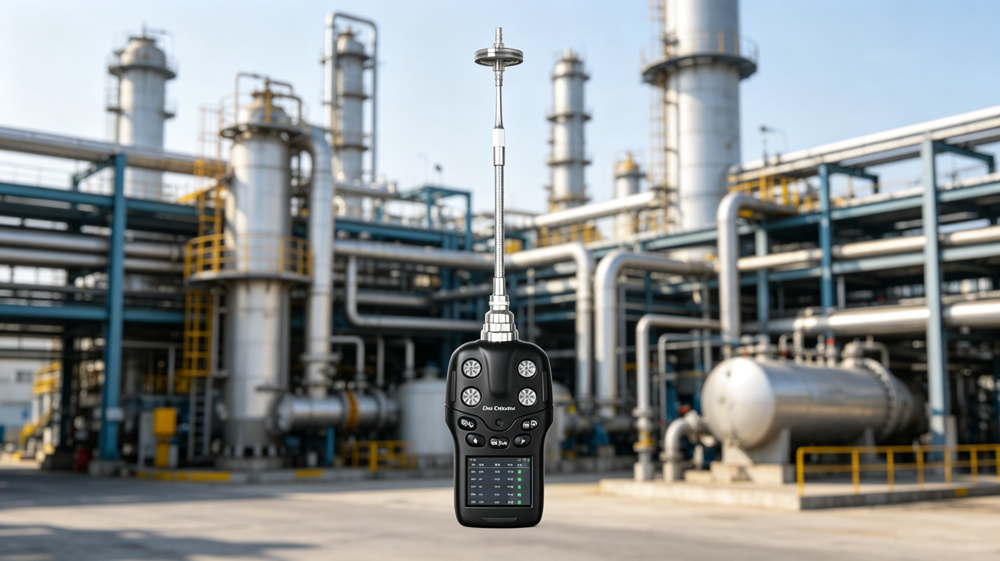
Explosion-proof and Intrinsically Safety Certification (ATEX / IECEx)
In hazardous environments with flammable and explosive gases, such as those in the oil and gas, chemical, and mining industries, oxygen detectors must possess extremely high electrical safety to prevent sparks from the instrument itself causing an explosion.
ATEX Directive (EU Market): This is a mandatory certification for entering the European Economic Area market. Oxygen detectors often display markings such as "Ex ia IIC T4 Ga," indicating that the device has passed extremely stringent intrinsically safe explosion-proof tests and can be used in the most dangerous Zone 0.
IECEx System (International Market): As a globally recognized explosion-proof certification system, IECEx certificates enjoy extremely high international recognition. Having IECEx certification means that the product complies with the standards of the International Electrotechnical Commission (IEC), making it directly acceptable to most non-EU countries and significantly lowering the procurement threshold for multinational corporations.
Metrological Accuracy and Performance Certification (UL / CSA & MID)
Even minute deviations in oxygen concentration can determine the safety of operators; therefore, the measurement accuracy of instruments must be verified by authoritative third-party organizations.
North American Safety Certification (UL / CSA): In the US and Canadian markets, UL (Underwriters Laboratories) or CSA (Canadian Standards Association) certification is standard for industrial equipment. They not only assess the electrical safety of instruments but also rigorously test their durability and resistance to interference in harsh industrial environments.
Type Approval of Measuring Instruments (e.g., China's CPA): Although this is a statutory metrological certification unique to China, for foreign brands exporting to China, obtaining a CPA certificate means that the core indicators such as measurement error and repeatability of their products fully comply with national metrological verification regulations, providing strong proof of superior product quality.
Medical Device Standards (ISO/EN): If the oxygen detectors is used in medical oxygen generators or life support systems, it must comply with standards such as EN 60601-1 to ensure absolute safety and accuracy when human health is involved.
Environmental Protection and Dust/Water Resistance Ratings (IP Rating & CCEP):
Industrial environments are often accompanied by dust, rain, and even high-pressure water jets. The physical protection capabilities of the instrument directly affect its lifespan.
IP Protection Rating: This is an internationally recognized enclosure protection standard. High-quality industrial-grade oxygen detectors typically have protection ratings of IP65, IP66, or even IP67. For example, IP67 means the instrument is completely dustproof and can withstand short-term immersion in 1 meter of water without damage, making it ideal for outdoor or humid environments.
Environmental Protection Product Certification (CCEP): In the Chinese market, CCEP certification indicates that the monitoring equipment not only meets performance standards but also complies with national environmental protection technical requirements during production and use. This is a significant advantage when participating in government environmental protection projects or large-scale industrial tenders.
Quality Management and Production System Certification (ISO 9001)
Besides certification for individual products, the overall management level of a manufacturer is equally important. ISO 9001 quality management system certification is a globally recognized guarantee of corporate quality. Manufacturers with this certification follow a standardized, traceable, and rigorous process from R&D and design, raw material procurement, automated production to final aging calibration testing. This is the cornerstone of trust and cooperation for large international clients who require long-term stable supply and after-sales support.
In summary, a truly reliable oxygen detectors is often a comprehensive safety product that integrates ATEX/IECEx explosion-proof safety, UL/CSA performance approval, high-level IP protection, and ISO quality system certification. Understanding these certification standards can help you quickly identify high-quality equipment that can truly withstand extreme environmental conditions when facing a dazzling array of products in the international market.
Related information
-
How to Calibrate a Portable four-in-one Gas Detectors?
Portable four-in-one gas detectors are core protective equipment in the industrial safety field. However, sensors can experience z...
2026-09-18 -
What are the application scenarios for portable four-in-one gas detectors?
Portable four-in-one gas detectors typically monitor oxygen (O₂), flammable gas (LEL), carbon monoxide (CO), and hydrogen sulfide...
2026-09-16 -
Portable four-in-one Gas Detectors User Manual
The portable four-in-one gas detectors is a core piece of personal protective equipment (PPE) for ensuring the safety of personnel...
2026-09-14 -

Calibration Specifications for Ammonia gas Detectors
Calibration of ammonia gas detectors is a core step in ensuring their measurement accuracy and alarm reliability. However, ammonia...
2026-09-11 -
What is the appropriate installation height for an ammonia gas detectors?
Ammonia (NH₃) has a relative density of only 0.59, much lighter than air. This means that in the event of a leak, the gas will qu...
2026-09-09
 info@eranntexgas.com sale1@eranntexgas.com


 15914124845