
What types of combustible gas detectors are there?
Publication Date:2026/05/25Combustible gas detectors are core equipment in industrial safety and environmental monitoring, and their technical approaches and forms vary widely. For international industrial users, safety engineers, and purchasing personnel, understanding the working principles and applicable scenarios of different types of combustible gas detectors is the first step in making scientific selections and ensuring operational safety. We can classify and analyze the mainstream international combustible gas detectors from two core dimensions: detection principle and usage form.
I. Classification by Core Detection Principle
The detection principle determines the instrument's accuracy, lifespan, and anti-interference capability, and is the most critical consideration when selecting a combustible gas detector. Currently, the three mainstream technologies in the international market are catalytic combustion, infrared absorption, and semiconductor.
1. Catalytic Combustion
This is currently the most widely used and technologically mature combustible gas detection technology in the global industrial field. Its core principle utilizes a Wheatstone bridge structure. When combustible gas comes into contact with a detection element coated with a catalyst, flameless combustion occurs, generating heat, causing a change in the element's resistance, thereby outputting an electrical signal proportional to the gas concentration.
Advantages: Excellent response to most hydrocarbons, accurate and highly linear measurement results, and relatively moderate cost.
Limitations: Requires sufficient oxygen for the reaction, therefore cannot be used in oxygen-deficient environments; furthermore, the presence of compounds such as silicon, sulfur, and lead in the environment can easily lead to catalyst poisoning and permanent failure.
2. Infrared Absorption Type
Infrared combustible gas detectors are an optical detection technology that uses the absorption characteristics of different gas molecules to specific wavelengths of infrared light to determine concentration.
Advantages: Extremely high selectivity and anti-interference capability, completely unaffected by oxygen-deficient environments, and no catalyst poisoning. Its sensor lifespan is typically 5 to 10 years, significantly reducing later maintenance and replacement costs.
Limitations: Higher manufacturing cost, and unable to detect diatomic gases. Therefore, it is often used in harsh industrial scenarios with extremely high safety and stability requirements, such as oil and gas and chemical industries.
3. Semiconductor Type
This technology utilizes the characteristic that the resistivity of metal oxide semiconductor materials changes when in contact with combustible gases for detection.
Advantages: Extremely sensitive, capable of detecting even very low concentrations of gas leaks; compact size and low cost.
Limitations: Easily affected by temperature, humidity, and cross-contamination from other volatile gases such as alcohol, resulting in relatively weak stability. Therefore, it is mainly widely used in household gas alarms or civilian applications where high accuracy is not required.
II. Classification by Usage Form and Application Scenarios
Besides the core principle, combustible gas detectors are mainly divided into two categories based on actual operational needs: fixed and portable.
1. Fixed Gas Detectors
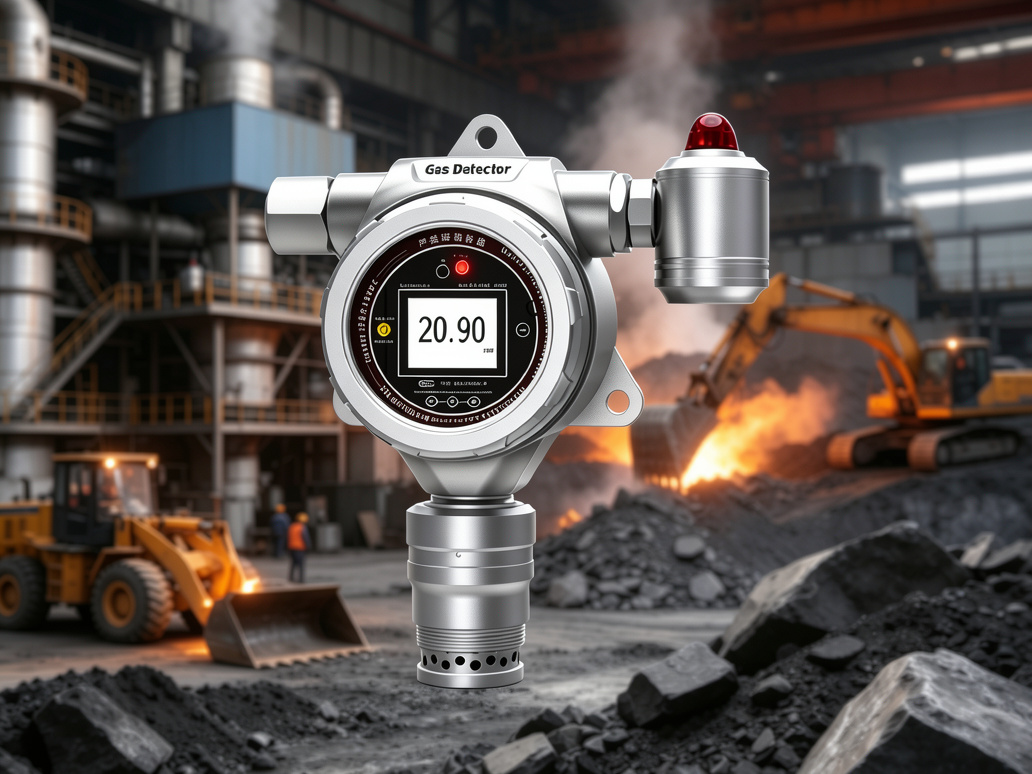
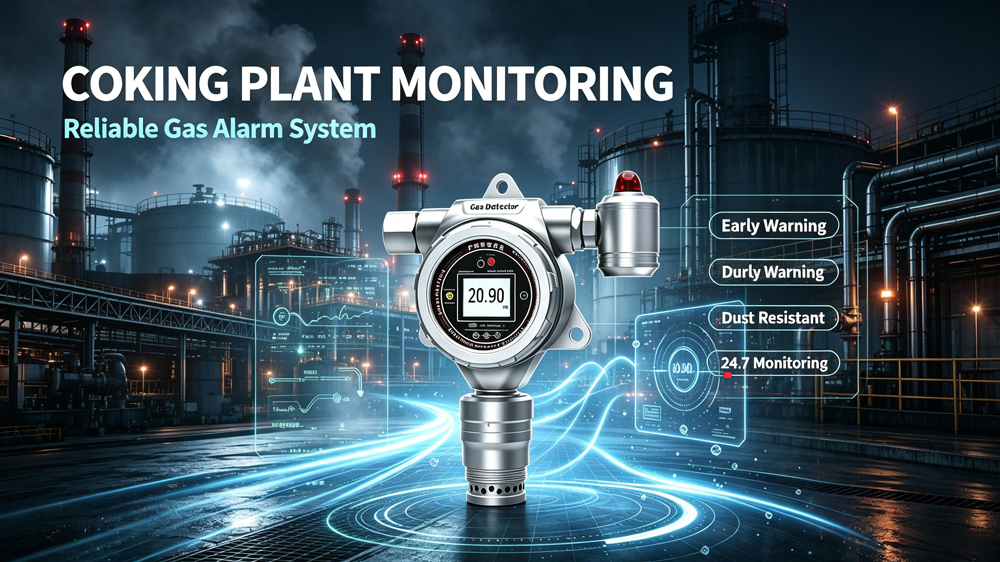
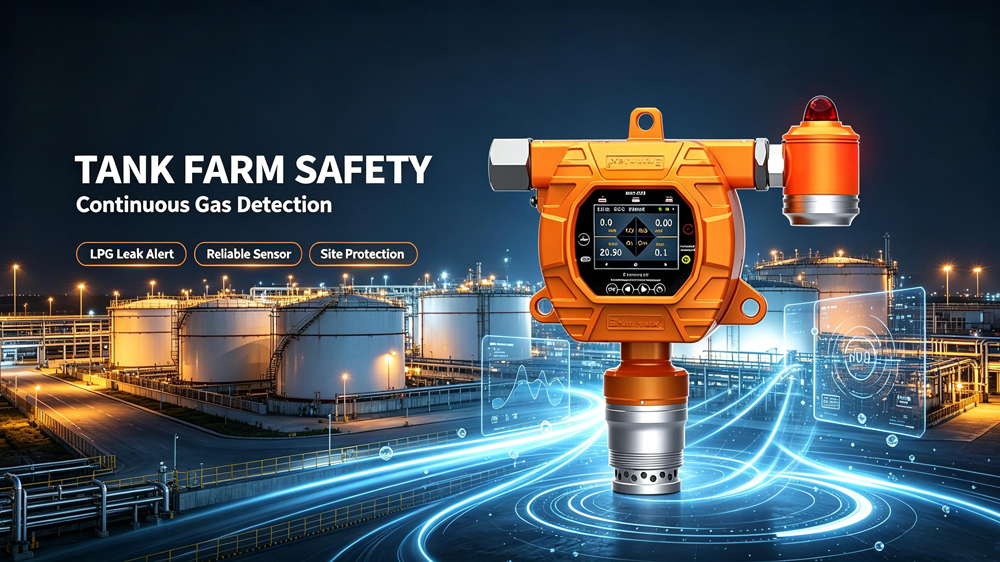
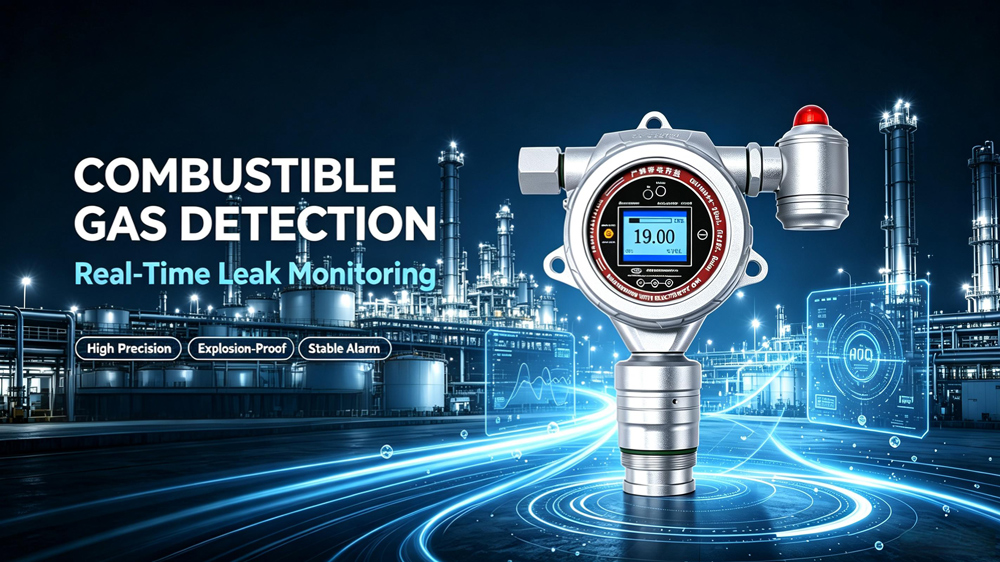
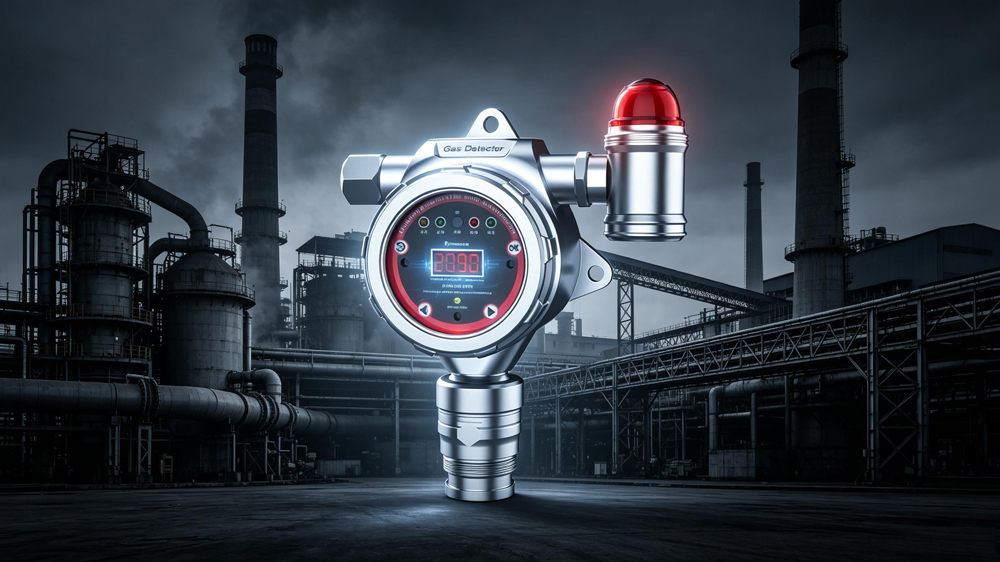
These instruments are typically permanently installed near potential leak points such as factory workshops, pipeline valves, tank areas, or pump rooms. They are connected to an alarm controller or distributed control system in a central control room via cables, enabling 24/7 real-time monitoring. Once a gas concentration exceeds the standard, it not only triggers local audible and visual alarms but also automatically activates exhaust fans, shuts off solenoid valves, or activates sprinkler systems, serving as the "sniffing nerves" for automated safety management in large industrial facilities.
2. Portable Gas Detectors
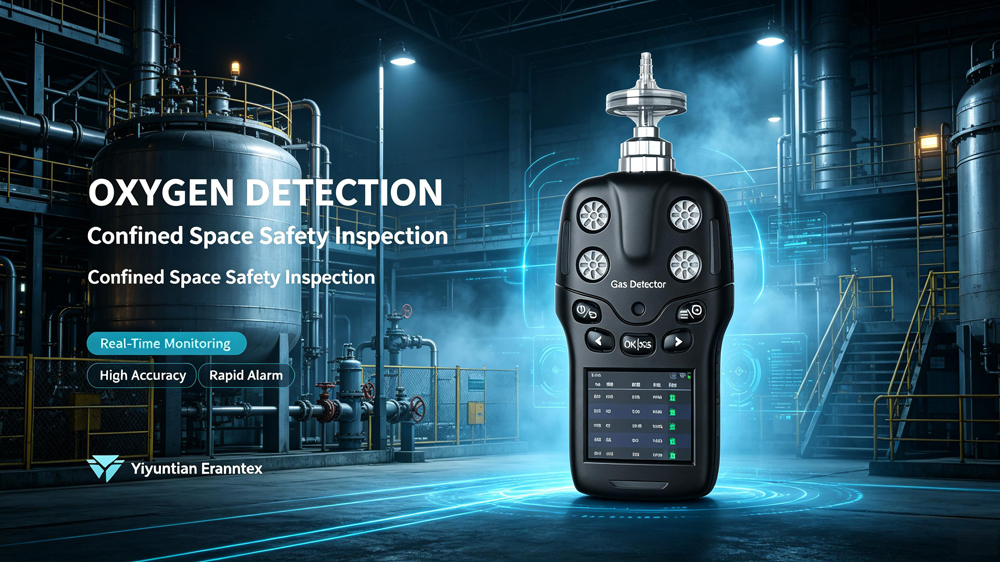
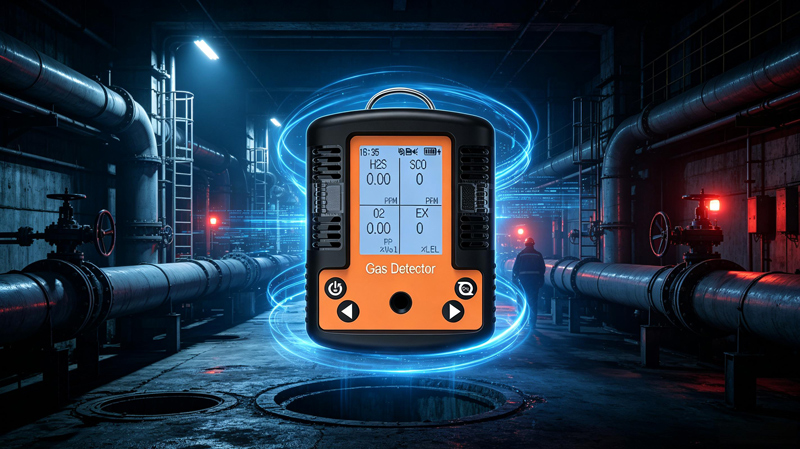
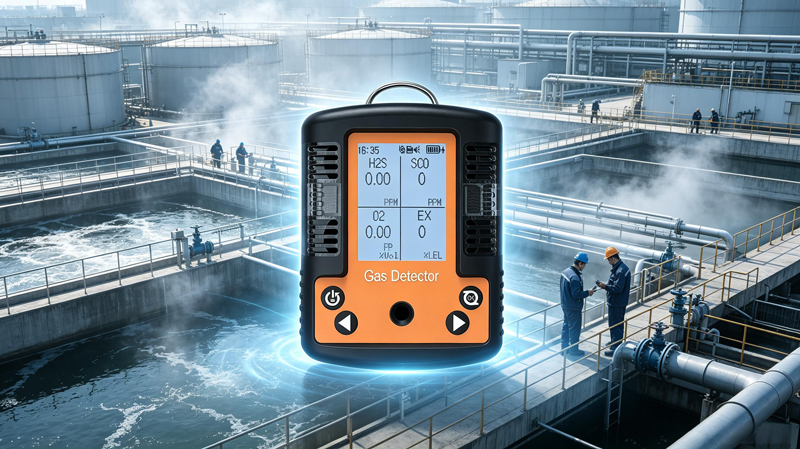
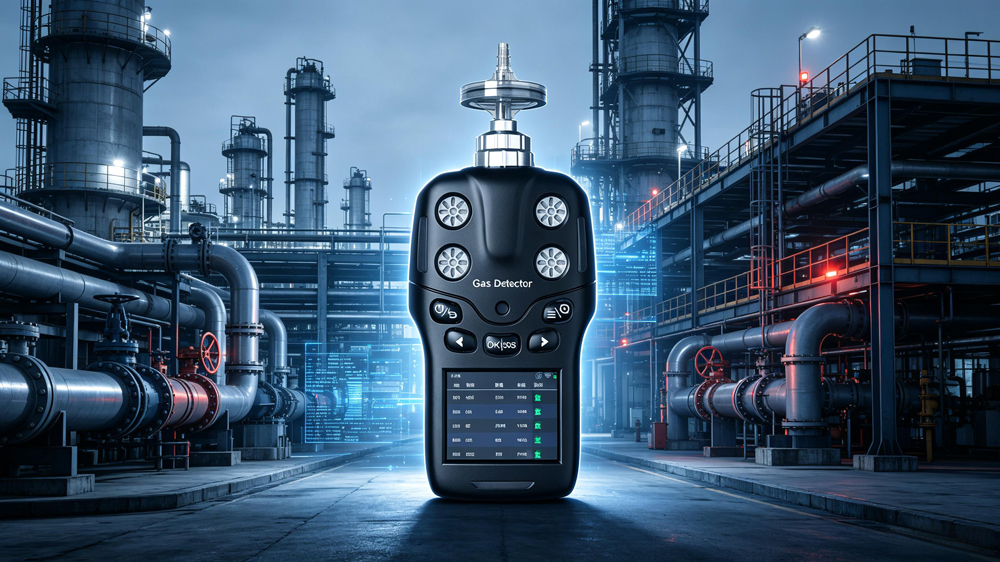
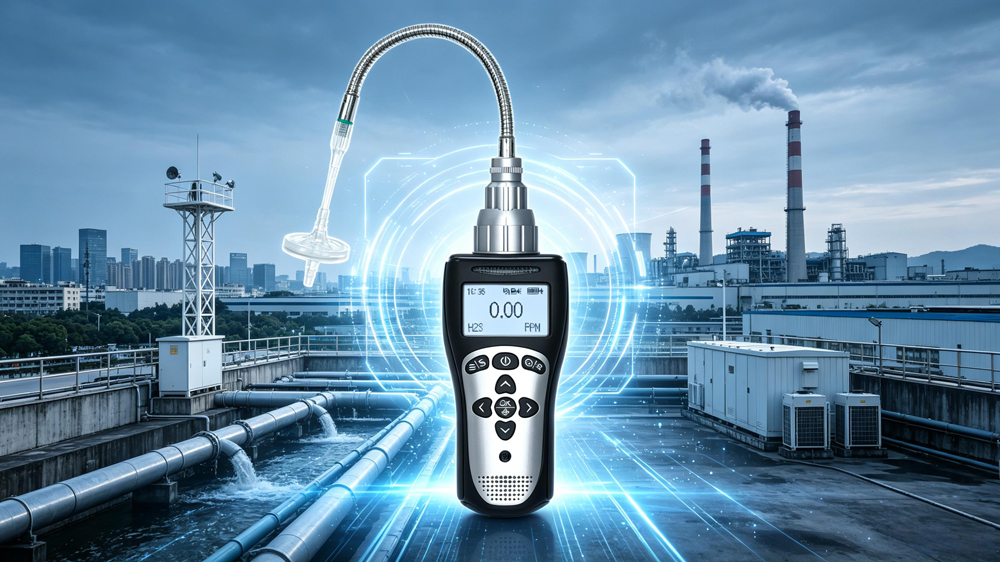
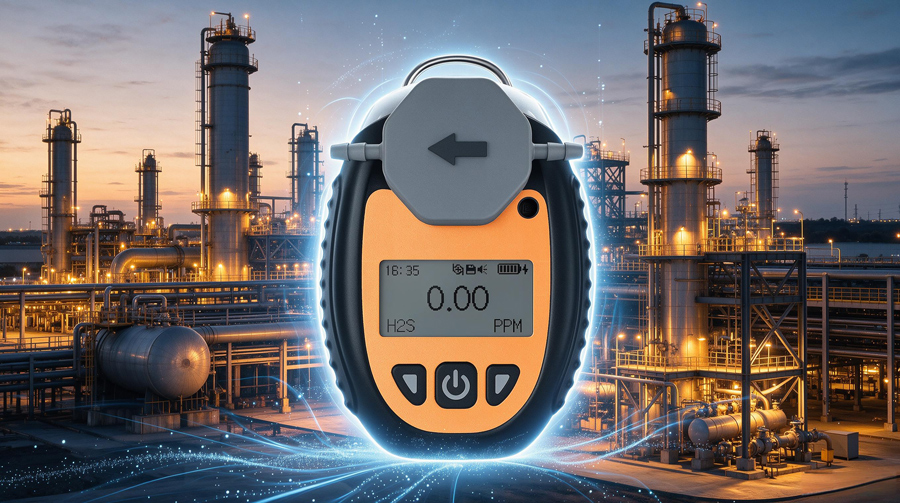
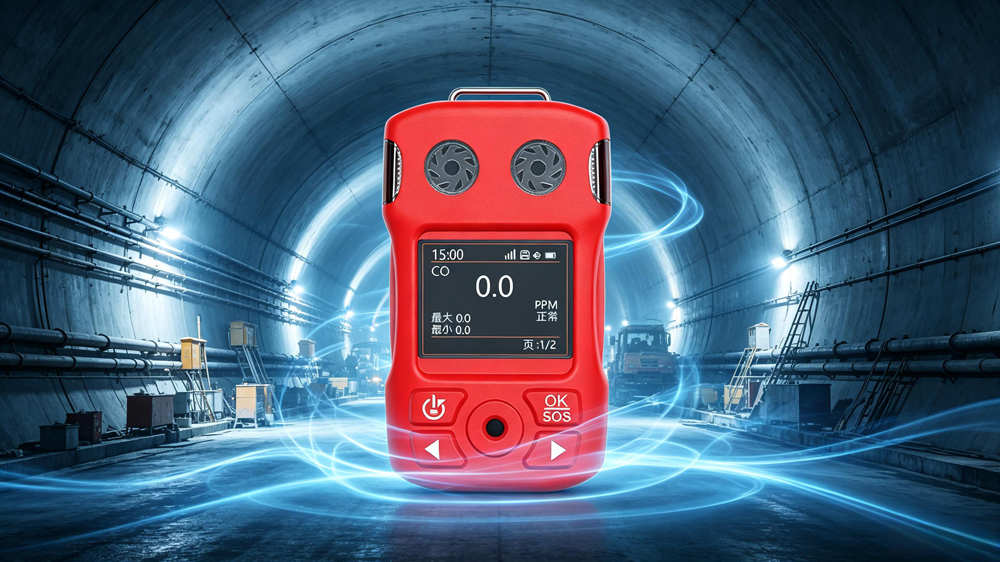
Portable instruments are mainly divided into handheld and wearable types, designed specifically for on-site inspections, confined space operations, or emergency response. They are typically battery-powered and possess extremely high protection levels and explosion-proof certifications. Modern portable combustible gas detectors often employ a modular design, with a single device capable of carrying multiple sensors to monitor various hazardous parameters such as combustible gases, oxygen, carbon monoxide, and hydrogen sulfide in real time. They provide immediate personal safety warnings to frontline workers through high-decibel buzzers, strong flashlights, and device vibration.
Understanding these classifications allows users to accurately match the most suitable combustible gas detection solution based on the characteristics of the target gas, the complexity of the on-site environment (whether there is oxygen deficiency or toxic interference), and the specific operational mode (fixed-point monitoring or mobile inspection).
Related information
-
How to Calibrate a Portable four-in-one Gas Detectors?
Portable four-in-one gas detectors are core protective equipment in the industrial safety field. However, sensors can experience z...
2026-09-18 -
What are the application scenarios for portable four-in-one gas detectors?
Portable four-in-one gas detectors typically monitor oxygen (O₂), flammable gas (LEL), carbon monoxide (CO), and hydrogen sulfide...
2026-09-16 -
Portable four-in-one Gas Detectors User Manual
The portable four-in-one gas detectors is a core piece of personal protective equipment (PPE) for ensuring the safety of personnel...
2026-09-14 -

Calibration Specifications for Ammonia gas Detectors
Calibration of ammonia gas detectors is a core step in ensuring their measurement accuracy and alarm reliability. However, ammonia...
2026-09-11 -
What is the appropriate installation height for an ammonia gas detectors?
Ammonia (NH₃) has a relative density of only 0.59, much lighter than air. This means that in the event of a leak, the gas will qu...
2026-09-09
 info@eranntexgas.com sale1@eranntexgas.com


 15914124845