
Oxygen Detectors Selection Guide
Publication Date:2026/05/29Under stringent global standards for industrial safety, environmental protection, and healthcare, oxygen detectors are not only fundamental gas monitoring devices but also a core line of defense for ensuring personnel safety and stable production processes. For international users, the sheer number of international brands and technical specifications often presents a significant challenge in accurate selection. Yiyuntian Eranntex has compiled an in-depth oxygen detectors selection guide that conforms to international standards and reading habits, aiming to help you find a suitable safety solution in complex purchasing decisions.
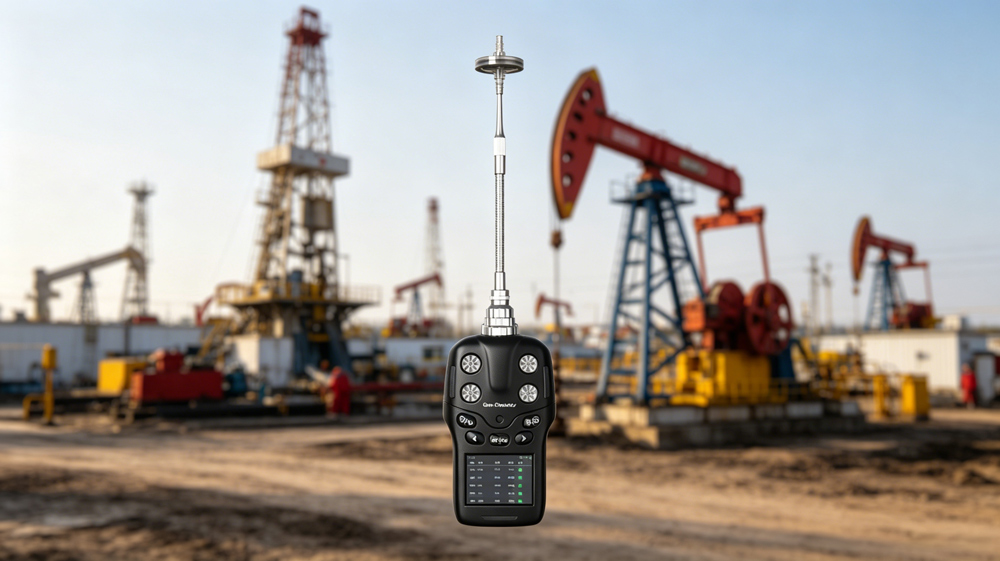
Define Application Scenarios and Measurement Range
The logical starting point for selection is always "risk definition." You need to first define whether the core monitoring objective is to prevent oxygen deficiency and asphyxiation, oxygen enrichment for combustion, or high-precision process control.
Routine Safety Protection:** For confined space operations or general industrial environment monitoring, a standard 0-30% Vol range is sufficient.
High-Purity Process Monitoring:** If applied to semiconductor manufacturing, air separation, or inert gas protection scenarios, trace oxygen analysis is required, with a range potentially accurate to the ppm or even ppb level. Never misuse an oxygen detectors beyond its measurement range. For example, exposing a trace oxygen detectors to air will cause permanent damage to the sensor.
Identifying Core Sensing Technologies and Performance Indicators
The sensor directly determines the accuracy, lifespan, and response speed of the equipment. Currently, the mainstream international technologies each have their own advantages and disadvantages:
Electrochemical Sensors: This is a common technology in portable and conventional stationary oxygen detectors. Its advantages include low power consumption and high resolution, making it ideal for ambient air monitoring. However, its lifespan is relatively limited, and frequent calibration may be required under extreme temperature and humidity conditions.
Zirconium Oxide and Paramagnetic/Magnetomechanical Sensors: These two technologies are often used in high-temperature combustion control or complex chemical processes. They possess extremely high long-term stability and anti-interference capabilities, making them particularly suitable for operation in high-temperature, polluted flue gas environments. However, they are relatively expensive and bulky.
Laser Spectroscopy Technology: As a high-end option, laser technology offers extremely fast response, requires no consumables, and is virtually unaffected by background gas cross-interference, making it ideal for hazardous processes with extremely high safety and real-time requirements.
When evaluating performance, always pay attention to the instrument's response time. In emergency leaks or confined space entry, the ability of an oxygen detectors to maintain a stable reading within 30 seconds, or even 10 seconds, directly impacts personnel escape and rescue opportunities.
Strict Verification of International Explosion-Proof and Protection Certifications
For industrial equipment exported or used internationally, compliance is the absolute minimum. A qualified oxygen detectors must possess complete certification:
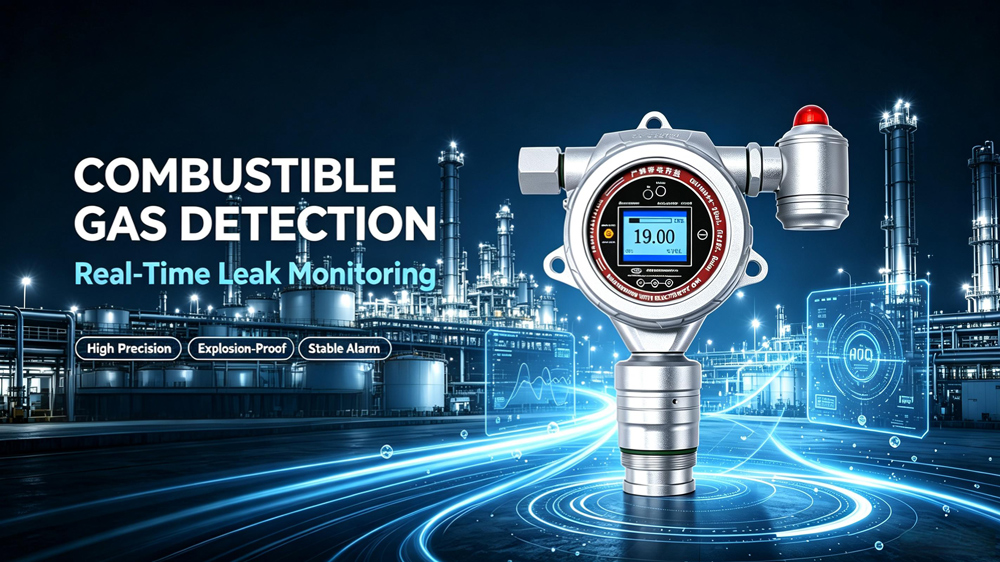
Explosion-Proof Certification:In flammable and explosive areas such as oil, natural gas, and chemical plants, the equipment must have ATEX, IECEx, or UL/CSA certification. Carefully verify the explosion-proof rating to ensure it matches the hazardous area classification at the site.
Metrology and Quality Certification:** Confirm that the product has a local type approval certificate for measuring instruments and ISO 9001 quality management system certification. This is not only a legal threshold for the product to enter the market but also a prerequisite for the legal validity of its data.
Physical Protection Rating:** For harsh outdoor or dusty and humid conditions, the instrument's enclosure protection rating should be at least IP65; if it needs to withstand high-pressure water jet washing or brief immersion, a model with an IP67 or higher rating must be selected.
Considering both installation type and total lifecycle cost:
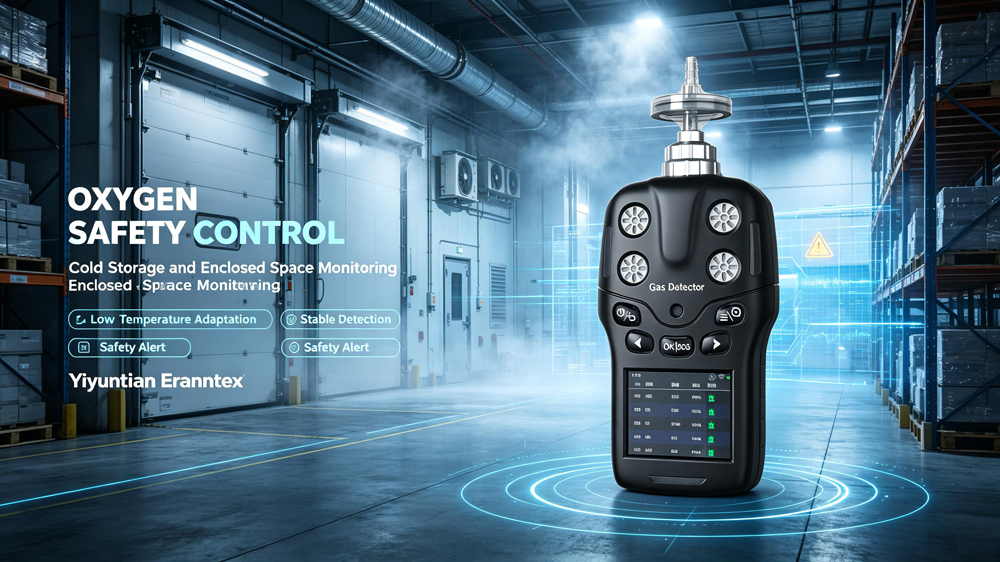
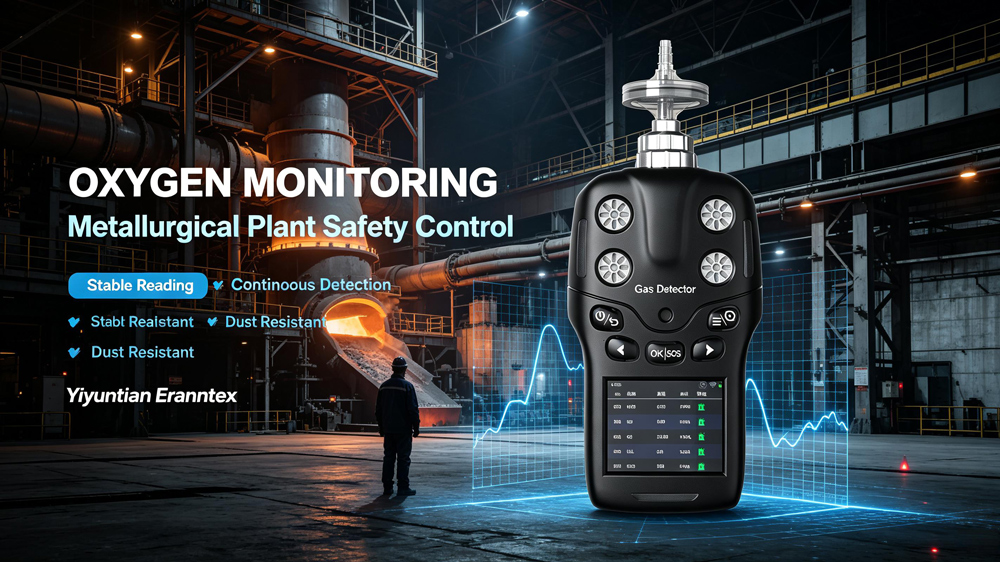
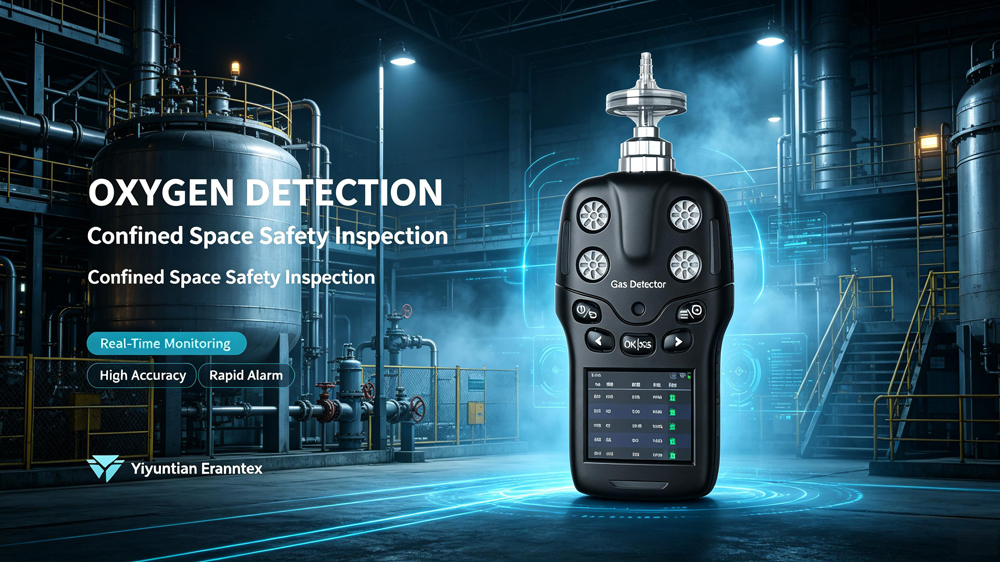
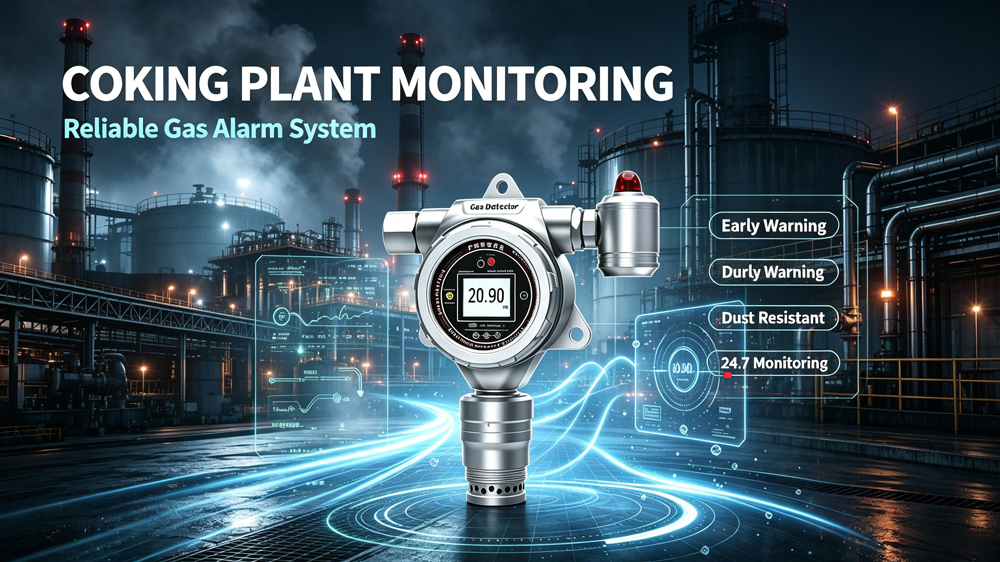
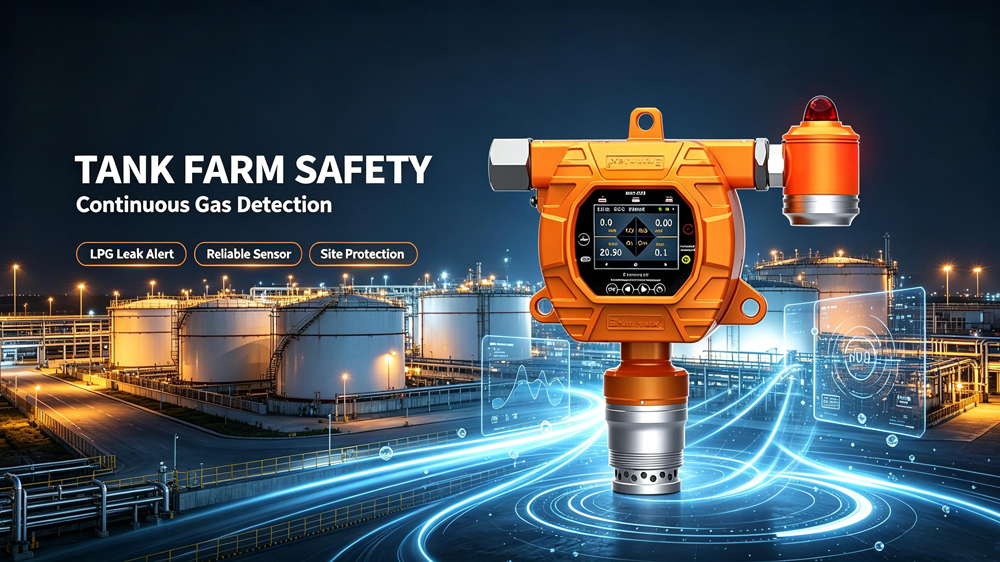
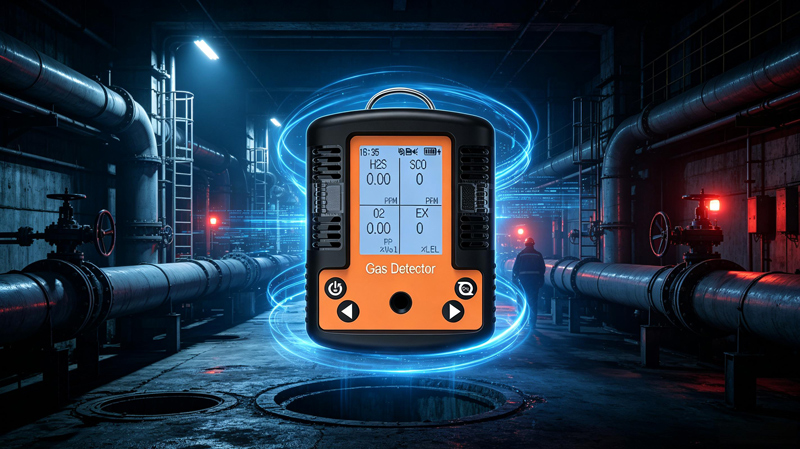
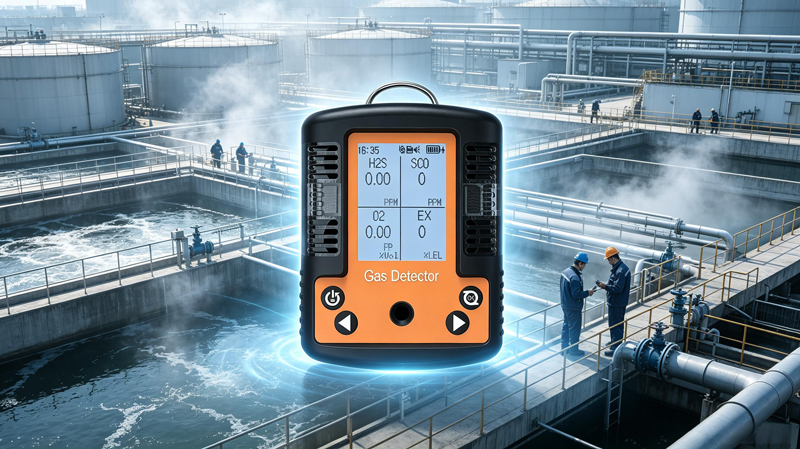
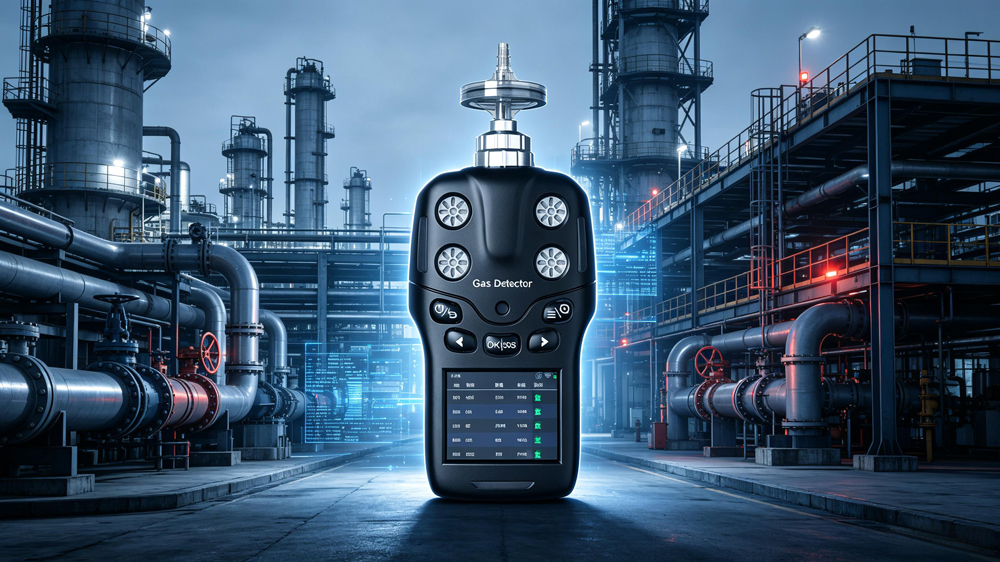
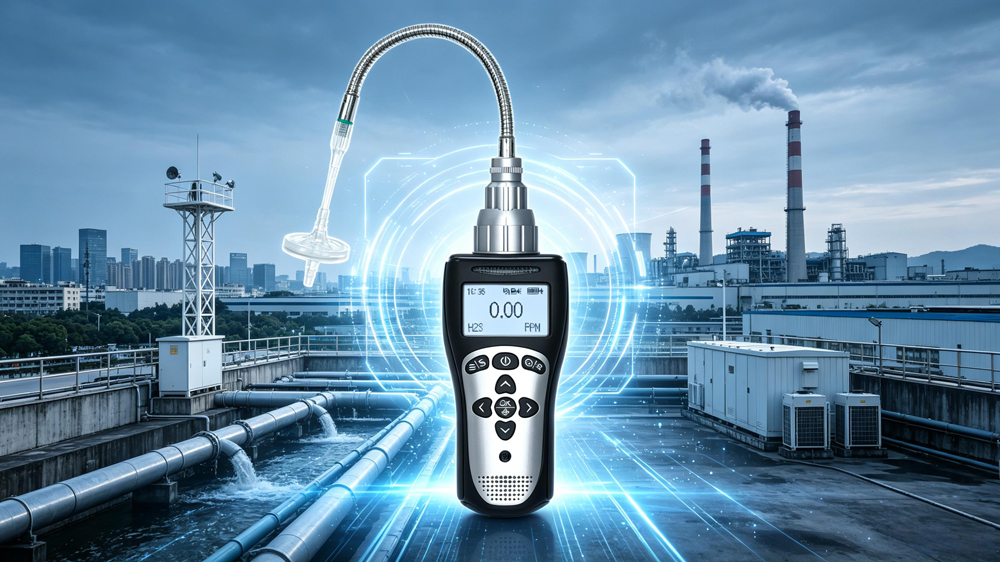
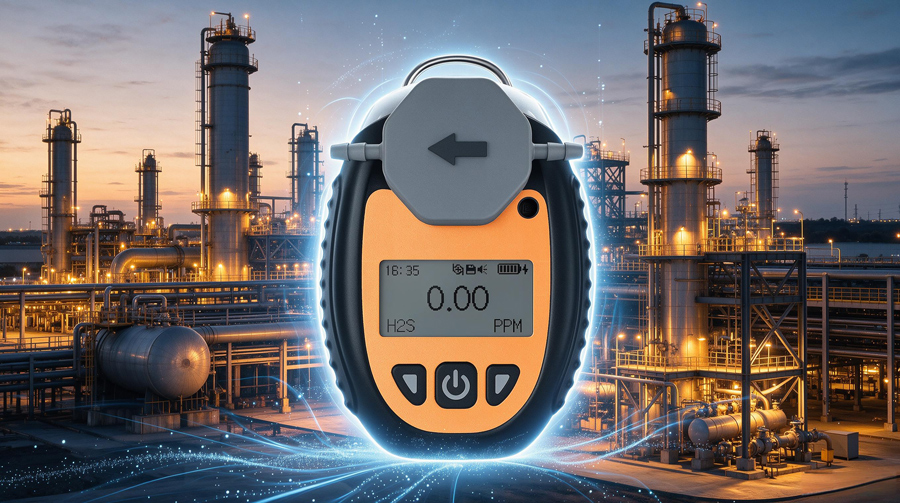
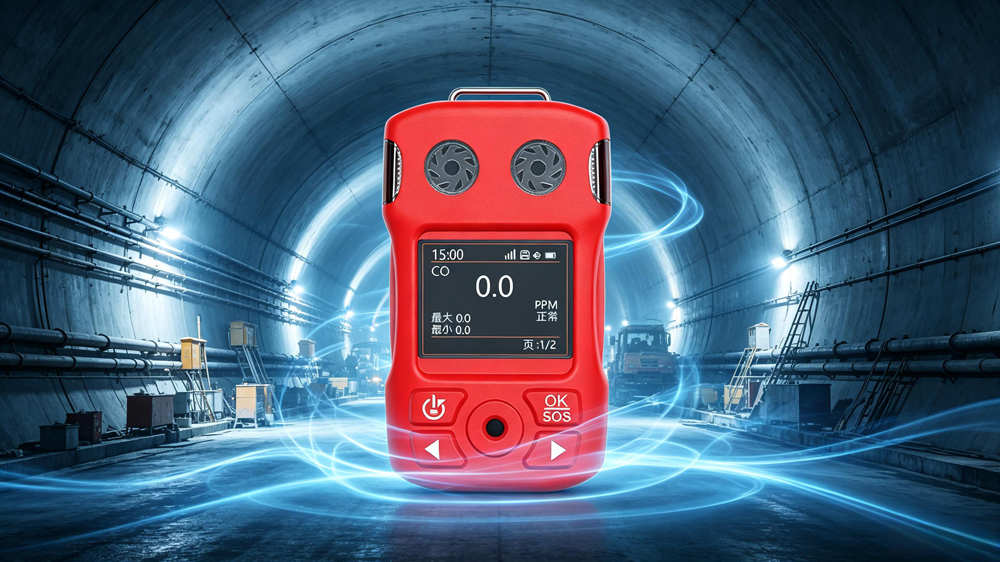
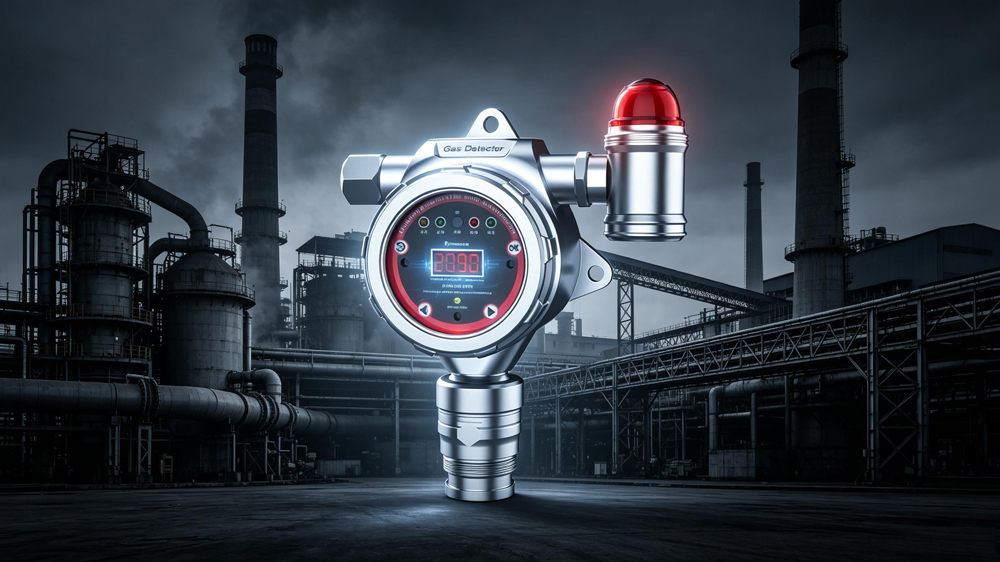
Finally, select the appropriate equipment type based on the actual operation and maintenance mode. Fixed oxygen detectors are suitable for 24-hour unattended area monitoring and can seamlessly connect to the factory's DCS/PLC central control system via 4-20mA or RS485 signals; while portable oxygen detectors are essential equipment for inspection personnel and temporary operations. When purchasing, focus on their battery life and whether they support pump-suction sampling to handle complex spaces.
Furthermore, avoid falling into the trap of simply choosing the lowest price. When evaluating the procurement budget, the concept of total lifecycle cost should be introduced. Cheap equipment often comes with inferior sensors and high subsequent maintenance costs. The truly cost-effective choice is to pursue the long-term stability and reliability of the equipment, while ensuring that core parameters meet standards and after-sales calibration services are comprehensive. After all, in the field of gas safety, the cost of any missed detection due to equipment failure far exceeds the value of the equipment itself.
Related information
-
How to Calibrate a Portable four-in-one Gas Detectors?
Portable four-in-one gas detectors are core protective equipment in the industrial safety field. However, sensors can experience z...
2026-09-18 -
What are the application scenarios for portable four-in-one gas detectors?
Portable four-in-one gas detectors typically monitor oxygen (O₂), flammable gas (LEL), carbon monoxide (CO), and hydrogen sulfide...
2026-09-16 -
Portable four-in-one Gas Detectors User Manual
The portable four-in-one gas detectors is a core piece of personal protective equipment (PPE) for ensuring the safety of personnel...
2026-09-14 -

Calibration Specifications for Ammonia gas Detectors
Calibration of ammonia gas detectors is a core step in ensuring their measurement accuracy and alarm reliability. However, ammonia...
2026-09-11 -
What is the appropriate installation height for an ammonia gas detectors?
Ammonia (NH₃) has a relative density of only 0.59, much lighter than air. This means that in the event of a leak, the gas will qu...
2026-09-09
 info@eranntexgas.com sale1@eranntexgas.com


 15914124845