
What measures should be taken after the combustible gas alarm alarms?
Publication Date:2024/10/08 As we all know, when the combustible gas alarm gives an alarm, in order to ensure the safety of personnel and effectively prevent the occurrence of accidents, a series of thorough treatment measures must be taken immediately. Through these treatment measures, potential combustible gas leakage risks can be quickly identified and responded to, thereby protecting the lives of on-site personnel and reducing the possibility of property damage. Do you know what actions should be taken after the combustible gas alarm alarms? The following is a brief introduction by yiyuntian electronics:
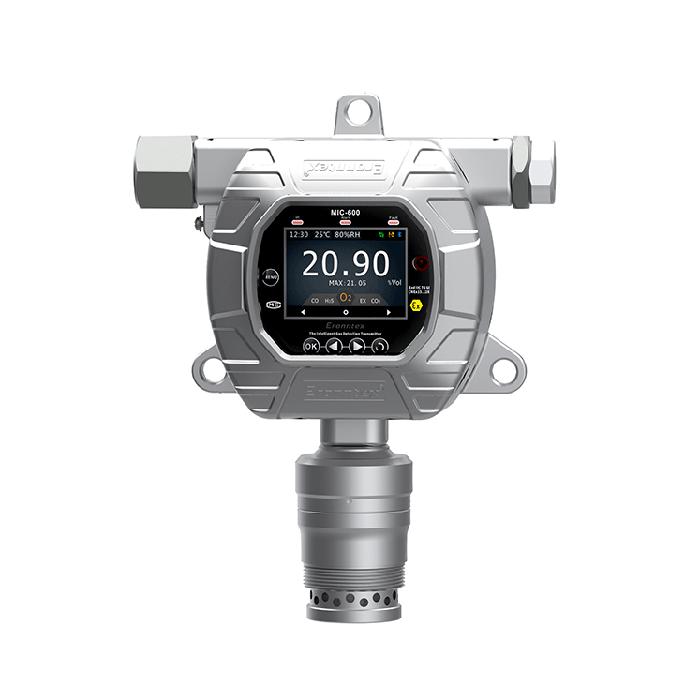
When the combustible gas alarm gives an alarm, the following measures should be taken:
1. Acknowledge the alarm immediately:
After you hear the alarm, check if it is a combustible gas alarm.Observe the indicator light or display of the combustible gas alarm to confirm whether there is a warning of combustible gas leakage.
2. Stay calm and do not panic:
When a combustible gas alarm is detected, remain calm and do not panic. Quickly assess the site situation and determine if immediate evacuation is required.
3. Turn off the gas source:
If a combustible gas leak is confirmed, immediately close the gas valve and cut off the gas source. Be careful not to use open flames or electrical switches to prevent fire or explosion.
4. Open doors and windows for ventilation:
On the premise of ensuring safety, quickly open doors and windows for ventilation to reduce the concentration of indoor combustible gas. Avoid using electric fans and other electrical equipment to prevent sparks from causing explosions.
5. Evacuate the site:
If the leak is serious or the source cannot be determined, evacuate the site immediately. According to the pre-established combustible gas alarm emergency evacuation route, quickly and orderly evacuate to a safe area.
6. Call the police for help:
Immediately after evacuation, call the fire service telephone and inform the fire department of the leak and the site address. At the same time, you can also notify other relevant personnel, such as the person in charge of the unit, safety officer, etc., to assist in handling.
7. Cooperate with professionals:
Wait for the fire department or professional maintenance personnel to arrive at the scene, and cooperate with them to investigate and deal with the leakage source. Do not enter the leakage area without permission to avoid danger.
8. Check Combustible Gas Alarm:
After processing, check whether the combustible gas alarm is restored to normal working condition. If the combustible gas alarm fails or is false, contact the supplier or professional maintenance personnel for repair or replacement.
All in all, after the combustible gas alarm alarm, emergency measures should be taken quickly to ensure personnel safety and prevent accidents. The implementation of these measures will help to improve the safety awareness of on-site personnel, reduce the probability of accidents, and ensure the safety of personnel and property. At the same time, it is necessary to strengthen safety management and education and training to improve employees' safety awareness and emergency response capabilities.
Related information
-
How to Calibrate a Portable four-in-one Gas Detectors?
Portable four-in-one gas detectors are core protective equipment in the industrial safety field. However, sensors can experience z...
2026-09-18 -
What are the application scenarios for portable four-in-one gas detectors?
Portable four-in-one gas detectors typically monitor oxygen (O₂), flammable gas (LEL), carbon monoxide (CO), and hydrogen sulfide...
2026-09-16 -

Portable four-in-one Gas Detectors User Manual
The portable four-in-one gas detectors is a core piece of personal protective equipment (PPE) for ensuring the safety of personnel...
2026-09-14 -

Calibration Specifications for Ammonia gas Detectors
Calibration of ammonia gas detectors is a core step in ensuring their measurement accuracy and alarm reliability. However, ammonia...
2026-09-11 -
What is the appropriate installation height for an ammonia gas detectors?
Ammonia (NH₃) has a relative density of only 0.59, much lighter than air. This means that in the event of a leak, the gas will qu...
2026-09-09



 info@eranntexgas.com sale1@eranntexgas.com


 15914124845