
How Should the Calibration Frequency for Carbon Dioxide Detectors Be Determined?
Publication Date:2026/04/09In industrial production, environmental monitoring, and healthcare, Carbon Dioxide Detectors are essential devices for ensuring safety and compliance. However, their measurement accuracy gradually degrades over time due to environmental factors and usage intensity; therefore, it is crucial to scientifically determine the calibration frequency. Below, the Yiyuntian Eranntex editorial team analyzes how to develop a calibration strategy that meets the demands of the European and American markets, drawing on international standards, industry regulations, and real-world examples.
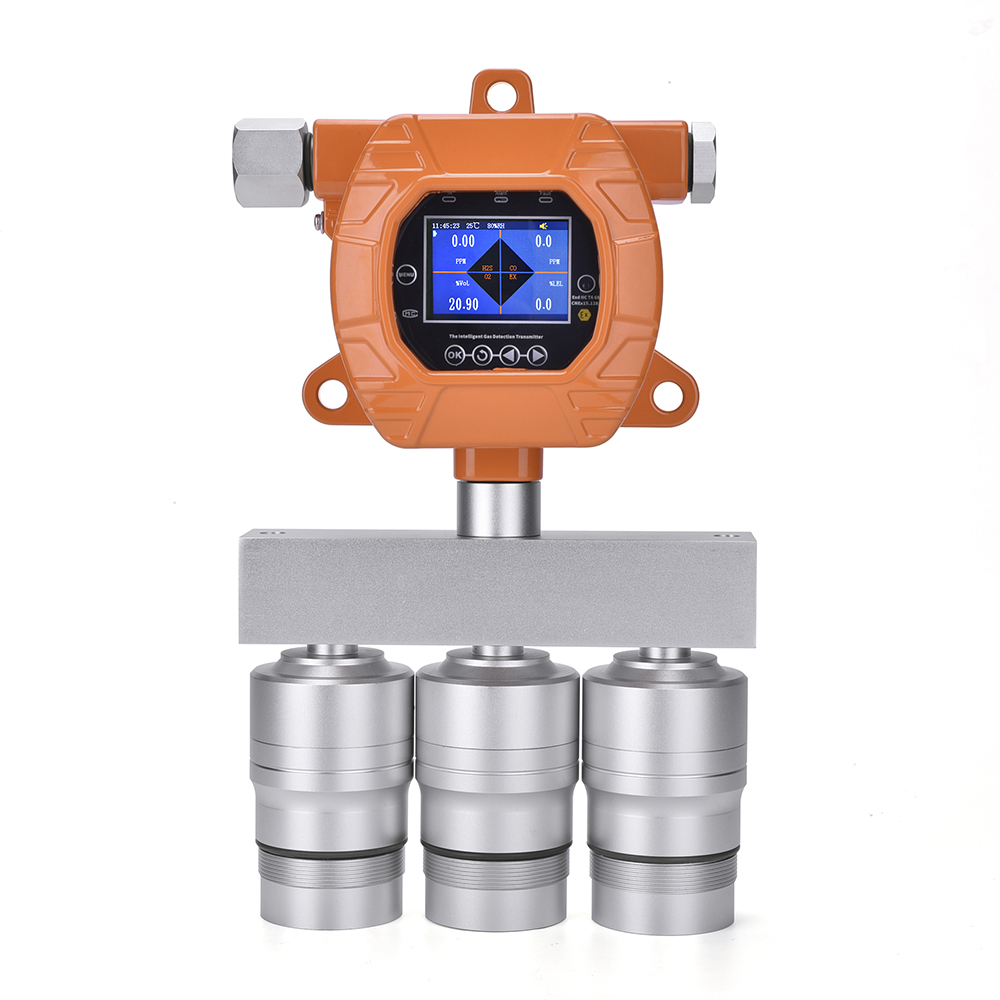
I. International Standards and Regulatory Framework: Compliance Is the Foundation of Calibration
Major global markets have clear requirements for the calibration of gas detectors. For example, the European Union’s EN 50271 standard stipulates that industrial gas detectors must be calibrated every six months, while medical-grade devices—due to patient safety concerns—may require calibration as frequently as every three months. The U.S. National Institute for Occupational Safety and Health (NIOSH) requires that Carbon Dioxide Detectors used in confined space operations be calibrated every three months, with complete calibration records retained for auditing purposes.
Additionally, the ISO 15175 standard published by the International Organization for Standardization (ISO) provides globally recognized calibration guidelines for environmental monitoring Carbon Dioxide Detectors. This standard emphasizes that calibration must use certified reference gases and establish a linear response curve through multi-point calibration to ensure that the device’s error does not exceed ±2% FS across the entire measurement range.
II. Industry Differences: Customized Requirements from Chemical to Medical
Precision requirements for CO₂ detection vary significantly across different industries, directly influencing the frequency of calibration:
Chemical and Petroleum Industries: In scenarios involving CO₂ storage or reactions, such as urea production or carbon capture projects, equipment must be calibrated every three months.
Medical Field: Equipment such as neonatal incubators and anesthesia machines requires real-time monitoring of oxygen and carbon dioxide concentrations, with the error margin strictly controlled within ±0.5%.
Agriculture and Food Processing: In greenhouse gas emission monitoring or food packaging gas-flushing processes, the equipment calibration cycle can be extended to once a year.
III. Environment and Usage Intensity: High-Frequency Exposure Requires Shorter Cycles
The calibration frequency of CO₂ analyzers must be dynamically adjusted based on actual operating conditions:
Extreme Environments: In environments with high temperatures (>50°C), high humidity (>85% RH), or highly corrosive gases, sensor performance may degrade more rapidly.
Frequent Use: If the equipment operates for more than 8 hours per day, calibration is recommended every 3 months. When monitoring urban air quality, the U.S. Environmental Protection Agency (EPA) requires all fixed CO₂ analyzers to undergo automatic calibration using standard gases weekly, followed by manual verification monthly.
Equipment Aging: Sensor lifespan is typically 2–3 years; for equipment nearing the end of its service life, the calibration cycle should be shortened to once every three months.
IV. Calibration Methods and Records: Transparency and Traceability
International markets emphasize transparency in the calibration process and data traceability:
Calibration Process: A three-step method must be followed: “zero calibration → span calibration → multi-point verification.” For example, the German TÜV certification body requires that calibration use standard gases matching the concentration of the gas under test and ensure stable gas delivery via a flow controller.
Record Management: Calibration certificates must include information such as gas lot numbers, environmental parameters, adjustment values, and the qualifications of the calibration personnel. EU CE certification requires that calibration records be retained for at least five years for review by regulatory authorities.
Digital Tools: Some manufacturers offer cloud-based calibration management systems that can track device calibration status in real time and generate compliance reports, meeting electronic record regulations such as FDA 21 CFR Part 11.
Therefore, determining the calibration frequency for Carbon Dioxide Detectors requires a comprehensive consideration of regulatory requirements, industry characteristics, environmental conditions, and equipment status. For the international market, compliance is the baseline, while extending equipment lifespan and reducing maintenance costs through scientific calibration are key to enhancing competitiveness. Whether it is the stringent standards of chemical industry giants or flexible solutions for agricultural applications, the core objective remains the same: to safeguard personnel safety and environmental sustainability through precise monitoring.
Related information
-
How to Calibrate a Portable four-in-one Gas Detectors?
Portable four-in-one gas detectors are core protective equipment in the industrial safety field. However, sensors can experience z...
2026-09-18 -
What are the application scenarios for portable four-in-one gas detectors?
Portable four-in-one gas detectors typically monitor oxygen (O₂), flammable gas (LEL), carbon monoxide (CO), and hydrogen sulfide...
2026-09-16 -
Portable four-in-one Gas Detectors User Manual
The portable four-in-one gas detectors is a core piece of personal protective equipment (PPE) for ensuring the safety of personnel...
2026-09-14 -

Calibration Specifications for Ammonia gas Detectors
Calibration of ammonia gas detectors is a core step in ensuring their measurement accuracy and alarm reliability. However, ammonia...
2026-09-11 -
What is the appropriate installation height for an ammonia gas detectors?
Ammonia (NH₃) has a relative density of only 0.59, much lighter than air. This means that in the event of a leak, the gas will qu...
2026-09-09
 info@eranntexgas.com sale1@eranntexgas.com


 15914124845