
The Role of Carbon Monoxide Detectors
Publication Date:2026/04/15In industrial settings worldwide, carbon monoxide is a common yet extremely dangerous toxic gas. It is colorless, odorless, and non-irritating, yet it can cause workers to suffer poisoning, lose consciousness, or even die within a short period of time. For this reason, carbon monoxide detectors have become essential equipment for ensuring workplace safety, meeting regulatory compliance, and enhancing emergency response capabilities. Their role extends beyond real-time monitoring of gas concentrations; they also provide precise early warnings to prevent accidents, protect lives, and ensure production continuity. Below, the Yiyuntian Eranntex editorial team will introduce the following:
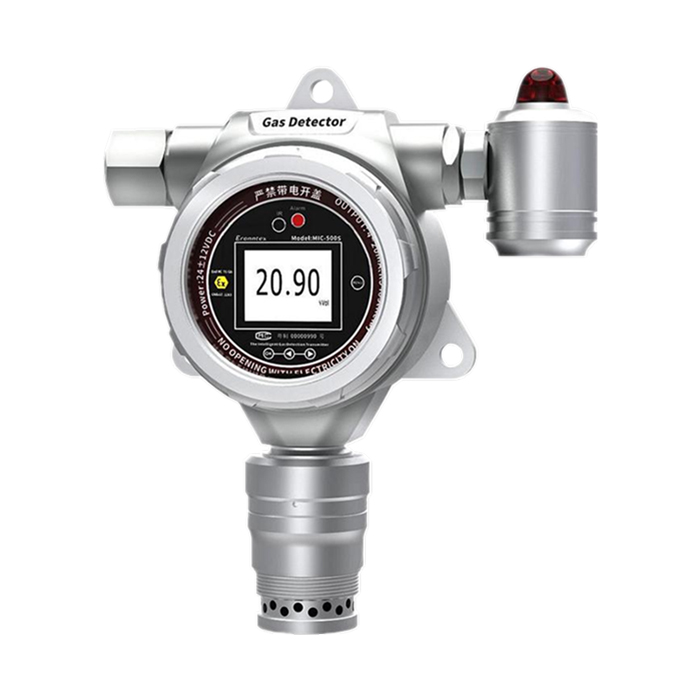
I. A Core Safety Tool in High-Risk Industrial Settings
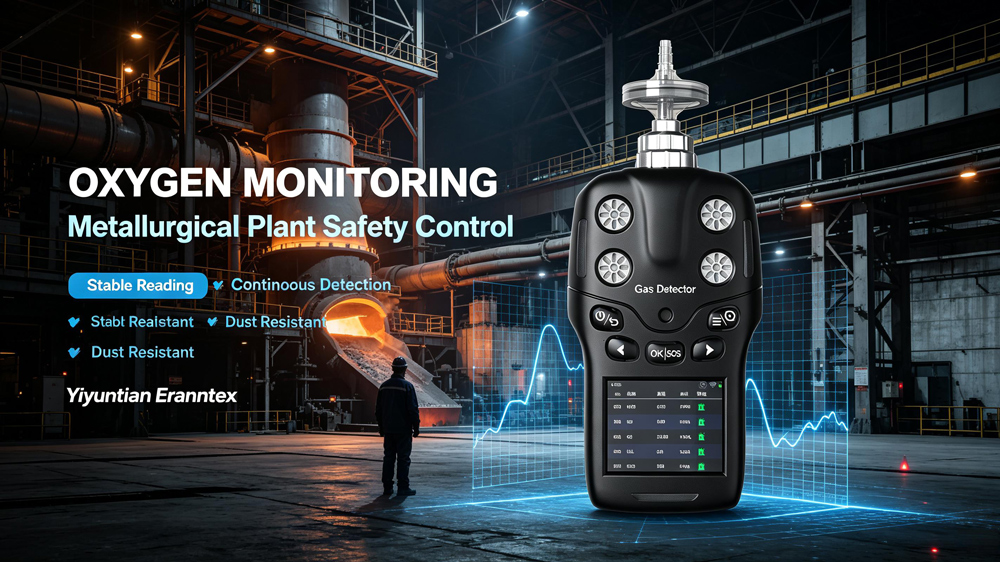
Carbon monoxide is widely present in various industrial processes. For example, in the metallurgical industry, blast furnace gas and converter gas contain up to 20%–30% CO; in underground mining and tunnel construction, exhaust emissions from diesel-powered equipment are the primary source of CO; in refineries, chemical plants, and power stations, incomplete combustion or process leaks can also release large amounts of CO. Additionally, confined spaces are high-risk areas for CO accumulation.
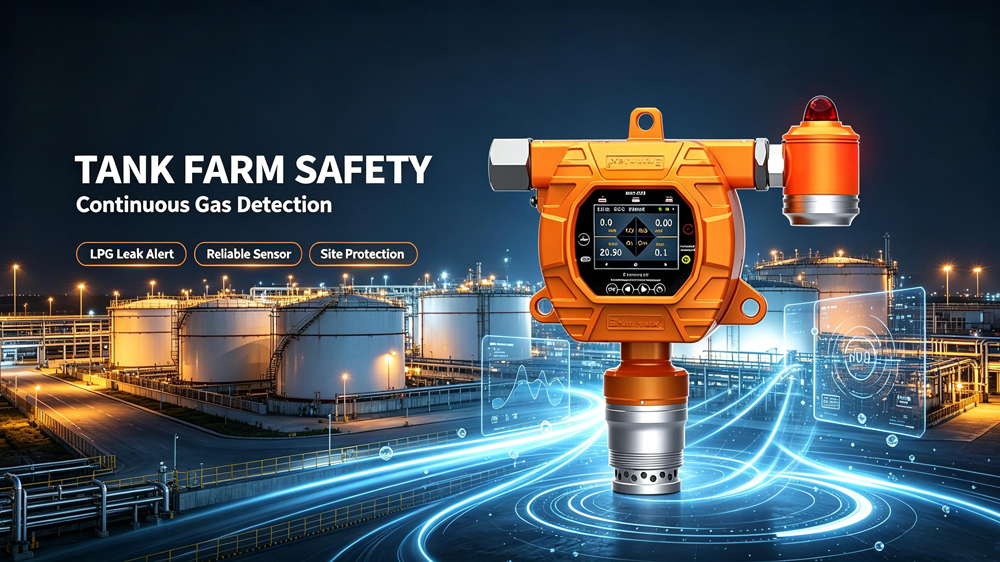
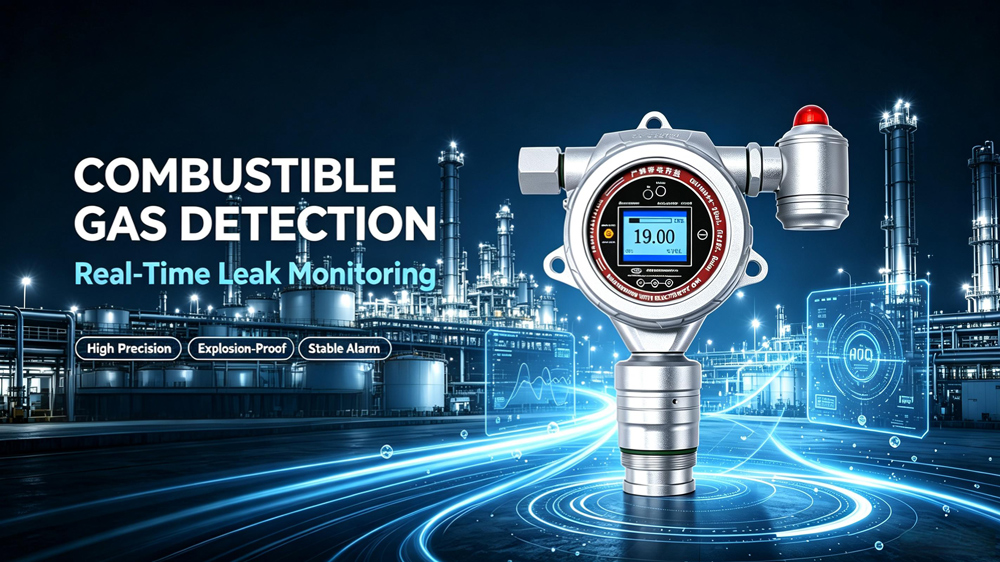
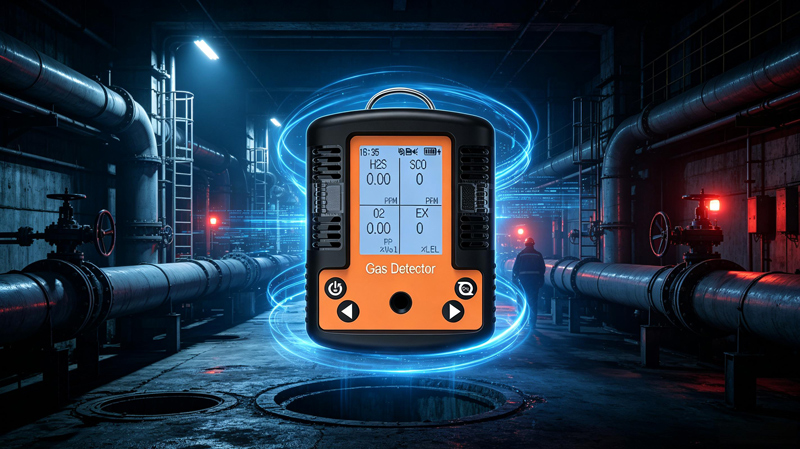
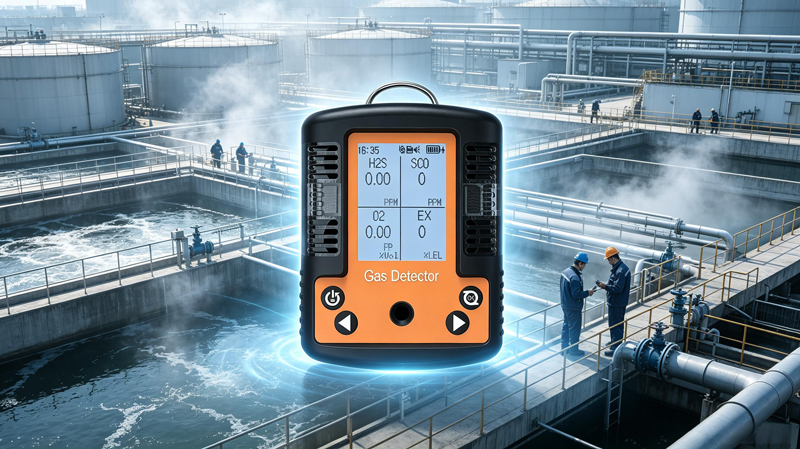
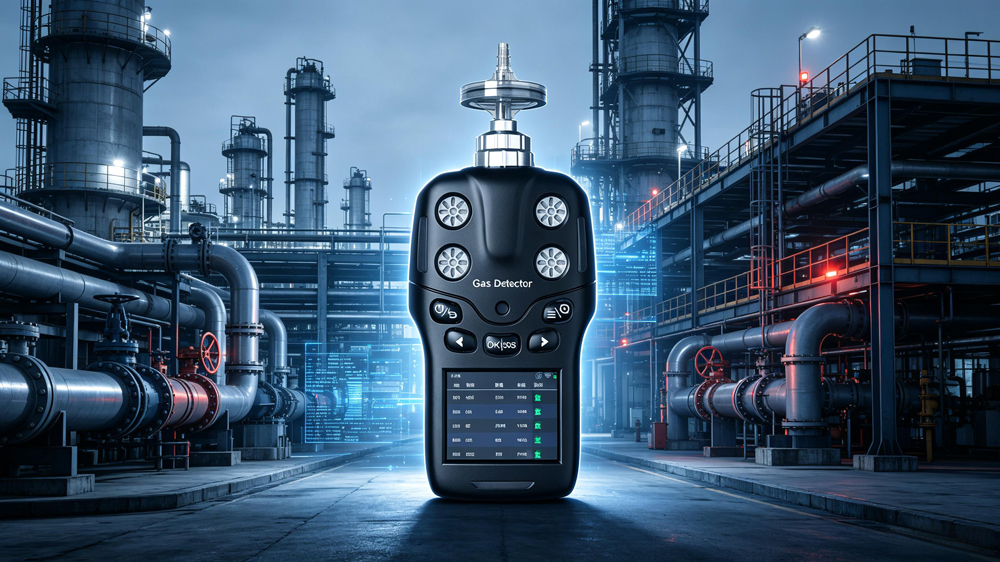
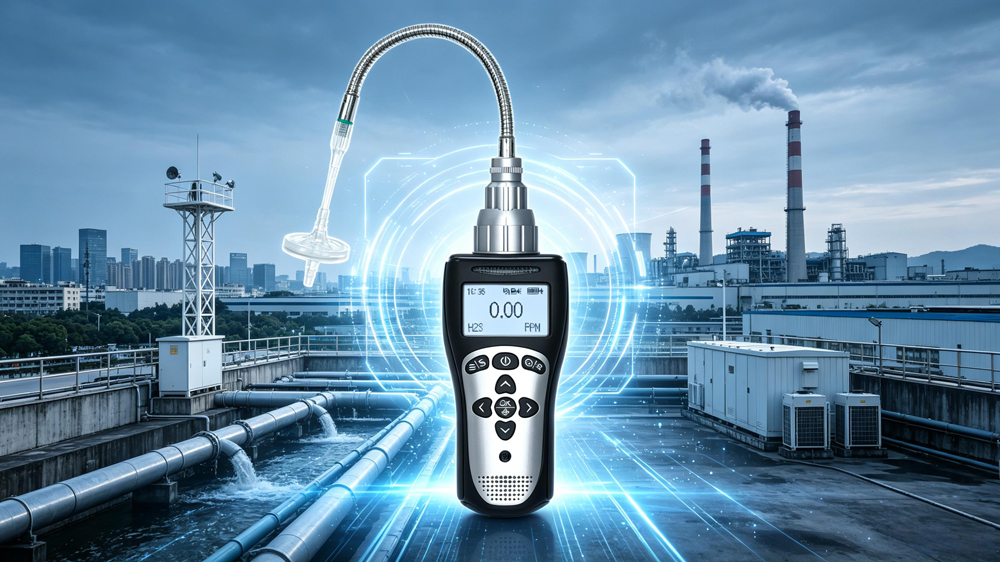
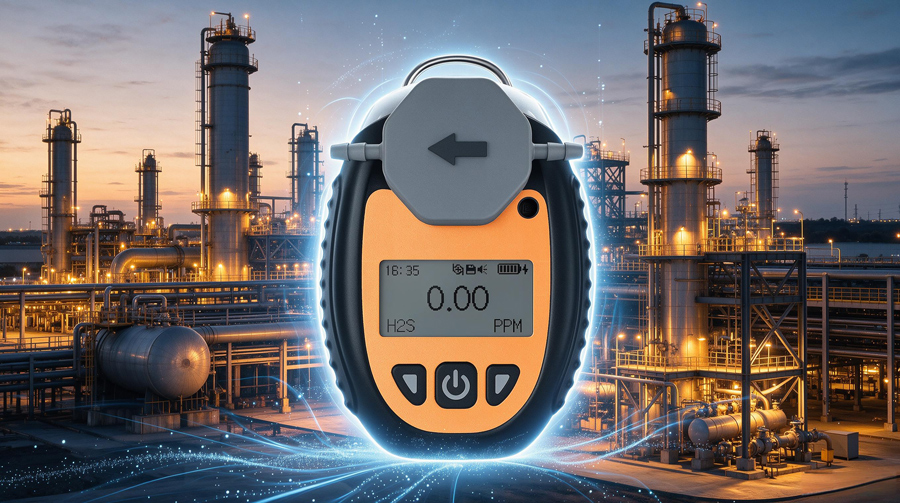
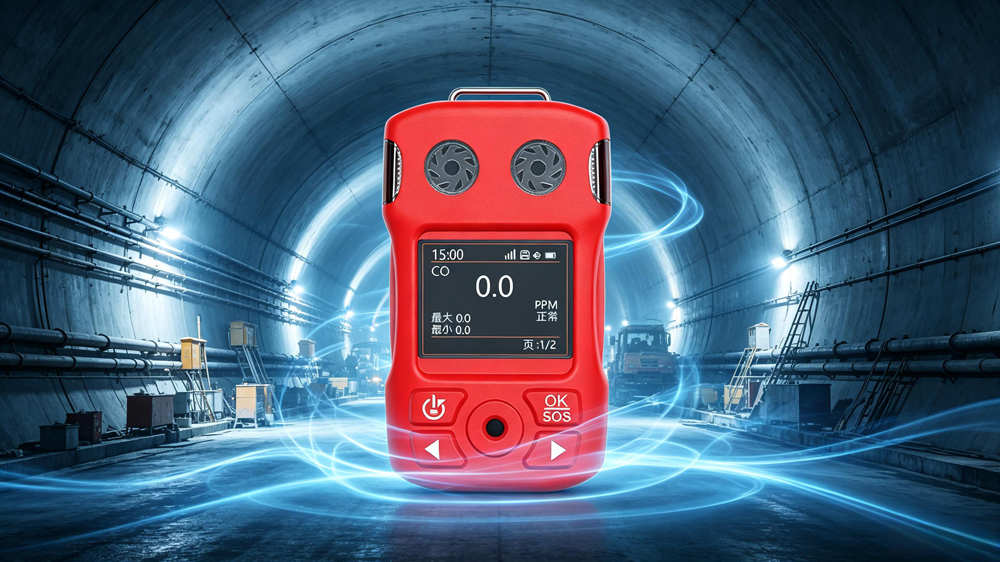
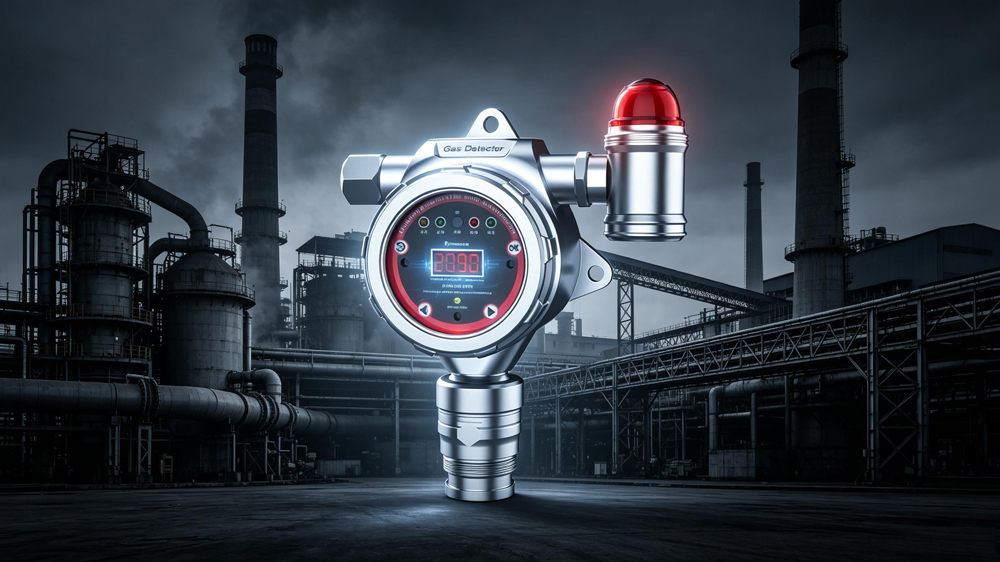
In these scenarios, industrial-grade carbon monoxide detectors are typically deployed as portable multi-gas detectors or fixed continuous monitoring systems. They are used for:
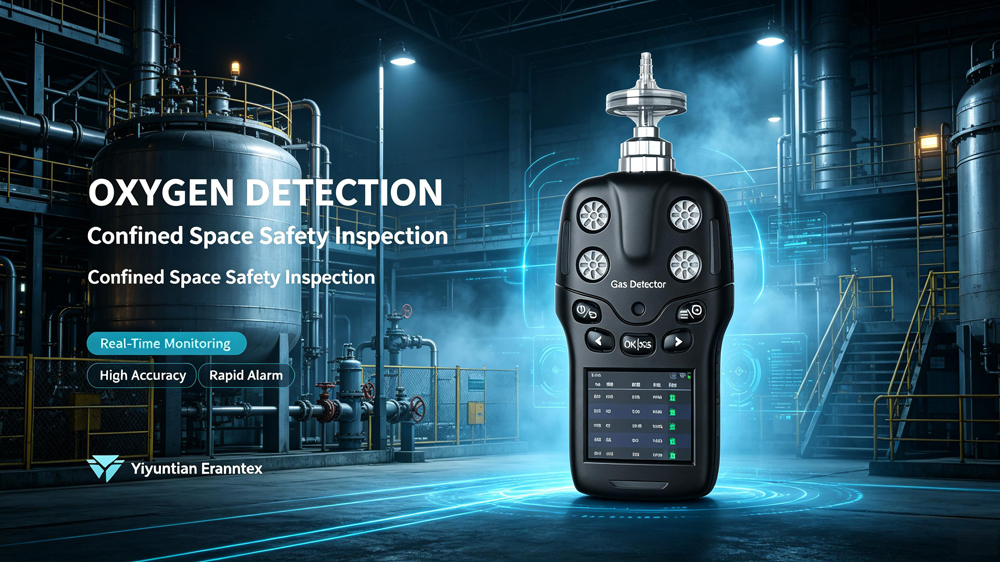
“Check-before-entry” procedures prior to entering confined spaces;
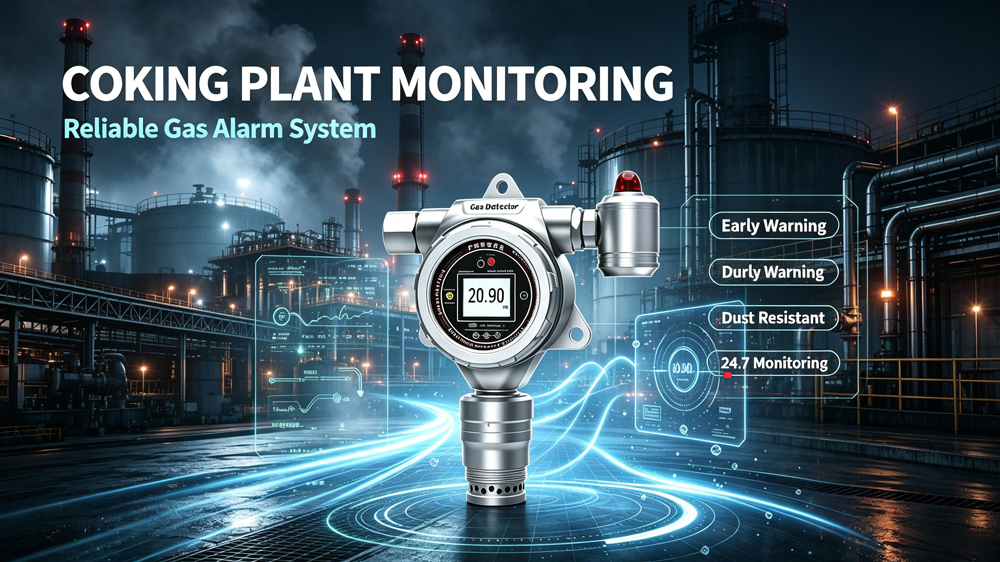
24/7 continuous monitoring in high-risk areas;
Interlocking with ventilation systems or emergency shutdown devices to enable automatic intervention.
II. Compliance with OSHA, NIOSH, and International Occupational Health Standards
Major global regulatory agencies have established strict limits for CO exposure in the workplace. Taking the United States as an example:
OSHA sets the 8-hour time-weighted average (TWA) exposure limit at 50 ppm;
NIOSH recommends stricter limits: 35 ppm (TWA) and 200 ppm (15-minute short-term exposure limit);
ACGIH’s Threshold Limit Values (TLVs) are 25 ppm (TWA) and 400 ppm (STEL).
Alarm settings for industrial carbon monoxide detectors are typically based on these standards and employ a two-stage alarm logic:
Level 1 Alarm (Low Alarm): Set at 25–35 ppm, indicating a potential risk requiring enhanced ventilation or equipment inspection;
Level 2 Alarm (High Alarm): Set at 100–200 ppm, triggering emergency evacuation procedures.
Such devices must be certified for explosion protection (e.g., ATEX, IECEx, UL, or CSA) and have an IP65 or higher protection rating to withstand dusty, humid, high-temperature, or corrosive environments.
III. Technical Reliability and System Integration Capabilities
Modern industrial carbon monoxide detectors typically employ high-performance electrochemical sensors, offering high selectivity, rapid response, and a service life of up to 2–3 years. High-end models also support:
Real-time data logging and event logs for incident reconstruction and compliance audits;
4–20 mA, Modbus, or wireless (Bluetooth/Wi-Fi) outputs for integration into central safety control systems;
Self-diagnostic functions to provide early warnings of sensor failure or calibration needs.
Regular zero-point and span calibration, as well as functional testing before each use, are fundamental requirements for ensuring the reliability of carbon monoxide detectors.
IV. Beyond Compliance: Building a Proactive Safety Culture
In international EHS management practices, deploying carbon monoxide detectors is not merely a matter of fulfilling legal obligations but also a crucial manifestation of a company’s safety culture. Leading industrial enterprises integrate gas detection data into risk assessment models, combining it with personnel training, emergency response plans, and digital platforms to form a closed-loop management system of “monitoring—warning—response—improvement.”
In summary, industrial carbon monoxide detectors are far more than simple hardware tools; they serve as the nerve endings of occupational health and safety systems. Against the backdrop of growing global emphasis on workplace safety, the proper selection, standardized use, and continuous maintenance of such equipment represent a non-negotiable baseline for any responsible enterprise.
Related information
-
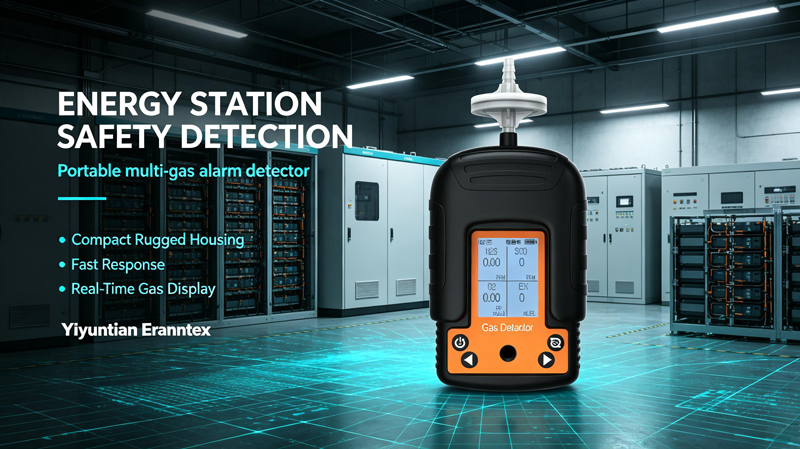
How to Calibrate a Portable four-in-one Gas Detectors?
Portable four-in-one gas detectors are core protective equipment in the industrial safety field. However, sensors can experience z...
2026-09-18 -
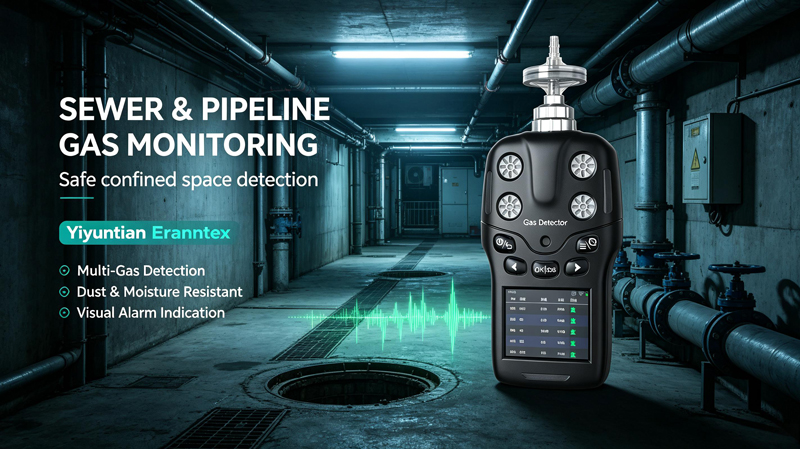
What are the application scenarios for portable four-in-one gas detectors?
Portable four-in-one gas detectors typically monitor oxygen (O₂), flammable gas (LEL), carbon monoxide (CO), and hydrogen sulfide...
2026-09-16 -
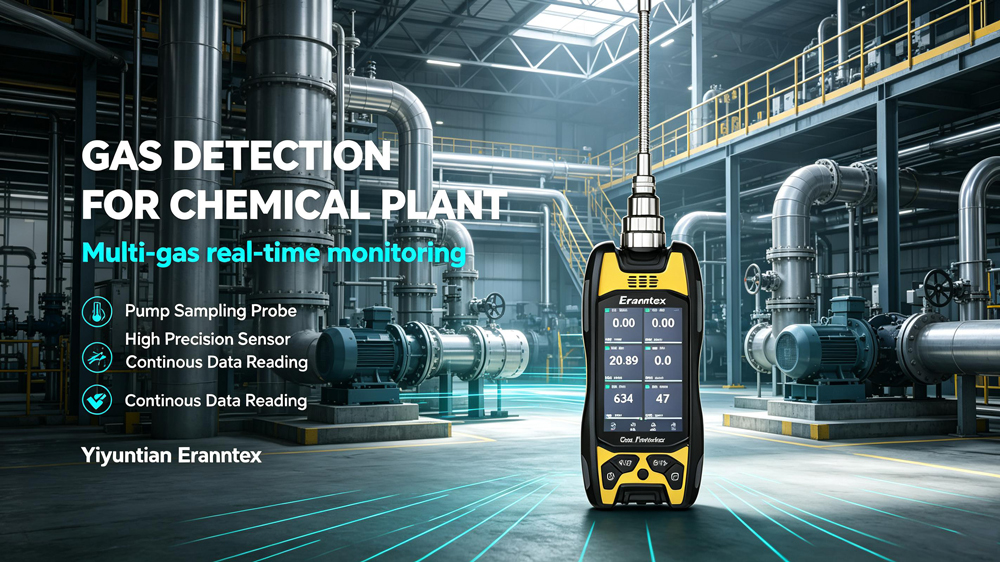
Portable four-in-one Gas Detectors User Manual
The portable four-in-one gas detectors is a core piece of personal protective equipment (PPE) for ensuring the safety of personnel...
2026-09-14 -

Calibration Specifications for Ammonia gas Detectors
Calibration of ammonia gas detectors is a core step in ensuring their measurement accuracy and alarm reliability. However, ammonia...
2026-09-11 -
What is the appropriate installation height for an ammonia gas detectors?
Ammonia (NH₃) has a relative density of only 0.59, much lighter than air. This means that in the event of a leak, the gas will qu...
2026-09-09
 info@eranntexgas.com sale1@eranntexgas.com


 15914124845