
How to Use a Carbon Monoxide Detectors
Publication Date:2026/04/27In modern industrial environments, carbon monoxide is an extremely common and insidious lethal threat. It is not only a byproduct of refineries, chemical plants, and the metallurgical industry, but is also widely present in power plants, paper mills, and even underground parking garages and mines. For EHS professionals in the industrial sector, a carbon monoxide detectors is far more than just a piece of equipment to be mounted on a wall; it is a critical component of a rigorous occupational safety defense system. Whether in high-temperature, noisy factory floors or in confined spaces during equipment shutdowns and maintenance, the proper selection, deployment, and use of carbon monoxide detectors are an absolute prerequisite for ensuring the safety of frontline workers.
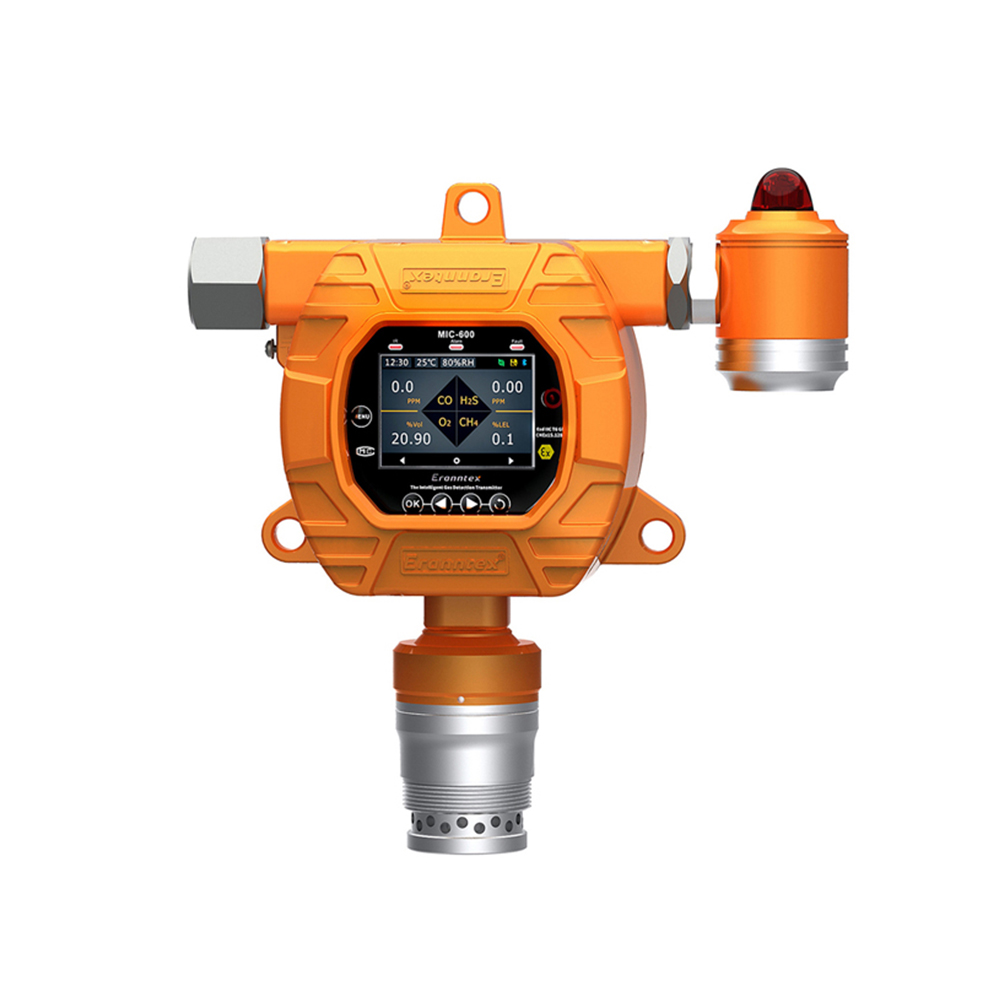
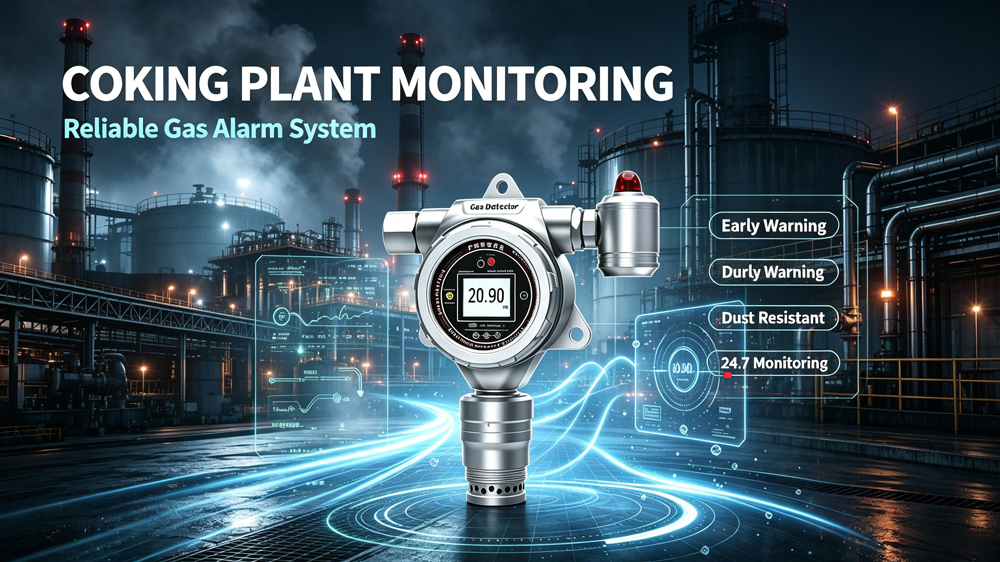
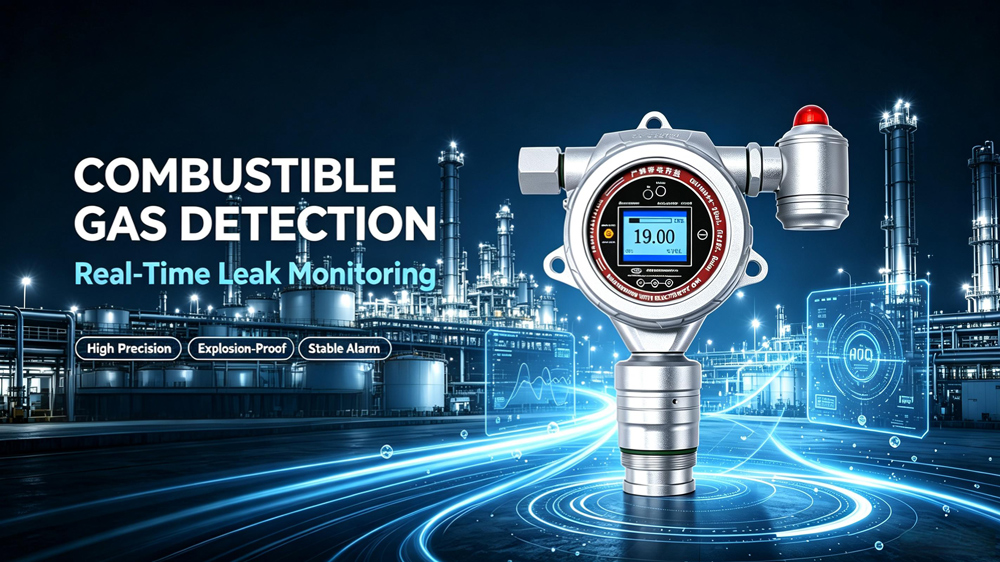
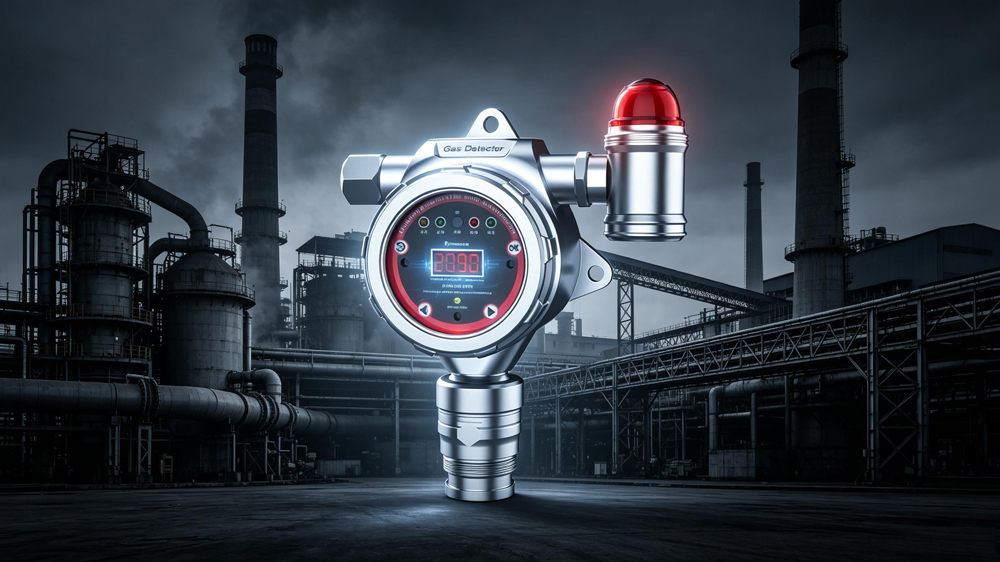
First, equipment deployment in industrial settings must abandon a “one-size-fits-all” approach and rely heavily on precise hazard assessments. Unlike residential environments, gas dispersion in industrial facilities is influenced by a combination of ventilation systems, ductwork layout, and heat sources. When installing fixed carbon monoxide detectors, the primary principle is to “follow the trail”: sensors must be installed downwind of potential leak sources and at the breathing zone height where employees frequently linger. Additionally, the physical properties of carbon monoxide must be taken into account: its molecular weight is slightly lighter than air, but in industrial environments, thermal convection generated by heat sources often pushes the gas upward. Therefore, in standard areas without strong heat sources, deployment should follow standard height guidelines; however, in areas with heat sources, engineers may need to position sensors slightly higher. It is crucial to avoid locations prone to moisture condensation or direct exposure to strong air currents, as moisture can damage the sensors, and air currents can disperse the gas, leading to false readings.
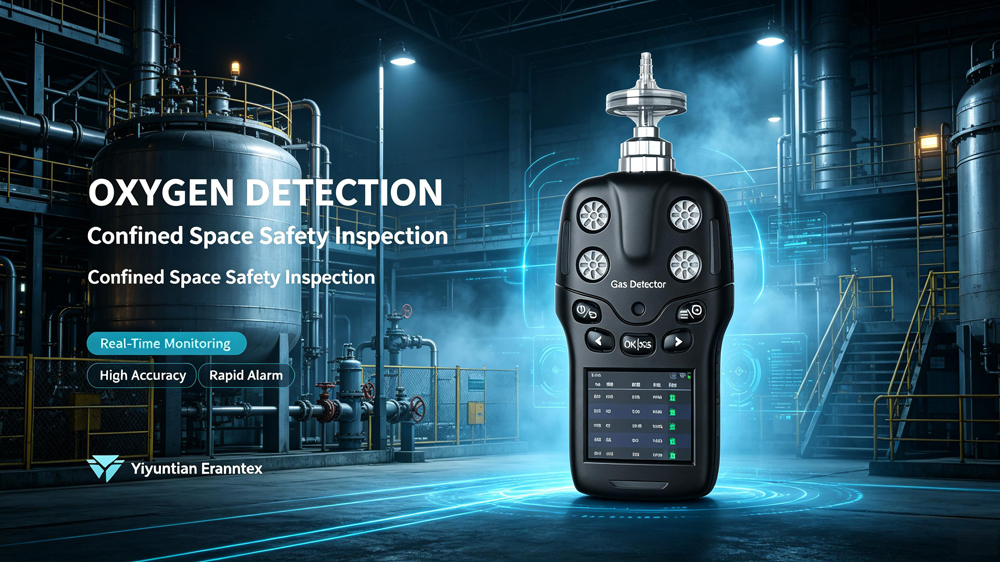
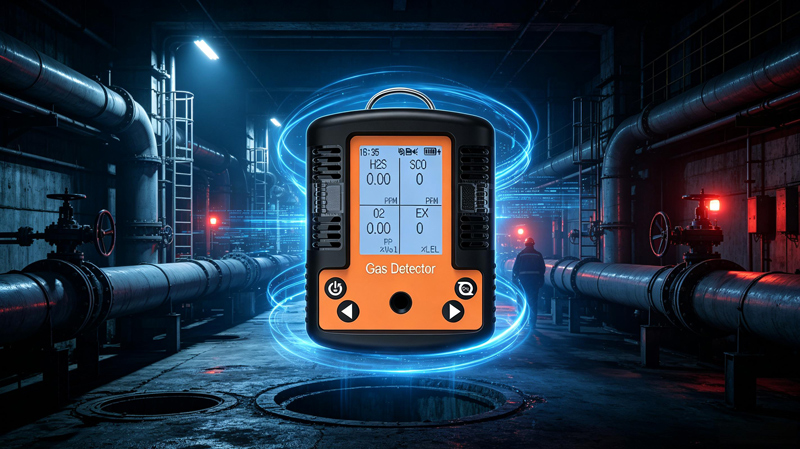
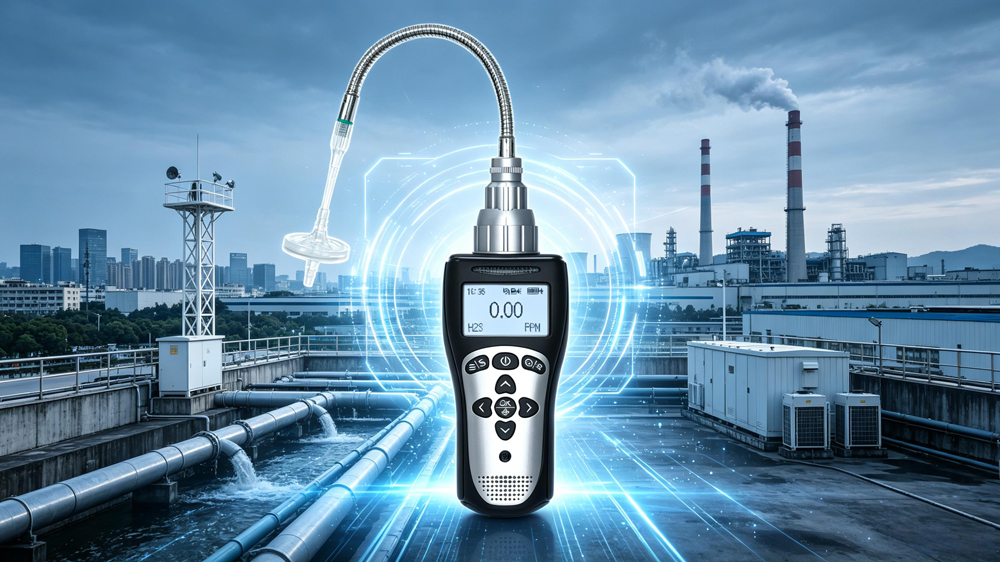
However, when entering confined spaces such as reactors, storage tanks, or sewers, the use of portable carbon monoxide detectors follows a strict, standardized procedure. Internationally, this is known as the Permitted Entry Procedure for Confined Spaces. In such scenarios, workers must carry a calibrated, fully operational pump-drawn gas detector. The testing sequence must never be reversed: the device must first be turned on in a clean outdoor environment to confirm the reading is zero and record the ambient background value; then, the sampling pump with the probe tube must be inserted into the confined space, following a “top, middle, bottom” three-layer approach for multi-point air sampling. Only when it is confirmed that the carbon monoxide concentration is within safe thresholds and oxygen levels are sufficient are workers permitted to enter. During work inside the confined space, the carbon monoxide detectors must be worn at all times and must never be left on the ground.
Understanding the “language of readings” from industrial detectors is central to making safe decisions. Industrial-grade devices typically provide real-time PPM readings and incorporate complex alarm logic. Unlike the simple high-level alarms found in household devices, industrial carbon monoxide detectors usually feature two- or three-level alarms. For example, a first-level low-limit alarm might be a yellow warning, indicating a potential issue with the area’s ventilation system or a minor leak that requires workers to investigate; a second-level high-limit alarm, however, triggers a piercing red alarm, signaling an immediate threat to life and requiring immediate evacuation. Operators must be thoroughly familiar with the exposure limits set by OSHA or ACGIH for their industry and must never become complacent about low-concentration alarms.
In the industrial sector, the most easily overlooked yet deadliest mistake is ignoring the phenomenon of gas cross-interference. Carbon monoxide detectors typically use electrochemical sensors, and a drawback of this technology is that it can also react to certain other gases. For example, high concentrations of hydrogen—common in chemical plants or welding areas—can easily penetrate the filter membrane of electrochemical sensors and be mistaken for carbon monoxide, thereby triggering false alarms. Therefore, professional purchasers and users of carbon monoxide detectors must carefully review the equipment’s technical manual to understand its cross-interference coefficients. In specific process areas with high concentrations of hydrogen or silane, it may be necessary to install specialized sensors equipped with anti-interference filter membranes; otherwise, false alarms could lead to production stoppages.
Finally, the lifecycle management of industrial-grade carbon monoxide detectors must be strictly institutionalized. In harsh industrial environments, dust, chemical solvent vapors, extreme temperatures, and electromagnetic interference constantly erode the sensor’s lifespan. In accordance with international safety standards, both fixed-mount probes and portable carbon monoxide detectors must undergo regular shock testing/rapid calibration—that is, using standard gases of known concentration to verify whether the detector can accurately trigger an alarm without requiring adjustment. This is typically recommended on a daily basis or before each use. Additionally, full-range calibration is required. Furthermore, electrochemical sensors have a physical lifespan, and safety protocols mandate mandatory replacement before the sensor expires; one must never harbor the false hope that “as long as it still powers on, it’s good enough to use.”
In short, in the industrial sector, a carbon monoxide detectors serves as a physical barrier between life and danger. Its effectiveness does not depend on how much you paid for it, but rather on whether you have strategically positioned it according to on-site conditions, followed rigorous testing procedures for confined spaces, understood its alarm logic, and adhered to an uncompromising calibration and maintenance regimen. In the realm of industrial safety, there is no such thing as “good enough”—only zero compromise.
Related information
-
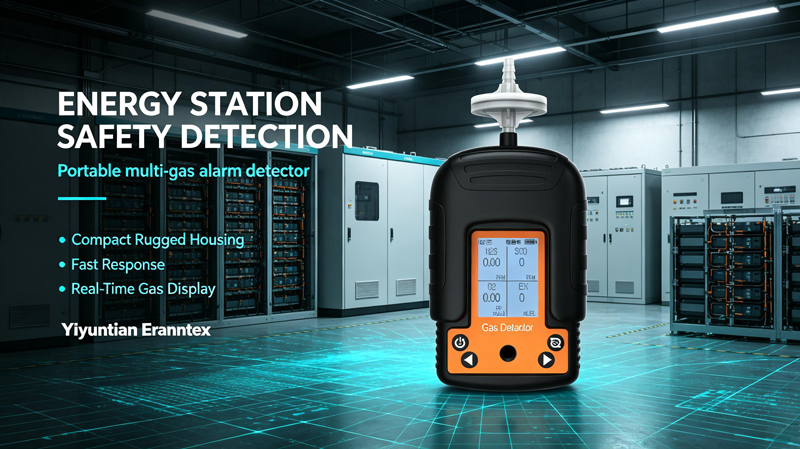
How to Calibrate a Portable four-in-one Gas Detectors?
Portable four-in-one gas detectors are core protective equipment in the industrial safety field. However, sensors can experience z...
2026-09-18 -
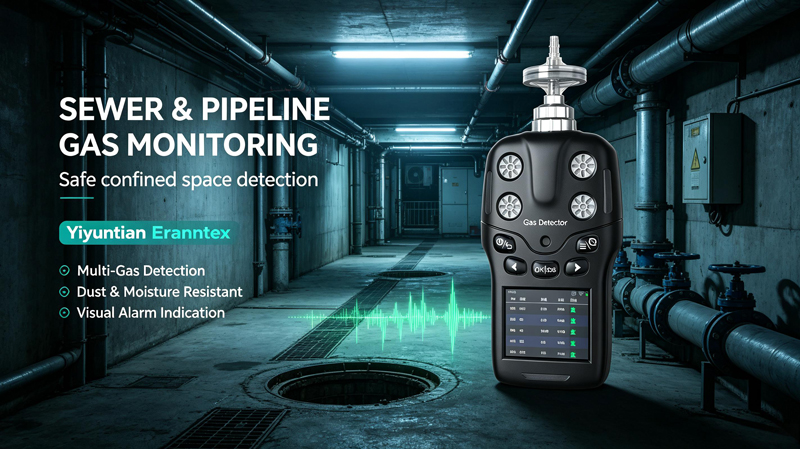
What are the application scenarios for portable four-in-one gas detectors?
Portable four-in-one gas detectors typically monitor oxygen (O₂), flammable gas (LEL), carbon monoxide (CO), and hydrogen sulfide...
2026-09-16 -
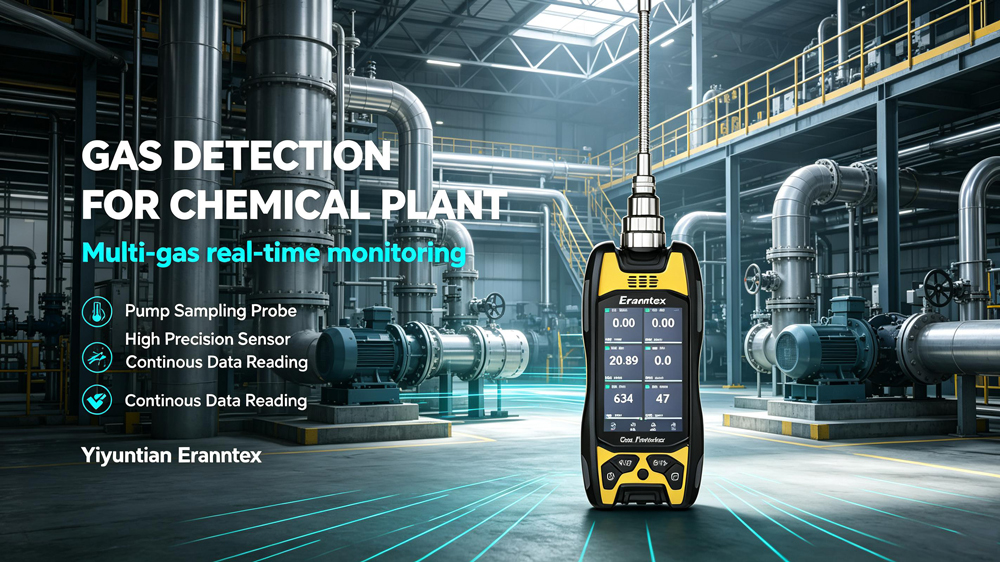
Portable four-in-one Gas Detectors User Manual
The portable four-in-one gas detectors is a core piece of personal protective equipment (PPE) for ensuring the safety of personnel...
2026-09-14 -

Calibration Specifications for Ammonia gas Detectors
Calibration of ammonia gas detectors is a core step in ensuring their measurement accuracy and alarm reliability. However, ammonia...
2026-09-11 -
What is the appropriate installation height for an ammonia gas detectors?
Ammonia (NH₃) has a relative density of only 0.59, much lighter than air. This means that in the event of a leak, the gas will qu...
2026-09-09
 info@eranntexgas.com sale1@eranntexgas.com


 15914124845