
Tips for Choosing a Combustible Gas Detectors
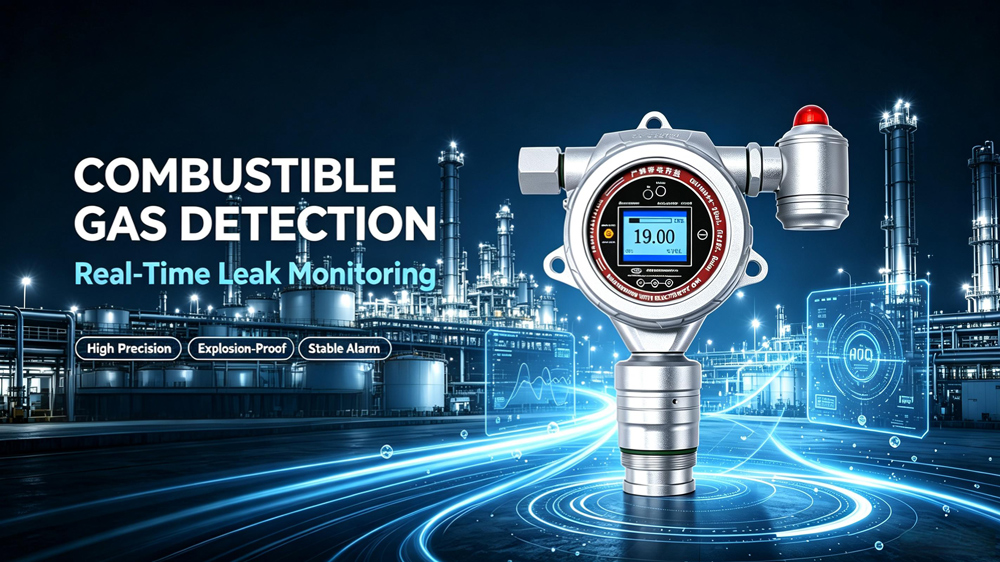
Publication Date:2026/03/30In industrial safety, fire emergency response, or confined space operations, combustible gas detectors serve as the first line of defense against fires and explosions. However, faced with the vast array of products on the market—ranging from alarms costing just a few dozen dollars to industrial analysis systems priced in the tens of thousands—users often feel overwhelmed: how do they choose the equipment that truly meets their needs? The key to making a purchase decision lies not in price, but in clearly defining the application scenario, understanding technical differences, and paying attention to certification standards and long-term maintenance costs. Below, the editors at Yiyuntian Eranntex offer several practical tips to help international users make informed decisions.
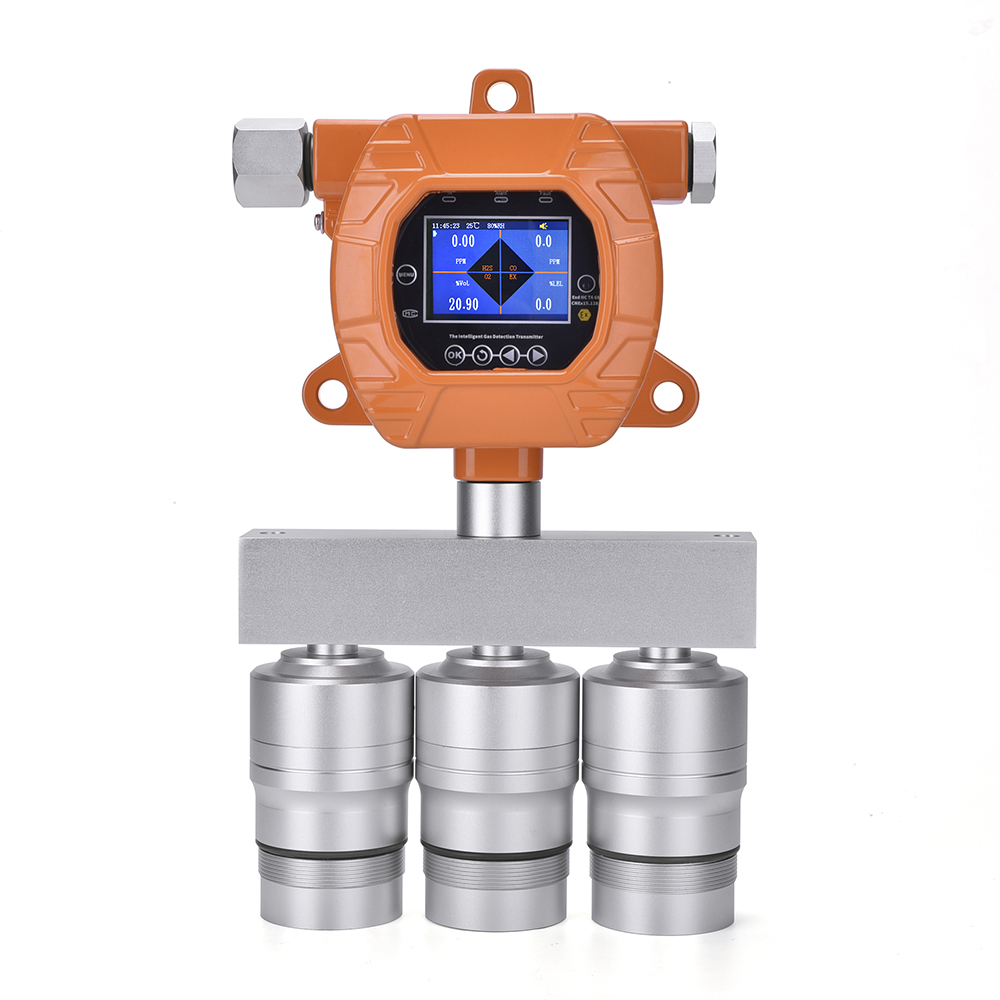
First, identify the specific gas types you need to detect and the nature of the risks involved. Combustible gases include methane, propane, hydrogen, solvent vapors, and many other substances, but different sensors vary significantly in their ability to detect them. There are two mainstream technologies on the market: catalytic combustion and infrared sensors. Catalytic combustion sensors are low-cost and widely applicable, capable of detecting the vast majority of combustible gases, but they are prone to “poisoning” by silicones, sulfides, or halogens, which can cause permanent failure; infrared sensors have strong resistance to poisoning and a long service life, but they cannot detect diatomic molecules. If hydrogen is present in your work environment, you must choose a catalytic combustion sensor or a dedicated hydrogen sensor. Additionally, if you only need to monitor a single gas, you can select a dedicated model optimized for that specific gas, which offers higher accuracy.
Second, confirm the required detection range and accuracy. Most safety applications focus on the percentage of the lower explosive limit (LEL), with a standard range of 0–100%LEL. However, for leak detection or process control, sensitivity at the ppm level may be required; in such cases, a high-resolution model should be selected. Also note: Instrument readings are typically displayed in “methane equivalents.” If the environment contains propane or gasoline vapors, the actual explosion risk may be higher. High-quality equipment provides a “relative response factor table” to help users convert to actual concentrations—this is a key indicator of professional-grade equipment.
Third, rigorously verify safety certifications and protection ratings. In European and North American markets, equipment used in hazardous areas must pass authoritative certifications:
ATEX or IECEx: Certifies that the equipment can be used safely in explosive gas environments;
UL / CSA (North America): Ensures compliance with electrical safety and performance standards;
IP rating: For example, IP65 indicates dust and water resistance, making it suitable for outdoor or humid environments.
Never purchase uncertified “generic” detectors to save costs—this will pose significant legal and safety risks during compliance audits or accident investigations.
Fourth, evaluate ease of use and smart features. Modern detectors typically support backlit screens, triple alarms (audible, visual, and vibration), data logging, Bluetooth connectivity, and even cloud platform integration. For field technicians, portability, one-handed operation, and long battery life are key; for fixed installations, consider 4–20 mA output, Modbus communication, or relay control functions. Additionally, support for quick function tests and automatic calibration directly impacts daily maintenance efficiency. Some brands offer配套 automatic test stations, which can significantly reduce human error.
Finally, consider the total cost of ownership rather than just the purchase price. A low-cost device with a sensor lifespan of only one year, frequent calibration requirements, and susceptibility to damage may incur long-term costs far exceeding those of a high-end model. High-quality catalytic combustion sensors can last 3–5 years, while infrared sensors can last over 10 years. At the same time, verify whether the manufacturer provides local technical support, calibration services, and spare parts—this is particularly crucial in remote areas or for multinational operations.
In summary, when selecting a combustible gas detectors, “more expensive” does not necessarily mean “better”; rather, “the better the fit, the better.” By answering four core questions:
What gases do I need to detect?
Is the operating environment hazardous or harsh?
What certifications and output functions are required?
Is long-term maintenance convenient and reliable?
You can filter out marketing noise and focus on the solution that truly fits your needs. In the field of safety, choosing the right tools is, in itself, a form of risk management. As emphasized by EHS culture in Europe and the United States: investing in the right equipment is an investment in human lives and the sustainable operation of the enterprise.
Related information
-
How to Calibrate a Portable four-in-one Gas Detectors?
Portable four-in-one gas detectors are core protective equipment in the industrial safety field. However, sensors can experience z...
2026-09-18 -
What are the application scenarios for portable four-in-one gas detectors?
Portable four-in-one gas detectors typically monitor oxygen (O₂), flammable gas (LEL), carbon monoxide (CO), and hydrogen sulfide...
2026-09-16 -
Portable four-in-one Gas Detectors User Manual
The portable four-in-one gas detectors is a core piece of personal protective equipment (PPE) for ensuring the safety of personnel...
2026-09-14 -

Calibration Specifications for Ammonia gas Detectors
Calibration of ammonia gas detectors is a core step in ensuring their measurement accuracy and alarm reliability. However, ammonia...
2026-09-11 -
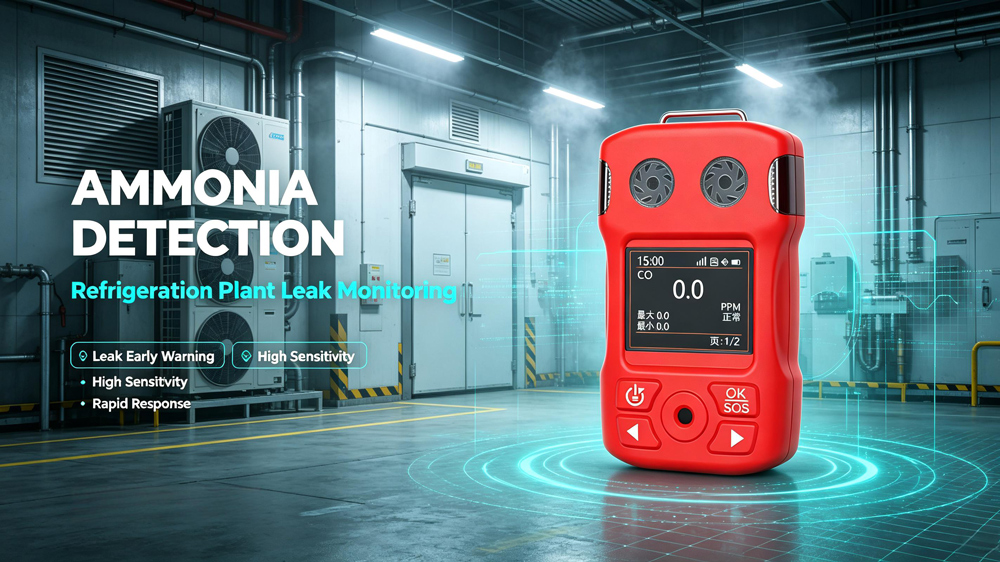
What is the appropriate installation height for an ammonia gas detectors?
Ammonia (NH₃) has a relative density of only 0.59, much lighter than air. This means that in the event of a leak, the gas will qu...
2026-09-09
 info@eranntexgas.com sale1@eranntexgas.com


 15914124845